H.R. 6169: Fair Credit for Farmers Act
Sponsor

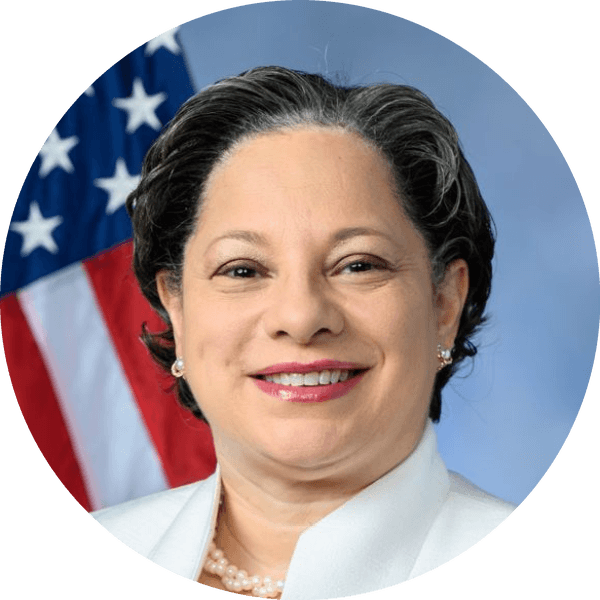
Alma Adams
Democrat · NC-12
Farmers behind on USDA loans deserve room to recover
Why it matters
0.125% interest and no payments for 2 years: that is what H.R. 6169 offers farmers who are delinquent or financially distressed on direct USDA loans. It also keeps your home off the table as collateral unless nothing else will cover the loan, bars USDA from inventing new denial reasons after the fact, and shifts the burden of proof onto the agency in appeals for most family operations.
The bill starts with breathing room. If you are delinquent or financially distressed on a direct USDA farm ownership, operating, or emergency loan, your principal and interest payments would stop for 2 years, and your rate would drop to 0.125% over that stretch. The loan's maturity date moves out 2 years to match. Direct loans with terms of 12 months or less are excluded.
Farmers who borrow through a private lender with a USDA guarantee get a narrower benefit. Beginning, veteran, limited-resource, and socially disadvantaged producers would have their guarantee fees waived for at least 2 years, which USDA could extend by another 180 days.
The next set of changes targets how USDA says no. A denial letter would have to list every reason the agency knew or should have known, cite the specific regulations and handbook instructions behind them, and explain how to look those up online. If a reason is left out, USDA could not later deny you on that same ground unless your circumstances have substantially changed.
Your house gets more protection. USDA could take your principal residence, plus up to 10 adjoining acres, as collateral only when your other assets fall short. Once those other assets cover 100% of what you still owe, the agency would have to start releasing the home on its own, with no request needed from you. It also could not demand collateral worth more than the loan itself.
The bill widens who can borrow. USDA could no longer refuse ownership or operating loans because of a past debt write-down, could no longer cap the number of years a farmer may use its loans, and could waive the 1-year management-experience requirement for beginning farmers who have an approved mentor or comparable education. Debt from outside lenders could be refinanced into direct USDA loans.
Finally, it changes what happens when you fight a decision. For appellants with adjusted gross income of $300,000 or less, USDA would have to prove by substantial evidence that its decision was not wrong, instead of you proving that it was. If an erroneous denial delayed you long enough to sink your original plan, you could qualify for equitable relief equal to the projected income minus projected expenses in your application.
Bill Progress
Latest Action · Dec 5, 2025
Assigned to Subcommittee on General Farm Commodities, Risk Management, and Credit. for review
H.R. 6169 Bill Summary
What H.R. 6169 actually does.
Two years without farm loan payments
Eligible borrowers who are delinquent or financially distressed on direct USDA ownership, operating, or emergency loans would have principal and interest deferred for 2 years, with the loan term extended 2 years. Loans of 12 months or less are excluded.
Interest drops to 0.125% during the pause
Outstanding direct loans of eligible borrowers would carry a 0.125% interest rate on remaining principal for the 2 years after enactment.
Guarantee fees waived for beginning, veteran, and other covered farmers
Private lenders making USDA-guaranteed farm loans to beginning, veteran, limited-resource, and socially disadvantaged producers would have to waive guarantee fees for at least 2 years, extendable by 180 days.
Your home becomes the last collateral USDA can take
USDA could secure a direct loan with your principal residence and up to 10 adjoining acres only when other assets are insufficient, and must start releasing it automatically once other collateral covers 100% of the balance.
One denial, every reason, stated up front
Denial letters must list each reason USDA knew or should have known, with the relevant regulations and handbook citations. Reasons left out cannot be used against you later unless your circumstances substantially change.
Past write-downs no longer shut you out
USDA could not deny ownership or operating loan eligibility because of a previous debt write-down or loss to the agency, and could not limit the number of years a farmer may borrow.
USDA carries the burden in most appeals
For appellants with adjusted gross income of $300,000 or less, based on the prior year or a 5-year average, the agency must prove by substantial evidence that its decision was not erroneous.
Compensation when a wrongful denial costs you the season
Applicants whose plans became unworkable because of an erroneous or withdrawn denial, or a reversed USDA promise, could receive equitable relief, and appeals hearing officers could grant it directly.
Who benefits from H.R. 6169?
Farmers already behind on a direct USDA loan
If you are delinquent or financially distressed, you get the bill's largest benefit: 2 years with no required payments and a 0.125% rate, instead of a restructuring that may demand more collateral.
Farm families who pledged the house
Borrowers whose home secures a USDA loan would see it treated as collateral of last resort and released automatically once other assets cover the balance.
New farmers without a track record
A beginning farmer working with an approved mentor could qualify for an ownership loan without a year of management experience, and beginning, veteran, limited-resource, and socially disadvantaged producers would skip guarantee fees for at least 2 years.
Farmers who were denied and fought back
Applicants appealing a USDA denial would get full reasons in writing, a burden-shifting rule if their income is $300,000 or less, and possible compensation if a wrongful denial wrecked their original plan.
Borrowers with a past write-down
Farmers who once had USDA debt written down would no longer be barred from new ownership or operating loans on that basis.
Who is affected by H.R. 6169?
USDA's Farm Service Agency
The agency would administer deferrals and rate cuts, write more detailed denial letters, change collateral practices, carry the burden of proof in many appeals, and could owe equitable relief when it denies in error.
Private lenders making guaranteed farm loans
Lenders would have to waive guarantee fees on loans to covered producers for at least 2 years.
USDA's National Appeals Division
Hearing officers would gain authority to grant equitable relief, subject to review by the Secretary of Agriculture, and agencies would have to implement final decisions without demanding new information.
Higher-income appellants
Farmers with adjusted gross income above $300,000 in both measures keep the current rule, under which the appellant must prove the agency erred.
Taxpayers
Deferred payments, a near-zero rate, and waived fees all reduce what USDA collects. No Congressional Budget Office estimate has been published for the bill.
HR6169 Legislative Journey
House: Committee Action
Dec 5, 2025
Referred to the Subcommittee on General Farm Commodities, Risk Management, and Credit.
House: Committee Action
Nov 20, 2025
Referred to the House Committee on Agriculture.
About the Sponsor
Alma Adams
Democrat, North Carolina's 12th congressional district · 12 years in Congress
Committees: Agriculture, Education and Workforce
View full profile →
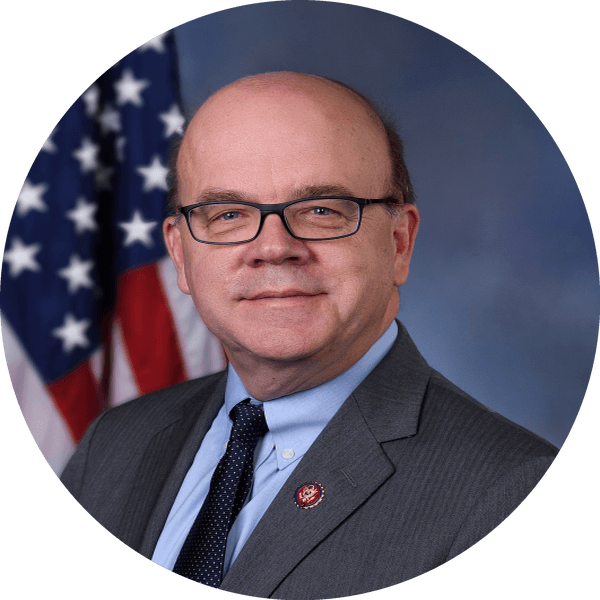
Cosponsors (2)
All 2 cosponsors are Democrats. Cosponsors represent 2 states: Massachusetts, Virginia.
Committee Sponsors

23 Democrats across this committee haven't cosponsored yet. Mobilize their constituents
What laws does H.R. 6169 change?
3 changes
Sections Amended
Section 196(b) of Federal Agriculture Improvement and Reform Act of 1996 (7 U.S.C. 7333(b))
adding at the end the following: ``(5) Adverse decisions
Section 311 of Consolidated Farm and Rural Development Act (7 U.S.C. 1941)
striking subsection (c)
Section 312(a) of Consolidated Farm and Rural Development Act (7 U.S.C. 1942(a))
striking paragraph (9) and inserting the following: ``(9) refinancing the indebtedness of a borrower; or''
H.R. 6169 Quick Facts
- Committee
- Agriculture
- Chamber
- House
- Policy
- Agriculture and Food
- Introduced
- Nov 20, 2025
Assigned to Subcommittee on General Farm Commodities, Risk Management, and Credit. for review
Dec 5, 2025
Official Sources
Official bill page with full text, sponsor, cosponsors, and the referral to the House Agriculture Subcommittee on General Farm Commodities, Risk Management, and Credit.
The direct ownership loans the bill would defer and reprice, and whose 1-year management-experience rule it would let USDA waive for mentored beginning farmers.
Direct operating loans covered by the 2-year payment pause and the bar on denying eligibility over a past debt write-down.
Disaster loans that fall under the bill's payment deferral and 0.125% rate for delinquent or financially distressed borrowers.
Loans made by private lenders with a USDA guarantee, where the bill would waive guarantee fees for beginning, veteran, limited-resource, and socially disadvantaged producers.
The servicing options USDA offers distressed and delinquent direct-loan borrowers today, which the bill's deferral and collateral rules would change.
The farm credit statute the bill amends to change loan eligibility, collateral, denial letters, and refinancing.
Current appeal procedures for FSA decisions, where the burden of proof sits with the appellant until the bill shifts it for most family operations.
H.R. 6169 Common Questions
Who qualifies for the 2-year USDA farm loan payment pause?
Farmers and ranchers who are delinquent or financially distressed on a direct USDA farm ownership, operating, or emergency loan. Direct loans with terms of 12 months or less are excluded, and guaranteed loans from private lenders do not get the pause.
What interest rate would I pay under H.R. 6169?
0.125% on your remaining principal for 2 years, if you qualify. On a $200,000 loan that is about $250 a year in interest, compared with roughly $10,000 at a 5% rate.
Can USDA take my house as collateral for a farm loan?
Only if your other assets are not enough to secure the loan. Once those other assets cover 100% of what you owe, USDA would have to start releasing your home automatically, without you asking.
Can USDA deny my loan for a reason it did not mention the first time?
Not under this bill, unless your circumstances have substantially changed. The denial letter would have to list every reason USDA knew or should have known, with the rules and handbook sections behind each one.
Can I get a USDA farm loan without farming experience?
Possibly. The 1-year management-experience rule stays, but USDA could waive it for a beginning farmer who has an approved mentor or other acceptable education or experience.
Does a past USDA debt write-down block me from new loans?
Not if this passes. USDA could no longer deny ownership or operating loan eligibility because of a previous write-down or loss to the agency, and could not cap how many years you use its loans.
What if a wrongful USDA denial cost me my season?
You could qualify for equitable relief equal to the projected income minus projected expenses in your original application, if appeals officials find the denial was in error and the delay made your plan unworkable. It applies only to decisions made after enactment.
Who has to prove what in a USDA appeal?
Today, you must prove USDA was wrong. Under H.R. 6169, if your adjusted gross income is $300,000 or less for the prior year or on a 5-year average, USDA would have to prove by substantial evidence that its decision was right.
Based on H.R. 6169 bill text
H.R. 6169 Bill Text
“To amend the Consolidated Farm and Rural Development Act to reform farm loans, to amend the Department of Agriculture Reorganization Act of 1994 to reform the National Appeals Division process, and for other purposes.”
Source: U.S. Government Publishing Office
Get notified when H.R. 6169 moves
Committee votes, floor action, cosponsor changes — straight to your inbox.
Bill alerts + Legisletter's monthly briefing. Unsubscribe anytime.
Agriculture and Food Bills
9 related bills we're tracking
SAFE Act of 2025





Referred to the Subcommittee on Livestock, Dairy, and Poultry.
Mar 28, 2025
Restoring Food Security for American Families and Farmers Act of 2025




Referred to the Subcommittee on Nutrition and Foreign Agriculture.
Jan 13, 2026
EATS Act of 2025



Referred to the House Committee on Agriculture.
Jul 29, 2025
Hot Foods Act of 2025



Referred to the Subcommittee on Nutrition and Foreign Agriculture.
Apr 18, 2025
Whole Milk for Healthy Kids Act of 2025


Placed on the Union Calendar, Calendar No. 111.
Jun 5, 2025
Keep SNAP and WIC Funded Act of 2025


Referred to the House Committee on Appropriations.
Nov 7, 2025
WIC Benefits Protection Act




Referred to the House Committee on Education and Workforce.
Oct 10, 2025
Food Secure Strikers Act of 2025




Referred to the Subcommittee on Nutrition and Foreign Agriculture.
Apr 18, 2025
Improving Access to Nutrition Act of 2026

Referred to the Subcommittee on Nutrition and Foreign Agriculture.
Mar 20, 2026
Trending Right Now
Bills gaining momentum across Congress
America’s Olympic and Paralympic Games Commemorative Coins Act




Referred to the House Committee on Financial Services.
Jul 14, 2025
Fit to Serve Act





Referred to the House Committee on Armed Services.
May 21, 2025
ASAP Act


Ordered to be Reported in the Nature of a Substitute by the Yeas and Nays: 40 - 0.
Sep 16, 2026
Tracking Agriculture and Food in Congress? Monitor bills, track cosponsor momentum, and launch advocacy campaigns — all from one advocacy platform.