H.R. 4797: EATS Act of 2025
Sponsor

Jimmy Gomez
Democrat · CA-34
Students would stop needing a job to get SNAP
Why it matters
Twenty hours of paid work a week, on top of half-time classes, is one of the standard ways a student currently clears the SNAP student test. H.R. 4797 deletes that test outright — students would be screened on income and household size like every other applicant. It has 141 cosponsors and has not moved since it was referred to committee in July 2025.
Federal SNAP law currently carries a separate track for students. If you are 18 to 49 and enrolled at least half time in higher education, you are disqualified unless you satisfy one of a list of exemptions — working 20 hours a week for pay, caring for a child under 6, holding a work-study placement, and a handful of others. Meeting SNAP's regular income limits is not enough on its own.
H.R. 4797 repeals that separate track. It strikes the clause that makes higher-education students ineligible, and deletes the subsection that spells out the exemptions they have to satisfy. What remains is the ordinary application: income, household size, assets, verification.
The bill also settles a second question that trips students up. Students enrolled at least half time in a recognized school, training program, or institution of higher education would be written into law as their own household rather than residents of an institution — the category that covers people living somewhere that feeds them. SNAP pays households, so a student who is not counted as a household cannot be paid at all, no matter what their income looks like.
The reach is wider than four-year colleges. The text says any recognized school, training program, or institution of higher education, which pulls in trade schools and workforce training alongside community colleges.
The bill sets no new benefit amount and creates no new program. It changes who gets to the front door.
Bill Progress
Latest Action · Jul 29, 2025
Referred to the House Committee on Agriculture.
H.R. 4797 Bill Summary
What H.R. 4797 actually does.
The student-only eligibility test disappears
The bill deletes the subsection of federal SNAP law that sets separate requirements for students in higher education, including the 20-hour work rule and the other exemptions students currently have to satisfy.
Being enrolled stops being a disqualification
It strikes the language making a person enrolled in an institution of higher education ineligible for SNAP unless they meet those student requirements. Enrollment would no longer be a reason to deny an application.
Half-time students count as their own household
Students enrolled at least half time are added to the list of people who are not treated as residents of an institution. SNAP benefits go to households, so this determines whether a student can be paid at all.
Trade schools and training programs are covered
The text reaches any recognized school, training program, or institution of higher education — not only degree-granting colleges.
Everything else about qualifying stays the same
The bill does not change SNAP's income limits, asset tests, household rules, or verification requirements. A student who does not meet those still does not qualify.
An effective date that has already passed
The bill sets January 2, 2026 as its effective date. That date is now behind us, so the provision would have to be rewritten before the bill could take effect as drafted.
Who benefits from H.R. 4797?
Students who cannot hold a 20-hour job on top of class
Clinical rotations, unpaid internships, lab requirements, a disability, or a class schedule that does not fit an employer's shifts all leave a student short of the current work threshold. Under H.R. 4797, the threshold is gone.
Community college and trade school students
Students in workforce training and two-year programs are covered by the same language as four-year students, as long as they are enrolled at least half time.
Student parents with school-age children
The current caregiving exemption turns on the age of the child. A parent whose youngest is past that threshold has to find another way to qualify; the bill removes the question.
Students who lost the pandemic-era exemptions
Temporary student exemptions enacted in 2021 expired when the COVID-19 public health emergency ended on May 11, 2023, returning students to the older rules. This bill would remove those rules rather than suspend them.
Who is affected by H.R. 4797?
Students who still fall outside SNAP's regular rules
Income above the limit, an ineligible immigration status, or a household that already receives benefits are unaffected by this bill. It removes one screen, not all of them.
State SNAP agencies
States would have to rewrite application questions, eligibility software, and caseworker guidance to stop asking about enrollment and work hours as a threshold question.
USDA Food and Nutrition Service
Federal manuals, guidance to states, and quality-control criteria built around the student rules would need to be reissued.
Campus financial aid and basic-needs offices
Schools that currently spend staff time documenting work-study placements and work hours for SNAP applications would be certifying enrollment instead.
HR4797 Legislative Journey
House: Committee Action
Jul 29, 2025
Referred to the House Committee on Agriculture.
About the Sponsor
Jimmy Gomez
Democrat, California's 34th congressional district · 9 years in Congress
Committees: House Permanent Select Committee on Intelligence, Ways and Means
View full profile →
Cosponsors (141)
All 141 cosponsors are Democrats. Cosponsors represent 36 states: Arizona, California, Colorado, and 33 more.

Alma Adams
Democrat · NC

Jim Costa
Democrat · CA

Josh Harder
Democrat · CA
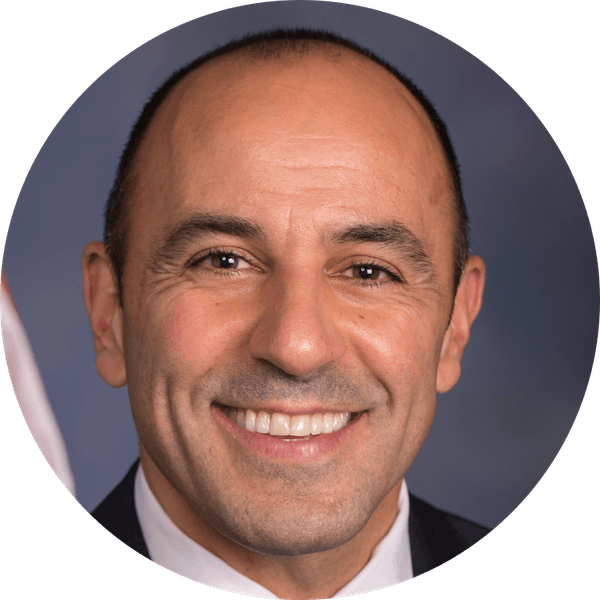
Jimmy Panetta
Democrat · CA

Becca Balint
Democrat · VT

Joyce Beatty
Democrat · OH

Wesley Bell
Democrat · MO

Ami Bera
Democrat · CA

Suzanne Bonamici
Democrat · OR

Brendan Boyle
Democrat · PA

Julia Brownley
Democrat · CA

Nikki Budzinski
Democrat · IL
Cosponsor Coverage Map
Committee Sponsors
Agriculture Committee
13 of 53 committee members cosponsored


11 Democrats across this committee haven't cosponsored yet. Mobilize their constituents
H.R. 4797 Quick Facts
- Committee
- Agriculture
- Chamber
- House
- Policy
- Agriculture and Food
- Introduced
- Jul 29, 2025
Referred to the House Committee on Agriculture.
Jul 29, 2025
Official Sources
Official status, full text, sponsors, and committee actions for H.R. 4797.
USDA's page on the student eligibility rules for SNAP — the separate test this bill repeals.
USDA guidance on the student exemptions, including the 20-hour work rule, that the bill would delete.
The federal regulation implementing the student restriction, which states apply when screening applicants.
The Food and Nutrition Act of 2008 in the U.S. Code, the statute H.R. 4797 amends.
The income, household, and verification rules that would still apply to students if the bill passed.
Official USDA program page for SNAP, the benefit this bill would open to more students.
April 2025 GAO report finding most food-insecure college students do not receive SNAP under current rules.
H.R. 4797 Common Questions
What does H.R. 4797 do for students on SNAP?
It repeals the separate eligibility test that applies to students in higher education. If you are enrolled at least half time, you would be screened on income and household size like any other applicant.
Do college students have to work 20 hours a week to get SNAP?
Under current law that is one of the ways a student aged 18 to 49 can qualify, alongside caring for a young child or holding a work-study placement. H.R. 4797 would remove that requirement entirely.
Would every college student get SNAP if H.R. 4797 passed?
No. It removes the student screen, not the program's income limits, household rules, or verification requirements. A student whose income is above the limit still would not qualify.
Does H.R. 4797 cover trade schools and job training programs?
Yes. The text applies to students enrolled at least half time in any recognized school, training program, or institution of higher education, not only degree-granting colleges.
Can a student living on campus apply for SNAP on their own?
Household status is the sticking point, because SNAP pays households rather than individuals. H.R. 4797 writes half-time students into law as their own household instead of residents of an institution.
What happened to the pandemic student SNAP exemptions?
Temporary exemptions enacted in 2021 expired when the COVID-19 public health emergency ended on May 11, 2023, and students returned to the older rules. H.R. 4797 would repeal those rules rather than pause them.
When would H.R. 4797 take effect?
The bill as written takes effect January 2, 2026 — a date that has already passed while the bill sat in committee. Any version that advances now would need a new date.
Has H.R. 4797 passed?
No. Rep. Jimmy Gomez introduced it on July 29, 2025 and it was referred to the House Agriculture Committee the same day. It has 141 cosponsors, all Democrats, and has not received a vote.
Based on H.R. 4797 bill text
H.R. 4797 Bill Text
“To amend the Food and Nutrition Act of 2008 to remove certain eligibility disqualifications that restrict otherwise eligible students enrolled in institutions of higher education from participating in the supplemental nutrition assistance program, and for other purposes.”
Source: U.S. Government Publishing Office
Get notified when H.R. 4797 moves
Committee votes, floor action, cosponsor changes — straight to your inbox.
Bill alerts + Legisletter's monthly briefing. Unsubscribe anytime.
Agriculture and Food Bills
9 related bills we're tracking
SAFE Act of 2025





Referred to the Subcommittee on Livestock, Dairy, and Poultry.
Mar 28, 2025
Restoring Food Security for American Families and Farmers Act of 2025




Referred to the Subcommittee on Nutrition and Foreign Agriculture.
Jan 13, 2026
Hot Foods Act of 2025




Referred to the Subcommittee on Nutrition and Foreign Agriculture.
Apr 18, 2025
Whole Milk for Healthy Kids Act of 2025




Placed on the Union Calendar, Calendar No. 111.
Jun 5, 2025
Keep SNAP and WIC Funded Act of 2025
Referred to the House Committee on Appropriations.
Nov 7, 2025
WIC Benefits Protection Act




Referred to the House Committee on Education and Workforce.
Oct 10, 2025
Food Secure Strikers Act of 2025




Referred to the Subcommittee on Nutrition and Foreign Agriculture.
Apr 18, 2025
Improving Access to Nutrition Act of 2026

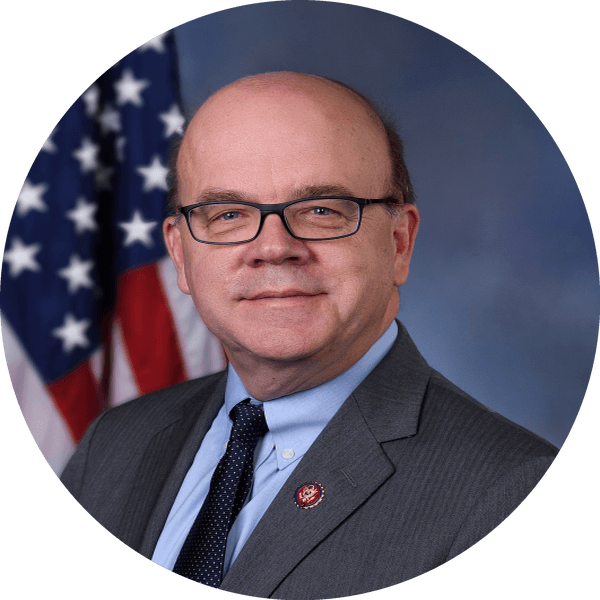
Referred to the Subcommittee on Nutrition and Foreign Agriculture.
Mar 20, 2026
Fairness for Victims of SNAP Skimming Act of 2025



Referred to the House Committee on Agriculture.
Apr 30, 2025
Trending Right Now
Bills gaining momentum across Congress
North Platte Canteen Congressional Gold Medal Act





Referred to the House Committee on Financial Services.
Feb 21, 2025
America’s Olympic and Paralympic Games Commemorative Coins Act





Referred to the House Committee on Financial Services.
Jul 14, 2025
Fit to Serve Act





Referred to the House Committee on Armed Services.
May 21, 2025
Tracking Agriculture and Food in Congress? Monitor bills, track cosponsor momentum, and launch advocacy campaigns — all from one advocacy platform.