H.R. 5549: Efficient Nuclear Licensing Hearings Act
Sponsor

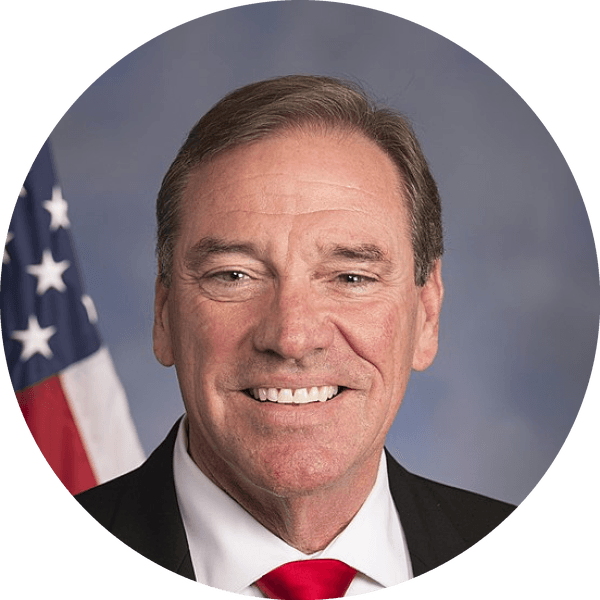
H. Griffith
Republican · VA-9
Skip nuclear hearings when nobody asks for one
Why it matters
A 30-day public notice could replace an unrequested hearing for major nuclear permits and licenses. H.R. 5549 would make hearings dependent on a request from someone whose interest may be affected, require informal procedures when hearings occur, and allow certain amendments to proceed without the notice.
H.R. 5549 would change when the Nuclear Regulatory Commission holds hearings for nuclear construction permits, operating licenses, combined licenses, and amendments. The NRC could proceed without a hearing when nobody whose interest may be affected requests one, generally after publishing its intent and allowing 30 days’ notice.
If a nuclear licensing decision could affect you, the bill would make your hearing request the step that triggers a hearing. When a covered hearing does take place, the NRC would have to use informal adjudicatory procedures rather than a more formal process.
The NRC could skip both the notice period and publication for an amendment it determines presents no significant hazards consideration. That exception would apply to amendments involving construction permits, operating licenses, and combined licenses.
Uranium enrichment facilities would follow a similar request-based model. The bill would remove the requirement that those licensing hearings be held on the record and require a hearing only when a person whose interest may be affected asks for one.
These rules would apply immediately to NRC applications and proceedings still pending when the bill becomes law, not just to future filings. H.R. 5549 has reached the Senate but has not been enacted.
What to watch
H.R. 5549 is now before the Senate Environment and Public Works Committee after advancing through the House. The key question is whether senators preserve the request-based hearing model and mandatory informal procedures. Any Senate changes would have to return to the House before the bill could reach the president.
Bill Progress
Latest Action · Nov 12, 2026
Passed the House, received in Senate
H.R. 5549 Bill Summary
What H.R. 5549 actually does.
Hearings happen when an affected person asks
The NRC could issue covered construction permits, operating licenses, combined licenses, and amendments without a hearing if no person whose interest may be affected requests one.
The public generally gets 30 days’ notice
Before proceeding without a hearing, the NRC generally would provide 30 days’ notice and publish its intent in the Federal Register.
Some license amendments can bypass notice
The NRC could omit the notice period and publication for an amendment it determines involves no significant hazards consideration.
Licensing hearings become informal
Every covered NRC hearing would use informal adjudicatory procedures. The bill does not provide a detailed new set of procedural rules.
Uranium enrichment hearings require a request
A uranium enrichment facility hearing would occur only if requested by someone whose interest may be affected. The hearing would no longer have to be conducted on the record.
Pending nuclear cases change immediately
The revised procedures would cover every NRC application and proceeding pending on or after enactment, including unresolved cases filed earlier.
Who benefits from H.R. 5549?
Companies seeking to build or operate nuclear facilities
Applicants could move through licensing without an unrequested hearing after the generally required 30-day notice. If someone requests a hearing, the proceeding would use informal procedures.
Operators seeking license amendments
Plant operators could avoid an unrequested hearing, and some amendments could proceed without the 30-day notice if the NRC finds no significant hazards consideration.
Uranium enrichment facility developers
Developers would face a hearing only when someone whose interest may be affected requests one, and that hearing would no longer need to be held on the record.
NRC licensing staff
The agency could process covered approvals through a notice-based route when no hearing is requested, reducing the number of proceedings it must convene automatically.
Who is affected by H.R. 5549?
People living or working near proposed nuclear facilities
If you believe a licensing decision may affect your interests, you would need to request a hearing through the NRC process to trigger one.
Environmental and public-interest organizations
Organizations seeking a hearing would need to establish that an interest may be affected and act during the applicable NRC process. Any hearing granted would use informal procedures.
Participants in pending NRC proceedings
Applicants, challengers, and other participants in unresolved cases would become subject to the new rules as soon as the bill took effect.
NRC adjudicators and hearing participants
They would conduct every covered hearing through informal adjudicatory procedures, including cases that may have begun under the existing framework.
HR5549 Legislative Journey
Committee Action
Nov 12, 2026
Received in the Senate and Read twice and referred to the Committee on Environment and Public Works.
House: Vote Held
Nov 11, 2026
On motion to suspend the rules and pass the bill Agreed to by voice vote.
House: Floor Debate
Nov 9, 2026
At the conclusion of debate, the chair put the question on the motion to suspend the rules. Mr. Latta objected to the vote on the grounds that a quorum was not present. Further proceedings on the motion were postponed. The point of no quorum was considered as withdrawn.
House: Committee Action
Nov 5, 2026
Reported by the Committee on Energy and Commerce. H. Rept. 119-872.
House: Vote Held
Jul 14, 2026
Forwarded by Subcommittee to Full Committee by Voice Vote.
House: Committee Action
Sep 23, 2025
Referred to the Subcommittee on Energy.
About the Sponsor
H. Griffith
Republican, Virginia's 9th congressional district · 15 years in Congress
Committees: House Select Subcommittee to Investigate the Remaining Questions Surrounding January 6, 2021, Energy and Commerce, House Administration
View full profile →
Cosponsors (25)
This bill has 25 cosponsors: 4 Democrats, 21 Republicans, reflecting bipartisan support. Cosponsors represent 16 states: California, Colorado, Georgia, and 13 more.

Kim Schrier
Democrat · WA
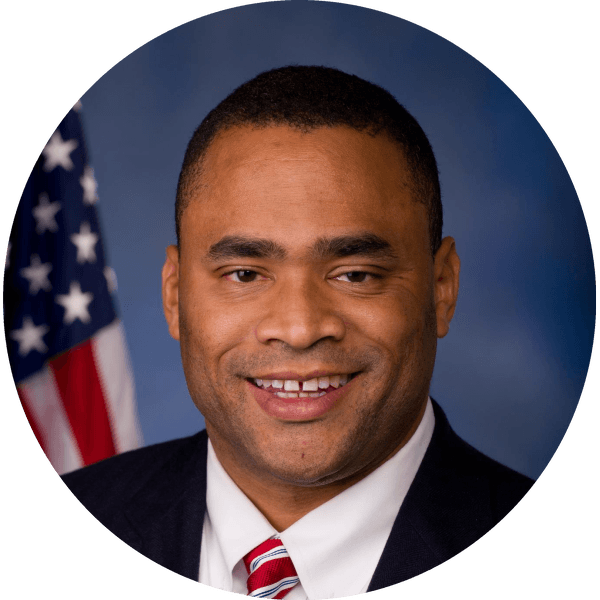
Marc Veasey
Democrat · TX

Eric Burlison
Republican · MO

Diana Harshbarger
Republican · TN

Michael Baumgartner
Republican · WA

Earl Carter
Republican · GA
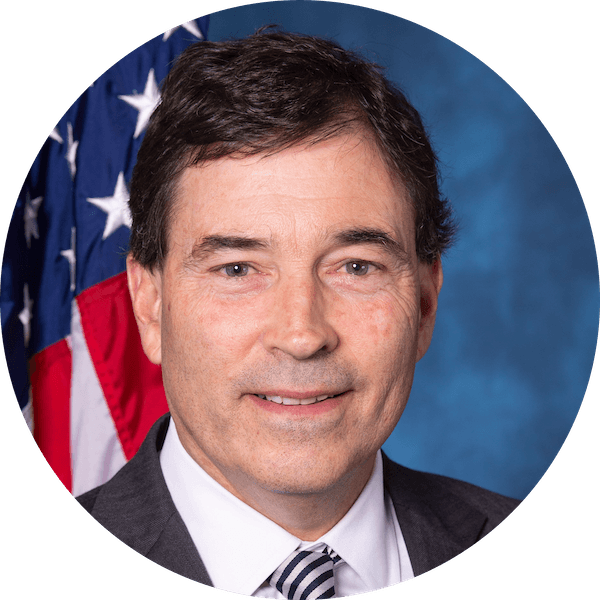
Troy Balderson
Republican · OH

Robert Wittman
Republican · VA

Ken Calvert
Republican · CA

Marie Perez
Democrat · WA

Stephanie Bice
Republican · OK

Pat Harrigan
Republican · NC
Committee Sponsors
Environment and Public Works Committee
0 of 18 committee members cosponsored
No committee members have cosponsored this bill
Energy and Commerce Committee
13 of 54 committee members cosponsored


29 Republicans across these committees haven't cosponsored yet. Mobilize their constituents
H.R. 5549 Quick Facts
- Committee
- Environment and Public Works
- Chamber
- House
- Policy
- Energy
- Introduced
- Sep 23, 2025
Passed the House, received in Senate
Nov 12, 2026
Official Sources
Congress.gov provides the official bill text, legislative actions, sponsors, and current status of the Efficient Nuclear Licensing Hearings Act.
The official House committee report explains the bill's purpose, hearing procedure changes, and legislative consideration.
Title 10, Part 2 of the Code of Federal Regulations contains the NRC's procedural rules for hearings, petitions to intervene, and adjudicatory proceedings.
Title 10, Part 50 contains NRC requirements for nuclear construction permits, operating licenses, and license amendments affected by the bill.
Title 10, Part 52 governs combined licenses and other approvals that H.R. 5549 would allow the NRC to issue without an unrequested hearing.
This NRC resource describes uranium enrichment facilities, whose licensing hearings would become request-based under H.R. 5549.
This NRC page explains public hearing opportunities and participation in agency licensing adjudications.
The official Statutes at Large text contains the Atomic Energy Act of 1954, which H.R. 5549 would amend.
H.R. 5549 Common Questions
Would H.R. 5549 eliminate NRC licensing hearings?
No. The NRC would still hold a hearing when a person whose interest may be affected requests one. Without such a request, the agency could issue covered permits, licenses, or amendments after the required process.
How much notice would the NRC give before proceeding without a hearing?
Generally, 30 days. The NRC would also publish its intent in the Federal Register before issuing a covered approval without a hearing.
Who could request a nuclear licensing hearing under H.R. 5549?
A person whose interest may be affected by the permit, license, amendment, or facility could request one. The bill does not automatically grant a hearing to every member of the public.
Which nuclear approvals could proceed without a hearing?
Construction permits, operating licenses, combined licenses, and amendments could proceed without a hearing when no qualifying request is made.
Could the NRC skip the 30-day notice?
Yes, for certain amendments. The NRC could skip notice and publication when it determines that an amendment involves no significant hazards consideration.
How would H.R. 5549 change uranium enrichment licensing?
A hearing would be required only when someone whose interest may be affected requests one. The bill would also remove the requirement that the hearing be conducted on the record.
What would informal NRC hearing procedures mean?
Every covered hearing would use informal adjudicatory procedures instead of a statutorily required formal format. H.R. 5549 does not spell out a complete new set of hearing rules.
Would H.R. 5549 apply to NRC cases already underway?
Yes. The changes would cover all NRC applications and proceedings pending on or after enactment, including older cases that remain unresolved.
Based on H.R. 5549 bill text
H.R. 5549 Bill Text
“To amend the Atomic Energy Act of 1954 to provide for more efficient hearings on nuclear facility construction applications, and for other purposes.”
Source: U.S. Government Publishing Office
Get notified when H.R. 5549 moves
Committee votes, floor action, cosponsor changes — straight to your inbox.
Bill alerts + Legisletter's monthly briefing. Unsubscribe anytime.
Energy Bills
9 related bills we're tracking
Energy Bills Relief Act





Referred to the Committee on Energy and Commerce, and in addition to the Committees on Agriculture, Ways and Means, Natural Resources, Financial Services, Transportation and Infrastructure, Education and Workforce, Oversight and Government Reform, and Science, Space, and Technology, for a period to be subsequently determined by the Speaker, in each case for consideration of such provisions as fall within the jurisdiction of the committee concerned.
Mar 18, 2026
Energy Choice Act


Placed on the Union Calendar, Calendar No. 412.
Feb 4, 2026
Heating and Cooling Relief Act


Referred to the Committee on Energy and Commerce, and in addition to the Committee on Education and Workforce, for a period to be subsequently determined by the Speaker, in each case for consideration of such provisions as fall within the jurisdiction of the committee concerned.
Mar 31, 2025
Ratepayer Protection Act




Motion to proceed to consideration of measure withdrawn in Senate. (CR S5199)
Sep 30, 2026
Protecting Families from AI Data Center Energy Costs Act


Ordered to be Reported by the Yeas and Nays: 44 - 0.
Jul 21, 2026
Weatherization Enhancement and Readiness Act of 2025



Placed on the Union Calendar, Calendar No. 410.
Feb 4, 2026
Electricity Transmission Scorecard Act



Referred to the House Committee on Energy and Commerce.
Nov 20, 2025
SHIELD Act

Referred to the House Committee on Energy and Commerce.
Jan 14, 2026
Critical Mineral Consistency Act of 2025




Received in the Senate. Read twice. Placed on Senate Legislative Calendar under General Orders. Calendar No. 348.
Mar 4, 2026
Trending Right Now
Bills gaining momentum across Congress
North Platte Canteen Congressional Gold Medal Act



Referred to the House Committee on Financial Services.
Feb 21, 2025
Major Richard Star Act





Received in the Senate and Read twice and referred to the Committee on Armed Services.
Nov 12, 2026
Ensuring Lasting Smiles Act



Referred to the Committee on Energy and Commerce, and in addition to the Committees on Education and Workforce, and Ways and Means, for a period to be subsequently determined by the Speaker, in each case for consideration of such provisions as fall within the jurisdiction of the committee concerned.
May 8, 2025
Tracking Energy in Congress? Monitor bills, track cosponsor momentum, and launch advocacy campaigns — all from one advocacy platform.