H.R. 1355: Weatherization Enhancement and Readiness Act of 2025
Sponsor

Paul Tonko
Democrat · NY-20
Nearly double the budget to weatherize a drafty home
Why it matters
The cap on what the federal weatherization program can spend per home would jump from $6,500 to $12,000 — nearly an 85% increase — while Congress authorizes $1.575 billion to keep the program running through 2030. That means more low-income households could get the full job done instead of a partial fix that stops when the budget runs out.
H.R. 1355 raises the average amount the weatherization program can spend per home from $6,500 to $12,000 — nearly an 85% jump. The extra room matters most for older homes that need bigger repairs before energy-saving upgrades will work.
It also authorizes $1.575 billion over five years: $300 million a year from 2026 through 2028, then $325 million in 2029 and $350 million in 2030. Steady, multi-year funding lets states and local agencies hire crews, line up contractors, and plan past short-term patch jobs.
Finally, the bill tells the Department of Energy to report whether its 'readiness' work — the pre-weatherization repairs that get a home ready for the main program — is actually moving households into full upgrades, or just paying for work that leads nowhere.
Bill Progress
Latest Action · Feb 4, 2026
Placed on House floor schedule, Calendar No. 410.
H.R. 1355 Bill Summary
What H.R. 1355 actually does.
Nearly double the spending per home
The average spending limit rises from $6,500 to $12,000 per home, giving weatherization providers $5,500 more to work with on a typical job.
Five years of locked-in funding
H.R. 1355 authorizes $300 million a year for 2026 through 2028, then $325 million for 2029 and $350 million for 2030 — $1.575 billion in all.
Readiness work has to show results
The Department of Energy would have to report whether its enhancement and innovation readiness efforts are actually helping homes become eligible for the weatherization program.
Who benefits from H.R. 1355?
Low-income households in older homes
When a home needs more than basic insulation or sealing, the higher cap could let a local provider take on the full job instead of stopping at a cheaper partial fix.
State and local weatherization agencies
Agencies would get a clearer five-year funding path — $1.575 billion in total — which helps with staffing, contractor planning, and larger project pipelines.
Contractors and crews doing energy upgrades
A higher per-home ceiling and multi-year funding could mean a steadier stream of projects, especially for homes that need more labor-intensive work.
Who is affected by H.R. 1355?
Households waiting on weatherization approval
Some homes that were too expensive to fully treat under the old cap could become workable under the new $12,000 average limit.
Department of Energy
DOE would have to expand its annual report to show whether pre-weatherization readiness efforts are actually helping homes qualify for the main program.
Annual appropriators in Congress
Lawmakers would still decide each year whether to provide the authorized amounts, so the full funding path is not automatic.
Cost & Funding
Authorization
$1.575 billion authorized over five years, plus a higher per-home spending cap.
- The bill authorizes $300 million for each of fiscal years 2026, 2027, and 2028, then $325 million for 2029 and $350 million for 2030.
- That totals $1.575 billion from 2026 through 2030.
- The average per-home cap rises by $5,500, from $6,500 to $12,000.
- Because the cap increase is nearly 85%, local programs could take on homes that need deeper repairs before efficiency upgrades can happen.
- Authorization is not the same as an appropriation, so Congress would still need to fund the program each year.
HR1355 Legislative Journey
House: Committee Action
Feb 4, 2026
Reported (Amended) by the Committee on Energy and Commerce. H. Rept. 119-480.
House: Vote: 50-0
Dec 3, 2025
Ordered to be Reported (Amended) by the Yeas and Nays: 50 - 0.
House: Vote Held
Nov 19, 2025
Forwarded by Subcommittee to Full Committee by Voice Vote.
House: Committee Action
Feb 13, 2025
Referred to the Subcommittee on Energy.
About the Sponsor
Paul Tonko
Democrat, New York's 20th congressional district · 17 years in Congress
Committees: Energy and Commerce, the Budget
View full profile →
Cosponsors (21)
This bill has 21 cosponsors: 17 Democrats, 4 Republicans, reflecting bipartisan support. Cosponsors represent 13 states: California, Florida, Georgia, and 10 more.

Marcy Kaptur
Democrat · OH

Josh Riley
Democrat · NY

James Moylan
Republican · GU

Michael Lawler
Republican · NY

Kevin Mullin
Democrat · CA

Brian Fitzpatrick
Republican · PA

Zachary Nunn
Republican · IA
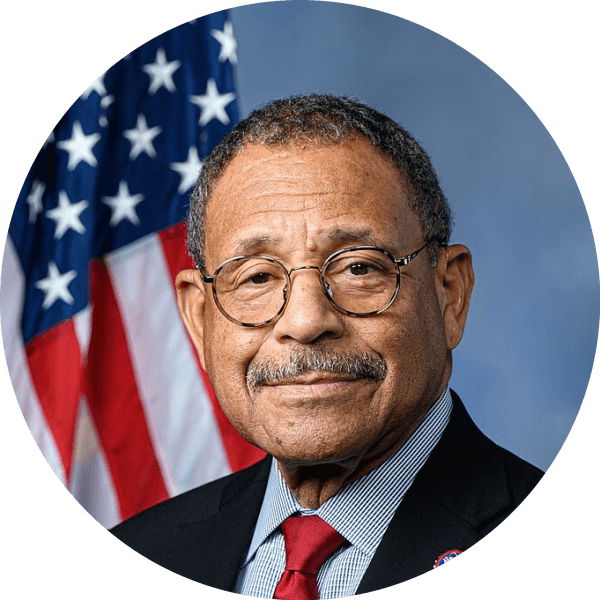
Sanford Bishop
Democrat · GA

Kathy Castor
Democrat · FL

Maggie Goodlander
Democrat · NH

J. Correa
Democrat · CA
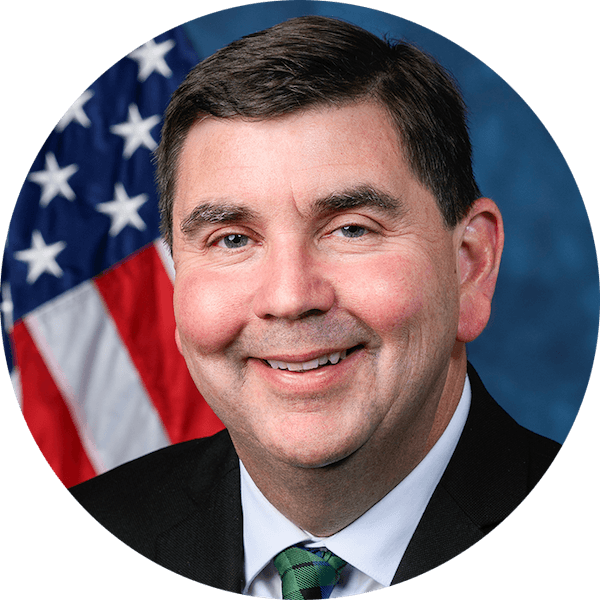
John Mannion
Democrat · NY
Committee Sponsors
Energy and Commerce Committee
3 of 54 committee members cosponsored


21 Democrats across this committee haven't cosponsored yet. Mobilize their constituents
What laws does H.R. 1355 change?
1 changes
Sections Amended
Section 422 of Energy Conservation and Production Act (42 U.S.C. 6872)
striking paragraphs (1) and (2) and inserting the following: ``(1) $300,000,000 for each of fiscal years 2026 through 2028; ``(2) $325,000,000 for fiscal year 2029; and ``(3) $350,000,000 for fiscal year 2030
H.R. 1355 Quick Facts
- Committee
- Energy and Commerce
- Chamber
- House
- Policy
- Energy
- Introduced
- Feb 13, 2025
Placed on House floor schedule, Calendar No. 410.
Feb 4, 2026
Official Sources
Official bill page with text, actions, sponsors, and status for the Weatherization Enhancement and Readiness Act of 2025.
Department of Energy program page for the Weatherization Assistance Program that H.R. 1355 reauthorizes and modifies.
Official U.S. Code page containing the weatherization average-cost provision amended by H.R. 1355 from $6,500 to $12,000.
Official U.S. Code page for the Weatherization Assistance Program authorization section that the bill updates through fiscal year 2030.
Official U.S. Code page for the weatherization readiness and innovation section that H.R. 1355 amends to require additional DOE reporting.
H.R. 1355 Common Questions
What does H.R. 1355 do?
H.R. 1355 nearly doubles what the federal weatherization program can spend per home — from $6,500 to $12,000 — and authorizes $1.575 billion to fund it through 2030. It also makes the Energy Department report on whether 'readiness' repairs help homes qualify.
How much could be spent to weatherize one home under H.R. 1355?
An average of $5,500 more. The per-home cap would rise from $6,500 to $12,000 — close to an 85% increase — giving crews room to finish older homes that need bigger repairs first.
How much funding does H.R. 1355 authorize?
$1.575 billion over five years: $300 million a year from 2026 through 2028, then $325 million in 2029 and $350 million in 2030.
What is the Weatherization Assistance Program?
It's a federal program run by the Department of Energy that pays for energy-efficiency upgrades — insulation, air sealing, and similar work — in low-income homes, cutting both energy waste and utility bills. H.R. 1355 reauthorizes and expands it.
Does H.R. 1355 guarantee the money gets spent?
No. The bill authorizes the funding, but Congress would still have to approve the actual dollars in its annual spending bills. Authorization sets a ceiling; it doesn't release the money.
What new reporting does H.R. 1355 require?
The Energy Department would have to tell Congress whether its 'readiness' work — pre-weatherization repairs that get a home eligible — is actually moving households into the full program.
Who would benefit from H.R. 1355?
Low-income households in older homes stand to gain the most, especially when a house needs major repairs before insulation or sealing can pay off. State agencies and the crews they hire would also get steadier, multi-year funding.
Based on H.R. 1355 bill text
H.R. 1355 Bill Text
“To amend the Energy Conservation and Production Act to reauthorize the Weatherization Assistance Program, direct the Secretary of Energy to establish a weatherization readiness program, and for other purposes.”
Source: U.S. Government Publishing Office
Get notified when H.R. 1355 moves
Committee votes, floor action, cosponsor changes — straight to your inbox.
Bill alerts + Legisletter's monthly briefing. Unsubscribe anytime.
Energy Bills
9 related bills we're tracking
Energy Bills Relief Act





Referred to the Committee on Energy and Commerce, and in addition to the Committees on Agriculture, Ways and Means, Natural Resources, Financial Services, Transportation and Infrastructure, Education and Workforce, Oversight and Government Reform, and Science, Space, and Technology, for a period to be subsequently determined by the Speaker, in each case for consideration of such provisions as fall within the jurisdiction of the committee concerned.
Mar 18, 2026
Energy Choice Act





Placed on the Union Calendar, Calendar No. 412.
Feb 4, 2026
Heating and Cooling Relief Act



Referred to the Committee on Energy and Commerce, and in addition to the Committee on Education and Workforce, for a period to be subsequently determined by the Speaker, in each case for consideration of such provisions as fall within the jurisdiction of the committee concerned.
Mar 31, 2025
Protecting Families from AI Data Center Energy Costs Act



Ordered to be Reported by the Yeas and Nays: 44 - 0.
Jul 21, 2026
Electricity Transmission Scorecard Act



Referred to the House Committee on Energy and Commerce.
Nov 20, 2025
SHIELD Act

Referred to the House Committee on Energy and Commerce.
Jan 14, 2026
Critical Mineral Consistency Act of 2025





Received in the Senate. Read twice. Placed on Senate Legislative Calendar under General Orders. Calendar No. 348.
Mar 4, 2026
Critical Mineral Consistency Act of 2025




Placed on Senate Legislative Calendar under General Orders. Calendar No. 335.
Feb 11, 2026
Homeowner Energy Freedom Act



Received in the Senate and Read twice and referred to the Committee on Energy and Natural Resources.
Feb 25, 2026
Trending Right Now
Bills gaining momentum across Congress
ASAP Act




Ordered to be Reported in the Nature of a Substitute by the Yeas and Nays: 40 - 0.
Sep 16, 2026
Fit to Serve Act





Referred to the House Committee on Armed Services.
May 21, 2025
America’s Olympic and Paralympic Games Commemorative Coins Act





Referred to the House Committee on Financial Services.
Jul 14, 2025
Tracking Energy in Congress? Monitor bills, track cosponsor momentum, and launch advocacy campaigns — all from one advocacy platform.