H.R. 6529: Protecting Families from AI Data Center Energy Costs Act
Sponsor
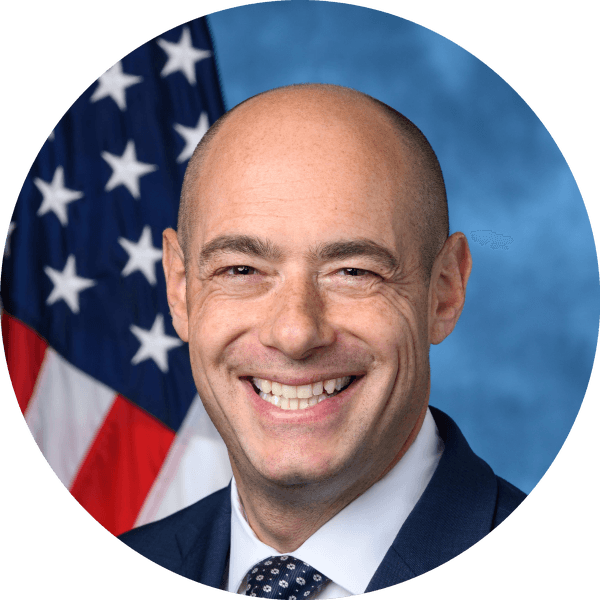
Greg Landsman
Democrat · OH-1
Who pays for AI's power — you or the data centers?
Why it matters
AI data centers are some of the largest new power users ever connected to the grid, and the cost of feeding them gets built into rates. This bill orders federal regulators to convene everyone within 90 days and figure out how to keep households and small businesses from absorbing those costs, then report back to Congress within 180 days.
H.R. 6529, the Protecting Families from AI Data Center Energy Costs Act, is a short oversight bill aimed at one worry: that the surge in electricity demand from AI data centers could push grid costs onto ordinary customers.
The bill's one real instruction is a deadline. Within 90 days of becoming law, the Federal Energy Regulatory Commission would have to hold a Commissioner-led technical conference. That conference has to bring everyone to the table — the Department of Energy, utilities, transmission providers, state regulators, ratepayer advocates, and the large power users themselves, with AI data centers named specifically.
The topic is narrow and pointed: strategies and rate structures for keeping residential and small commercial customers from eating the costs that large new loads create.
What the bill does not do is just as important. It sets no fee, caps no data center's power use, names no dollar limit, and orders no utility to change a single rate. It creates a federal process and a paper trail, nothing more. After the conference wraps, FERC has 180 days to send a report with recommendations and best practices to the House Energy and Commerce Committee and the Senate Energy and Natural Resources Committee.
This is an early-stage measure. It signals that lawmakers are worried about who bears the cost of the AI buildout, but it leaves the actual fix to whatever the conference and report recommend down the line.
Bill Progress
Latest Action · Jul 21, 2026
Committee approved bill for floor consideration by the Yeas and Nays: 44 - 0.
H.R. 6529 Bill Summary
What H.R. 6529 actually does.
FERC must convene everyone within 90 days
The bill requires the Federal Energy Regulatory Commission to hold a Commissioner-led technical conference no later than 90 days after the bill becomes law.
AI data centers are named as the issue
The required participants include large power users, and the bill specifically names data centers used for artificial intelligence models as part of that group.
Households and small businesses are the focus
The conference must discuss strategies and rate structures for protecting residential and small commercial customers from increased costs tied to large new loads.
Ratepayer advocates get a seat at the table
FERC must include the Department of Energy, utilities, transmission providers, state regulators, ratepayer advocates, and the large loads themselves, plus any other participants it considers appropriate.
A report to Congress within 180 days
Within 180 days of the conference concluding, FERC must send a report with recommendations and best practices to the House Energy and Commerce Committee and the Senate Energy and Natural Resources Committee.
Who benefits from H.R. 6529?
Households on the grid
The bill is aimed squarely at residential customers — the families whose monthly electric bills could rise if the cost of serving AI data centers gets spread across everyone.
Small businesses
Small commercial customers are named alongside households as the group the conference is meant to protect from cost increases tied to large new power users.
Ratepayer advocates
Consumer and ratepayer advocates are guaranteed a seat at the FERC conference, giving them a direct voice in the recommendations before they reach Congress.
State regulators
State utility regulators are required participants in a federal forum, a setting where they can coordinate with FERC on how to assign the costs of large loads.
Who is affected by H.R. 6529?
Federal Energy Regulatory Commission
FERC carries the workload: it must organize and lead the conference within 90 days and produce a report within 180 days of the conference ending.
AI data center operators
Operators of AI data centers are named as large loads and are expected at the table for a discussion about whether they should cover more of the grid costs they create.
Utilities and transmission providers
Utilities and transmission providers must take part and may face questions about their existing rate structures and how they assign costs linked to large loads.
Department of Energy
DOE is a required participant, meaning it will contribute expertise on power demand, grid planning, and the effect of large new electricity users.
HR6529 Legislative Journey
House: Vote: 44-0
Jul 21, 2026
Ordered to be Reported by the Yeas and Nays: 44 - 0.
House: Committee Action
Jul 20, 2026
Committee Consideration and Mark-up Session Held
House: Vote Held
Jun 24, 2026
Forwarded by Subcommittee to Full Committee (Amended) by Voice Vote.
House: Committee Action
Dec 9, 2025
Referred to the House Committee on Energy and Commerce.
About the Sponsor
Greg Landsman
Democrat, Ohio's 1st congressional district · 3 years in Congress
Committees: Energy and Commerce
View full profile →
Cosponsors (24)
This bill has 24 cosponsors: 23 Democrats, 1 Republican. Cosponsors represent 15 states: California, Connecticut, District of Columbia, and 12 more.
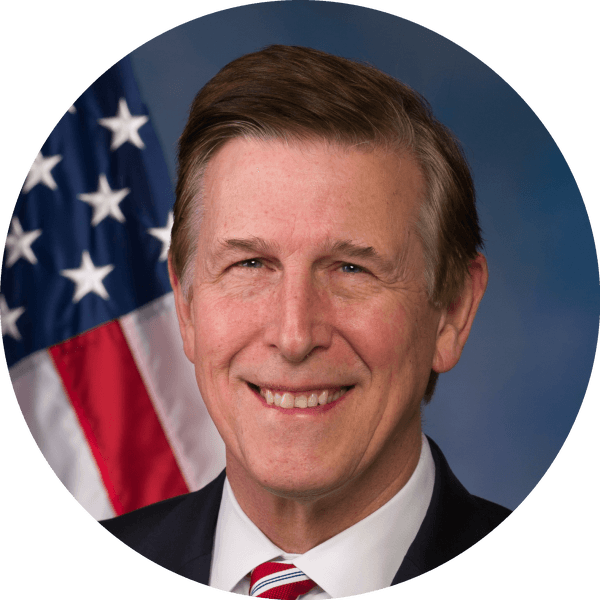
Donald Beyer
Democrat · VA

Eleanor Norton
Democrat · DC
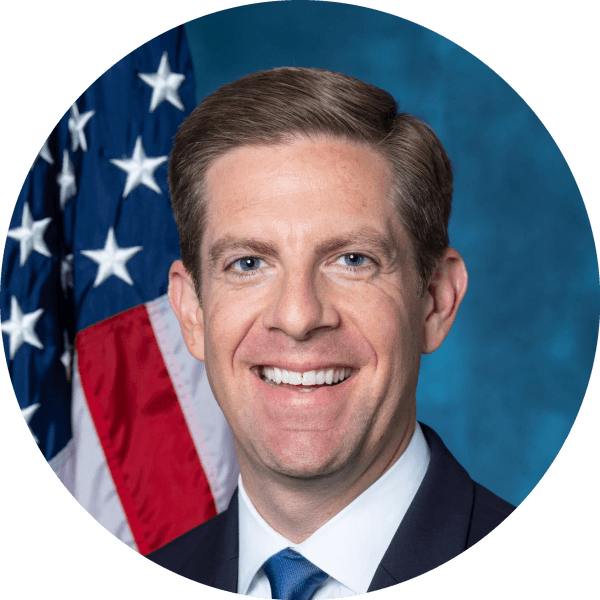
Mike Levin
Democrat · CA
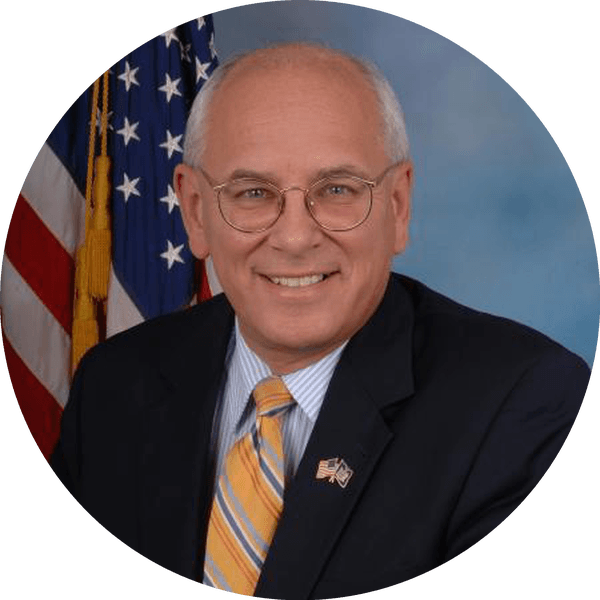
Paul Tonko
Democrat · NY
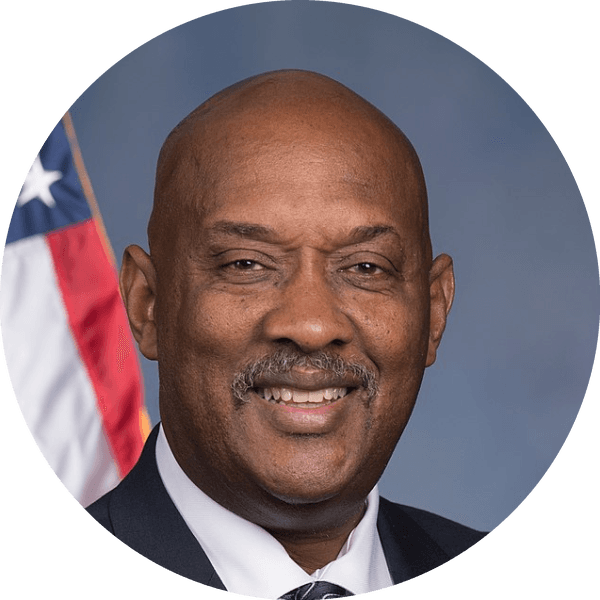
Dwight Evans
Democrat · PA

Mike Quigley
Democrat · IL

Shri Thanedar
Democrat · MI

Steve Cohen
Democrat · TN

Christopher Deluzio
Democrat · PA
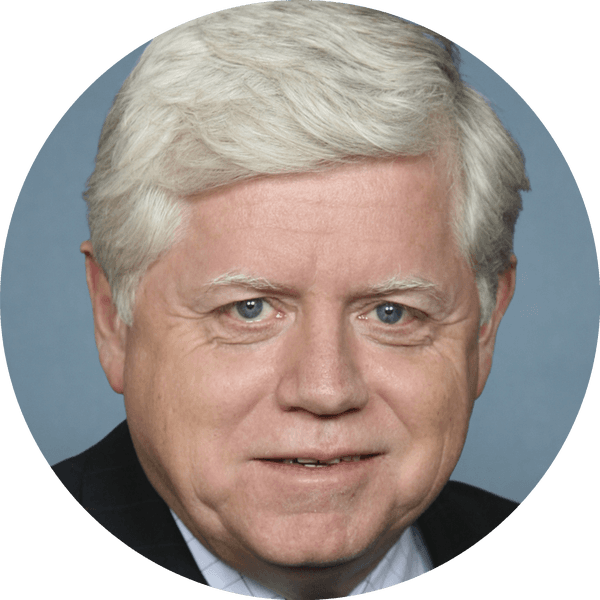
John Larson
Democrat · CT
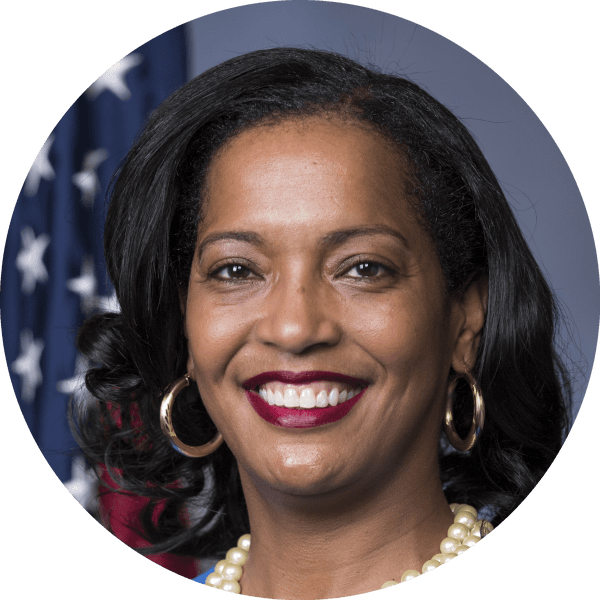
Jahana Hayes
Democrat · CT
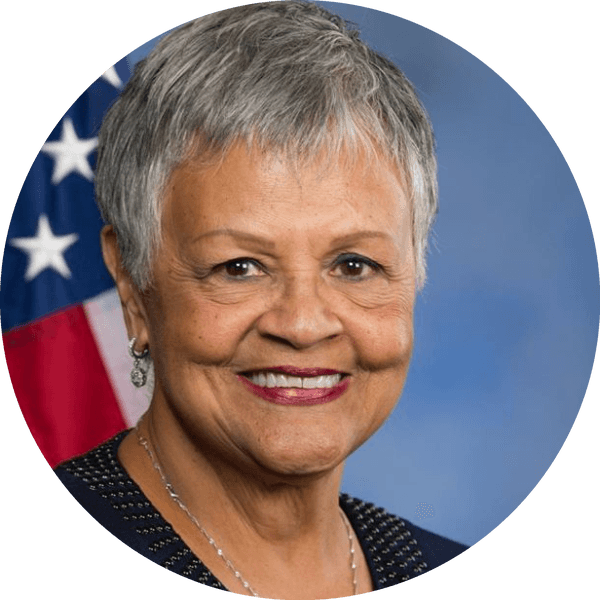
Bonnie Watson Coleman
Democrat · NJ
Committee Sponsors
Energy and Commerce Committee
3 of 54 committee members cosponsored


22 Democrats across this committee haven't cosponsored yet. Mobilize their constituents
H.R. 6529 Quick Facts
- Committee
- Energy and Commerce
- Chamber
- House
- Policy
- Energy
- Introduced
- Dec 9, 2025
Committee approved bill for floor consideration by the Yeas and Nays: 44 - 0.
Jul 21, 2026
Official Sources
The official bill page with the full text, sponsors, cosponsors, and the latest committee action.
DOE's review of how to allocate electricity system costs to large loads without unfairly shifting them onto other customers — the exact question the bill's conference must tackle.
DOE's central guide to tools for managing rising electricity demand while protecting affordability and reliability.
The federal report documenting how fast data center load is growing — the trend driving the cost concern at the heart of this bill.
EIA's data on how much commercial-sector electricity data center servers consume now and through 2050, the demand surge regulators would weigh.
H.R. 6529 Common Questions
Does H.R. 6529 actually lower my electric bill?
No. The bill doesn't cap rates, set a fee, or limit any data center's power use. It orders FERC to study how to protect households and small businesses from those costs and report back. Any real change would come later.
Why does the bill single out AI data centers?
AI data centers are among the largest new power users on the grid, and serving them can drive up the cost of generation and transmission. The bill names them specifically as the kind of large load it wants regulators to examine.
How soon would FERC have to act?
Within 90 days of the bill becoming law, FERC would have to hold a Commissioner-led technical conference on the costs that large new power users push onto residential and small commercial customers.
When would Congress get the results?
FERC would have 180 days after the conference ends to send a report with recommendations and best practices to the House Energy and Commerce Committee and the Senate Energy and Natural Resources Committee.
Who has to be in the room for the FERC conference?
The Department of Energy, public utilities, transmission providers, state regulators, ratepayer advocates, and the large power users themselves, including AI data centers. FERC can also invite anyone else it thinks belongs there.
Does the bill protect small businesses too, or just households?
Both. The conference must look at strategies and rate structures for protecting residential and small commercial customers from increased costs tied to large loads.
What's the status of H.R. 6529?
The bill was introduced on December 9, 2025 and referred to the House Energy and Commerce Committee. It has 15 cosponsors and has not yet received a committee vote.
Based on H.R. 6529 bill text
H.R. 6529 Bill Text
“To require the Federal Energy Regulatory Commission to hold a technical conference on protecting residential ratepayers from increased costs associated with large loads, and for other purposes.”
Source: U.S. Government Publishing Office
Get notified when H.R. 6529 moves
Committee votes, floor action, cosponsor changes — straight to your inbox.
Bill alerts + Legisletter's monthly briefing. Unsubscribe anytime.
Energy Bills
9 related bills we're tracking
Energy Bills Relief Act

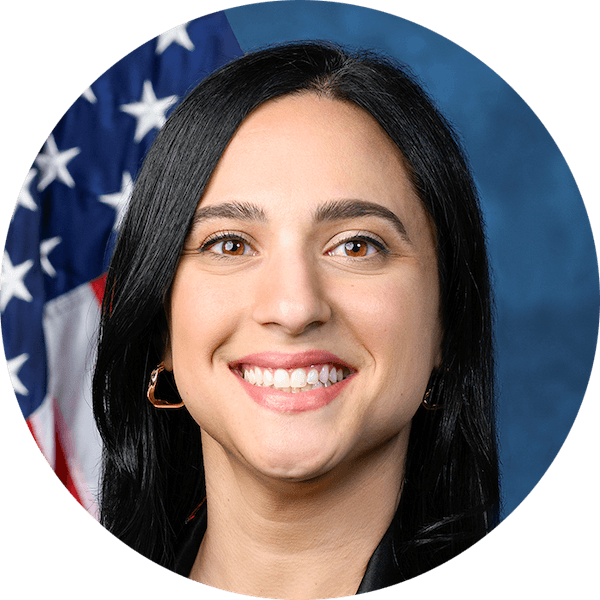
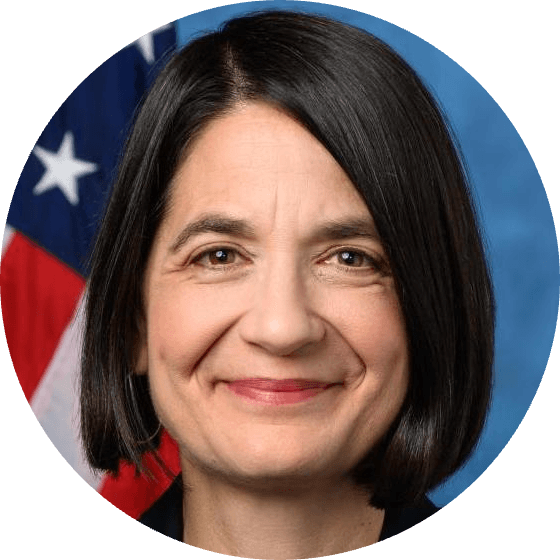

Referred to the Committee on Energy and Commerce, and in addition to the Committees on Agriculture, Ways and Means, Natural Resources, Financial Services, Transportation and Infrastructure, Education and Workforce, Oversight and Government Reform, and Science, Space, and Technology, for a period to be subsequently determined by the Speaker, in each case for consideration of such provisions as fall within the jurisdiction of the committee concerned.
Mar 18, 2026
Energy Choice Act
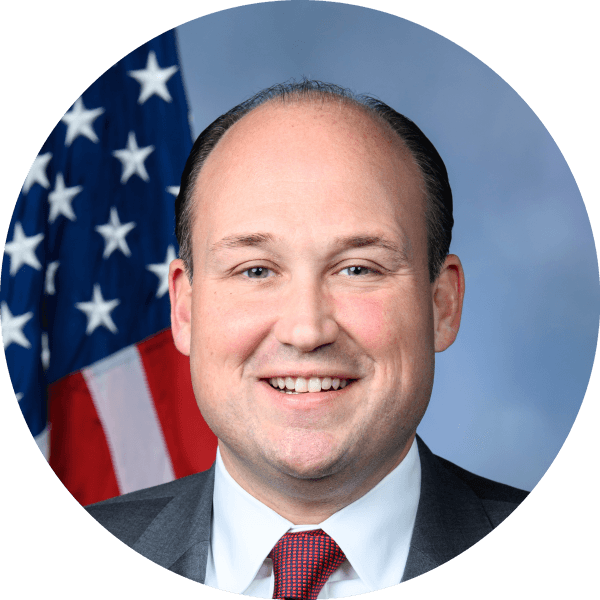
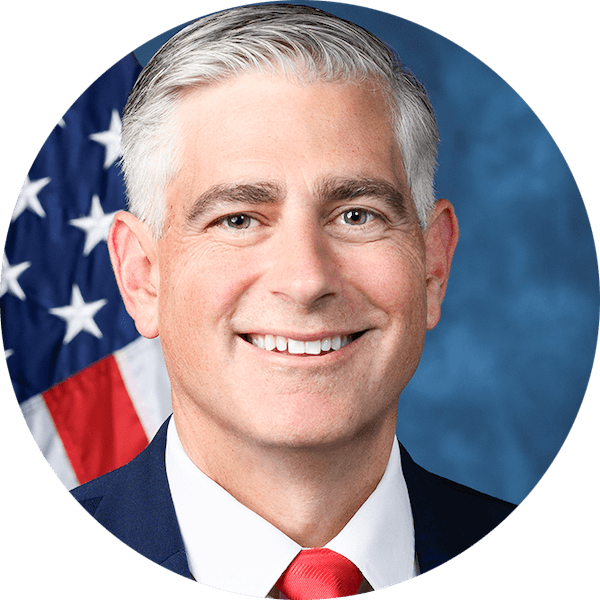

Placed on the Union Calendar, Calendar No. 412.
Feb 4, 2026
Heating and Cooling Relief Act

Referred to the Committee on Energy and Commerce, and in addition to the Committee on Education and Workforce, for a period to be subsequently determined by the Speaker, in each case for consideration of such provisions as fall within the jurisdiction of the committee concerned.
Mar 31, 2025
Weatherization Enhancement and Readiness Act of 2025


Placed on the Union Calendar, Calendar No. 410.
Feb 4, 2026
Electricity Transmission Scorecard Act


Referred to the House Committee on Energy and Commerce.
Nov 20, 2025
SHIELD Act


Referred to the House Committee on Energy and Commerce.
Jan 14, 2026
Critical Mineral Consistency Act of 2025




Received in the Senate. Read twice. Placed on Senate Legislative Calendar under General Orders. Calendar No. 348.
Mar 4, 2026
Critical Mineral Consistency Act of 2025


Placed on Senate Legislative Calendar under General Orders. Calendar No. 335.
Feb 11, 2026
Homeowner Energy Freedom Act

Received in the Senate and Read twice and referred to the Committee on Energy and Natural Resources.
Feb 25, 2026
Trending Right Now
Bills gaining momentum across Congress
North Platte Canteen Congressional Gold Medal Act



Referred to the House Committee on Financial Services.
Feb 21, 2025
Fit to Serve Act


Referred to the House Committee on Armed Services.
May 21, 2025
ASAP Act



Ordered to be Reported in the Nature of a Substitute by the Yeas and Nays: 40 - 0.
Sep 16, 2026
Tracking Energy in Congress? Monitor bills, track cosponsor momentum, and launch advocacy campaigns — all from one advocacy platform.