H.R. 5334: Lindsey O. Graham Sanctioning Russia and Iran Act of 2026
Sponsor
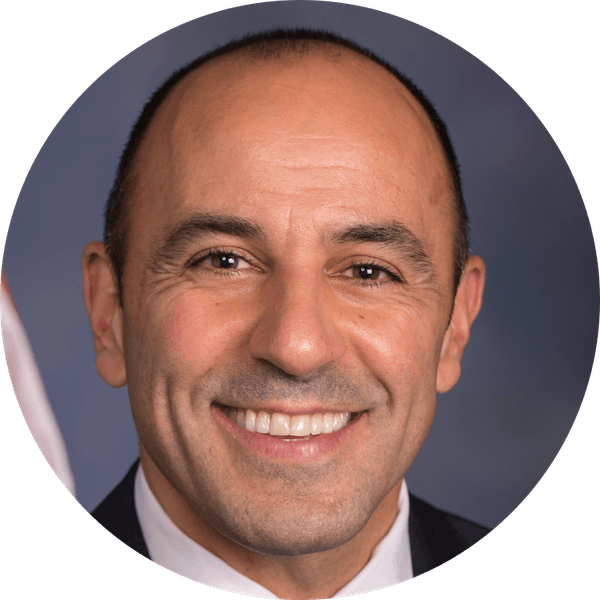
Jimmy Panetta
Democrat · CA-19
Russia's top oil buyers now face up to 100% U.S. tariffs
Why it matters
Up to 500% duties on everything imported from Russia, and up to 100% on every good from the countries buying the most Russian oil and gas. H.R. 5334, signed September 18, 2026 as Public Law 119-111, also bars new U.S. investment in Russia, forces sanctions on its biggest state banks, extends Iran sanctions to 2031, and lets preschool and childcare teachers take the educator expense deduction.
H.R. 5334 is two laws in one bill. Division A is the Lindsey O. Graham Sanctioning Russia and Iran Act of 2026, named in the enacted text for the late senator who championed it. Division B is the SEED Act, the preschool teacher tax break the bill carried when Rep. Jimmy Panetta introduced it in September 2025.
The House passed the SEED Act alone by voice vote in April 2026. The Senate replaced the text with the Russia package, added the teacher deduction back as its own division, and passed it 86-11 on August 7. The House agreed 262-159 on September 16, and the President signed it two days later.
Within 30 days, the President must raise the tariff on every good imported from Russia to as much as 500%, and on every good from the top buyers of Russian oil or gas to as much as 100%. The second list is the one with reach. It covers the five largest importers of Russian crude or natural gas over the prior 12 months that keep making new purchases, plus the five countries that most helped Russia dodge oil sanctions. The Trade Representative must recheck the list every 180 days.
Put a number on it: a $1,000 shipment from a covered country could carry up to $1,000 in new duty, before any tariff already in effect. The law gives the President room below that ceiling, and a narrow exception for countries whose Russian gas purchases were under 15% of Russia's exports and are falling.
The financial side is just as broad. Sberbank, VTB, Gazprombank and every other state-owned Russian bank get full blocking sanctions, and foreign banks that do significant business with them can be sanctioned too. Americans are barred from new investment in Russia, from buying Russian government debt, and from exporting U.S. energy there. The SEC must pull Russian state-linked securities off U.S. exchanges. Tankers in Russia's so-called shadow fleet, and the people who insure and captain them, become sanctions targets.
The President can waive any sanction or tariff with a written national-interest certification, but lifting them for Russia outright requires a peace agreement accepted by Ukraine, and Congress gets 30 days to block it. Food, medicine, medical devices and humanitarian aid are exempt. Most of Division A expires after five years.
Division B is short. Early childhood teachers at a preschool or childcare facility serving more than 2 children under 6 who don't live there can now claim the same above-the-line educator deduction K-12 teachers use, starting with 2026 tax years. The facility can be public, fee-based, grant-funded or for-profit.
Bill Progress
Latest Action · Sep 18, 2026
Became Public Law No: 119-111.
H.R. 5334 Bill Summary
What H.R. 5334 actually does.
Countries buying Russian oil and gas face up to 100% tariffs
The five largest importers of Russian crude or natural gas that keep making new purchases, plus the five countries that most helped Russia evade oil sanctions, face duties up to 100% on all their goods. The list is re-determined every 180 days.
Russian imports face duties up to 500%
Every good imported from Russia, including oil, gas, coal and petroleum products, faces a duty of up to 500%, stacked on top of existing tariffs.
Russia's state banks are cut off
Sberbank, VTB, Gazprombank and other state-owned Russian banks face full blocking sanctions, and Americans are barred from doing business with them. The central bank faces at least two sanctions. Foreign banks doing significant business with them can be sanctioned.
Americans can't invest in Russia or buy its debt
New U.S. investment in Russia, purchases of Russian sovereign debt, and exports of U.S. energy to Russia are prohibited. The SEC must bar Russian state-linked securities from U.S. exchanges.
Putin, senior officials and shadow-fleet tankers are targeted
The Russian president, prime minister, defense and energy ministers and top military commanders face visa bans and asset freezes, along with oligarchs, arms suppliers, and tankers moving Russian oil to evade sanctions.
Lifting sanctions takes a Ukraine peace deal
The President can waive individual measures with a national-interest certification. Ending sanctions on Russia requires certifying a peace agreement accepted by Ukraine, followed by a 30-day window for Congress to disapprove.
Iran sanctions extended to 2031
The Iran Sanctions Act of 1996, which targets investment in Iran's energy sector and weapons programs, was set to expire in 2026. It now runs through 2031.
Preschool and childcare teachers get the educator deduction
Teachers of children under 6 at a facility serving more than 2 nonresident children can deduct out-of-pocket classroom costs, starting with 2026 tax years. For-profit and home-based programs can qualify.
Who benefits from H.R. 5334?
Ukraine
The law's termination rule ties sanctions relief for Russia to a peace agreement Ukraine itself accepts, and it targets anyone who undermines Ukraine's military, infrastructure or government.
Preschool and childcare teachers
Educators who buy books, art supplies and learning materials for kids under 6 can now write them off like K-12 teachers do. The IRS lists the current cap at $300 per educator; at a 12% tax rate, a full $300 claim saves about $36.
Home-based childcare providers with 3 or more kids
A family childcare program qualifies if it cares for more than 2 children under 6 who don't live there and is paid or funded for that care, even if it runs for profit.
Domestic energy and uranium producers
The law shuts off U.S. energy exports to Russia, orders full implementation of the existing ban on Russian uranium imports, and sanctions Rosatom's leadership, reducing competition from Russian supply in U.S. markets.
Who is affected by H.R. 5334?
U.S. importers sourcing from covered countries
Businesses buying goods from any country on the Russian oil and gas list could face up to a 100% added duty, on top of existing tariffs. Importers pay the duty at the border, and costs can pass to consumers.
Foreign banks, insurers and shipowners
Institutions that do significant business with sanctioned Russian banks, and firms that own, insure or crew shadow-fleet tankers, risk U.S. asset freezes and loss of access to the U.S. financial system.
U.S. investors and financial firms
New investment in Russia and purchases of Russian government debt are banned, U.S. banks and brokers cannot process transfers to or from the Russian government, and Russian state-linked securities come off U.S. exchanges.
Russian officials and oligarchs
Senior Russian officials, military commanders, and oligarchs who have not opposed the war on Ukraine face asset freezes and visa bans.
The IRS and tax preparers
Forms and guidance need updating so early childhood teachers know they qualify, and preparers will need to apply the under-6 and more-than-2-children tests.
What Congress Is Saying
H.R. 5334 has come up 26 times in the Congressional Record so far.
H.R. 5334 also appeared in 1 more House floor reference, 3 more Senate floor references, and 12 routine cosponsor filings.
HR5334 Legislative Journey
Signed into Law
Sep 18, 2026
Became Public Law No: 119-111.
+3 more actions this day
Action Taken
Sep 17, 2026
Presented to President.
House: Vote: 262-159
Sep 16, 2026
On motion that the House agree to the Senate amendments Agreed to by the Yeas and Nays: 262 - 159 (Roll no. 308).
Action Taken
Aug 10, 2026
Message on Senate action sent to the House.
Passed 86-11
Aug 7, 2026
Passed Senate with an amendment and an amendment to the Title by Yea-Nay Vote. 86 - 11. Record Vote Number: 224.
+2 more actions this day
Floor Action
Jul 29, 2026
Motion to proceed to measure considered in Senate. (CR S4301)
Action Taken
Jul 28, 2026
Cloture on the motion to proceed to the measure invoked in Senate by Yea-Nay Vote. 86 - 12. Record Vote Number: 212. (CR S4292)
Action Taken
Jul 23, 2026
Cloture motion on the motion to proceed to the measure presented in Senate. (CR S4253)
Action Taken
Jul 14, 2026
Read the second time. Placed on Senate Legislative Calendar under General Orders. Calendar No. 454.
Action Taken
Jul 13, 2026
Read the first time. Placed on Senate Legislative Calendar under Read the First Time.
Sent to Senate
Apr 28, 2026
Received in the Senate.
House: Vote: 3111-3112
Apr 27, 2026
On motion to suspend the rules and pass the bill, as amended Agreed to by voice vote. (text: CR H3111-3112)
House: Committee Action
Apr 9, 2026
Reported (Amended) by the Committee on Ways and Means. H. Rept. 119-600.
House: Vote: 43-0
Mar 25, 2026
Ordered to be Reported in the Nature of a Substitute by the Yeas and Nays: 43 - 0.
House: Committee Action
Sep 11, 2025
Referred to the House Committee on Ways and Means.
About the Sponsor
Jimmy Panetta
Democrat, California's 19th congressional district · 9 years in Congress
Committees: the Budget, Ways and Means
View full profile →
Cosponsors at time of passage (23)
This bill has 23 cosponsors: 18 Democrats, 5 Republicans, reflecting bipartisan support. Cosponsors represent 15 states: California, Colorado, Hawaii, and 12 more.
Brian Fitzpatrick
Republican · PA

Maggie Goodlander
Democrat · NH

David Valadao
Republican · CA
Danny Davis
Democrat · IL
Kevin Mullin
Democrat · CA
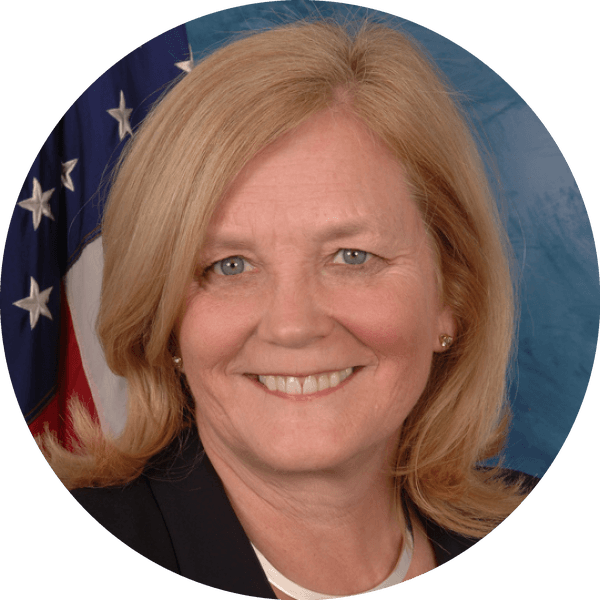
Chellie Pingree
Democrat · ME

Troy Carter
Democrat · LA

Angie Craig
Democrat · MN

Chris Pappas
Democrat · NH

Joe Neguse
Democrat · CO

Michael Lawler
Republican · NY

Eric Sorensen
Democrat · IL
Committee Sponsors
Ways and Means Committee
3 of 45 committee members cosponsored at the time


What laws does H.R. 5334 change?
1 changes
Sections Amended
Section 13(b) of Iran Sanctions Act of 1996 (Public Law 104- 172; 50 U.S.C. 1701 note)
striking ``2026'' and inserting ``2031''
H.R. 5334 Quick Facts
- Committee
- Ways and Means
- Chamber
- House
- Policy
- International Affairs
- Introduced
- Sep 11, 2025
Became Public Law No: 119-111.
Sep 18, 2026
Official Sources
Official congressional record of H.R. 5334, including the enacted text, votes, actions and sponsors.
The text of the law as passed by both chambers and sent to the President, with Division A on Russia and Iran and Division B on the educator deduction.
Treasury's Office of Foreign Assets Control administers the Russia sanctions programs that the law's bank, investment and shadow-fleet sanctions build on.
OFAC's Iran program page lists the Iran Sanctions Act of 1996, which this law extends through 2031.
The Energy Department's guidance on the existing ban on Russian uranium imports, which the law orders fully implemented.
IRS overview of the educator expense deduction that Division B extends to preschool and childcare teachers, including the current $300 cap.
Section 62 of the Internal Revenue Code, the statute Division B amends to add early childhood educators.
About Legisletter
Legisletter is the advocacy platform that tracks every bill from introduction to Public Law — and connects the constituents affected by a bill to the legislators who vote on it.
H.R. 5334 Common Questions
Is H.R. 5334 law?
Yes. The President signed H.R. 5334 on September 18, 2026, as Public Law 119-111. The Senate passed it 86-11 and the House agreed 262-159. It combines a Russia and Iran sanctions package with a tax deduction for early childhood teachers.
Which countries face the 100% tariff?
The law doesn't name them. It covers the five largest importers of Russian crude or natural gas over the prior 12 months that keep buying, plus the five countries that most helped Russia evade oil sanctions. The Trade Representative reviews the list every 180 days.
Will these tariffs raise prices on things I buy?
They could. The duties, up to 100% on goods from covered countries and up to 500% on Russian goods, are paid by U.S. importers on top of existing tariffs. How much reaches shelves depends on which countries are named, the rates set, and any waivers.
Can the President lift the Russia sanctions?
Two ways. The President can waive a specific sanction or duty by certifying to Congress it's in the national interest. Ending sanctions on Russia requires certifying a peace agreement accepted by Ukraine, then a 30-day window in which Congress can pass a resolution blocking it.
Can Americans still invest in Russia?
Not in anything new. Starting 30 days after enactment, new investment in Russia by U.S. persons is banned, along with exports of U.S. energy to Russia. Buying Russian government debt was banned immediately, and Russian state-linked securities must come off U.S. exchanges.
Does the law block food or medicine going to Russia?
No. Agricultural goods, food, medicine, medical devices and humanitarian aid are exempt, as are transactions needed to deliver them. Food and medicine deals with Ukraine are also protected unless the President finds they're being used to evade sanctions.
Why is a preschool teacher tax break in a Russia sanctions law?
H.R. 5334 started as the SEED Act, a stand-alone bill expanding the educator deduction, and passed the House by voice vote in April 2026. The Senate used the bill to carry the Russia package and kept the teacher deduction as a separate division.
Can preschool and childcare teachers take the educator expense deduction?
Yes, starting with 2026 tax years. You qualify if you teach at a school or childcare facility serving more than 2 children under 6 who don't live there, and it's publicly funded or paid for that care. For-profit centers and home daycares count.
How long do the sanctions last?
Most of the Russia provisions expire five years after enactment, in September 2031, unless Congress extends them. The Iran Sanctions Act of 1996, which was set to lapse in 2026, now runs through 2031.
Based on H.R. 5334 bill text
H.R. 5334 Bill Text
“To amend the Internal Revenue Code of 1986 to allow early childhood educators to take the educator expense deduction, and for other purposes.”
Source: U.S. Government Publishing Office
Get notified when H.R. 5334 moves
Committee votes, floor action, cosponsor changes — straight to your inbox.
Bill alerts + Legisletter's monthly briefing. Unsubscribe anytime.
International Affairs Bills
9 related bills we're tracking
Enhanced Iran Sanctions Act of 2025




Motion to place bill on Consensus Calendar filed by Mr. Lawler.
Jan 12, 2026
United States-Israel Defense Partnership Act of 2025
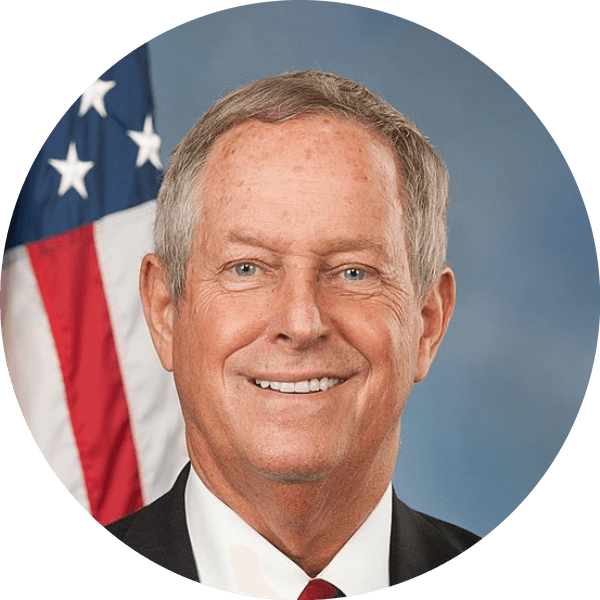


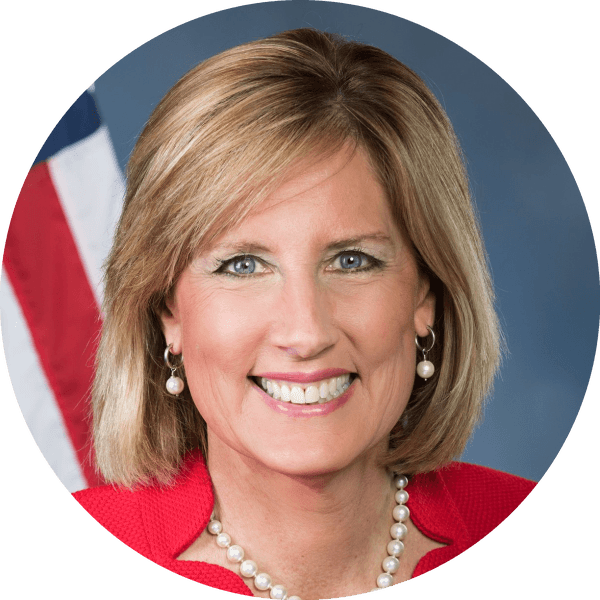
Referred to the Committee on Armed Services, and in addition to the Committee on Foreign Affairs, for a period to be subsequently determined by the Speaker, in each case for consideration of such provisions as fall within the jurisdiction of the committee concerned.
Feb 12, 2025
West Bank Violence Prevention Act of 2025
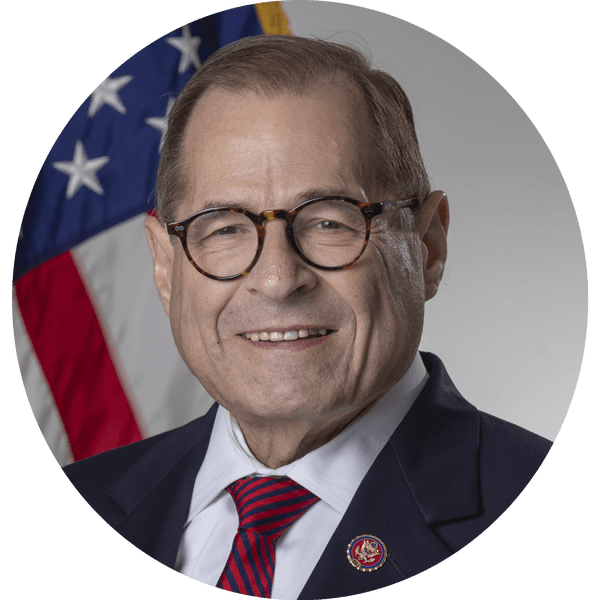


Referred to the Committee on Foreign Affairs, and in addition to the Committee on the Judiciary, for a period to be subsequently determined by the Speaker, in each case for consideration of such provisions as fall within the jurisdiction of the committee concerned.
Apr 28, 2025
Global Respect Act



Referred to the Committee on Foreign Affairs, and in addition to the Committee on the Judiciary, for a period to be subsequently determined by the Speaker, in each case for consideration of such provisions as fall within the jurisdiction of the committee concerned.
Nov 19, 2025
Sanctioning Russia Act of 2025



Referred to the Committee on Foreign Affairs, and in addition to the Committees on the Judiciary, Financial Services, Ways and Means, and Oversight and Government Reform, for a period to be subsequently determined by the Speaker, in each case for consideration of such provisions as fall within the jurisdiction of the committee concerned.
Apr 1, 2025
International Human Rights Defense Act of 2025




Referred to the House Committee on Foreign Affairs.
Nov 17, 2025
Global Health, Empowerment and Rights Act




Referred to the House Committee on Foreign Affairs.
Jan 28, 2025
Pakistan Freedom and Accountability Act





Referred to the Committee on Foreign Affairs, and in addition to the Committee on the Judiciary, for a period to be subsequently determined by the Speaker, in each case for consideration of such provisions as fall within the jurisdiction of the committee concerned.
Sep 10, 2025
Baltic Security Assessment Act of 2025





Ordered to be Reported by the Yeas and Nays: 41 - 3.
Apr 22, 2026
Trending Right Now
Bills gaining momentum across Congress
North Platte Canteen Congressional Gold Medal Act


Referred to the House Committee on Financial Services.
Feb 21, 2025
Fit to Serve Act


Referred to the House Committee on Armed Services.
May 21, 2025
ASAP Act


Ordered to be Reported in the Nature of a Substitute by the Yeas and Nays: 40 - 0.
Sep 16, 2026
Tracking International Affairs in Congress? Monitor bills, track cosponsor momentum, and launch advocacy campaigns — all from one advocacy platform.