H.R. 3959: Protecting Private Job Creators Act
Sponsor

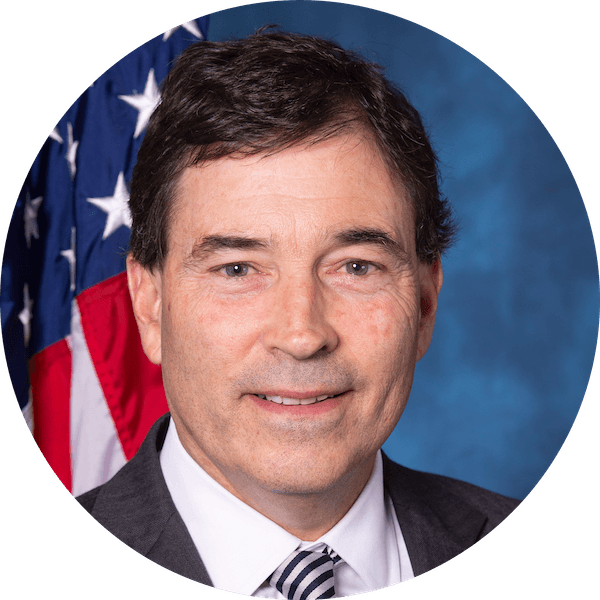
Troy Downing
Republican · MT-2
Bonds shouldn't trade under penny-stock rules
Why it matters
SEC Rule 15c2-11 was written to police shady penny stocks. When regulators moved to apply it to the bond market, the bill's sponsor says it put 100,000 jobs a year and $100 billion in GDP over a decade at risk. H.R. 3959 would permanently exempt fixed-income securities — bonds, notes, asset-backed securities and more — from that rule, locking in relief the SEC has so far granted only through temporary no-action letters.
H.R. 3959, the Protecting Private Job Creators Act, is short — two sections — but it settles a fight that has hung over the bond market for years. It says one SEC rule, known as Rule 15c2-11, no longer applies when brokers and dealers post price quotes for fixed-income securities.
That rule was overhauled in 2020 to crack down on penny-stock fraud, requiring anyone who publishes a quote to first confirm that current information about the issuer is available. The logic fit obscure shell companies. The trouble started when it became clear the rule could also reach bonds, where pricing works completely differently and the same issuer disclosures often don't exist.
To avoid disrupting the market, the SEC has repeatedly issued no-action letters telling firms it won't enforce the rule against fixed-income quotes for now. H.R. 3959 would replace that patchwork of temporary relief with a permanent exemption written into law.
The carve-out is broad. It covers notes, bonds, debentures, certificates of deposit, asset-backed securities, and any other evidence of indebtedness. It also reaches debt that can convert into stock or comes with warrants or rights to buy shares, pulling convertible bonds and similar hybrid instruments into the exemption.
What the bill doesn't do is build anything in the rule's place. There's no new disclosure system and no replacement safeguard — just a clean exemption. Supporters argue the rule never fit fixed-income markets and that lifting it protects liquidity; investor-protection advocates may counter that it removes one layer of review before quotes go out.
Bill Progress
Latest Action · Feb 25, 2026
Placed on House floor schedule, Calendar No. 448.
H.R. 3959 Bill Summary
What H.R. 3959 actually does.
Bonds get a permanent exemption from Rule 15c2-11
SEC Rule 15c2-11 would no longer apply when brokers and dealers publish price quotes for fixed-income securities, replacing the SEC's temporary no-action relief with a statutory carve-out.
The carve-out covers almost every kind of debt
The exemption reaches notes, bonds, debentures, certificates of deposit, asset-backed securities, and any other evidence of indebtedness.
Convertible bonds and hybrids are included too
Debt that can convert into stock, or that carries a warrant or right to buy stock, also falls under the exemption — sweeping in convertible bonds and similar instruments.
Congress writes the rule out directly
Rather than asking the SEC to study or rewrite the rule, the bill states in law that it does not apply to fixed-income quotations.
Who benefits from H.R. 3959?
Bond market-makers
Broker-dealers could keep posting quotes for fixed-income securities without meeting this rule's information requirements.
Companies and issuers that raise money through debt
Private and smaller issuers whose bonds are easier to quote and trade may find it cheaper to attract investors and raise capital.
Investors in thinly traded bonds
Pricing and trading could become easier for debt that changes hands infrequently — most often reached through mutual funds and 401(k)s rather than directly.
Asset-backed and structured finance firms
Because asset-backed securities are explicitly named, firms in these markets would face fewer frictions when quoting in the secondary market.
Who is affected by H.R. 3959?
The SEC
Its authority to apply Rule 15c2-11 to fixed-income quotations would be limited by statute rather than by its own temporary relief.
Retail investors
They could see more market activity in some bond markets, but fewer checks would apply before a fixed-income quote is published.
Investor-protection advocates
Critics of the exemption have flagged that removing the rule strips one layer of review, with no replacement disclosure system in the bill.
Issuers of convertible debt
Their securities would be easier to quote, which could affect pricing, demand, and how actively those instruments trade.
HR3959 Legislative Journey
House: Committee Action
Feb 25, 2026
Reported (Amended) by the Committee on Financial Services. H. Rept. 119-523.
House: Vote: 41-11
Dec 17, 2025
Ordered to be Reported (Amended) by the Yeas and Nays: 41 - 11.
House: Committee Action
Dec 16, 2025
Committee Consideration and Mark-up Session Held
House: Committee Action
Jun 12, 2025
Referred to the House Committee on Financial Services.
About the Sponsor
Troy Downing
Republican, Montana's 2nd congressional district · 1 years in Congress
Committees: Natural Resources, Financial Services
View full profile →
Cosponsors (7)
This bill has 7 cosponsors: 3 Democrats, 4 Republicans, reflecting bipartisan support. Cosponsors represent 7 states: Georgia, Louisiana, Missouri, and 4 more.


Committee Sponsors
Financial Services Committee
6 of 53 committee members cosponsored


26 Republicans across this committee haven't cosponsored yet. Mobilize their constituents
H.R. 3959 Quick Facts





- Committee
- Financial Services
- Chamber
- House
- Policy
- Finance and Financial Sector
- Introduced
- Jun 12, 2025
Placed on House floor schedule, Calendar No. 448.
Feb 25, 2026
Official Sources
Official bill page with full text, cosponsors, actions timeline, and committee report for the Protecting Private Job Creators Act.
SEC press release on the 2020 amendments to Rule 15c2-11, the OTC quotation rule that HR 3959 would exempt fixed-income securities from.
The most recent SEC staff no-action letter to FINRA deferring enforcement of Rule 15c2-11 for fixed-income securities — the temporary relief that HR 3959 would make permanent by statute.
The committee that marked up and reported HR 3959 with a bipartisan 41-11 vote on December 17, 2025.
Sponsor press release from June 2025 with economic impact data: applying Rule 15c2-11 to fixed-income markets could cost 100,000 jobs per year and $100 billion in GDP over a decade.
Press release from December 2025 announcing the 41-11 bipartisan committee vote to advance HR 3959, with endorsements from SIFMA, the U.S. Chamber of Commerce, and the National Association of Manufacturers.
Machine-readable bill status data from the Government Publishing Office, tracking all legislative actions from introduction through committee report.
Congressional Budget Office estimate finding the bill's costs to the SEC would be insignificant and any private-sector mandate would fall well below the Unfunded Mandates Reform Act threshold.
H.R. 3959 Common Questions
What does H.R. 3959 actually do?
The Protecting Private Job Creators Act permanently exempts fixed-income securities — bonds, notes, asset-backed securities and more — from SEC Rule 15c2-11. Brokers could keep posting price quotes for these debt instruments without meeting that rule's requirements.
What is SEC Rule 15c2-11?
It's an SEC rule that governs price quotes for over-the-counter securities. Before publishing a quote, a broker generally has to confirm that current information about the issuer is available. The SEC overhauled it in 2020 to curb penny-stock fraud.
Why does this rule matter for bonds?
The rule was built for thinly traded stocks, but it threatened to reach bonds, where pricing works differently and the same issuer disclosures often don't exist. To avoid freezing bond quotes, the SEC has repeatedly issued no-action letters delaying enforcement. H.R. 3959 would make that relief permanent.
Which securities are covered by the exemption?
Almost every kind of debt: notes, bonds, debentures, certificates of deposit, asset-backed securities, and any other evidence of indebtedness. It also covers convertible debt and bonds carrying warrants or rights to buy stock.
Does the bill replace Rule 15c2-11 with new protections?
No. H.R. 3959 is a clean exemption — it removes the rule for fixed-income quotes without building a replacement disclosure system. Supporters say the rule never fit bond markets; critics say it strips one layer of review before quotes go out.
Could this hurt retail investors?
Possibly. Most people hold bonds through funds rather than directly, and supporters argue the exemption protects liquidity. But because the rule no longer applies, fewer checks happen before a fixed-income quote is published — a trade-off investor-protection advocates have flagged.
Has H.R. 3959 passed?
Not yet. The House Financial Services Committee approved it on a bipartisan 41-11 vote, and it's now on the Union Calendar awaiting a House floor vote. It would still need to pass the full House and the Senate before becoming law.
Who supports the bill?
It's bipartisan — Montana Republican Troy Downing leads it with both Democratic and Republican cosponsors. According to the sponsor, it's endorsed by SIFMA, the U.S. Chamber of Commerce, and the National Association of Manufacturers.
Based on H.R. 3959 bill text
H.R. 3959 Bill Text
“To except quotations of fixed-income securities from certain regulatory requirements, and for other purposes.”
Source: U.S. Government Publishing Office
Get notified when H.R. 3959 moves
Committee votes, floor action, cosponsor changes — straight to your inbox.
Bill alerts + Legisletter's monthly briefing. Unsubscribe anytime.
Finance and Financial Sector Bills
9 related bills we're tracking
America’s Olympic and Paralympic Games Commemorative Coins Act




Referred to the House Committee on Financial Services.
Jul 14, 2025
761st Tank Battalion Congressional Gold Medal Act


Referred to the Committee on Financial Services, and in addition to the Committee on House Administration, for a period to be subsequently determined by the Speaker, in each case for consideration of such provisions as fall within the jurisdiction of the committee concerned.
Feb 26, 2025
Taxpayer Data Protection Act




Sponsor introductory remarks on measure. (CR H625-626)
Feb 11, 2025
Repealing Big Brother Overreach Act


Placed on the Union Calendar, Calendar No. 609.
Jun 18, 2026
Rosie the Riveter Commemorative Coin Act





Referred to the House Committee on Financial Services.
Jan 15, 2025
HELPER Act of 2025



Referred to the House Committee on Financial Services.
Mar 14, 2025
Anti-CBDC Surveillance State Act





Motion to reconsider laid on the table Agreed to without objection.
Jul 17, 2025
Protecting Privacy in Purchases Act




Received in the Senate and Read twice and referred to the Committee on Banking, Housing, and Urban Affairs.
Jul 15, 2026
Veterans Member Business Loan Act



Referred to the House Committee on Financial Services.
Jan 16, 2025
Trending Right Now
Bills gaining momentum across Congress
North Platte Canteen Congressional Gold Medal Act




Referred to the House Committee on Financial Services.
Feb 21, 2025
Fit to Serve Act





Referred to the House Committee on Armed Services.
May 21, 2025
ASAP Act




Ordered to be Reported in the Nature of a Substitute by the Yeas and Nays: 40 - 0.
Sep 16, 2026
Tracking Finance and Financial Sector in Congress? Monitor bills, track cosponsor momentum, and launch advocacy campaigns — all from one advocacy platform.