H.R. 3491: DeOndra Dixon INCLUDE Project Act of 2025
Sponsor

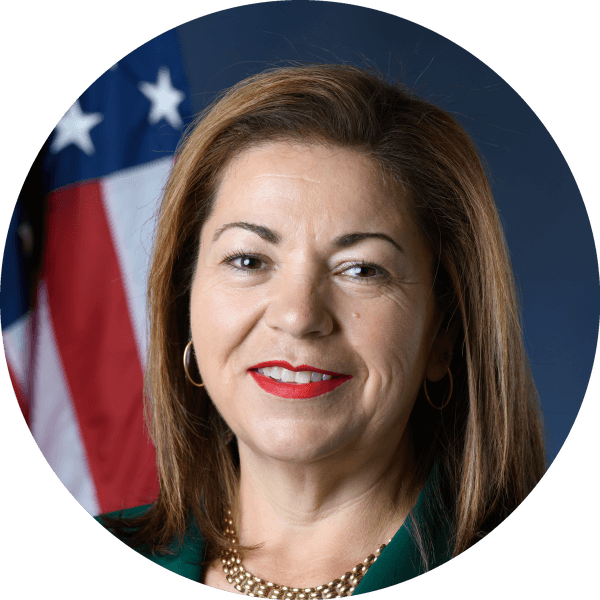
Diana DeGette
Democrat · CO-1
Congress should lock Down syndrome research into law
Why it matters
Seven research priorities, one coordinating office, and a report card every 2 years. H.R. 3491 would write NIH's INCLUDE Project into federal law, so Down syndrome research no longer rests on an internal agency initiative that a future NIH director could scale back. It passed the House by voice vote in July 2026 and now sits with the Senate HELP Committee.
NIH launched the INCLUDE Project in 2018 as its own initiative. H.R. 3491, named for the late Down syndrome advocate DeOndra Dixon, would turn it into a program Congress requires by law.
Instead of existing because NIH chose to run it, the Down syndrome research program would exist because the law says it must.
The bill lists seven things the program has to cover. They range from high-risk basic science on how an extra copy of chromosome 21 shapes development, to long-term studies that follow people with Down syndrome over years, to research on quality of life for them and their families.
Clinical trials get specific attention. NIH would be directed to expand the number of trials that include people with Down syndrome or are built for them — covering new drugs, biomedical treatments, and therapies that help with everyday tasks.
The bill also names the conditions that show up more often in people with Down syndrome, including Alzheimer's disease and related dementias and autoimmunity. NIH would study both why they are more common and how to treat them alongside Down syndrome itself, including work on biomarkers for earlier diagnosis.
On the management side, the NIH Director's office would coordinate Down syndrome work across NIH's institutes and centers, favor projects that don't repeat existing studies, and consult patient advocates and other stakeholders where feasible.
Every 2 years, NIH would have to tell Congress which institutes did the work, whether they collaborated, and what real-world evidence came out of it that doctors can use. The bill sets no dollar amount, so how much research actually happens still depends on appropriations.
Bill Progress
Latest Action · Jul 21, 2026
Passed the House, received in Senate
H.R. 3491 Bill Summary
What H.R. 3491 actually does.
Down syndrome research stops depending on agency discretion
The INCLUDE Project becomes a program the NIH Director is required by law to run, covering research, training, and investigation related to Down syndrome.
Studies follow people as they age
NIH would support research across the lifespan, including cohort studies that track people with Down syndrome over time to understand co-occurring conditions and develop new interventions.
More trials open to people with Down syndrome
NIH would work to expand clinical trials that include participants with Down syndrome or are designed specifically for them, including drug, biomedical, and daily-living therapies.
Dementia and autoimmunity get named priority
The program must study why conditions such as Alzheimer's disease, related dementias, and autoimmunity are more common in people with Down syndrome, and how to treat them.
Earlier diagnosis through biomarkers
Research would target biomarkers tied to risk, diagnosis, and treatment of conditions that co-occur with Down syndrome, along with the biology behind growth and developmental differences.
One office coordinates, no duplicate studies
The NIH Director's office would coordinate Down syndrome work across institutes, which would be told to prioritize research that does not duplicate existing NIH activity.
Families get a formal voice
NIH would consult patient advocates and other stakeholders, as appropriate and to the maximum extent feasible, so research reflects the needs of people with Down syndrome.
A report to Congress every 2 years
Biennial reports to the House and Senate health and appropriations committees must catalog the research, name the institutes involved, and identify real-world evidence usable in clinical care.
Who benefits from H.R. 3491?
Adults with Down syndrome
The bill directs research toward conditions that tend to appear later in life, including Alzheimer's disease and related dementias, instead of focusing mainly on childhood.
People with Down syndrome who want into clinical trials
People with Down syndrome have often been left out of trials. The bill directs NIH to expand trials that include them or are designed for them.
Parents and siblings who provide care
Quality of life for families is one of the seven required research areas, alongside therapies that help with everyday activities.
Doctors treating patients with Down syndrome
The biennial reports must identify real-world evidence that can be used in medical care, not just catalog grants.
Alzheimer's and immunology researchers
Understanding why dementia and autoimmunity are more common with trisomy 21 could inform research on those conditions in the wider population.
Who is affected by H.R. 3491?
NIH leadership
The Director would be legally required to run the program, coordinate it across institutes, consult stakeholders, and report to Congress every 2 years.
NIH institutes and centers
Institutes doing Down syndrome work would be named in each report, including whether they worked alone or with other institutes, and told to avoid duplicating existing studies.
Researchers applying for NIH support
Proposals that overlap with existing NIH projects may face a harder path, since the bill tells institutes to prioritize nonduplicative research.
House and Senate appropriators
The bill sets no funding level, so the program's size stays an annual decision in the health spending bill. The biennial reports give appropriators a record to decide with.
What Congress Is Saying
H.R. 3491 has come up 12 times in the Congressional Record so far.
H.R. 3491 also appeared in 1 more House floor reference and 7 routine cosponsor filings.
HR3491 Legislative Journey
Committee Action
Jul 21, 2026
Received in the Senate and Read twice and referred to the Committee on Health, Education, Labor, and Pensions.
House: Vote: 4649-4650
Jul 20, 2026
On motion to suspend the rules and pass the bill Agreed to by voice vote. (text: CR H4649-4650)
House: Committee Action
Jul 2, 2026
Reported by the Committee on Energy and Commerce. H. Rept. 119-722.
House: Vote: 46-0
May 21, 2026
Ordered to be Reported by the Yeas and Nays: 46 - 0.
House: Committee Action
May 19, 2025
Referred to the House Committee on Energy and Commerce.
About the Sponsor
Diana DeGette
Democrat, Colorado's 1st congressional district · 29 years in Congress
Committees: Energy and Commerce
View full profile →
Cosponsors (18)
This bill has 18 cosponsors: 12 Democrats, 6 Republicans, reflecting bipartisan support. Cosponsors represent 11 states: Colorado, Connecticut, District of Columbia, and 8 more.

Richard Hudson
Republican · NC
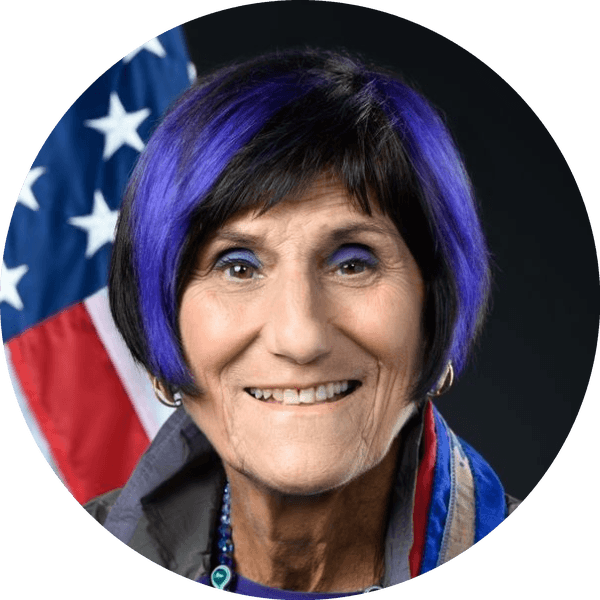
Rosa DeLauro
Democrat · CT
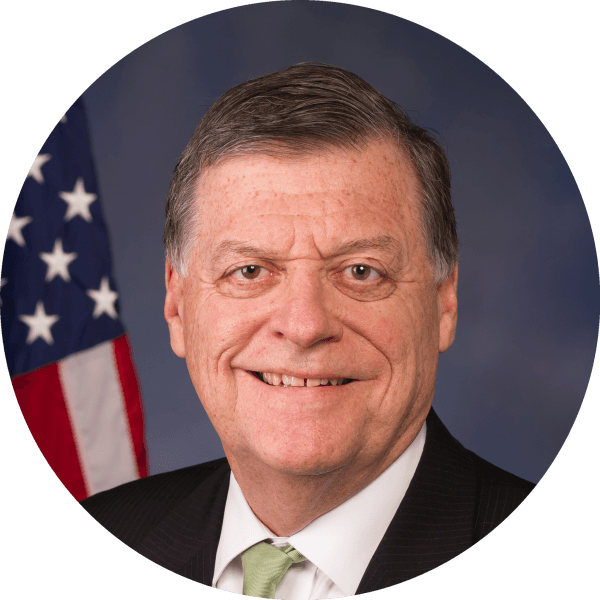
Tom Cole
Republican · OK

Eleanor Norton
Democrat · DC
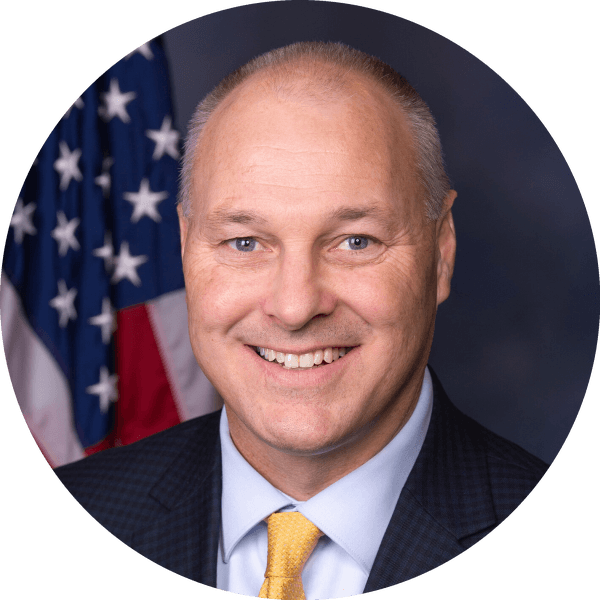
Pete Stauber
Republican · MN
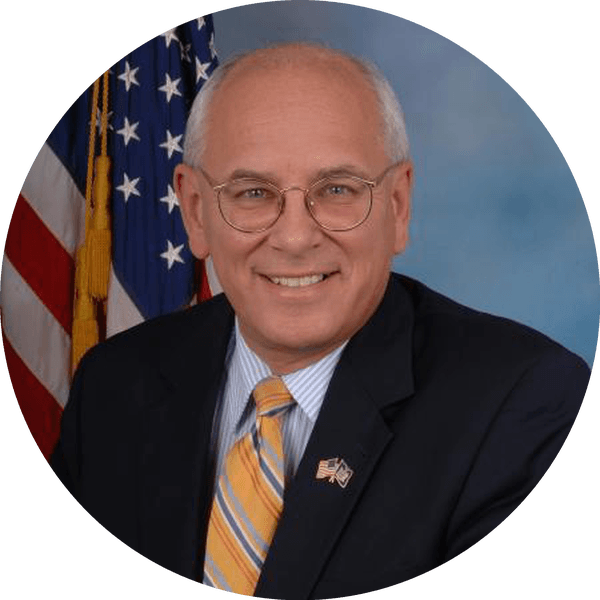
Paul Tonko
Democrat · NY

Brittany Pettersen
Democrat · CO
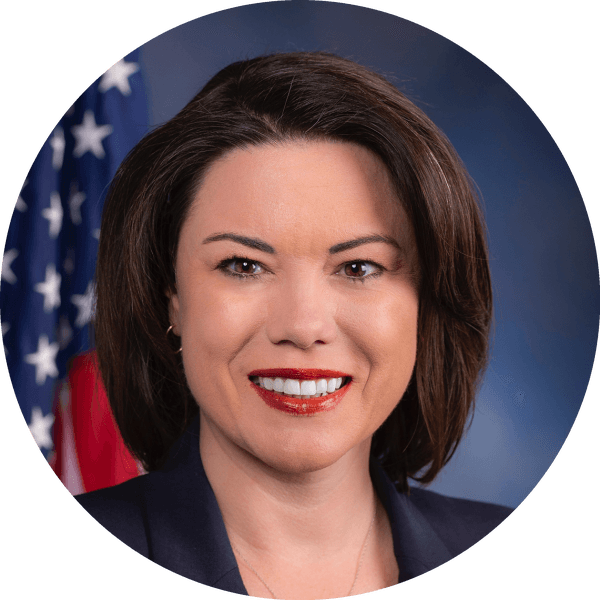
Angie Craig
Democrat · MN

Jason Crow
Democrat · CO

Joe Neguse
Democrat · CO
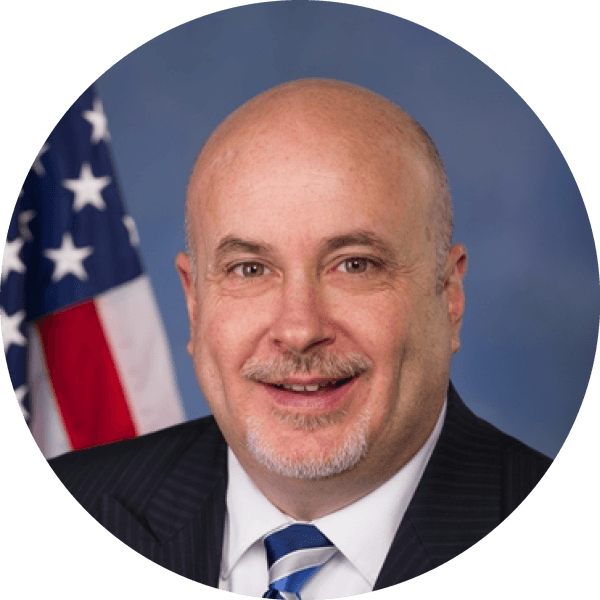
Mark Pocan
Democrat · WI

Ann Wagner
Republican · MO
Committee Sponsors
Health, Education, Labor, and Pensions Committee
0 of 23 committee members cosponsored
No committee members have cosponsored this bill
Energy and Commerce Committee
2 of 54 committee members cosponsored


33 Democrats across these committees haven't cosponsored yet. Mobilize their constituents
H.R. 3491 Quick Facts
- Committee
- Health, Education, Labor, and Pensions
- Chamber
- House
- Policy
- Health
- Introduced
- May 19, 2025
Passed the House, received in Senate
Jul 21, 2026
Official Sources
Official bill text, status, and actions for the DeOndra Dixon INCLUDE Project Act, including House passage and Senate HELP referral.
NICHD’s overview of NIH Down syndrome research and the NIH-wide INCLUDE Project the bill would write into law.
The INCLUDE-funded cohort program tracking people with Down syndrome from birth to adulthood, the kind of lifespan study the bill requires.
Federal registry of Down syndrome clinical trials, the pool the bill directs NIH to expand.
The part of the Public Health Service Act that H.R. 3491 amends by adding a new section 409K for the INCLUDE Project.
H.R. 3491 Common Questions
What does H.R. 3491 do?
It turns NIH's INCLUDE Project, a Down syndrome research effort NIH started on its own, into a program the law requires, with seven set research priorities and a report to Congress every 2 years.
Who was DeOndra Dixon?
The bill is named for DeOndra Dixon, a Down syndrome self-advocate and public speaker who pushed for more research funding. She died in 2023.
Does H.R. 3491 cover adults with Down syndrome?
Yes. NIH would support research across the lifespan, including long-term studies that follow people as they age and work on conditions that tend to appear later in life.
Would it make it easier for people with Down syndrome to join clinical trials?
That's the goal. NIH would work to expand the number of trials that include people with Down syndrome or are designed for them, including therapies aimed at everyday activities.
Why does the bill focus on Alzheimer's and autoimmunity?
Both are more common in people with Down syndrome. The bill directs NIH to study why, and how to treat these conditions alongside Down syndrome itself.
Does H.R. 3491 give NIH new money for Down syndrome research?
No. The bill sets no dollar amount. INCLUDE would keep being funded through NIH's annual appropriation, so how much research happens is still up to Congress each year.
Do families and advocates get a say?
Yes, though it's softly worded. NIH must consult patient advocates and other stakeholders "as appropriate and to the maximum extent feasible" so research reflects the needs of people with Down syndrome.
Has H.R. 3491 passed?
It passed the House by voice vote on July 20, 2026. It is now in the Senate HELP Committee, which would need to act before a full Senate vote.
Based on H.R. 3491 bill text
H.R. 3491 Bill Text
“To amend the Public Health Service Act to authorize the Secretary of Health and Human Services to carry out a program of research, training, and investigation related to Down syndrome, and for other purposes.”
Source: U.S. Government Publishing Office
Get notified when H.R. 3491 moves
Committee votes, floor action, cosponsor changes — straight to your inbox.
Bill alerts + Legisletter's monthly briefing. Unsubscribe anytime.
Health Bills
9 related bills we're tracking
Nancy Gardner Sewell Medicare Multi-Cancer Early Detection Screening Coverage Act




Reported (Amended) by the Committee on Ways and Means. H. Rept. 119-333, Part I.
Oct 3, 2025
Mikaela Naylon Give Kids a Chance Act



Received in the Senate.
Dec 2, 2025
Improving Seniors’ Timely Access to Care Act of 2025

Ordered to be Reported in the Nature of a Substitute by the Yeas and Nays: 42 - 0.
Jul 15, 2026
CONNECT for Health Act of 2025




Referred to the Committee on Energy and Commerce, and in addition to the Committee on Ways and Means, for a period to be subsequently determined by the Speaker, in each case for consideration of such provisions as fall within the jurisdiction of the committee concerned.
Jun 26, 2025
ASAP Act


Ordered to be Reported in the Nature of a Substitute by the Yeas and Nays: 40 - 0.
Sep 16, 2026
Momnibus Act



Referred to the Subcommittee on Health.
Apr 20, 2026
Ensuring Lasting Smiles Act


Referred to the Committee on Energy and Commerce, and in addition to the Committees on Education and Workforce, and Ways and Means, for a period to be subsequently determined by the Speaker, in each case for consideration of such provisions as fall within the jurisdiction of the committee concerned.
May 8, 2025
Right to Contraception Act

Referred to the House Committee on Energy and Commerce.
Feb 5, 2025
Women’s Health Protection Act of 2025



Referred to the Committee on Energy and Commerce, and in addition to the Committee on the Judiciary, for a period to be subsequently determined by the Speaker, in each case for consideration of such provisions as fall within the jurisdiction of the committee concerned.
Jun 24, 2025
Trending Right Now
Bills gaining momentum across Congress
North Platte Canteen Congressional Gold Medal Act


Referred to the House Committee on Financial Services.
Feb 21, 2025
Fit to Serve Act




Referred to the House Committee on Armed Services.
May 21, 2025
Safe Schools Improvement Act


Referred to the House Committee on Education and Workforce.
Mar 3, 2025
Tracking Health in Congress? Monitor bills, track cosponsor momentum, and launch advocacy campaigns — all from one advocacy platform.