H.R. 309: National Law Enforcement Officers Remembrance, Support, and Community Outreach Act
Sponsor

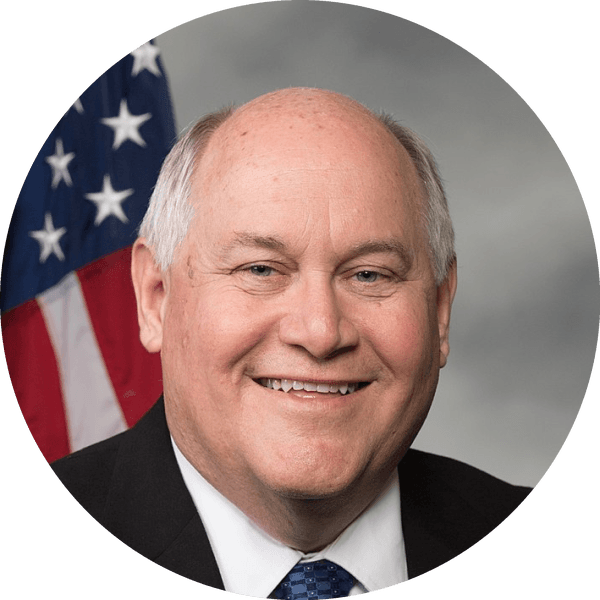
Troy Nehls
Republican · TX-22
$42 million for a museum built without a federal dollar
Why it matters
The National Law Enforcement Museum opened in 2018 without a single federal construction dollar. H.R. 309 would put up to $6 million a year behind it for seven years — $42 million in all — and in return require the museum to admit officers, retired officers, and families of fallen officers for free, and to open its doors free to everyone else at least one block of hours every week.
H.R. 309 directs the Secretary of the Interior to award a grant to the National Law Enforcement Officers Memorial Fund, the nonprofit that runs the National Law Enforcement Museum, in each of the first seven fiscal years after the bill becomes law. The authorized ceiling is $6 million a year.
The grant covers the museum's community outreach, public education, and officer safety and wellness work. That includes memorial programs, tracking fatality and injury statistics, traveling exhibits, digitizing collections, research and publications, teacher training, and online resources. Money can also go toward continuing programs the museum is already running the day the law takes effect, not just new ones.
The grant comes with admission conditions. Active and retired law enforcement officers get in free, as do family members of officers killed in the line of duty. The museum would also have to set aside free admission hours for the general public at least once every week, for as long as the federal grant runs.
Every year, the Memorial Fund has to file a report with Interior documenting what the programming accomplished and giving a full accounting of federal dollars spent. Interior then has to hand that report to Congress and publish it on its website, so the spending record is public rather than internal.
The funding language carries one provision worth reading closely. If Congress appropriates less than the full amount in a given year, the bill lets Interior move up to $6 million out of the National Park Service to make up the difference. That makes the museum's funding partly independent of what appropriators decide each year, and it puts Park Service accounts on the hook when they decide against it.
The House passed H.R. 309 by voice vote under suspension of the rules, meaning no member asked for a recorded tally. It is now before the Senate.
Bill Progress
Latest Action · Sep 15, 2026
Passed the House, received in Senate
H.R. 309 Bill Summary
What H.R. 309 actually does.
Up to $42 million in federal support over seven years
The bill authorizes $6 million for each of the first seven fiscal years after enactment, awarded as a grant from the Secretary of the Interior to the National Law Enforcement Officers Memorial Fund.
Officers and families of the fallen get in free
The grant must fund free admission to the museum for active law enforcement officers, retired officers, and family members of officers who died in the line of duty.
The public gets a free window every week
The museum must provide dedicated free admission hours for the general public at least once a week during the grant period.
Funding reaches beyond the building in Washington
Eligible uses include traveling exhibitions, digitized collections, online research resources, curricula, teacher training, and workshops at the local, regional, and national level.
Programs already running stay eligible
Federal money can be used to continue activities the museum is already carrying out on the date of enactment, not only to launch new work.
Spending reports go to Congress and online
For each of the seven years, the Memorial Fund must report program progress and a formal accounting of federal funds spent. Interior must share each report with Congress and post it on the department's website.
Park Service funds serve as the backstop
If a year's appropriation falls short of the authorized amount, the Secretary may transfer sums from the National Park Service, up to $6 million, to carry out the grant.
Who benefits from H.R. 309?
Anyone who wants to see the museum without buying a ticket
Free public hours become a standing weekly fixture for the length of the grant rather than an occasional free day the museum chooses to offer.
Active and retired law enforcement officers
Free admission for the full seven-year grant period, alongside expanded officer safety and wellness programming the bill funds directly.
Families of officers killed in the line of duty
Free admission to the museum, which sits across the street from the memorial carrying their relatives' names.
The National Law Enforcement Officers Memorial Fund
The nonprofit becomes eligible for up to $42 million in federal grants for operations, collections, research, and outreach, after building both the memorial and the museum on private donations.
Teachers and students outside Washington
The bill funds traveling exhibitions, digitized collections, curricula, and teacher workshops, which extend the museum's programming to classrooms that will never reach Judiciary Square.
Who is affected by H.R. 309?
National Park Service accounts
In any year Congress appropriates less than the authorized amount, Interior may transfer up to $6 million out of the Park Service to fund the grant. That money would otherwise be available for Park Service purposes.
The Secretary of the Interior
Interior would award the grant each year, verify the admission conditions are met, collect the annual reports, transmit them to Congress, publish them online, and decide whether to invoke the transfer authority.
The museum's operator
Receiving the money means holding to the free-admission requirements, sustaining the programs the grant covers, and producing a documented accounting of federal spending every year for seven years.
Appropriators
The authorization sets a ceiling, not a check. Appropriations committees would decide annually how much of the $6 million to actually provide, knowing the shortfall can be pulled from the Park Service.
Cost & Funding
Authorization
$6,000,000 for each of the first 7 fiscal years after enactment — up to $42,000,000 total
- The math is flat: $6 million a year, seven years, $42 million maximum. No escalator, no inflation adjustment.
- The money moves as a grant from the Secretary of the Interior to the National Law Enforcement Officers Memorial Fund.
- An authorization is a ceiling, not an appropriation. Congress still has to fund the line each year for the full $6 million to arrive.
- If a year's appropriation comes in short, Interior may transfer the difference from the National Park Service, capped at the same $6 million.
- The bill's findings note that no federal funds were used to build the museum, which opened in October 2018, and that the memorial across the street was built entirely with private money.
- Funds may also be spent continuing programs the museum is already operating when the law takes effect.
HR309 Legislative Journey
Sent to Senate
Sep 15, 2026
Received in the Senate.
House: Vote: 5582-5583
Sep 14, 2026
On motion to suspend the rules and pass the bill, as amended Agreed to by voice vote. (text: CR H5582-5583)
House: Committee Action
Aug 20, 2026
Reported (Amended) by the Committee on Natural Resources. H. Rept. 119-757.
House: Passed Committee
Jul 22, 2026
Ordered to be Reported in the Nature of a Substitute (Amended) by Unanimous Consent.
+2 more actions this day
House: Committee Action
Sep 18, 2025
Subcommittee Hearings Held
House: Committee Action
Sep 11, 2025
Referred to the Subcommittee on Federal Lands.
House: Committee Action
Jan 9, 2025
Referred to the House Committee on Natural Resources.
About the Sponsor
Troy Nehls
Republican, Texas's 22nd congressional district · 5 years in Congress
Committees: House Select Subcommittee to Investigate the Remaining Questions Surrounding January 6, 2021, the Judiciary, Transportation and Infrastructure
View full profile →
Cosponsors (124)
This bill has 124 cosponsors: 49 Democrats, 75 Republicans, reflecting bipartisan support. Cosponsors represent 35 states: Arkansas, Arizona, California, and 32 more.
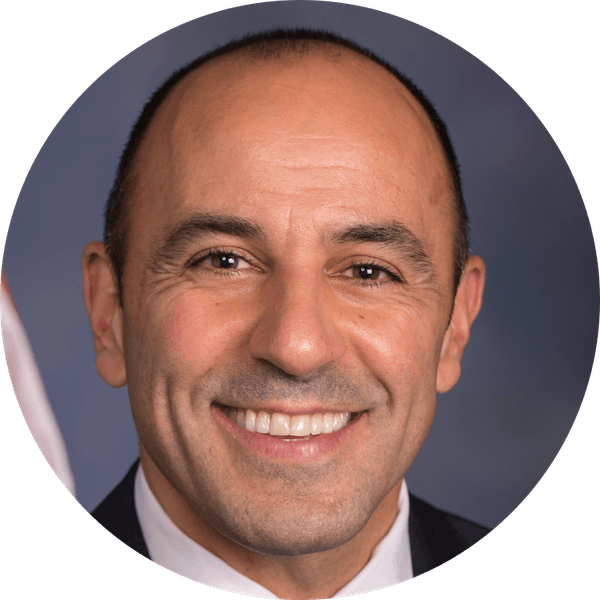
Jimmy Panetta
Democrat · CA

Pete Stauber
Republican · MN

Jim Costa
Democrat · CA

Julia Brownley
Democrat · CA
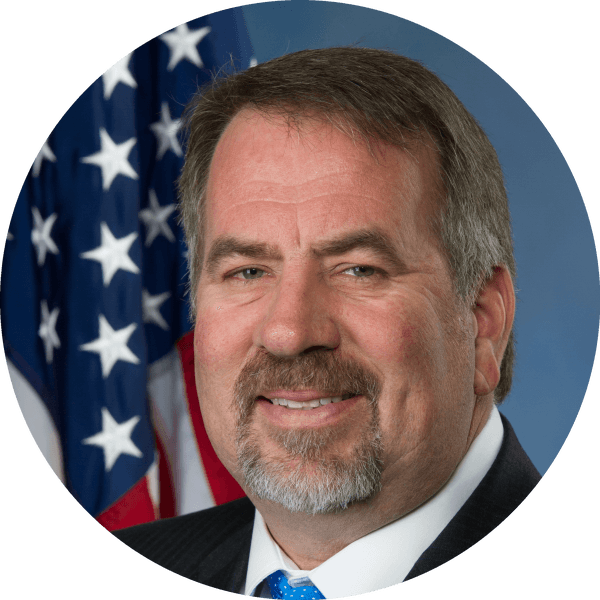
Doug LaMalfa
Republican · CA

Clay Higgins
Republican · LA

Shri Thanedar
Democrat · MI

Nancy Mace
Republican · SC

David Valadao
Republican · CA

Brian Babin
Republican · TX
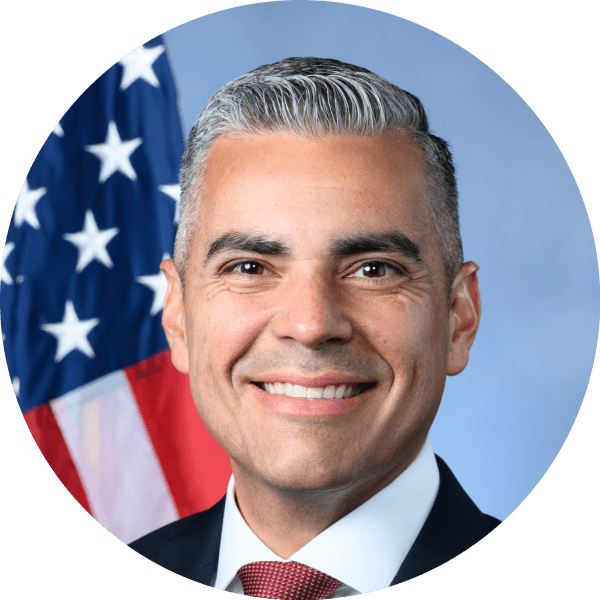
Juan Ciscomani
Republican · AZ
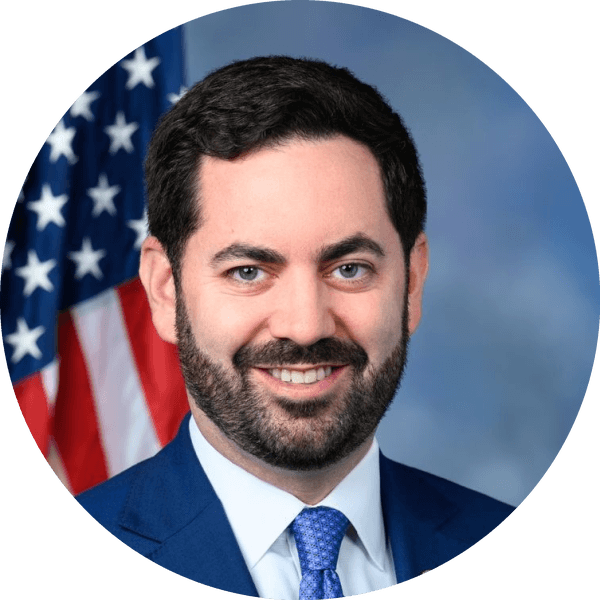
Michael Lawler
Republican · NY
Cosponsor Coverage Map
Committee Sponsors
Natural Resources Committee
14 of 45 committee members cosponsored


16 Republicans across this committee haven't cosponsored yet. Mobilize their constituents
H.R. 309 Quick Facts
- Committee
- Natural Resources
- Chamber
- House
- Policy
- Crime and Law Enforcement
- Introduced
- Jan 9, 2025
Passed the House, received in Senate
Sep 15, 2026
Official Sources
Official legislative status page for H.R. 309 — full text, actions, cosponsors, and the record of the House vote.
The Natural Resources Committee report accompanying H.R. 309, filed August 20, 2026, with the committee’s section-by-section explanation of the grant and the authorization.
The 2000 law the bill’s findings cite, which authorized the Memorial Fund to build and operate the National Law Enforcement Museum on federal land in the District of Columbia.
The 1984 joint resolution cited in the findings that authorized the Law Enforcement Officers Memorial Fund to establish the memorial across the street from the museum.
The Park Service page for the memorial in Judiciary Square, the site the museum sits opposite and the campus the bill’s findings describe.
Annual Park Service budget justifications — the accounts Interior could draw on under the bill’s authority to transfer up to $6 million if a year’s appropriation falls short.
Interior awards the grant, collects the annual reports, and must publish each one on its website under Section 4 of the bill.
The Justice Department’s federal counterpart to the officer safety and wellness programming the grant would fund.
H.R. 309 Common Questions
Has H.R. 309 passed?
It passed the House by voice vote under suspension of the rules and was received in the Senate on September 15, 2026. It is not law yet.
How much money does H.R. 309 provide?
Up to $6 million a year for seven fiscal years — $42 million in all. That is an authorized ceiling, so Congress still has to appropriate the money each year for the full amount to arrive.
Who gets free admission to the National Law Enforcement Museum?
Active officers, retired officers, and family members of officers killed in the line of duty get in free for the whole grant period. Everyone else gets dedicated free admission hours at least once a week.
Was the National Law Enforcement Museum built with federal money?
No. The bill's findings state that no federal funds were used to build the museum, which opened in October 2018, and that the memorial across the street was built entirely with private funds. H.R. 309 would be the federal operating support.
Can H.R. 309 take money from the National Park Service?
Yes. If Congress appropriates less than the authorized amount in a given year, the bill lets the Secretary of the Interior transfer sums from the National Park Service, up to $6 million, to cover the grant.
What would the federal funding actually pay for?
Community outreach, public education, and officer safety and wellness programs: memorial work, fatality and injury statistics, traveling exhibitions, digitized collections, research and curricula, teacher training, and online resources.
Would the museum have to account for how it spends the money?
Yes. Each year the Memorial Fund must report its program progress and a formal accounting of federal funds spent. Interior must send that report to Congress and post it on the department's website.
Why does the bill say the museum needs federal support now?
The findings point to police staffing losses. They cite Police Executive Research Forum data showing retirements up almost 24% and resignations up more than 47% since 2020, and argue public understanding of law enforcement needs rebuilding.
Who sponsored H.R. 309 and is it bipartisan?
Representative Troy Nehls of Texas introduced it. It carries 124 cosponsors — 75 Republicans and 49 Democrats — and cleared the House without a recorded vote being demanded.
Based on H.R. 309 bill text
H.R. 309 Bill Text
“To authorize the Secretary of the Interior to provide funding for the National Law Enforcement Museum, and for other purposes.”
Source: U.S. Government Publishing Office
Get notified when H.R. 309 moves
Committee votes, floor action, cosponsor changes — straight to your inbox.
Bill alerts + Legisletter's monthly briefing. Unsubscribe anytime.
Crime and Law Enforcement Bills
9 related bills we're tracking
Crime Victims Fund Stabilization Act of 2025



Received in the Senate and Read twice and referred to the Committee on the Judiciary.
Jan 13, 2026
Bipartisan Background Checks Act of 2025


Referred to the House Committee on the Judiciary.
Jun 10, 2025
Combating Organized Retail Crime Act of 2025



Received in the Senate and Read twice and referred to the Committee on the Judiciary.
May 13, 2026
Ethan's Law



Referred to the House Committee on the Judiciary.
Feb 25, 2025
Assault Weapons Ban of 2025



Referred to the House Committee on the Judiciary.
Apr 30, 2025
Constitutional Concealed Carry Reciprocity Act of 2025




Placed on the Union Calendar, Calendar No. 289.
Oct 3, 2025
Honoring Our Fallen Heroes Act of 2025


Referred to the House Committee on the Judiciary.
Feb 12, 2025
Raise the Age Act of 2025


Referred to the House Committee on the Judiciary.
Mar 26, 2025
Born-Alive Abortion Survivors Protection Act


Received in the Senate and Read twice and referred to the Committee on the Judiciary.
Jan 24, 2025
Trending Right Now
Bills gaining momentum across Congress
ASAP Act




Ordered to be Reported in the Nature of a Substitute by the Yeas and Nays: 40 - 0.
Sep 16, 2026
Federal Firearms Licensee Protection Act of 2025



Referred to the House Committee on the Judiciary.
Mar 3, 2025
Therapeutic Fraud Prevention Act of 2025





Referred to the House Committee on Energy and Commerce.
May 7, 2025
Tracking Crime and Law Enforcement in Congress? Monitor bills, track cosponsor momentum, and launch advocacy campaigns — all from one advocacy platform.