H.R. 1329: Smithsonian American Women’s History Museum Act
Sponsor

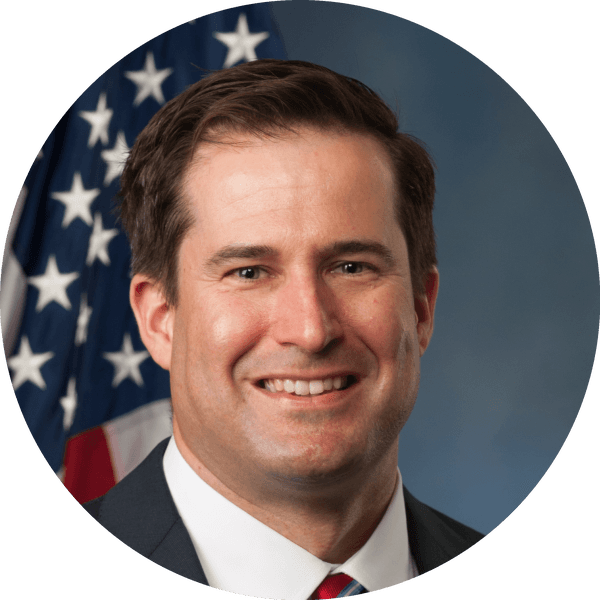
Nicole Malliotakis
Republican · NY-11
A women's history museum bill failed over what it could display
Why it matters
H.R. 1329 had 231 cosponsors — and still lost on the House floor, 204 to 216, on May 21, 2026. The bill would have put the Smithsonian American Women's History Museum on the National Mall, but it also wrote new rules into federal law about who the museum covers and what it can portray, and that is where the votes fell apart.
H.R. 1329 would place the Smithsonian American Women's History Museum on the South Monument site on the National Mall, the undeveloped land across from the National Museum of African American History and Culture. The President could pick a different site, but only within 180 days after the bill became law.
The biggest fight was over content. The bill says the museum's mission is to present the history, achievements, and lived experiences of biological women in the United States, and it bars the museum from identifying or depicting any biological male as female.
It also adds a viewpoint rule. The museum's council would have to seek, to the extent practicable, equal representation of different political viewpoints and experiences held by women in the United States when it builds or substantially revises exhibits and programs.
The Smithsonian would not get a free hand on the building itself. It would need sign-off from federal design and planning bodies, including the Commission of Fine Arts and the National Capital Planning Commission, and it would have to repay any approval-related costs those agencies incur within 60 days.
Congress would keep watch. The Smithsonian Secretary would have to report to seven congressional committees within 120 days, then every 2 years, on how the museum is complying. The museum itself was already authorized back in 2020 — this bill rewrote that earlier law rather than creating it from scratch.
On May 21, 2026, the House rejected the bill 204 to 216. A related motion to send it back to committee tied 209 to 209.
Bill Progress
Latest Action · May 21, 2026
Passed the House, received in Senate
H.R. 1329 Bill Summary
What H.R. 1329 actually does.
The museum gets a locked-in Mall site
H.R. 1329 designates the South Monument site on the National Mall for the museum. The President could pick another location, but only within 180 days after enactment.
The bill defines who the museum is about
It says the museum is dedicated to the history, achievements, and lived experiences of biological women in the United States, and that the museum may not identify or depict any biological male as female.
Exhibits would have to reflect different political viewpoints
The museum's council must, to the extent practicable, ensure equal representation of diverse political viewpoints and experiences held by women in the United States, and seek guidance from a broad range of sources when creating or substantially revising exhibits and programs.
The Smithsonian covers the approval costs
If federal agencies incur costs during the design and approval process, the Smithsonian must reimburse them within 60 days. The bill sets no dollar cap.
Multiple agencies must sign off before construction
Before building can move ahead, the Smithsonian would need approval from its Board of Regents plus federal design bodies, including the Commission of Fine Arts, the National Capital Planning Commission, and the National Capital Memorial Advisory Commission.
Congress gets its first report in 120 days
The Smithsonian Secretary must report to seven congressional committees within 120 days after enactment and every 2 years after that, describing how the museum is complying with the new rules.
Who benefits from H.R. 1329?
Supporters who want the museum on the National Mall
The bill names a specific site rather than leaving it to an open-ended search. Unless the President acted within 180 days, the museum would go to the South Monument site.
Lawmakers who want direct oversight of exhibits
Congress would get regular reporting starting within 120 days, then every 2 years, covering exhibit revisions, programs, and future planning.
Backers who want the museum's mission set in statute
The bill writes the museum's scope and content limits directly into federal law rather than leaving those calls to Smithsonian leadership and curators.
Who is affected by H.R. 1329?
Smithsonian leaders and museum planners
They would have to manage the land transfer, secure multiple approvals, repay approval-related costs within 60 days, and file recurring compliance reports to Congress.
Curators and exhibit designers
Their work would be governed by statutory rules on who the museum covers and by a requirement to reflect diverse political viewpoints when building or revising exhibits.
Members who cosponsored but voted no
231 members signed on to the bill, but only 204 voted yes when the amended version reached the floor. The added content rules are what separated the two numbers.
The federal agency that controls the site now
That agency would have to transfer administrative control of the land to the Smithsonian as soon as practicable after enactment.
What Congress Is Saying
13 legislators have weighed in on H.R. 1329 — 6 Democrats, 7 Republicans.
H.R. 1329 also appeared in 3 more House floor references and 29 routine cosponsor filings.
HR1329 Legislative Journey
House: Failed
May 21, 2026
On passage Failed by the Yeas and Nays: 204 - 216 (Roll no. 188).
+12 more actions this day
House: Passed
May 20, 2026
Rule H. Res. 1300 passed House.
House: Committee Action
May 19, 2026
Rules Committee Resolution H. Res. 1300 Reported to House. Rule provides for consideration of H.R. 1041, H.R. 6047 and H.R. 1329. The resolution provides for consideration of H.R. 1041, H.R. 6047, and H.R. 1329 under a closed rule. The resolution provides for one hour of general debate and one motion to recommit on each bill.
House: Committee Action
Apr 23, 2026
Committee on Natural Resources discharged.
House: Vote: 7-4
Mar 18, 2026
Ordered to be Reported (Amended) by the Yeas and Nays: 7 - 4.
House: Committee Action
Feb 10, 2026
Subcommittee Hearings Held
House: Committee Action
Feb 3, 2026
Referred to the Subcommittee on Federal Lands.
House: Committee Action
Feb 13, 2025
Referred to the Committee on House Administration, and in addition to the Committee on Natural Resources, for a period to be subsequently determined by the Speaker, in each case for consideration of such provisions as fall within the jurisdiction of the committee concerned.
About the Sponsor
Nicole Malliotakis
Republican, New York's 11th congressional district · 5 years in Congress
Committees: Joint Economic Committee, Ways and Means
View full profile →
Cosponsors (231)
This bill has 231 cosponsors: 127 Democrats, 105 Republicans, reflecting bipartisan support. Cosponsors represent 45 states: Alaska, Alabama, Arkansas, and 42 more.

Judy Chu
Democrat · CA

Monica De La Cruz
Republican · TX

Debbie Dingell
Democrat · MI

Nick LaLota
Republican · NY
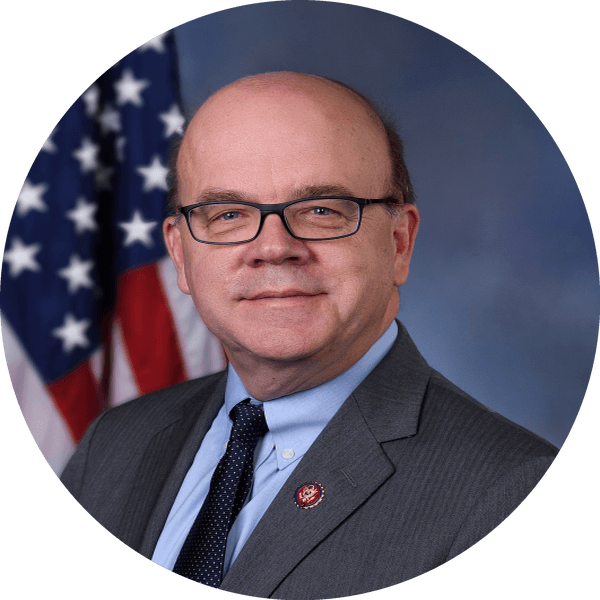
James McGovern
Democrat · MA
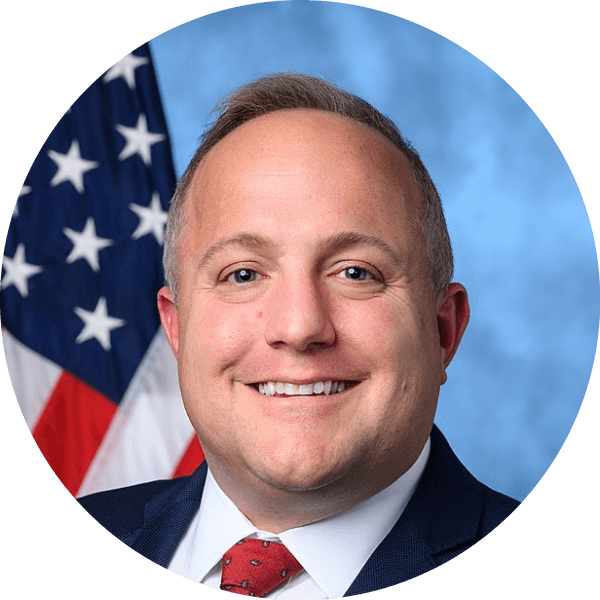
Russell Fry
Republican · SC

Suzan DelBene
Democrat · WA

Carol Miller
Republican · WV

Sheila Cherfilus-McCormick
Democrat · FL
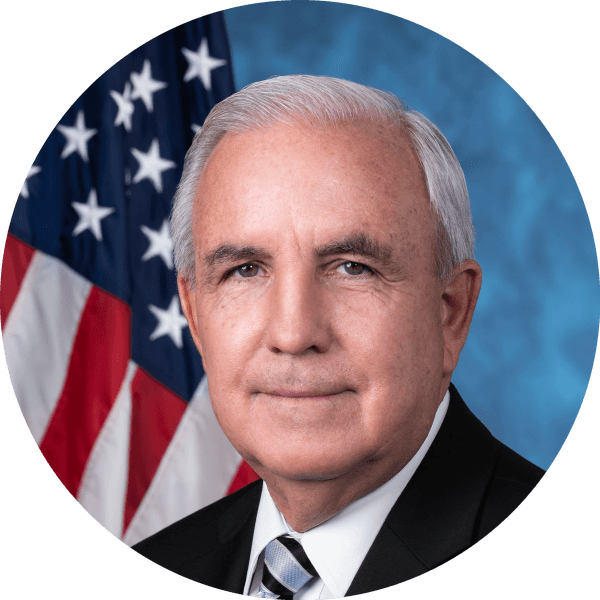
Carlos Gimenez
Republican · FL

Andrea Salinas
Democrat · OR

Michael Lawler
Republican · NY
Cosponsor Coverage Map
Committee Sponsors
Committee on House Administration
5 of 12 committee members cosponsored


Natural Resources Committee
27 of 45 committee members cosponsored


16 Republicans across these committees haven't cosponsored yet. Mobilize their constituents
H.R. 1329 Quick Facts
- Committee
- House Administration
- Chamber
- House
- Policy
- Arts, Culture, Religion
- Introduced
- Feb 13, 2025
Passed the House, received in Senate
May 21, 2026
Official Sources
Official legislative status page for H.R. 1329, including text, actions, cosponsors, and summaries.
The bill requires approval from the National Capital Planning Commission before the museum can be planned, designed, and constructed.
The Commission of Fine Arts is one of the design-review bodies specifically named in the bill for museum approvals.
This is the U.S. Code section governing the museum’s site and building provisions that H.R. 1329 would amend.
This is the museum purpose section that H.R. 1329 would amend to add statutory content rules about the museum’s mission.
This is the council section that H.R. 1329 would amend to require equal representation of different political viewpoints and authentic experiences.
The museum’s current statutory framework was enacted in the Consolidated Appropriations Act, 2021, which H.R. 1329 repeatedly amends.
H.R. 1329 Common Questions
Did H.R. 1329 pass?
No. The House rejected it on May 21, 2026, by a vote of 204 to 216. A motion to send it back to committee tied 209 to 209. It had 231 cosponsors going in, but the amended version lost on the floor.
What does H.R. 1329 actually do?
It would put the Smithsonian American Women's History Museum on a National Mall site, set federal design and approval rules, require regular reports to Congress, and add rules about what the museum can portray.
Where would the museum go under H.R. 1329?
The bill designates the South Monument site on the National Mall — the undeveloped land across from the National Museum of African American History and Culture — bordered by 14th Street SW, Jefferson Drive SW, Raoul Wallenberg Place SW, and Independence Avenue SW.
Could the President move the museum to another site?
Yes. The bill gives the President 180 days after enactment to designate an alternative site. If that window closed without action, the South Monument site would stay in place.
What content rules would H.R. 1329 add?
It says the museum is dedicated to the history, achievements, and lived experiences of biological women in the United States, and it bars the museum from identifying or depicting any biological male as female.
Would the museum have to include different political viewpoints?
Yes. The bill says the museum's council must, to the extent practicable, ensure equal representation of diverse political viewpoints and experiences held by women in the United States when building or revising exhibits.
Isn't the women's history museum already a thing?
Yes. Congress authorized the Smithsonian American Women's History Museum back in 2020. H.R. 1329 rewrote that earlier law to lock in a Mall site and add the content and viewpoint rules — it did not create the museum from scratch.
Does H.R. 1329 include funding for the museum?
No specific dollar amount appears in the bill. It does require the Smithsonian to reimburse federal approval-process costs within 60 days, with no cap, but it sets no construction or operating budget.
Based on H.R. 1329 bill text
H.R. 1329 Bill Text
“To permit the Smithsonian American Women’s History Museum to be located within the Reserve of the National Mall, and for other purposes.”
Source: U.S. Government Publishing Office
Get notified when H.R. 1329 moves
Committee votes, floor action, cosponsor changes — straight to your inbox.
Bill alerts + Legisletter's monthly briefing. Unsubscribe anytime.
Arts, Culture, Religion Bills
3 related bills we're tracking
Smithsonian National Museum of the American Latino Act

Referred to the Committee on House Administration, and in addition to the Committee on Natural Resources, for a period to be subsequently determined by the Speaker, in each case for consideration of such provisions as fall within the jurisdiction of the committee concerned.
Feb 13, 2025
African American History Act of 2026


Referred to the House Committee on House Administration.
Feb 26, 2026
American Music Tourism Act of 2025




Became Public Law No: 119-121.
Oct 9, 2026
Trending Right Now
Bills gaining momentum across Congress
North Platte Canteen Congressional Gold Medal Act




Referred to the House Committee on Financial Services.
Feb 21, 2025
ASAP Act





Ordered to be Reported in the Nature of a Substitute by the Yeas and Nays: 40 - 0.
Sep 16, 2026
Fit to Serve Act





Referred to the House Committee on Armed Services.
May 21, 2025
Tracking Arts, Culture, Religion in Congress? Monitor bills, track cosponsor momentum, and launch advocacy campaigns — all from one advocacy platform.