H.R. 1330: Smithsonian National Museum of the American Latino Act
Sponsor

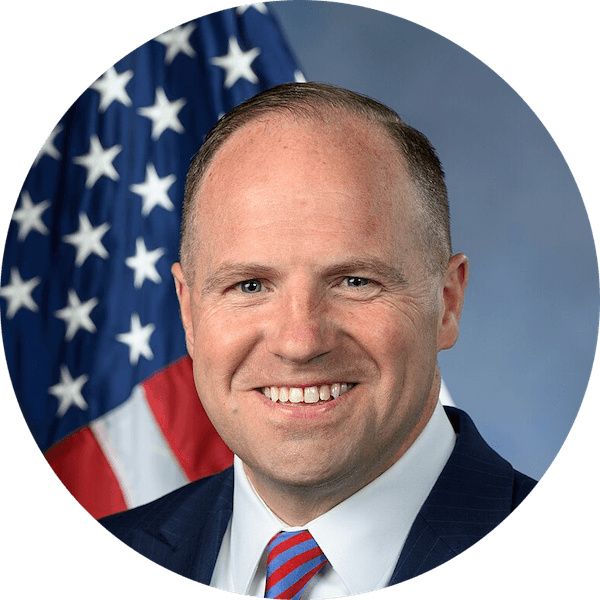
Nicole Malliotakis
Republican · NY-11
Bipartisan push to put a Latino museum on the Mall
Why it matters
126 House members from both parties have signed onto H.R. 1330. The bill would let the Smithsonian National Museum of the American Latino be built inside the National Mall Reserve, the protected zone the 2020 authorizing law specifically banned it from. It also tells museum leaders to seek out a 'broad array' of viewpoints, political ideologies, and lived experiences when designing exhibits, and to report to Congress every two years on compliance.
H.R. 1330 is short, but it changes two important things about how the planned Smithsonian National Museum of the American Latino gets built.
First, location. The bill says the museum may be placed inside the 'Reserve' of the National Mall, the protected core area roughly between the Capitol and the Lincoln Memorial where new museum construction is typically blocked. The 2020 law that authorized the museum specifically kept it out of the Reserve. H.R. 1330 strikes that restriction.
Second, getting the land. If the Smithsonian designates a site that another federal agency controls, the bill creates a streamlined transfer process. The Smithsonian notifies the agency, the agency notifies Congress, and the land or building is supposed to transfer 'as soon as practicable.' That removes one of the biggest practical hurdles in finding a permanent home.
The bill also adds something the original law didn't have: a directive that exhibits and programs reflect a 'broad spectrum' of Hispanic and Latino communities, including 'varied viewpoints, political ideologies, cultures, and lived experiences.' Museum leaders would have to seek guidance from a wide range of experts when creating or substantially revising exhibits. The Smithsonian would have to report to Congress within 120 days of enactment and every two years after that on how it's complying.
That last piece is where the politics get interesting. Sponsors say it's about authentic representation. Critics will read it as Congress weighing in on curatorial decisions, telling a federally backed museum what range of viewpoints to include, with biennial reports as the enforcement mechanism. The bill has rare bipartisan support — 126 cosponsors led by Rep. Nicole Malliotakis (R-NY) — but the viewpoint provision is what makes it more than a routine siting bill.
Bill Progress
Latest Action · Feb 13, 2025
Referred to House Administration, and in addition to the Committee on Natural Resources, for a period to be subsequently determined by the Speaker, in each case for consideration of such provisions as fall within the jurisdiction of the committee concerned. for review
H.R. 1330 Bill Summary
What H.R. 1330 actually does.
Latino museum could be built on the protected Mall Reserve
The bill says the museum may be located within the Reserve, the most protected core area of the National Mall where new museum construction is typically blocked under federal law.
Removes the 2020 law's ban on Reserve siting
Strikes the language in the 2020 museum statute that explicitly kept the museum out of the Reserve, treating the change as if it had always been part of the original law.
Streamlines federal land transfers to the Smithsonian
If the Smithsonian designates a site controlled by another federal agency, that agency must notify seven congressional committees and then transfer the land or structure as soon as practicable.
Mandates viewpoint diversity in exhibits and programs
The Board of Trustees must ensure exhibits reflect 'varied viewpoints, political ideologies, cultures, and lived experiences' across Hispanic and Latino communities, both for new exhibits and substantial revisions.
Defines who can advise the museum on exhibit content
Museum leaders must seek guidance from a 'broad array' of knowledgeable sources, defined as experts and publications representing the spectrum of Hispanic and Latino communities and viewpoints in the United States.
Requires biennial compliance reports to Congress
The Smithsonian Secretary must report within 120 days of enactment, then every two years, on how the museum is meeting the new exhibit and program standards, including how it handles substantial exhibit revisions.
Who benefits from H.R. 1330?
Smithsonian National Museum of the American Latino
The museum gains access to the most prestigious museum sites in the country and a faster process for acquiring federally controlled land.
Hispanic and Latino communities in the United States
Roughly 65 million people. Their histories and experiences could get a front-row platform on the National Mall, alongside the African American and American Indian museums.
Bipartisan museum supporters in Congress
126 cosponsors from both parties, ranging from Rep. Nicole Malliotakis (R-NY) to Reps. Joaquin Castro (D-TX), Maria Salazar (R-FL), and Alexandria Ocasio-Cortez (D-NY).
Mall visitors and students
Roughly 24 million people visit the National Mall annually. A Latino museum on a high-profile site would be far more visible than one tucked into an off-Mall location.
Who is affected by H.R. 1330?
Smithsonian leadership and the Board of Trustees
They face new legal expectations on siting, exhibit development, source selection, and biennial reporting to Congress.
Federal agencies controlling possible museum sites
If the Smithsonian designates a site under their jurisdiction, they must notify Congress and transfer the land or building to the Smithsonian.
National Mall planners and preservation advocates
Groups like the National Capital Planning Commission and Mall preservation organizations would have to grapple with the precedent of allowing another museum inside the Reserve.
Curators and exhibit advisers
Historians and community advisers could play a larger role in shaping exhibits, but face more political scrutiny over what counts as balanced representation.
HR1330 Legislative Journey
House: Committee Action
Feb 13, 2025
Referred to the Committee on House Administration, and in addition to the Committee on Natural Resources, for a period to be subsequently determined by the Speaker, in each case for consideration of such provisions as fall within the jurisdiction of the committee concerned.
About the Sponsor
Nicole Malliotakis
Republican, New York's 11th congressional district · 5 years in Congress
Committees: Joint Economic Committee, Ways and Means
View full profile →
Cosponsors (130)
This bill has 130 cosponsors: 94 Democrats, 36 Republicans, reflecting bipartisan support. Cosponsors represent 35 states: Alabama, Arizona, California, and 32 more.
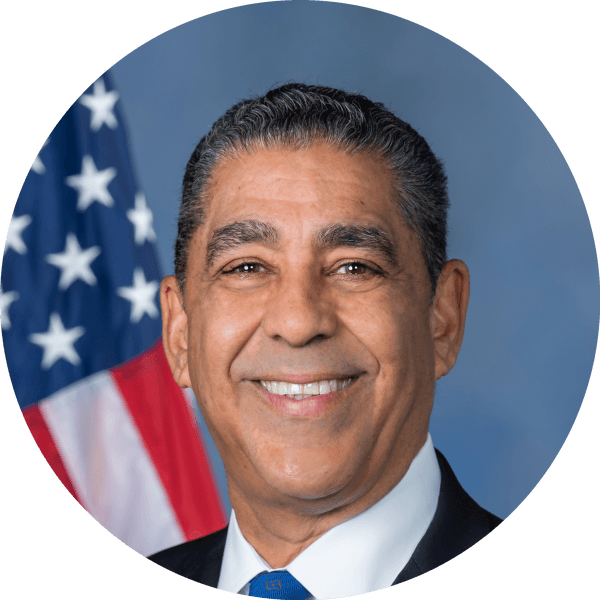
Adriano Espaillat
Democrat · NY
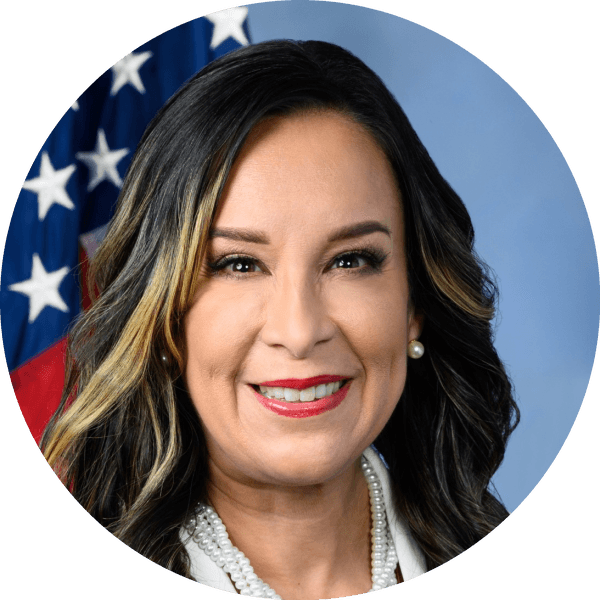
Monica De La Cruz
Republican · TX

Debbie Dingell
Democrat · MI
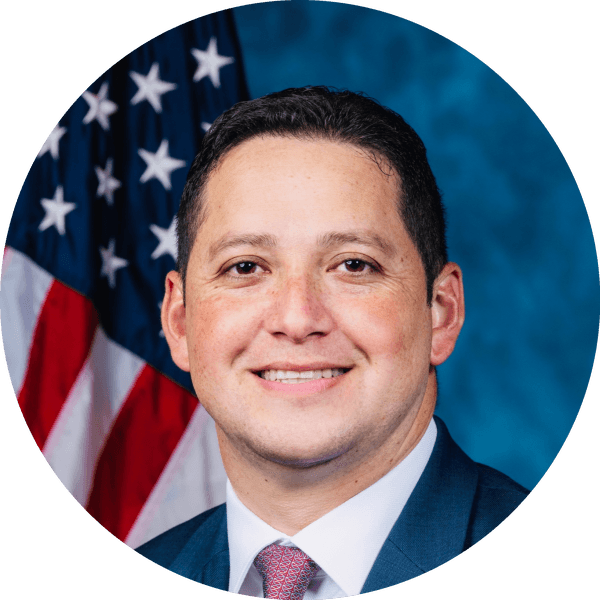
Tony Gonzales
Republican · TX
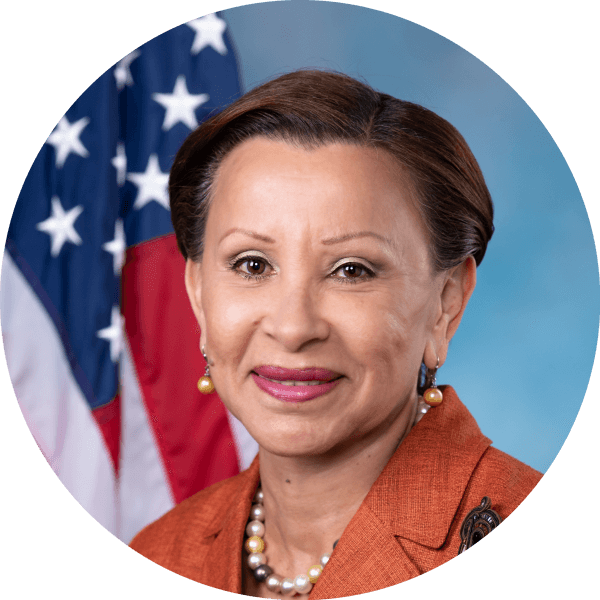
Nydia Velázquez
Democrat · NY

David Schweikert
Republican · AZ
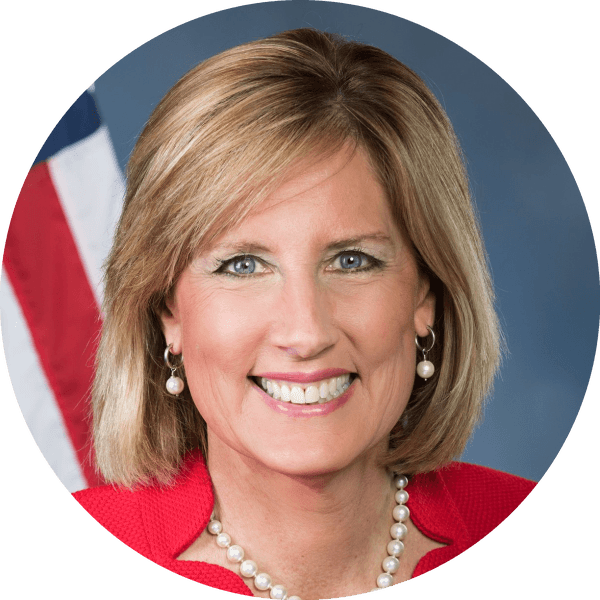
Claudia Tenney
Republican · NY
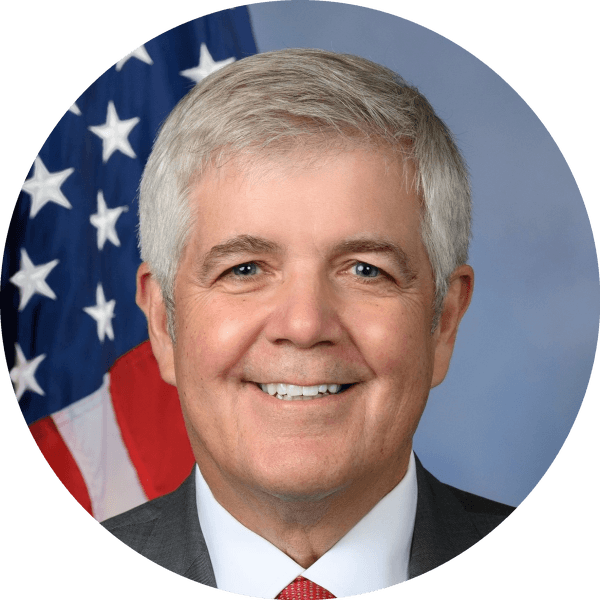
Cliff Bentz
Republican · OR
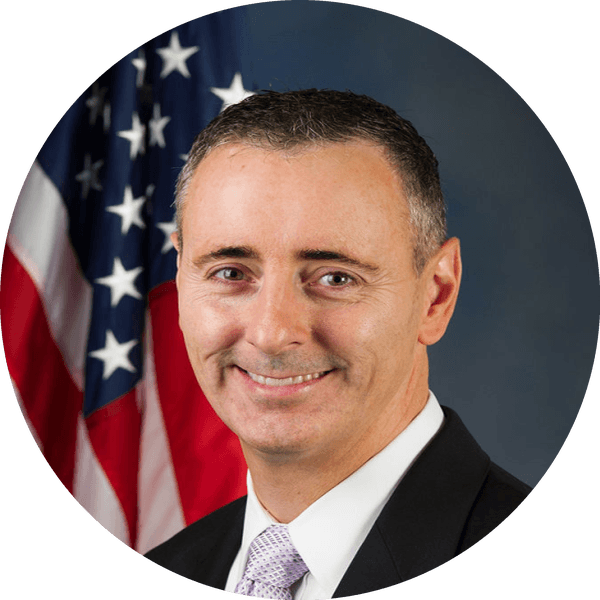
Brian Fitzpatrick
Republican · PA
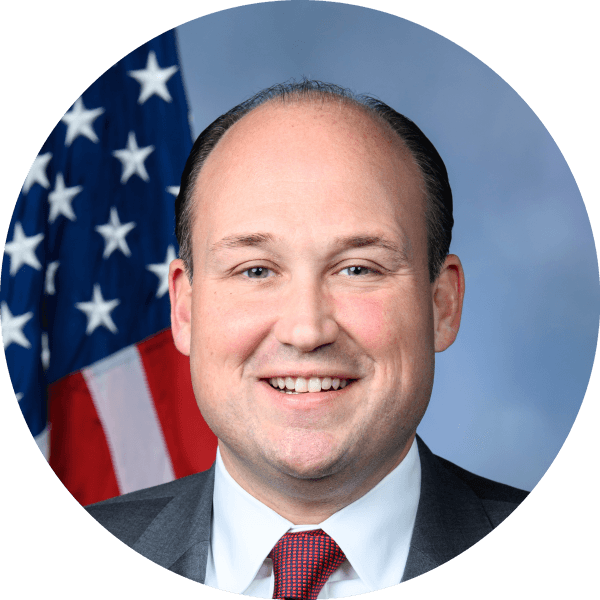
Nicholas Langworthy
Republican · NY
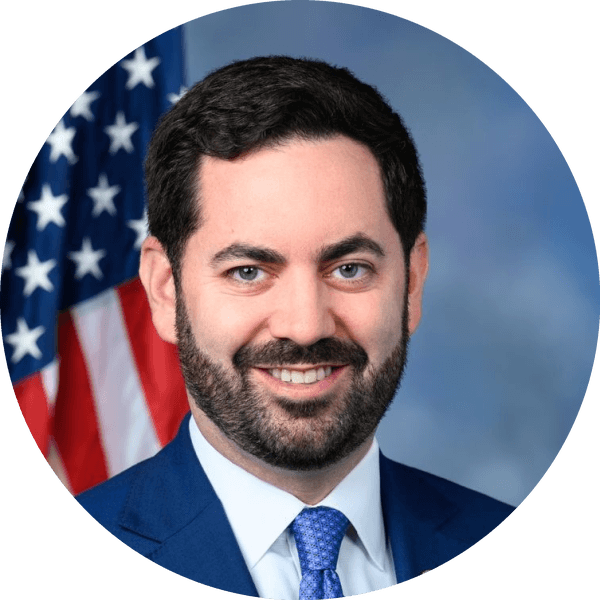
Michael Lawler
Republican · NY

Gus Bilirakis
Republican · FL
Cosponsor Coverage Map
Committee Sponsors
Natural Resources Committee
15 of 45 committee members cosponsored


Committee on House Administration
3 of 12 committee members cosponsored


29 Republicans across these committees haven't cosponsored yet. Mobilize their constituents
H.R. 1330 Quick Facts
- Committee
- Natural Resources
- Chamber
- House
- Policy
- Arts, Culture, Religion
- Introduced
- Feb 13, 2025
Referred to House Administration, and in addition to the Committee on Natural Resources, for a period to be subsequently determined by the Speaker, in each case for consideration of such provisions as fall within the jurisdiction of the committee concerned. for review
Feb 13, 2025
Official Sources
Official bill text, cosponsors, and legislative history for the Smithsonian National Museum of the American Latino Act
The museum's official page describing its mission, current status, and plans for a permanent building on or near the National Mall
The National Capital Planning Commission's page on the Mall and the Reserve no-build zone that this bill would open to the Latino museum
The federal master plan identifying 100 potential memorial and museum sites — the planning framework this bill's siting change works within
Interactive map showing the boundaries of the National Mall Reserve where this bill would allow the Latino museum to be built
The full text of the 2020 statute this bill amends, including the original siting restrictions and museum governance structure
The National Park Service page for the National Mall, the area where the museum would be sited under this bill
One of the two committees this bill was referred to — has jurisdiction over the Smithsonian Institution
H.R. 1330 Common Questions
Where will the Smithsonian Latino museum be built?
A site hasn't been chosen yet. H.R. 1330 would allow the museum inside the National Mall Reserve, the protected core stretch from the Capitol to the Lincoln Memorial, by lifting the restriction in the 2020 law that authorized the museum.
Why isn't the Latino museum built yet?
Congress authorized it in 2020, but the original law restricted where it could go and didn't fund construction. The Smithsonian has been planning, fundraising, and looking for a site. H.R. 1330 would unlock the most prominent Mall locations.
Does H.R. 1330 require political viewpoint diversity in museum exhibits?
Yes. The bill directs the Board of Trustees to ensure exhibits and programs reflect a 'broad spectrum' of Hispanic and Latino viewpoints, political ideologies, cultures, and lived experiences when creating or substantially revising content.
Can the Smithsonian take land from another federal agency to build the museum?
Yes, with notice. If the Smithsonian designates a site controlled by another federal agency, that agency must notify Congress and then transfer the land or building 'as soon as practicable.'
How often would the museum have to report to Congress?
The Smithsonian Secretary would file an initial report within 120 days of enactment and every two years after that. The reports cover how the museum is meeting the new exhibit and program requirements, including major exhibit revisions.
Who is sponsoring H.R. 1330?
Rep. Nicole Malliotakis (R-NY) introduced the bill on February 13, 2025. It has 126 cosponsors from both parties, including Reps. Pete Aguilar (D-CA), Adriano Espaillat (D-NY), Maria Salazar (R-FL), and Joaquin Castro (D-TX).
Does H.R. 1330 provide funding to build the museum?
No. The bill changes the rules around siting, federal land transfers, and exhibit standards. It doesn't authorize new construction or operating money. Future funding would come through appropriations, Smithsonian budgets, and private fundraising.
Does H.R. 1330 take effect retroactively?
Yes. The bill says its changes take effect as if they had been part of the original 2020 law that created the museum. That treats the museum as if it always had access to the Reserve and the new exhibit standards.
Based on H.R. 1330 bill text
H.R. 1330 Bill Text
“To permit the Smithsonian National Museum of the American Latino to be located within the Reserve of the National Mall, and for other purposes.”
Source: U.S. Government Publishing Office
Get notified when H.R. 1330 moves
Committee votes, floor action, cosponsor changes — straight to your inbox.
Bill alerts + Legisletter's monthly briefing. Unsubscribe anytime.
Arts, Culture, Religion Bills
3 related bills we're tracking
Smithsonian American Women’s History Museum Act

Motion to reconsider laid on the table Agreed to without objection.
May 21, 2026
African American History Act of 2026


Referred to the House Committee on House Administration.
Feb 26, 2026
American Music Tourism Act of 2025



Became Public Law No: 119-121.
Oct 9, 2026
Trending Right Now
Bills gaining momentum across Congress
North Platte Canteen Congressional Gold Medal Act



Referred to the House Committee on Financial Services.
Feb 21, 2025
Fit to Serve Act



Referred to the House Committee on Armed Services.
May 21, 2025
ASAP Act


Ordered to be Reported in the Nature of a Substitute by the Yeas and Nays: 40 - 0.
Sep 16, 2026
Tracking Arts, Culture, Religion in Congress? Monitor bills, track cosponsor momentum, and launch advocacy campaigns — all from one advocacy platform.