S. 2398: Kay Hagan Tick Reauthorization Act
Sponsor

Susan Collins
Republican · ME
Federal tick-disease tracking shouldn't run on an expired law
Why it matters
Five more years of federal tick-disease work, through 2030. S. 2398 renews the CDC's national vector-borne disease strategy, its regional research centers, and its support for state, local, and tribal health departments, whose legal authorization covered 2021 through 2025. It has now passed both the Senate and the House by voice vote and goes to the President.
Congress set up a federal framework for tick- and mosquito-borne disease in 2019 and gave it a five-year run. S. 2398 renews that framework for 2026 through 2030, so the national strategy, the regional research centers, and the health department support continue on the same terms.
Three things get renewed. The CDC keeps a national strategy for vector-borne diseases. It keeps funding regional centers of excellence, which pair universities with public health agencies to study how these diseases spread. And it keeps cooperative agreements that help state, local, and tribal health departments build the capacity to prevent and respond to outbreaks.
The only date change is the window: 2021-2025 becomes 2026-2030. The dollar levels already in law are not touched, and the actual money still has to come through yearly appropriations.
Two wording changes come along with it. When HHS develops the strategy, the law currently names the Tick-Borne Disease Working Group as a group it must consult; the bill replaces that with "appropriate individuals." And the regional centers work shifts from being done "in coordination with" federal agencies to being done "acting through" them, which places the work inside those agencies.
For you, the practical effect is continuity: the federal pieces behind local tick surveillance and research keep running rather than operating on an expired authorization.
Bill Progress
Latest Action · Sep 30, 2026
Became Public Law No: 119-118.
S. 2398 Bill Summary
What S. 2398 actually does.
The national tick-disease strategy continues
The CDC's national strategy for vector-borne diseases is authorized for 2026 through 2030, replacing the 2021-2025 window in current law.
Regional research centers stay funded
The regional centers of excellence in vector-borne diseases, which link academic researchers with public health agencies, remain authorized through 2030.
Your local health department keeps its federal partner
Cooperative agreements that help state, local, and tribal health departments prevent, detect, and respond to vector-borne disease are extended through 2030.
Consultation opens beyond one named group
The law would no longer name the Tick-Borne Disease Working Group as a required consultee for the national strategy. HHS would instead consult "appropriate individuals."
Research-center work runs inside federal agencies
The regional centers provision changes from HHS working "in coordination with" federal agencies to "acting through" them.
Who benefits from S. 2398?
People who live, work, or play where ticks are common
Hikers, farmers, landscapers, and families in the Northeast, upper Midwest, and mid-Atlantic, where Lyme disease is concentrated, keep the federal surveillance and prevention work behind their local health alerts.
State, local, and tribal health departments
They keep a current federal authorization for the cooperative agreements that help pay for tracking and responding to vector-borne disease through 2030.
Researchers at the regional centers of excellence
University and public health teams studying how ticks and mosquitoes spread disease keep a five-year authorization, which makes longer studies easier to plan.
Patients with tick-borne illness
There is no direct payment or new coverage. The benefit is indirect: better case tracking and research can mean earlier warnings and better-informed doctors.
Who is affected by S. 2398?
HHS and the CDC
They continue running these programs through 2030 under revised language on who is consulted for the strategy and how the regional centers work is carried out.
The Tick-Borne Disease Working Group
It would no longer be named in the law as a consultee for the national strategy. HHS could still consult its members as "appropriate individuals."
Appropriators
The bill extends existing authority without new dollar figures, so each year's spending bill decides how much these programs actually receive.
S2398 Legislative Journey
Signed into Law
Sep 30, 2026
Became Public Law No: 119-118.
+3 more actions this day
Action Taken
Sep 29, 2026
Presented to President.
House: Vote Held
Sep 15, 2026
On motion to suspend the rules and pass the bill Agreed to by voice vote. (text: CR H5670)
House: Action Taken
Aug 10, 2026
Held at the desk.
Passed 4494-4495
Aug 6, 2026
Passed Senate with an amendment by Voice Vote. (consideration: CR S4494-4495; text: CR S4494-4495)
+1 more action this day
Committee Action
Sep 8, 2025
Committee on Health, Education, Labor, and Pensions. Reported by Senator Cassidy with an amendment in the nature of a substitute. Without written report.
Passed Committee
Jul 30, 2025
Committee on Health, Education, Labor, and Pensions. Ordered to be reported with an amendment in the nature of a substitute favorably.
Committee Action
Jul 23, 2025
Read twice and referred to the Committee on Health, Education, Labor, and Pensions.
About the Sponsor
Susan Collins
Republican, ME · 29 years in Congress
Committees: Appropriations, Health, Education, Labor, and Pensions, Senate Select Committee on Intelligence
View full profile →
Cosponsors at time of passage (23)
This bill has 23 cosponsors: 15 Democrats, 7 Republicans, 1 Independent, reflecting bipartisan support. Cosponsors represent 18 states: Arkansas, California, Colorado, and 15 more.

Tina Smith
Democrat · MN

Angus King
Independent · ME

Kirsten Gillibrand
Democrat · NY

Amy Klobuchar
Democrat · MN

Josh Hawley
Republican · MO
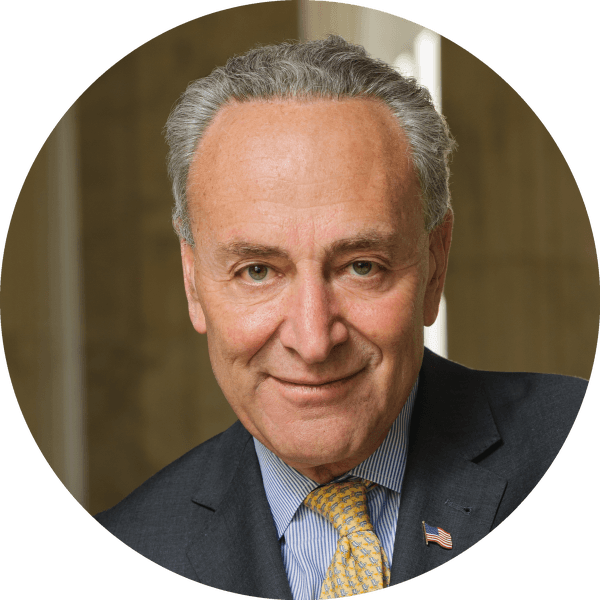
Charles Schumer
Democrat · NY
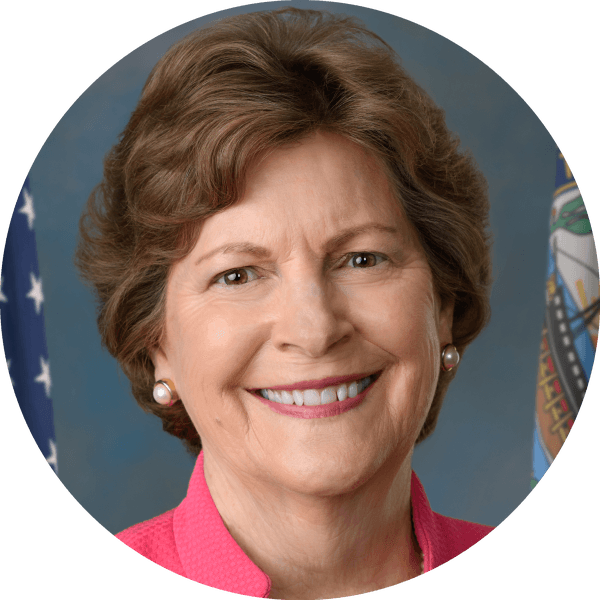
Jeanne Shaheen
Democrat · NH
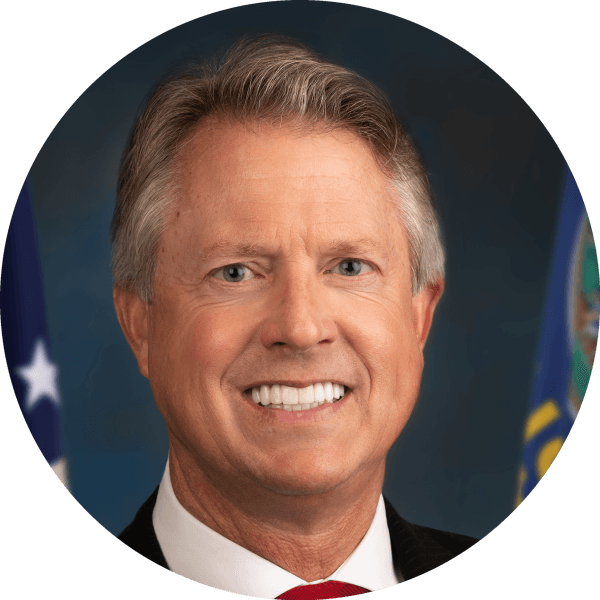
Roger Marshall
Republican · KS

Maggie Hassan
Democrat · NH
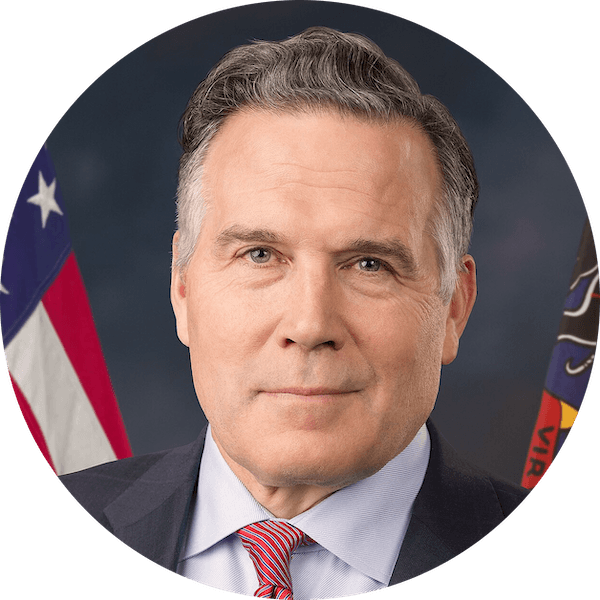
David McCormick
Republican · PA

Shelley Capito
Republican · WV
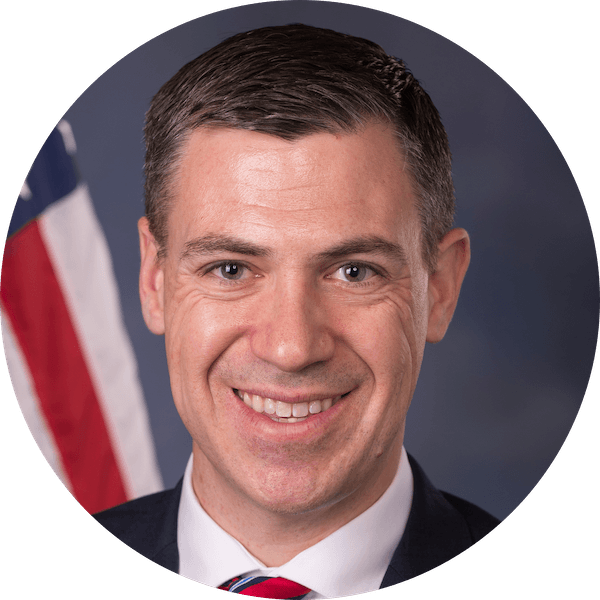
Jim Banks
Republican · IN
Committee Sponsors
Health, Education, Labor, and Pensions Committee
6 of 23 committee members cosponsored at the time


What laws does S. 2398 change?
1 changes
Sections Amended
Section 2822(c) of Public Health Service Act (42 U.S.C. 300hh-32(c))
striking ``2021 through 2025'' and inserting ``2026 through 2030''
S. 2398 Quick Facts
- Committee
- Health, Education, Labor, and Pensions
- Chamber
- Senate
- Policy
- Health
- Introduced
- Jul 23, 2025
Became Public Law No: 119-118.
Sep 30, 2026
Official Sources
Full text, sponsors, and the Senate and House voice-vote actions for the Kay Hagan Tick Reauthorization Act.
The Congressional Budget Office estimates the reauthorized programs would cost $101 million over 2026-2030, assuming the authorized amounts are appropriated.
The current law the bill amends, including the $10 million-a-year authorization for the regional centers and the Tick-Borne Disease Working Group consultation language.
The current law behind the $20 million-a-year cooperative agreements with state, local, and tribal health departments that S. 2398 extends through 2030.
CDC’s page on the university-based regional centers whose authorization the bill renews.
The national strategy HHS and CDC released under the original Kay Hagan Tick Act, which S. 2398 keeps authorized.
Symptoms, prevention, testing, and treatment for the most common tick-borne illness tracked by the programs this bill renews.
The final text passed by both chambers and sent to the President.
About Legisletter
Legisletter is the advocacy platform that tracks every bill from introduction to Public Law — and connects the constituents affected by a bill to the legislators who vote on it.
S. 2398 Common Questions
What does S. 2398 do?
It renews federal tick- and mosquito-borne disease programs for five years, 2026 through 2030. That covers the CDC's national strategy, regional research centers, and support for state, local, and tribal health departments.
Has the Kay Hagan Tick Reauthorization Act passed?
Yes, both chambers. The Senate passed it by voice vote on August 6, 2026, and the House passed it by voice vote on September 15, 2026. It next goes to the President.
Who was Kay Hagan?
Kay Hagan was a U.S. senator from North Carolina. She died in 2019 after contracting Powassan virus, a tick-borne illness. The original Kay Hagan Tick Act, signed that year, created the programs this bill renews.
Will my local health department still get help tracking Lyme disease?
The bill extends the federal cooperative agreements that support state, local, and tribal health departments through 2030. How much each department receives still depends on yearly appropriations.
What are the regional centers of excellence in vector-borne diseases?
They are CDC-funded partnerships between universities and public health agencies that study how ticks and mosquitoes spread disease and test ways to prevent it. S. 2398 keeps them authorized through 2030.
What happens to the Tick-Borne Disease Working Group?
The bill removes its name from the list of who HHS must consult on the national strategy and replaces it with "appropriate individuals." The bill itself does not abolish the group.
How much does S. 2398 cost?
It adds no new dollar figures. It moves the existing authorization window from 2021-2025 to 2026-2030, and actual spending is set each year by Congress in appropriations bills.
Based on S. 2398 bill text
S. 2398 Bill Text
“To reauthorize the Kay Hagan Tick Act, and for other purposes.”
Source: U.S. Government Publishing Office
Get notified when S. 2398 moves
Committee votes, floor action, cosponsor changes — straight to your inbox.
Bill alerts + Legisletter's monthly briefing. Unsubscribe anytime.
Health Bills
9 related bills we're tracking
Nancy Gardner Sewell Medicare Multi-Cancer Early Detection Screening Coverage Act


Reported (Amended) by the Committee on Ways and Means. H. Rept. 119-333, Part I.
Oct 3, 2025
Mikaela Naylon Give Kids a Chance Act




Received in the Senate.
Dec 2, 2025
Improving Seniors’ Timely Access to Care Act of 2025
Ordered to be Reported in the Nature of a Substitute by the Yeas and Nays: 42 - 0.
Jul 15, 2026
CONNECT for Health Act of 2025




Referred to the Committee on Energy and Commerce, and in addition to the Committee on Ways and Means, for a period to be subsequently determined by the Speaker, in each case for consideration of such provisions as fall within the jurisdiction of the committee concerned.
Jun 26, 2025
ASAP Act



Ordered to be Reported in the Nature of a Substitute by the Yeas and Nays: 40 - 0.
Sep 16, 2026
Momnibus Act



Referred to the Subcommittee on Health.
Apr 20, 2026
Ensuring Lasting Smiles Act



Referred to the Committee on Energy and Commerce, and in addition to the Committees on Education and Workforce, and Ways and Means, for a period to be subsequently determined by the Speaker, in each case for consideration of such provisions as fall within the jurisdiction of the committee concerned.
May 8, 2025
Right to Contraception Act
Referred to the House Committee on Energy and Commerce.
Feb 5, 2025
Women’s Health Protection Act of 2025


Referred to the Committee on Energy and Commerce, and in addition to the Committee on the Judiciary, for a period to be subsequently determined by the Speaker, in each case for consideration of such provisions as fall within the jurisdiction of the committee concerned.
Jun 24, 2025
Trending Right Now
Bills gaining momentum across Congress
America’s Olympic and Paralympic Games Commemorative Coins Act




Referred to the House Committee on Financial Services.
Jul 14, 2025
Fit to Serve Act
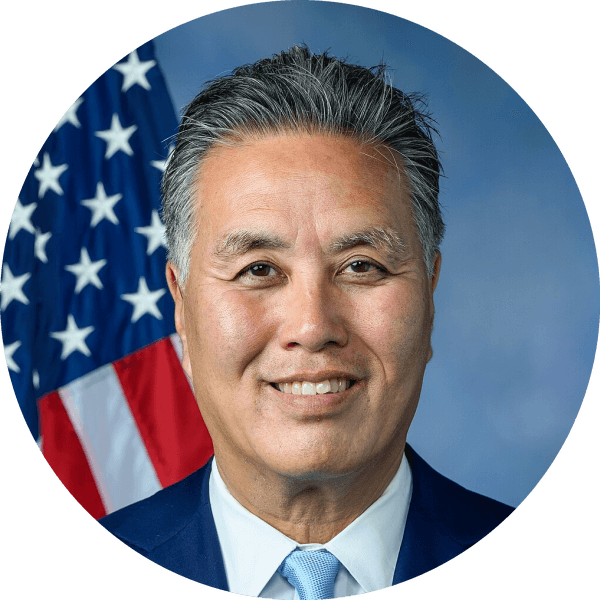


Referred to the House Committee on Armed Services.
May 21, 2025
Therapeutic Fraud Prevention Act of 2025

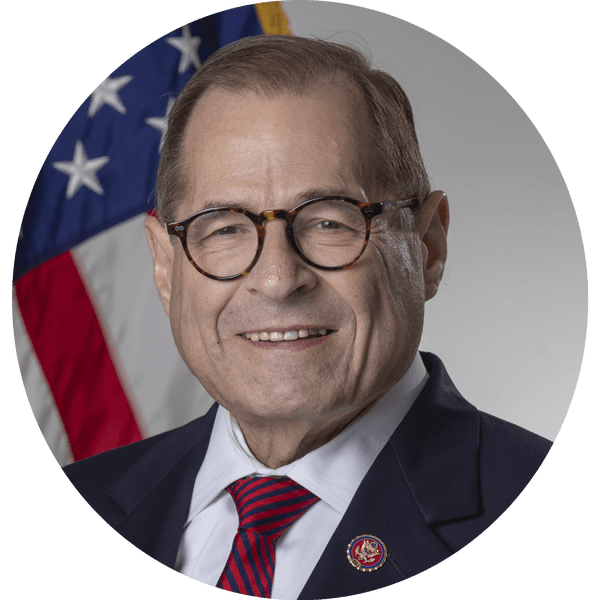

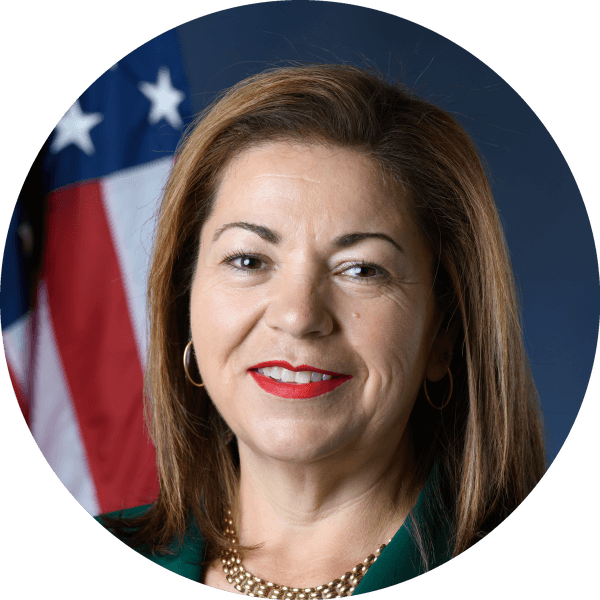

Referred to the House Committee on Energy and Commerce.
May 7, 2025
Tracking Health in Congress? Monitor bills, track cosponsor momentum, and launch advocacy campaigns — all from one advocacy platform.