H.R. 349: Goldie’s Act
Sponsor

Nicole Malliotakis
Republican · NY-11
Federal inspectors would have to act, not just document
Why it matters
A federal inspector can walk into a licensed dog breeder, a roadside zoo, or a research lab, find an animal sick, injured, or starving, write it all up — and current law doesn't require anyone to do anything before the next visit. H.R. 349, named for a dog called Goldie, would make USDA inspect every covered facility at least once a year, confiscate animals found suffering because of violations, and fine violators up to $10,000 per animal, per violation, per day. It has 90 cosponsors from both parties.
Goldie's Act starts by spelling out what counts as a violation. It says any deficiency, deviation, or failure to follow federal animal welfare rules is a violation — language meant to make it harder to wave a problem off as too minor to act on.
It then makes inspections mandatory rather than discretionary. USDA would have to inspect every covered dog dealer, exhibitor, and research facility at least once a year, and if inspectors find violations, they have to keep coming back until the problems are fixed.
The heart of the bill is what happens when an inspector finds an animal actually suffering. USDA would have to write rules requiring inspectors to promptly seize animals being physically or psychologically harmed by a facility's violations, and in some cases have them humanely euthanized. A facility warned that a confiscation is coming can't destroy that animal first — or any other animal it holds — without written USDA approval until the seizure is done.
The penalties get sharper too. Fines can reach $10,000 for each violation, each day a violation continues counts as its own offense, and the total is calculated per animal and per violation — with a floor the agency can't discount away by 10 percent or more. Hearings would generally have to happen within 21 days, in front of a veterinarian and animal-care specialists, and USDA would have to hand violation records to state and local animal control or police within 24 hours.
Supporters see this as turning a paperwork process into real enforcement. Breeders, exhibitors, and research institutions are likely to see a heavier compliance load, faster escalation, and far less room to settle problems informally.
Bill Progress
Latest Action · Feb 14, 2025
Assigned to Subcommittee on Livestock, Dairy, and Poultry. for review
H.R. 349 Bill Summary
What H.R. 349 actually does.
Suffering animals get pulled out, not just photographed
USDA would have to write rules requiring inspectors to promptly confiscate any animal found suffering physical or psychological harm because of a facility's violations, and in some cases have it humanely euthanized.
A facility can't destroy an animal to dodge a seizure
Once notified that a confiscation is intended, a facility is barred from destroying that animal — or any other animal it owns or holds — without USDA's prior written consent until the seizure is complete.
Annual inspections become mandatory
USDA would have to inspect every covered dealer, exhibitor, and research facility — including premises, animals, vehicles, and equipment — at least once a year, with follow-up visits until all violations are corrected.
Any failure to comply counts as a violation
The bill defines a violation as any deficiency, deviation, or other failure to follow the Animal Welfare Act or its rules, making it harder to dismiss a problem as too minor to enforce.
Fines reach $10,000 per animal, per violation, per day
Civil penalties can hit $10,000 for each violation, each day counts as a separate offense, totals are figured per animal and per violation, and the amount can't be cut by 10 percent or more. Ignoring a cease-and-desist order adds a $1,500 penalty.
Local police get violation records within 24 hours
USDA would have to send records of any documented violation to state, local, and municipal animal control or law enforcement within 24 hours of the inspection or investigation.
Who benefits from H.R. 349?
Animals at licensed dealers, labs, and exhibitors
These are the animals inspectors currently document but aren't always required to remove. The bill would force prompt confiscation when an animal is suffering because of a facility's violations.
Animal welfare advocates and groups
They would gain mandatory inspections, mandatory confiscation of suffering animals, and far less agency discretion to delay or downgrade enforcement.
State and local animal control and police
They would receive federal violation records within 24 hours, letting them act on cases in their own jurisdiction instead of waiting on a federal process.
Facilities already meeting the standards
Operators who already follow the rules face less competition from those who cut corners once enforcement becomes consistent and mandatory.
Who is affected by H.R. 349?
Commercial dog dealers and breeders
They would face yearly inspections, repeat follow-up visits until problems are fixed, sharply higher fines, and faster escalation when violations are found.
Animal exhibitors and transporters
Roadside zoos, carriers, and intermediate handlers would see closer scrutiny of their facilities, vehicles, records, and the condition of their animals.
Research facilities using animals
They would be subject to annual inspections and possible confiscation of animals suffering from violations that are no longer needed for the study they were used in.
USDA Animal Care staff
The agency would take on a much larger mandatory workload — yearly inspections of every facility, repeat follow-ups, 24-hour reporting, fast hearings, and confiscation procedures — with no new funding attached.
HR349 Legislative Journey
House: Committee Action
Feb 14, 2025
Referred to the Subcommittee on Livestock, Dairy, and Poultry.
House: Committee Action
Jan 13, 2025
Referred to the House Committee on Agriculture.
About the Sponsor
Nicole Malliotakis
Republican, New York's 11th congressional district · 5 years in Congress
Committees: Joint Economic Committee, Ways and Means
View full profile →
Cosponsors (108)
This bill has 108 cosponsors: 93 Democrats, 15 Republicans, reflecting bipartisan support. Cosponsors represent 33 states: California, Colorado, Connecticut, and 30 more.

Raja Krishnamoorthi
Democrat · IL
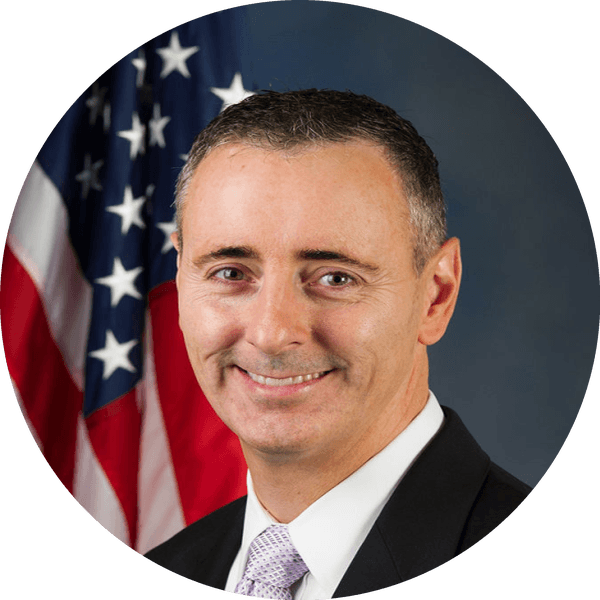
Brian Fitzpatrick
Republican · PA

Mike Quigley
Democrat · IL

Christopher Smith
Republican · NJ

Zachary Nunn
Republican · IA

Chris Pappas
Democrat · NH

Grace Meng
Democrat · NY

Nanette Barragán
Democrat · CA
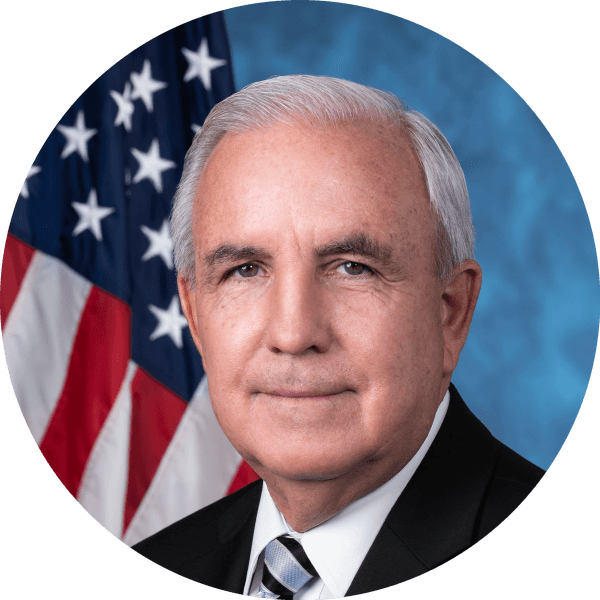
Carlos Gimenez
Republican · FL

Donald Beyer
Democrat · VA
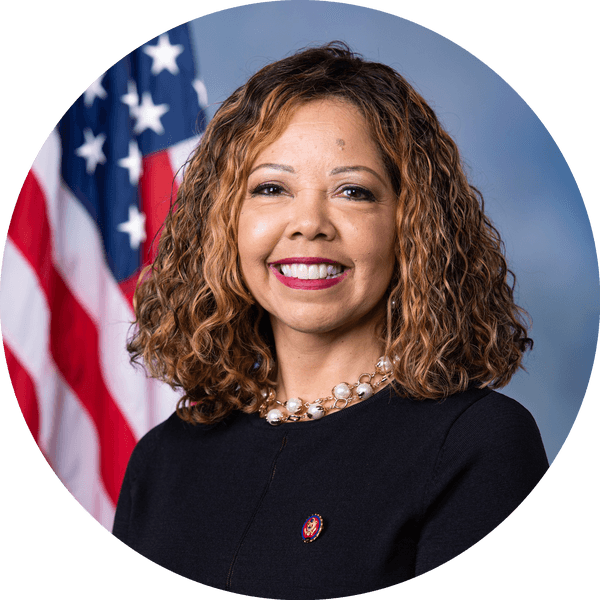
Lucy McBath
Democrat · GA

Sheila Cherfilus-McCormick
Democrat · FL
Cosponsor Coverage Map
Committee Sponsors
Agriculture Committee
15 of 53 committee members cosponsored


27 Republicans across this committee haven't cosponsored yet. Mobilize their constituents
What laws does H.R. 349 change?
4 changes
Sections Amended
Section 2 of Animal Welfare Act (7 U.S.C. 2132)
adding at the end the following: ``(p) The term `violation' means, with respect to a provision of this Act or any regulation or standard issued thereunder, any deficiency, deviation, or other failure to comply with any such provision or regulation or standard
Section 16(a) of Animal Welfare Act (7 U.S.C. 2146(a))
read as follows: ``(a)(1) The Secretary shall determine whether any dealer, exhibitor, intermediate handler, carrier, research facility, or operator of an auction sale subject to section 12 of this Act, has violated or is violating any provision of this Act or any regulation or standard issued thereunder
Section 15 of Animal Welfare Act (7 U.S.C. 2145)
adding at the end the following: ``(c) The Secretary shall provide a copy of all records documenting any violation identified during inspection or investigation pursuant to section 16 to State, local, and municipal animal control or law enforcement officials of appropriate jurisdiction within 24 hours of such inspection or investigation
Section 19(b) of Animal Welfare Act (7 U.S.C. 2149(b))
read as follows: ``(b)(1) Any dealer, exhibitor, research facility, intermediate handler, carrier, or operator of an auction sale subject to section 12 of this Act, that violates any provision of this Act, or any rule, regulation, or standard promulgated by the Secretary thereunder, shall be subject to a civil penalty by the Secretary of not more than $10,000 for each such violation, and the Secretary shall also make an order that such person shall cease and desist from continuing such violation
H.R. 349 Quick Facts
- Committee
- Agriculture
- Chamber
- House
- Policy
- Animals
- Introduced
- Jan 13, 2025
Assigned to Subcommittee on Livestock, Dairy, and Poultry. for review
Feb 14, 2025
Official Sources
Official page for H.R. 349 (Goldie’s Act) with full text, 90 cosponsors, actions, and committee referrals
Section the bill amends to add a broad new definition of ‘violation’ covering any deficiency, deviation, or failure to comply
Section the bill rewrites to mandate annual inspections, follow-up visits, and prompt confiscation of suffering animals
Section the bill amends to require USDA to share violation records with State and local law enforcement within 24 hours
Section the bill rewrites to raise civil penalties to $10,000 per violation per day and require hearings within 21 days
USDA Animal Care’s inspection, investigation, warning, and civil-penalty process — the enforcement system this bill would tighten
Plain-language overview of the Animal Welfare Act, its legislative history, covered animals, and regulations
Who is lobbying on H.R. 349?
3 organizations lobbying on this bill
ZOOLOGICAL ASSOCIATION OF AMERICA | 8 |
THE CAVALRY GROUP LLC | 4 |
AMERICAN KENNEL CLUB, INC | 3 |
Showing 1-3 of 3 organizations
H.R. 349 Common Questions
What does Goldie's Act (H.R. 349) actually do?
It tightens how USDA enforces the Animal Welfare Act: mandatory yearly inspections of dog dealers, exhibitors, and research facilities, repeat visits until violations are fixed, prompt confiscation of animals suffering because of violations, and fines up to $10,000 per animal, per violation, per day.
How big are the fines under Goldie's Act?
Up to $10,000 for each violation. Each day a violation continues is a separate offense, and the total is figured per animal and per violation — and the agency can't discount it by 10% or more. Knowingly ignoring a cease-and-desist order adds a $1,500 penalty.
Can USDA seize animals from a breeder or research lab?
Yes. The bill requires USDA to write rules forcing inspectors to promptly confiscate any animal found suffering physical or psychological harm because of a facility's violations — and, in some cases, to have it humanely euthanized.
Can a facility destroy animals before USDA confiscates them?
No. Once a facility is notified that a confiscation is coming, it can't destroy that animal — or any other animal it owns or holds — without USDA's prior written consent until the confiscation is finished.
How often would USDA have to inspect animal facilities?
At least once a year for every covered dealer, exhibitor, and research facility, including their premises, animals, vehicles, and equipment. If inspectors find violations, they have to keep returning until everything is corrected.
Which businesses does Goldie's Act cover?
Animal dealers, exhibitors, intermediate handlers, carriers, research facilities, and operators of auction sales regulated under the Animal Welfare Act. Commercial dog breeders are a central focus of the bill.
Has Goldie's Act passed?
Not yet. H.R. 349 was introduced in January 2025 and referred to the House Agriculture Committee's Subcommittee on Livestock, Dairy, and Poultry. It has 90 bipartisan cosponsors but has not had a markup or floor vote.
Why is it called Goldie's Act?
H.R. 349 is named after a dog called Goldie. Animal-welfare advocates have pointed to her case to argue that current law lets USDA document serious problems at a licensed facility without being required to act — the enforcement gap this bill is written to close.
Based on H.R. 349 bill text
H.R. 349 Bill Text
“To amend the Animal Welfare Act to increase enforcement with respect to violations of that Act, and for other purposes.”
Source: U.S. Government Publishing Office
Get notified when H.R. 349 moves
Committee votes, floor action, cosponsor changes — straight to your inbox.
Bill alerts + Legisletter's monthly briefing. Unsubscribe anytime.
Animals Bills
4 related bills we're tracking
Puppy Protection Act of 2025

Referred to the Subcommittee on Livestock, Dairy, and Poultry.
Apr 4, 2025
Better CARE for Animals Act of 2025

Referred to the House Committee on Agriculture.
Apr 30, 2025
PAST Act of 2025




Referred to the House Committee on Energy and Commerce.
Feb 27, 2025
FIGHT Act of 2025



Referred to the House Committee on Agriculture.
Jun 12, 2025
Trending Right Now
Bills gaining momentum across Congress
North Platte Canteen Congressional Gold Medal Act



Referred to the House Committee on Financial Services.
Feb 21, 2025
Fit to Serve Act




Referred to the House Committee on Armed Services.
May 21, 2025
ASAP Act


Ordered to be Reported in the Nature of a Substitute by the Yeas and Nays: 40 - 0.
Sep 16, 2026
Tracking Animals in Congress? Monitor bills, track cosponsor momentum, and launch advocacy campaigns — all from one advocacy platform.