S. 2132: CLEAR Path Act
Sponsor
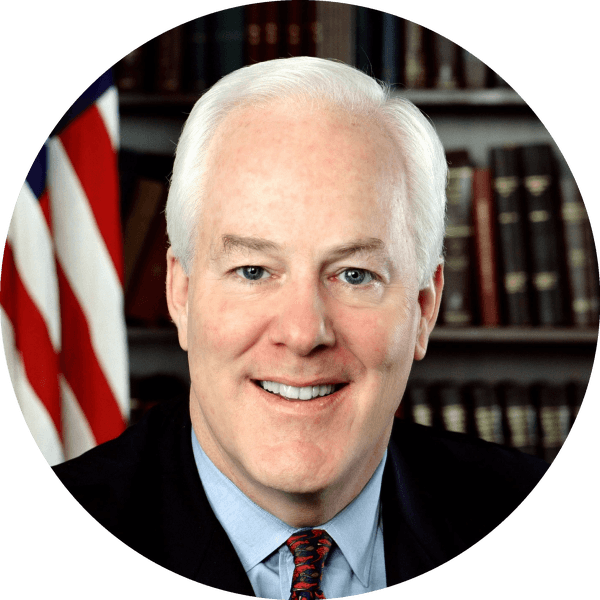
John Cornyn
Republican · TX
Future top officials couldn't lobby for hostile governments
Why it matters
Cabinet secretaries, agency chiefs, and their deputies sometimes leave office and go to work influencing Washington for foreign governments. S. 2132 would put that off-limits for future Senate-confirmed appointees when the client is a government the U.S. treats as an adversary. The rule cleared the Senate on a bipartisan voice vote and is built to sunset five years after it takes effect.
S. 2132, the CLEAR Path Act, goes after a specific version of the revolving door: top executive branch officials who later help foreign governments lobby Washington.
The mechanism is straightforward. If you're appointed to a Senate-confirmed executive job after the bill becomes law, you couldn't knowingly represent, aid, or advise a foreign government from a "country of concern" — the government's label for designated adversaries — when the goal is influencing officials in Congress or the executive branch.
It's narrow by design. The restriction hits presidential appointees who need Senate confirmation, not the broader federal workforce. And it carves out legal work: a licensed U.S. attorney giving legal advice isn't covered.
Congress keeps control of the target list. The State Department, working with the Justice Department, can propose adding or dropping countries, but a change only sticks if Congress passes a joint resolution approving it.
The rule also has a built-in expiration. It applies only to people appointed after the bill becomes law, and the whole restriction sunsets five years after enactment — though the bill says violations during that window can still be prosecuted afterward.
Bill Progress
Latest Action · Apr 22, 2026
Passed the Senate, received in House
S. 2132 Bill Summary
What S. 2132 actually does.
Influence work for adversarial governments becomes off-limits
Future Senate-confirmed executive officials couldn't knowingly represent, aid, or advise a foreign government from a designated "country of concern" when trying to influence U.S. executive or legislative branch officials.
Only the top, Senate-confirmed jobs are covered
The rule reaches executive branch positions filled by the President with Senate confirmation. Career civil servants and most federal employees fall outside it.
Legal advice is carved out
A licensed U.S. attorney acting in a legal capacity or providing legal advice is excluded from the bill's definition of representation.
The whole rule sunsets in five years
The restriction applies only to people appointed after enactment and stops applying five years later — though the bill says conduct before that deadline can still be prosecuted afterward.
Congress controls the list of covered countries
The Secretary of State, in consultation with the Attorney General, can propose adding or removing countries, but the change takes effect only after Congress passes a joint resolution approving it.
Agencies must warn officials coming and going
Departments would have to notify covered officials about the restriction when they're appointed and again when they leave service.
Newly added countries come with a 30-day delay
If Congress approves adding a country to the list, the restriction starts 30 days later for covered officials dealing with that government.
Who benefits from S. 2132?
Advocates for tougher government ethics
They'd get a bright-line rule aimed at the government's highest-ranking appointees, backed by criminal penalties rather than internal policy.
Congress as a check on foreign influence
Lawmakers wouldn't have to defer to the executive branch's judgment. S. 2132 hands Congress a direct vote before the covered-country list can change.
Agencies managing post-employment compliance
Required notice at the start and end of service gives departments a cleaner process and a paper trail showing officials were warned.
Who is affected by S. 2132?
Future Senate-confirmed appointees
If you're appointed after the bill becomes law, certain foreign-influence work would be off-limits to you while the rule is in effect.
Former officials chasing foreign clients
You could still work after leaving office — just not by helping a designated adversarial government influence U.S. officials during the covered period.
Governments on the "country of concern" list
They'd have a smaller pool of former senior U.S. officials available to help them navigate Washington.
State and Justice Department leadership
They'd shape proposals to add or remove countries, but couldn't make a change stick without Congress signing off.
S2132 Legislative Journey
House: Action Taken
Apr 22, 2026
Held at the desk.
Passed 1854-1855
Apr 21, 2026
Passed Senate with an amendment by Voice Vote. (consideration: CR S1854; text of amendment in the nature of a substitute: CR S1854-1855)
+1 more action this day
Committee Action
Jan 28, 2026
Committee on the Judiciary. Reported by Senator Grassley with an amendment in the nature of a substitute. Without written report.
Passed Committee
Jan 15, 2026
Committee on the Judiciary. Ordered to be reported with an amendment in the nature of a substitute favorably.
Committee Action
Jun 18, 2025
Read twice and referred to the Committee on the Judiciary.
About the Sponsor
John Cornyn
Republican, TX · 24 years in Congress
Committees: United States Senate Caucus on International Narcotics Control, Finance, the Judiciary
View full profile →
Cosponsors (4)
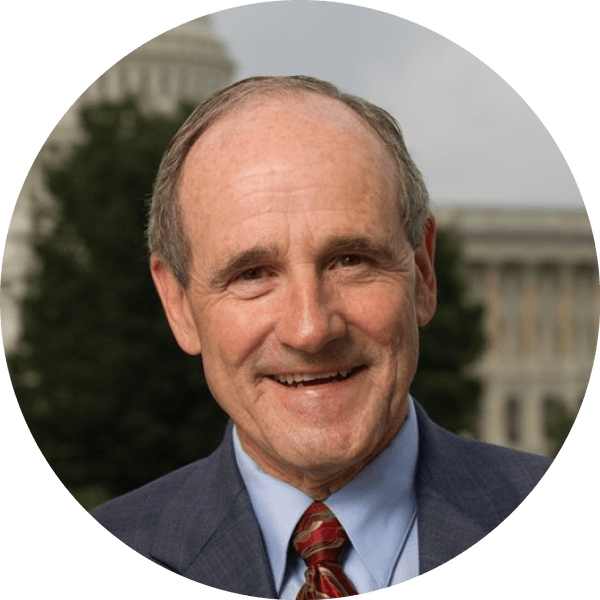
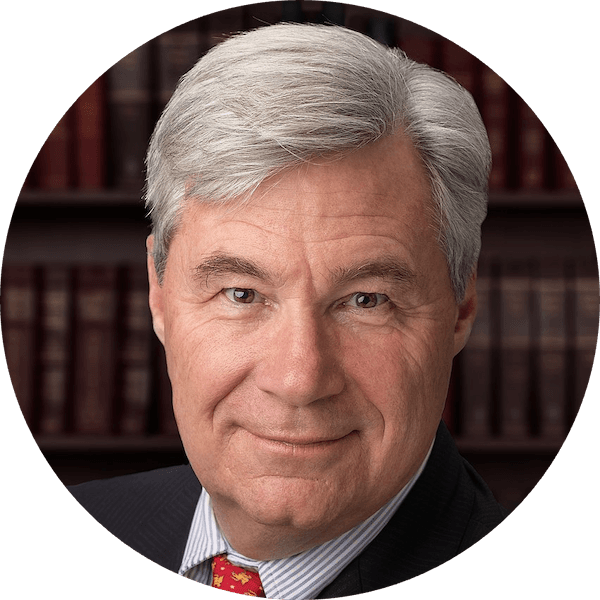
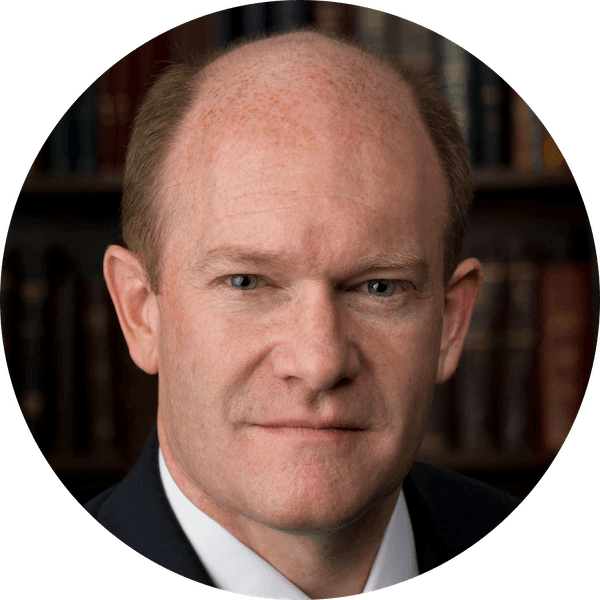
This bill has 4 cosponsors: 3 Democrats, 1 Republican, reflecting bipartisan support. Cosponsors represent 4 states: Delaware, Idaho, Rhode Island, and 1 more.
Committee Sponsors
Judiciary Committee
3 of 21 committee members cosponsored


11 Republicans across this committee haven't cosponsored yet. Mobilize their constituents
What laws does S. 2132 change?
1 changes
Sections Amended
Section 1(m) of State Department Basic Authorities Act of 1956 (22 U.S.C. 2651a(m))
inserting after paragraph (6), as added by section 3(b), the following: ``(7) Modification to definition of `country of concern'
S. 2132 Quick Facts

- Committee
- Judiciary
- Chamber
- Senate
- Policy
- Crime and Law Enforcement
- Introduced
- Jun 18, 2025
Passed the Senate, received in House
Apr 22, 2026
Official Sources
Official bill page with status, text, sponsors, and actions for the CLEAR Path Act.
The bill amends 18 U.S.C. 207 to create the new extended post-employment restriction for certain Senate-confirmed officials.
The bill says violations are punished as provided in section 216, the existing federal penalty framework for conflict-of-interest crimes.
The bill relies on subsection (m) of this State Department statute for the definition of 'country of concern' and 'foreign governmental entity.'
OGE administers the executive branch ethics program, including the existing 18 U.S.C. 207 post-employment restrictions the bill extends.
The committee considered and reported S. 2132 with an amendment in the nature of a substitute before Senate passage.
Any proposal to modify the covered-country list is referred here, and the Senate joint resolution of approval goes to this committee.
S. 2132 Common Questions
Who does S. 2132 apply to?
It targets future executive branch officials appointed by the President and confirmed by the Senate. It doesn't reach every former federal employee — just the top, Senate-confirmed posts.
What kind of work would be banned?
You couldn't knowingly represent, aid, or advise a designated adversarial government before U.S. executive or legislative branch officials when the goal is influencing an official decision.
How long does the restriction in S. 2132 last?
The whole rule is built to expire five years after it takes effect, and it only covers people appointed after the bill becomes law. So it's effectively a five-year experiment, not a permanent fixture — but conduct during that window can still be prosecuted later.
Does S. 2132 cover officials already in office?
No. The new rule applies only to people appointed to covered positions on or after the bill becomes law.
Are lawyers exempt under S. 2132?
Partly. A licensed U.S. attorney acting in a legal capacity or giving legal advice is carved out of the bill's definition of representation.
Can the executive branch change the country list on its own?
No. The Secretary of State, in consultation with the Attorney General, can propose changes, but Congress has to pass a joint resolution before they take effect.
What happens if someone violates S. 2132?
Violations would be prosecuted under existing federal criminal penalty rules, so this is more than an internal ethics policy.
Has S. 2132 passed?
The Senate passed it by voice vote in April 2026, and it's now in the House, held at the desk. It still needs House approval and the President's signature to become law.
Based on S. 2132 bill text
S. 2132 Bill Text
“To amend title 18, United States Code, to prevent and mitigate the potential for conflicts of interest following government service, and for other purposes.”
Source: U.S. Government Publishing Office
Get notified when S. 2132 moves
Committee votes, floor action, cosponsor changes — straight to your inbox.
Bill alerts + Legisletter's monthly briefing. Unsubscribe anytime.
Crime and Law Enforcement Bills
9 related bills we're tracking
Crime Victims Fund Stabilization Act of 2025

Received in the Senate and Read twice and referred to the Committee on the Judiciary.
Jan 13, 2026
Bipartisan Background Checks Act of 2025

Referred to the House Committee on the Judiciary.
Jun 10, 2025
Combating Organized Retail Crime Act of 2025
Received in the Senate and Read twice and referred to the Committee on the Judiciary.
May 13, 2026
Ethan's Law

Referred to the House Committee on the Judiciary.
Feb 25, 2025
Assault Weapons Ban of 2025

Referred to the House Committee on the Judiciary.
Apr 30, 2025
Constitutional Concealed Carry Reciprocity Act of 2025

Placed on the Union Calendar, Calendar No. 289.
Oct 3, 2025
Honoring Our Fallen Heroes Act of 2025

Referred to the House Committee on the Judiciary.
Feb 12, 2025
Raise the Age Act of 2025

Referred to the House Committee on the Judiciary.
Mar 26, 2025
Born-Alive Abortion Survivors Protection Act

Received in the Senate and Read twice and referred to the Committee on the Judiciary.
Jan 24, 2025
Trending Right Now
Bills gaining momentum across Congress
North Platte Canteen Congressional Gold Medal Act



Referred to the House Committee on Financial Services.
Feb 21, 2025
Fit to Serve Act


Referred to the House Committee on Armed Services.
May 21, 2025
ASAP Act





Ordered to be Reported in the Nature of a Substitute by the Yeas and Nays: 40 - 0.
Sep 16, 2026
Tracking Crime and Law Enforcement in Congress? Monitor bills, track cosponsor momentum, and launch advocacy campaigns — all from one advocacy platform.