H.R. 9328: Improving Travel for Military Members Act
Sponsor

Sheri Biggs
Republican · SC-3
Military families get a TSA fast-lane test
Why it matters
TSA could test this within 60 days: a three-year pilot to move active-duty service members and family members through airport screening faster at airports near military bases. If it happens, your trip could get a shorter security line without changing who still has to pass normal vetting.
H.R. 9328 would let TSA try a military-family fast lane at airports near major bases, with a pilot that could start within 60 days and run for three years.
This is not automatic TSA PreCheck, and it is not a nationwide benefit. The bill gives TSA permission to launch a limited pilot for active-duty service members and accompanying family members, but the agency does not have to do it.
You would still go through security screening based on your existing vetting status, and your boarding pass would still have to show eligibility before you could enter TSA PreCheck or another expedited lane. That means the bill is about faster access to screening, not skipping security rules.
Where the pilot shows up matters. TSA must prioritize airports near military installations, but the agency gets to decide how close an airport must be to a base and how many active-duty personnel must be stationed there before that airport moves up the list.
Airports also need enough room for dedicated screening lanes. Local TSA managers could open or close lanes and shift staff around based on passenger volume while the pilot is running.
The biggest catch is that nothing changes unless TSA chooses to launch the pilot in the first place. If it does, Congress gets a briefing within nine months on how the test is working.
Bill Progress
Latest Action · Jul 14, 2026
Passed the House, received in Senate
H.R. 9328 Bill Summary
What H.R. 9328 actually does.
Faster screening pilot for military travelers
TSA may create a pilot program within 60 days of enactment to speed access to airport security screening for active-duty service members and the family members traveling with them.
Three years to test whether it works
If TSA launches the program, the pilot would run for three years rather than becoming a permanent nationwide policy right away.
No automatic TSA PreCheck access
Passengers could not be sent into TSA PreCheck or another expedited lane unless their boarding pass already shows they qualify for that lane.
Normal vetting still applies
The bill requires TSA to keep screening passengers based on their existing vetting status, so faster access does not mean skipping security checks.
Airports near military bases get priority
TSA must prioritize airports near military installations, but the agency decides the distance cutoff and the minimum number of active-duty personnel needed for priority consideration.
Congress gets an early progress report
If the pilot starts, TSA must brief key House and Senate committees within nine months on how the program is operating.
Who benefits from H.R. 9328?
Active-duty service members flying on orders or personal travel
If TSA launches the pilot at your airport, you could get to the checkpoint faster instead of waiting in the standard screening line.
Spouses and kids traveling with a service member
The bill covers accompanying family members too, which matters most when the trip involves children, bags, and tight military travel schedules.
Airports serving large base communities
Airports near major military installations would be first in line for the pilot if they have room to set up dedicated lanes.
Who is affected by H.R. 9328?
TSA leadership
The agency would decide whether to launch the pilot at all, then set the rules for which airports qualify and how the lanes operate.
TSA officers and airport managers
Checkpoint staff would need to enforce the boarding-pass rule for expedited lanes, while local managers could shift lanes and staff based on passenger volume.
Other travelers at pilot airports
Non-military passengers could see lanes opened, closed, or reassigned as TSA adjusts staffing around the pilot.
Military families far from selected airports
If your airport is not near a qualifying base or lacks space for dedicated lanes, this bill may not change your trip at all.
HR9328 Legislative Journey
Committee Action
Jul 14, 2026
Received in the Senate and Read twice and referred to the Committee on Commerce, Science, and Transportation.
House: Vote Held
Jul 13, 2026
On motion to suspend the rules and pass the bill, as amended Agreed to by voice vote. (text: CR H4391)
House: Vote: 30-0
Jun 24, 2026
Ordered to be Reported by the Yeas and Nays: 30 - 0.
House: Committee Action
Jun 18, 2026
Referred to the House Committee on Homeland Security.
About the Sponsor
Sheri Biggs
Republican, South Carolina's 3rd congressional district · 1 years in Congress
Committees: Homeland Security, Science, Space, and Technology, Foreign Affairs
View full profile →
Cosponsors (2)
All 2 cosponsors are Democrats. Cosponsors represent 2 states: New York, Virginia.
Committee Sponsors
Commerce, Science, and Transportation Committee
0 of 28 committee members cosponsored
No committee members have cosponsored this bill
Homeland Security Committee
1 of 33 committee members cosponsored

33 Republicans across these committees haven't cosponsored yet. Mobilize their constituents
H.R. 9328 Quick Facts


- Committee
- Commerce, Science, and Transportation
- Chamber
- House
- Policy
- Armed Forces and National Security
- Introduced
- Jun 18, 2026
Passed the House, received in Senate
Jul 14, 2026
Official Sources
Official bill status, text, sponsors, and legislative actions for the Improving Travel for Military Members Act.
Official TSA page explaining who qualifies for TSA PreCheck, which is relevant because the bill does not automatically grant PreCheck access.
Official U.S. Code page for the section cited in the bill regarding passenger vetting and security requirements.
Official U.S. Code page for the screening authority cited in the bill’s prohibition on allowing ineligible passengers into expedited lanes.
Official TSA overview of airport security screening, helpful for explaining that normal screening rules still apply under the pilot.
Official U.S. Code page containing the definition of military installation referenced in the airport-selection section of the bill.
H.R. 9328 Common Questions
Does H.R. 9328 automatically give military families TSA PreCheck?
No. H.R. 9328 does not automatically grant TSA PreCheck. Your boarding pass would still need to show you qualify for PreCheck or another expedited lane.
Who could use the faster screening pilot under H.R. 9328?
Active-duty service members and the family members traveling with them could use it, but only if TSA chooses to launch the pilot and only at selected airports.
Would military travelers still go through normal security checks?
Yes. The bill says passengers must still be screened based on their existing vetting status. It speeds access to screening; it does not waive security rules.
How soon could TSA start the pilot in H.R. 9328?
TSA could start it within 60 days after the bill becomes law. But the key word is could—the bill makes the pilot optional, not mandatory.
How long would the military airport screening pilot last?
If TSA launches it, the pilot would run for three years.
Which airports would likely be picked for the H.R. 9328 pilot?
TSA must prioritize airports near military installations. The agency would decide how close an airport must be to a base and how large that base must be.
Could H.R. 9328 change security lines for other passengers too?
Possibly. The bill lets local TSA managers open or close lanes and shift staff based on passenger volume, so other travelers could see checkpoint changes at pilot airports.
What happens after TSA starts the pilot?
If the pilot begins, TSA must brief Congress within nine months on how the program is working.
Based on H.R. 9328 bill text
H.R. 9328 Bill Text
“To improve travel for active-duty military personnel and accompanying family, and for other purposes.”
Source: U.S. Government Publishing Office
Get notified when H.R. 9328 moves
Committee votes, floor action, cosponsor changes — straight to your inbox.
Bill alerts + Legisletter's monthly briefing. Unsubscribe anytime.
Armed Forces and National Security Bills
9 related bills we're tracking
Major Richard Star Act

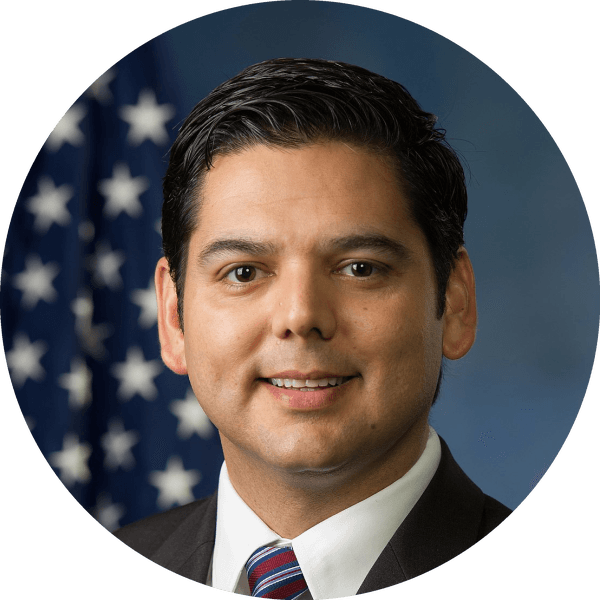



Referred to the Subcommittee on Disability Assistance and Memorial Affairs.
Apr 4, 2025
Pay Our Troops Act of 2026

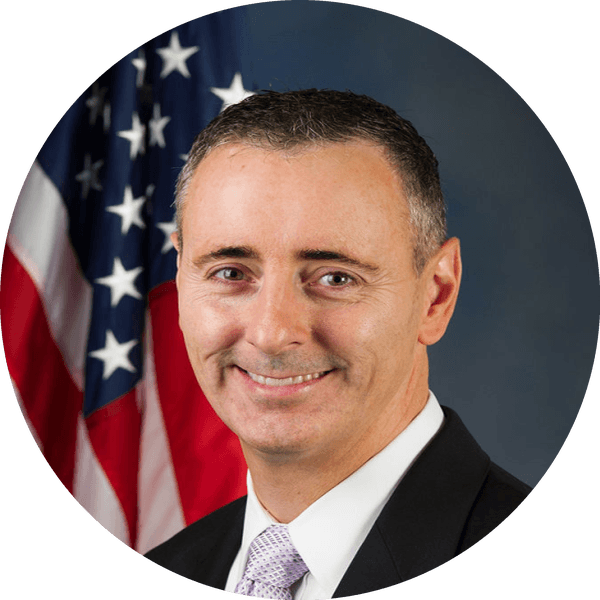



Referred to the House Committee on Appropriations.
Sep 16, 2025
Fit to Serve Act

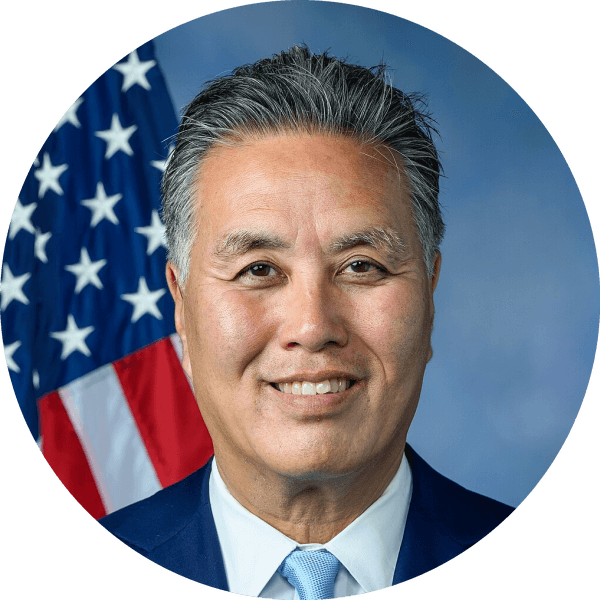



Referred to the House Committee on Armed Services.
May 21, 2025
Love Lives On Act of 2025





Forwarded by Subcommittee to Full Committee by Voice Vote.
Mar 26, 2026
Air America Act of 2025

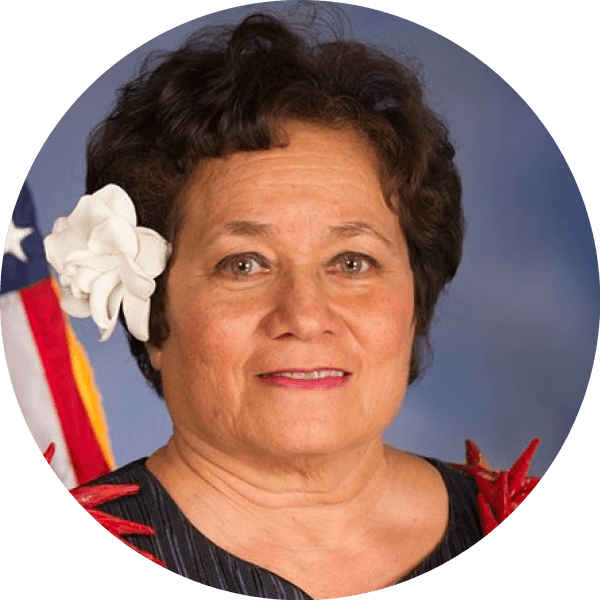
Referred to the House Committee on Intelligence (Permanent Select).
Mar 18, 2025
Veteran Burial Timeliness and Death Certificate Accountability Act


Subcommittee Hearings Held
Jun 30, 2026
Reproductive Freedom for Veterans Act





Committee Hearings Held
Mar 18, 2026
GUARD VA Benefits Act




Committee Hearings Held
Mar 18, 2026
Caring for Survivors Act of 2025



Subcommittee Hearings Held
Jun 24, 2025
Trending Right Now
Bills gaining momentum across Congress
America’s Olympic and Paralympic Games Commemorative Coins Act




Referred to the House Committee on Financial Services.
Jul 14, 2025
ASAP Act


Ordered to be Reported in the Nature of a Substitute by the Yeas and Nays: 40 - 0.
Sep 16, 2026
Therapeutic Fraud Prevention Act of 2025



Referred to the House Committee on Energy and Commerce.
May 7, 2025
Tracking Armed Forces and National Security in Congress? Monitor bills, track cosponsor momentum, and launch advocacy campaigns — all from one advocacy platform.