H.R. 7827: Stop Militarizing Our Streets Act of 2026
Sponsor
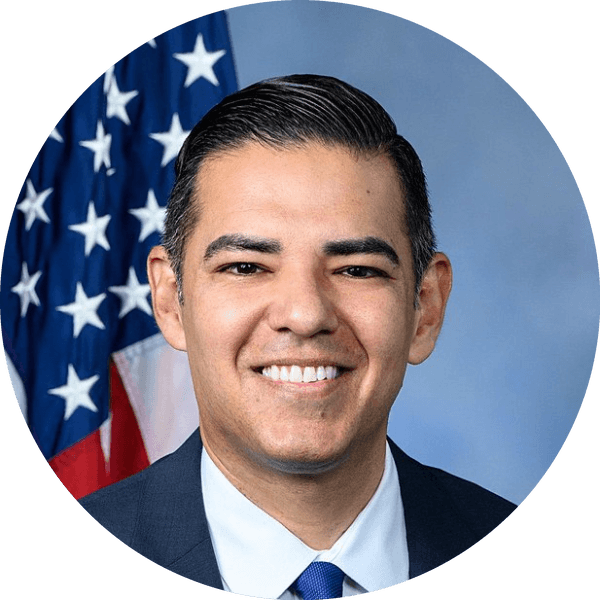
Robert Garcia
Democrat · CA-42
Pentagon money shouldn't flow to civilian assault-weapon sellers
Why it matters
Gun and ammunition makers that sell to both the military and the public would have to pick one under H.R. 7827: stop selling semiautomatic assault-style rifles and .22-caliber-or-larger ammunition to civilians, or lose Defense Department contracts. Dealers that stay in the Pentagon supply chain would face 500-round monthly ammo limits per buyer and a cutoff if too many of their guns turn up at crime scenes quickly.
The federal government owns plants that make ammunition and firearms, and some of their output reaches ordinary gun store shelves. The bill's title, the Stop Militarizing Our Streets Act, names the concern sponsors want to address: military-grade weapons and rounds moving from defense production lines into the civilian market.
The bill closes that pipeline from both ends. The Pentagon could not sell covered assault weapons or ammunition to civilian dealers, and it could not buy anything from a company that sells them to the public. Because covered ammunition means anything .22 caliber or larger, that second rule reaches most of the ammunition sold in America.
For every other gun and round, the bill sets conditions instead of a ban. A dealer — or the manufacturer supplying it — keeps Pentagon eligibility only if the dealer holds a federal license, waits for a completed background check before every sale, and keeps remotely searchable records of its firearm inventory and every ammunition sale.
Dealers in the supply chain could sell one buyer no more than 500 rounds of covered ammunition, or 1,000 rounds of other ammunition, in any 30-day period. They would also lose eligibility if the Justice Department traced more than 24 crime guns back to them in a year, where each gun was recovered less than 3 years after its retail sale.
The rules would not apply to every store in the country directly. They would apply to any dealer that wants to buy from, or sell into, a supply chain the Defense Department touches — which, for major manufacturers, covers a large share of the market.
Bill Progress
Latest Action · Mar 5, 2026
Referred to Armed Services, and in addition to the Committee on the Judiciary, for a period to be subsequently determined by the Speaker, in each case for consideration of such provisions as fall within the jurisdiction of the committee concerned. for review
H.R. 7827 Bill Summary
What H.R. 7827 actually does.
Government plants stop selling to civilian dealers
The Defense Department and private companies running government-owned plants could not sell military-grade assault weapons or covered ammunition to civilian dealers, directly or through a contractor.
Pentagon contracts end for companies selling assault weapons to the public
The Defense Department could not buy any item from a dealer or manufacturer that sells military-grade assault weapons or covered ammunition in the commercial market.
Monthly ammunition caps per buyer
Dealers in the Pentagon supply chain could transfer no more than 500 rounds of covered ammunition or 1,000 rounds of other ammunition to the same person in any 30-day period.
Crime-gun traces can disqualify a dealer
A dealer loses eligibility if, in any of the previous 3 calendar years, the Justice Department traced more than 24 crime guns back to it that were recovered less than 3 years after their retail sale.
No sale before a completed background check
Dealers must wait for a completed NICS check on every transfer, and could not sell guns online or at gun shows unless every seller there runs background checks.
Staff trained to spot straw buyers and self-harm risk
Every employee who handles sales must complete a federal training course on straw purchases, trafficking, signs of intent to harm oneself or others, theft prevention, and age verification. Current staff have 90 days; new hires have 30.
Ammunition dealers get federal licenses and background-check access
The Attorney General would create an ammunition dealer license modeled on the firearms license, and within 180 days let licensed ammunition sellers run NICS checks on buyers.
Annual reports on who the Pentagon buys from
Government-owned plants would report civilian sales, revenue, and diversion-prevention plans each year, and the Defense Secretary would list the manufacturers and dealers it buys from that also sell to the public, and how much it pays them.
Who benefits from H.R. 7827?
Neighborhoods where guns turn up in crimes soon after sale
A short time-to-crime is a common indicator of trafficking or straw buying. Dealers whose guns repeatedly show that pattern would lose access to the Pentagon supply chain.
Families worried about a relative in crisis
Dealer staff would be trained to recognize signs someone intends self-harm and required to refuse sales to anyone showing intoxication or signs of danger to themselves or others.
Dealers already running strict compliance
Shops that already wait for background checks, keep electronic records, and train staff would meet most of the conditions with little change and stay eligible for the supply chain.
Who is affected by H.R. 7827?
Firearms and ammunition manufacturers with defense contracts
Companies that build for the military and sell assault-style rifles or .22-caliber-and-up ammunition to the public would have to drop one line of business or lose Pentagon contracts.
Gun and ammunition dealers
Retailers buying from Pentagon-linked manufacturers would need federal licenses, electronic records, security systems, staff training, ammo purchase limits, and a clean crime-trace record to keep that supply.
Private ammunition vendors
The bill's definition of dealer includes unlicensed private ammunition sellers, so they would need the new ammunition license to stay in the covered supply chain.
Gun buyers and shooters
Customers of covered dealers would face purchase limits of 500 or 1,000 rounds per 30 days, a completed background check before buying ammunition, and fewer semiautomatic rifles on the market.
Gun shows and online marketplaces
Covered dealers could not sell firearms at any show or site that lets some sellers skip background checks.
Justice Department, ATF, and Pentagon
The Justice Department would write licensing, recordkeeping, and training rules, share crime-gun trace data with the Pentagon, and monitor dealer compliance. ATF would send each dealer's inspection report to the Pentagon within 30 days.
HR7827 Legislative Journey
House: Committee Action
Mar 5, 2026
Referred to the Committee on Armed Services, and in addition to the Committee on the Judiciary, for a period to be subsequently determined by the Speaker, in each case for consideration of such provisions as fall within the jurisdiction of the committee concerned.
About the Sponsor
Robert Garcia
Democrat, California's 42nd congressional district · 3 years in Congress
Committees: Oversight and Government Reform, Transportation and Infrastructure
View full profile →
Cosponsors (17)
All 17 cosponsors are Democrats. Cosponsors represent 11 states: California, District of Columbia, Florida, and 8 more.

Jesús García
Democrat · IL

Henry Johnson
Democrat · GA

Rashida Tlaib
Democrat · MI

Lloyd Doggett
Democrat · TX

Maxwell Frost
Democrat · FL

Mary Gay Scanlon
Democrat · PA

Eleanor Norton
Democrat · DC

Daniel Goldman
Democrat · NY

Summer Lee
Democrat · PA

Jimmy Gomez
Democrat · CA

Gabe Amo
Democrat · RI

Al Green
Democrat · TX
Committee Sponsors
Judiciary Committee
5 of 44 committee members cosponsored


Armed Services Committee
0 of 57 committee members cosponsored
No committee members have cosponsored this bill
41 Democrats across these committees haven't cosponsored yet. Mobilize their constituents
H.R. 7827 Quick Facts
- Committee
- Judiciary
- Chamber
- House
- Policy
- Armed Forces and National Security
- Introduced
- Mar 5, 2026
Referred to Armed Services, and in addition to the Committee on the Judiciary, for a period to be subsequently determined by the Speaker, in each case for consideration of such provisions as fall within the jurisdiction of the committee concerned. for review
Mar 5, 2026
Official Sources
Official bill page for H.R. 7827 with status, text, sponsors, and committee referrals.
The background check system covered dealers would have to complete before every firearm and ammunition sale, and that the bill would open to licensed ammunition sellers.
The Brady Act section that establishes NICS, which the bill relies on for every covered sale and authorizes funds to upgrade.
The ATF office that traces crime guns back to the dealer that sold them, the data behind the bill's time-to-crime disqualification.
The federal definitions of dealer, licensee, and ammunition that the bill builds on.
The federal straw-purchase offense that dealer staff training under the bill is meant to help prevent.
GAO review of how the Army manages its government-owned ammunition plants, the facilities the bill bars from selling to civilian dealers.
H.R. 7827 Common Questions
Does H.R. 7827 ban assault weapons nationwide?
No. It does not ban any gun outright. It bars the Pentagon from buying from companies that sell military-grade assault weapons or covered ammunition to civilians, and sets conditions for dealers in the defense supply chain.
What counts as a military-grade assault weapon under H.R. 7827?
A semiautomatic firearm that is gas-operated, recoil-operated, or built to fire faster, and that holds more than 10 rounds or accepts a detachable magazine over 10 rounds. Recoil-operated handguns are excluded.
Does the bill limit how much ammunition I can buy?
Only from dealers in the Pentagon supply chain. They could sell you no more than 500 rounds of .22 caliber or larger, or 1,000 rounds of other ammunition, in any 30-day period.
Does the Pentagon sell ammunition to civilians now?
Some government-owned ammunition plants are run by private contractors that also sell into the commercial market. The bill would end commercial sales of covered weapons and ammunition from those plants.
Would I need a background check to buy ammunition?
At covered dealers, yes. They could not complete any firearm or ammunition sale until a NICS check clears, and the bill directs the Justice Department to open NICS to licensed ammunition sellers within 180 days.
What is time-to-crime, and why does it matter here?
It is the time between a gun's retail sale and its recovery by police in a crime. A dealer loses eligibility if more than 24 of its guns were recovered within 3 years of sale in any recent year.
Would gun shows and online sales be affected?
Covered dealers could not sell firearms at any gun show or online marketplace unless every seller there is required to run background checks on buyers.
Who sponsored H.R. 7827?
Rep. Robert Garcia (D-CA) introduced it on March 5, 2026, with 17 Democratic cosponsors. It was referred to the House Armed Services and Judiciary committees.
Based on H.R. 7827 bill text
H.R. 7827 Bill Text
“To amend title 10, United States Code, to restrict the sale and procurement of certain weapons and ammunition by the Department of Defense, and for other purposes.”
Source: U.S. Government Publishing Office
Get notified when H.R. 7827 moves
Committee votes, floor action, cosponsor changes — straight to your inbox.
Bill alerts + Legisletter's monthly briefing. Unsubscribe anytime.
Armed Forces and National Security Bills
9 related bills we're tracking
Major Richard Star Act




Referred to the Subcommittee on Disability Assistance and Memorial Affairs.
Apr 4, 2025
Pay Our Troops Act of 2026





Referred to the House Committee on Appropriations.
Sep 16, 2025
Fit to Serve Act





Referred to the House Committee on Armed Services.
May 21, 2025
Love Lives On Act of 2025





Forwarded by Subcommittee to Full Committee by Voice Vote.
Mar 26, 2026
Air America Act of 2025




Referred to the House Committee on Intelligence (Permanent Select).
Mar 18, 2025
Veteran Burial Timeliness and Death Certificate Accountability Act




Subcommittee Hearings Held
Jun 30, 2026
Reproductive Freedom for Veterans Act



Committee Hearings Held
Mar 18, 2026
GUARD VA Benefits Act




Committee Hearings Held
Mar 18, 2026
Caring for Survivors Act of 2025



Subcommittee Hearings Held
Jun 24, 2025
Trending Right Now
Bills gaining momentum across Congress
America’s Olympic and Paralympic Games Commemorative Coins Act





Referred to the House Committee on Financial Services.
Jul 14, 2025
ASAP Act


Ordered to be Reported in the Nature of a Substitute by the Yeas and Nays: 40 - 0.
Sep 16, 2026
Therapeutic Fraud Prevention Act of 2025




Referred to the House Committee on Energy and Commerce.
May 7, 2025
Tracking Armed Forces and National Security in Congress? Monitor bills, track cosponsor momentum, and launch advocacy campaigns — all from one advocacy platform.