Mr. Speaker, I rise today in strong support of H.R. 7037, the Developing Overseas Mineral Investments and New Allied Networks for Critical Energies Act, or the DOMINANCE Act. Over the past year, through hearings, briefings, and engagement with industry, government, and our international partners, one fact has become increasingly clear: Securing reliable access to critical minerals is not a Democratic or Republican issue, it is an American issue. Today, the People's Republic of China controls roughly 90 percent of global rare earth processing capacity.
H.R. 7037: Developing Overseas Mineral Investments and New Allied Networks for Critical Energies Act
Introduced Jan 13, 202630 cosponsors
Sponsor

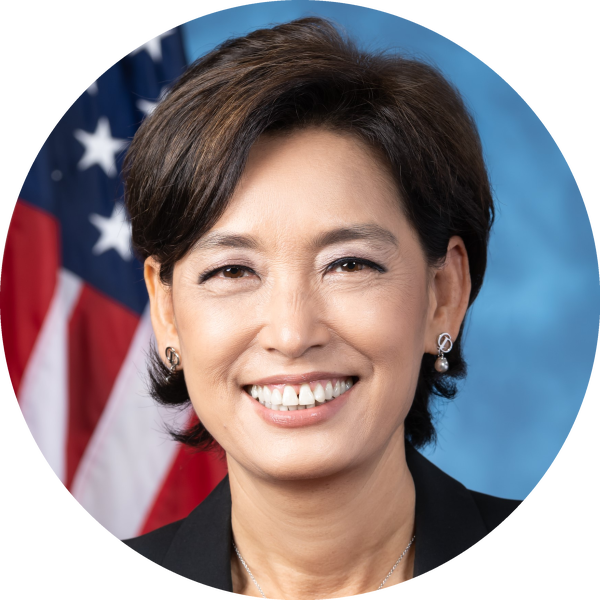
Young Kim
Republican · CA-40
America needs a critical-minerals network beyond China
4 min readLast updated November 10, 2026
Why it matters
A single Energy Security Compact could run for 10 years. The bill's findings say the United States is heavily dependent on China for the production, processing, and refining of many critical minerals; H.R. 7037 would use partnerships, federal financing, and technical expertise to develop more supply options.
H.R. 7037 would use U.S. diplomacy and federal financing to help allied and eligible partner countries develop mineral supply chains that reduce reliance on China. The bill's findings describe that reliance as a risk to manufacturing, energy, technology, and defense.
The proposal would formally authorize the Minerals Security Partnership, a multinational effort supporting critical-mineral projects. It would also require procedures to prevent or review sales of mineral assets to prohibited foreign entities, while allowing limited information-sharing exceptions during an international energy emergency or with presidential approval.
Eligible countries could negotiate Energy Security Compacts lasting up to 10 years. Participation would generally be limited to lower-income countries or countries approaching graduation from World Bank development programs, and countries designated as foreign countries of concern could not participate. Federal agencies could coordinate financing, development assistance, trade support, and technical expertise around each compact.
The State Department would have 180 days to prepare a mineral supply-chain strategy and 210 days to brief Congress. A new council would be due within 90 days, annual program reports would continue for five years, and the Government Accountability Office would begin annual reviews after two years.
For U.S. manufacturers, energy projects, and defense suppliers, the intended payoff is a broader pool of countries mining and processing essential materials. The bill would also create fellowships for mining and STEM professionals and seek at least 10 visiting scholars each year when feasible. Gold and copper would count as critical minerals for those exchange programs.
Bill Progress
IntroducedJan 13
Committee
Pass HouseJun 8
Pass Senate
Signed
Law
Latest Action · Jun 9, 2026
1/3
Passed the House, received in Senate
H.R. 7037 Bill Summary
What H.R. 7037 actually does.
1
Allies get coordinated support for mineral projects
The bill would formally authorize the Minerals Security Partnership and coordinate U.S. diplomacy, development assistance, trade tools, and financing around overseas critical-mineral projects.
2
Partner countries can negotiate decade-long plans
Eligible countries could enter Energy Security Compacts lasting up to 10 years. Countries designated as foreign countries of concern would be excluded, while income and World Bank development criteria would determine which other countries qualify.
3
Mineral asset sales face new safeguards
The partnership would establish procedures to prevent or review sales of mineral assets to prohibited foreign entities. Information-sharing restrictions could be relaxed during an international energy emergency or through presidential certification.
4
Federal financing can support overseas projects
Beginning in fiscal year 2027, funds could be transferred to four federal development and export-finance agencies for compact-related work. The bill does not set a total funding amount.
5
A supply-chain plan comes due in six months
The State Department would have 180 days to produce a critical-mineral supply-chain strategy and 210 days to brief congressional foreign-policy and intelligence committees.
6
Mining specialists gain new exchange opportunities
Fellowships would last at least one year, with a possible second year subject to approval. The State Department would also seek at least 10 visiting scholars annually when feasible, for placements lasting three months to one year.
Who benefits from H.R. 7037?
Workers and businesses that depend on mineral supplies
Manufacturers, energy developers, technology companies, and defense suppliers could gain access to a wider network of mineral producers and processors if the supported projects become operational.
Eligible countries developing mines and processing capacity
Lower-income partner countries and countries nearing graduation from World Bank development programs could receive coordinated U.S. financing, technical help, and diplomatic support through agreements lasting up to 10 years.
U.S. mineral, energy, and infrastructure companies
Companies working in exploration, processing, manufacturing, logistics, recycling, or site reclamation could pursue projects supported through U.S. development and export-finance programs.
Early-career mining and STEM professionals
Students, graduates, and recent postdoctoral professionals could serve in fellowships lasting one or two years. At least 10 visiting scholars could also participate each year when feasible.
Who is affected by H.R. 7037?
State Department officials
The department would need to create a compact council within 90 days, complete a strategy within 180 days, brief Congress within 210 days, and manage recurring reports, fellowships, and scholar exchanges.
Federal development and export-finance agencies
The U.S. Trade and Development Agency, Millennium Challenge Corporation, Development Finance Corporation, and Export-Import Bank could receive transferred funds and take part in overseas mineral projects beginning in fiscal year 2027.
Governments applying for compacts
Applicants would need to meet income or World Bank development criteria, submit to monitoring and oversight, and avoid designation as a foreign country of concern.
Projects connected to prohibited foreign entities
Mineral ventures involving prohibited foreign entities could face preventive action or review when an asset is sold. The exact response would depend on procedures developed through the Minerals Security Partnership.
Businesses tied to the President or Vice President
An entity could not receive financial assistance if the President, Vice President, or an immediate family member held an ownership interest or management role.
On the Record
What Congress Is Saying
H.R. 7037 has come up 11 times in the Congressional Record so far.
Mr. Speaker, I rise today in support of H.R. 7037, the Developing Overseas Mineral Investments and New Allied Networks for Critical Energies, or DOMINANCE Act. Critical minerals are the foundation of military power, industrial strength, and economic security. They enable fighter jets, semiconductors, batteries, and energy infrastructure. They increasingly determine which nations lead the modern world and which ones fall behind. Today, far too many of these supply chains are controlled by China, creating a strategic vulnerability the United States cannot afford to ignore.

Mr. Speaker, I rise today in support of H.R. 7037, the DOMINANCE Act, introduced by Chairwoman Kim and Ranking Member Bera. Battles are won with the right tools and the right team, often before the first shot is ever fired. Today, America's readiness depends on more than just troops, tanks, and ships. It depends on supply chains that power our economy and power our military. The minerals used in fighter jets, missile systems, semiconductors, advanced communications technologies, and energy infrastructure are essential to American strength.

H.R. 7037 also appeared in 7 routine cosponsor filings.
HR7037 Legislative Journey
Committee Action
Jun 9, 2026
Received in the Senate and Read twice and referred to the Committee on Foreign Relations.
House: Vote: 3957-3964
Jun 8, 2026
On motion to suspend the rules and pass the bill, as amended Agreed to by voice vote. (text: CR H3957-3964)
House: Vote: 45-0
May 13, 2026
Ordered to be Reported in the Nature of a Substitute by the Yeas and Nays: 45 - 0.
House: Committee Action
Jan 13, 2026
Referred to the House Committee on Foreign Affairs.
About the Sponsor
Young Kim
Republican, California's 40th congressional district · 5 years in Congress
Committees: Foreign Affairs, House Select Committee on the Strategic Competition Between the United States and the Chinese Communist Party, Financial Services
View full profile →
Cosponsors (30)
No new cosponsors in 160 days — momentum stalled
This bill has 30 cosponsors: 10 Democrats, 20 Republicans, reflecting bipartisan support. Cosponsors represent 19 states: Arizona, California, Colorado, and 16 more.
10Democrats20Republicans·19 statesBipartisan
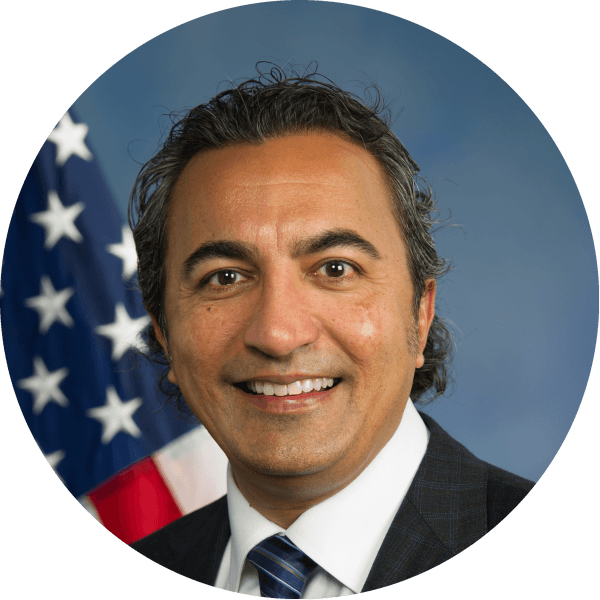
Ami Bera
Democrat · CA
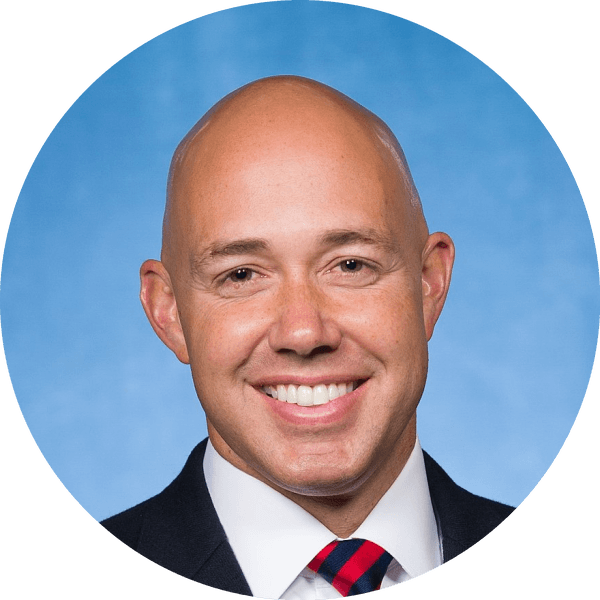
Brian Mast
Republican · FL

Bill Huizenga
Republican · MI
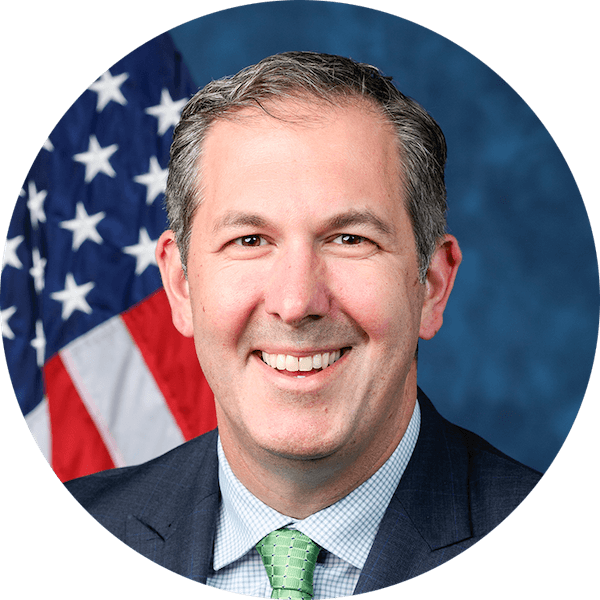
Johnny Olszewski
Democrat · MD

Jefferson Shreve
Republican · IN

Robert Wittman
Republican · VA

Greg Stanton
Democrat · AZ
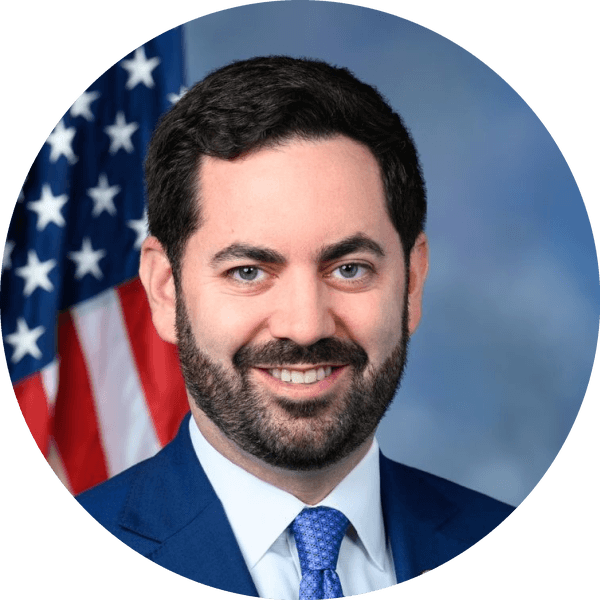
Michael Lawler
Republican · NY
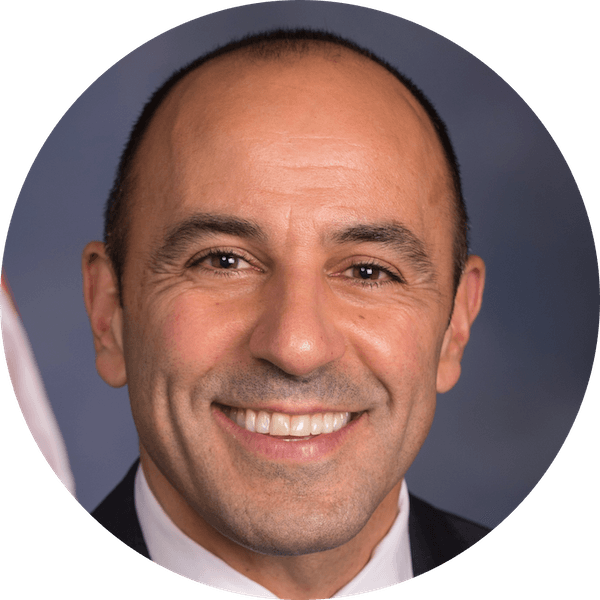
Jimmy Panetta
Democrat · CA

Dina Titus
Democrat · NV
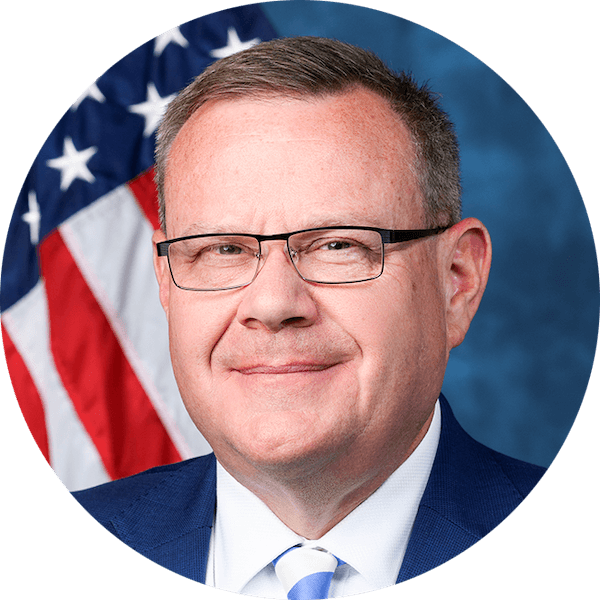
Tim Moore
Republican · NC
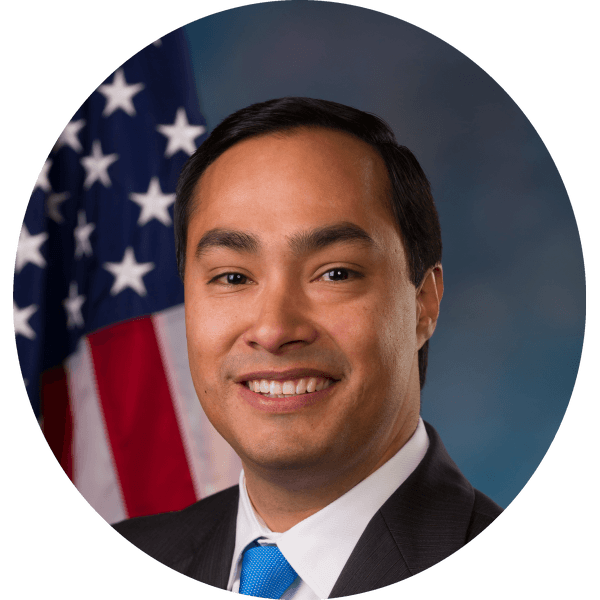
Joaquin Castro
Democrat · TX
Committee Sponsors
Foreign Relations Committee
10D12R
|0 signed22 not yet0 of 22 committee members cosponsored
No committee members have cosponsored this bill
Foreign Affairs Committee
25D28R
|14 signed39 not yet14 of 53 committee members cosponsored


32 Republicans across these committees haven't cosponsored yet. Mobilize their constituents
H.R. 7037 Quick Facts
Cosponsors
30
- Committee
- Foreign Relations
- Chamber
- House
- Policy
- International Affairs
- Introduced
- Jan 13, 2026
Passed the House, received in Senate
Jun 9, 2026
Official Sources
H.R. 7037 on Congress.gov
Congress.gov provides the bill's official text, legislative actions, committees, and current status.
Official Enrolled House Text of H.R. 7037
GovInfo provides the official House-passed text used to evaluate the bill's Energy Security Compacts and critical-mineral programs.
U.S. International Development Finance Corporation Critical Minerals
The Development Finance Corporation is one of the federal financing agencies that could receive transferred funds for compact-related mineral projects.
Millennium Challenge Corporation Country Selection
The bill uses eligibility and graduation concepts connected to development programs and allows the Millennium Challenge Corporation to support compact-related work.
U.S. Trade and Development Agency Energy Programs
USTDA is one of the agencies that could receive funds to provide project preparation and technical assistance for overseas energy and mineral projects.
Export-Import Bank of the United States
The Export-Import Bank is one of the four development and export-finance agencies eligible to receive funds for work under Energy Security Compacts.
Government Accountability Office Critical Minerals Report
GAO reporting describes federal critical-mineral supply-chain risks and is relevant because H.R. 7037 requires recurring GAO reviews of the compact program.
H.R. 7037 Common Questions
What would H.R. 7037 do?
H.R. 7037 would coordinate U.S. diplomacy, development aid, and federal financing to build critical-mineral supply chains with allies and eligible partner countries.
Which countries could receive an Energy Security Compact?
Countries would generally need to fall below a World Bank income threshold or be nearing graduation from a World Bank development program. Countries designated as foreign countries of concern could not participate.
How long could an Energy Security Compact last?
Each compact could last up to 10 years. The bill would require annual reporting for five years and annual Government Accountability Office reviews beginning two years after enactment.
How much money would H.R. 7037 provide?
The bill does not specify a total funding amount. Starting in fiscal year 2027, funds could be transferred to four federal development and export-finance agencies for compact-related work.
Would H.R. 7037 block Chinese companies from mineral projects?
It would not create a blanket ban. It would require procedures to prevent or review mineral asset sales to prohibited foreign entities, while the bill's stated goal is to reduce reliance on strategic competitors.
Does H.R. 7037 treat gold and copper as critical minerals?
Yes, but only for the bill's fellowship and visiting-scholar programs. Gold and copper would be added to the critical-mineral definition used for those exchanges.
Who could apply for the critical-mineral fellowships?
Eligible applicants would include bachelor's degree holders, students in advanced STEM or mining programs, and people who earned a postdoctoral degree within the previous five years. Fellowships would last at least one year.
Has H.R. 7037 become law?
No. The House passed H.R. 7037, and it is pending before the Senate Foreign Relations Committee. It still needs Senate passage and presidential approval to become law.
Based on H.R. 7037 bill text
H.R. 7037 Bill Text
“To promote United States and allied energy and mineral security, and for other purposes.”
Source: U.S. Government Publishing Office
Bill Alerts
Get notified when H.R. 7037 moves
Committee votes, floor action, cosponsor changes — straight to your inbox.
Bill alerts + Legisletter's monthly briefing. Unsubscribe anytime.
International Affairs Bills
9 related bills we're tracking
H.R. 1422
Enhanced Iran Sanctions Act of 2025
Michael LawlerR-NY



+290
294 cosponsors
Motion to place bill on Consensus Calendar filed by Mr. Lawler.
Jan 12, 2026
HouseInternational Affairs
H.R. 1229
United States-Israel Defense Partnership Act of 2025
Joe WilsonR-SC

+176
180 cosponsors
Referred to the Committee on Armed Services, and in addition to the Committee on Foreign Affairs, for a period to be subsequently determined by the Speaker, in each case for consideration of such provisions as fall within the jurisdiction of the committee concerned.
Feb 12, 2025
HouseInternational Affairs
H.R. 3045
West Bank Violence Prevention Act of 2025
Jerrold NadlerD-NY


+170
174 cosponsors
Referred to the Committee on Foreign Affairs, and in addition to the Committee on the Judiciary, for a period to be subsequently determined by the Speaker, in each case for consideration of such provisions as fall within the jurisdiction of the committee concerned.
Apr 28, 2025
HouseInternational Affairs
H.R. 6151
Global Respect Act

Sarah McBrideD-DE



+163
167 cosponsors
+2 this monthReferred to the Committee on Foreign Affairs, and in addition to the Committee on the Judiciary, for a period to be subsequently determined by the Speaker, in each case for consideration of such provisions as fall within the jurisdiction of the committee concerned.
Nov 19, 2025
HouseInternational Affairs
H.R. 2548
Sanctioning Russia Act of 2025
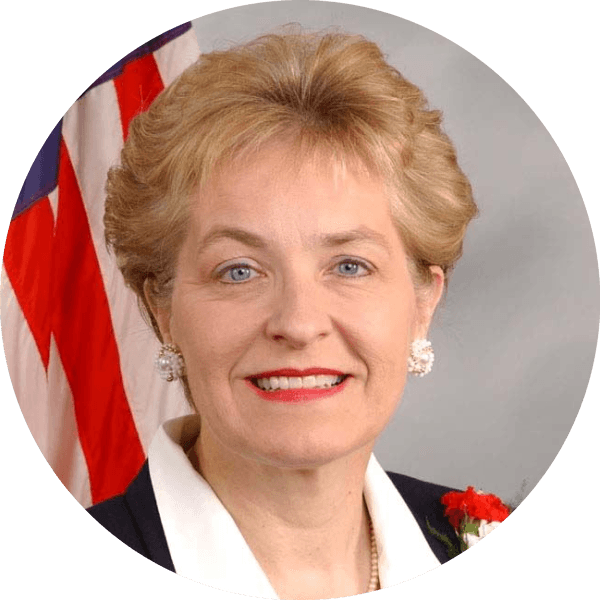
Brian FitzpatrickR-PA


+151
155 cosponsors
Referred to the Committee on Foreign Affairs, and in addition to the Committees on the Judiciary, Financial Services, Ways and Means, and Oversight and Government Reform, for a period to be subsequently determined by the Speaker, in each case for consideration of such provisions as fall within the jurisdiction of the committee concerned.
Apr 1, 2025
HouseInternational Affairs
H.R. 6056
International Human Rights Defense Act of 2025
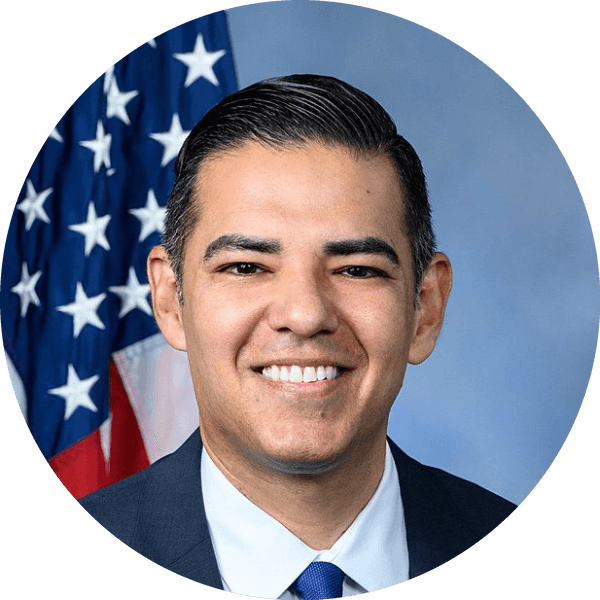
Robert GarciaD-CA



+150
154 cosponsors
+4 this monthReferred to the House Committee on Foreign Affairs.
Nov 17, 2025
HouseInternational Affairs
H.R. 764
Global Health, Empowerment and Rights Act
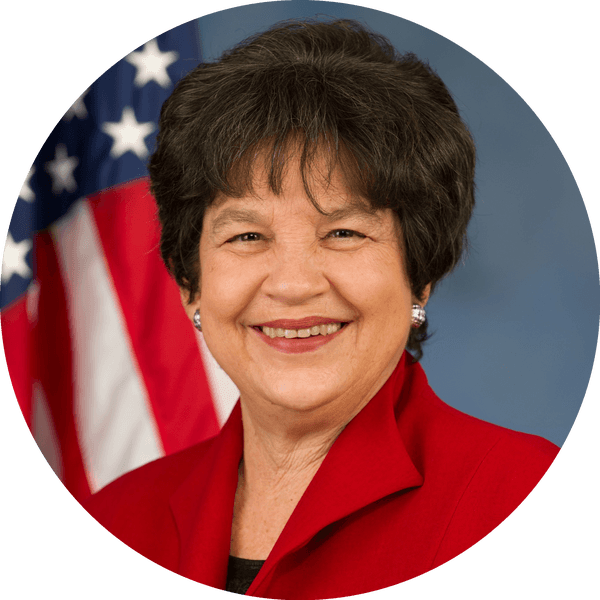
Lois FrankelD-FL


+134
138 cosponsors
Referred to the House Committee on Foreign Affairs.
Jan 28, 2025
HouseInternational Affairs
H.R. 5271
Pakistan Freedom and Accountability Act
Bill HuizengaR-MI



+109
113 cosponsors
Referred to the Committee on Foreign Affairs, and in addition to the Committee on the Judiciary, for a period to be subsequently determined by the Speaker, in each case for consideration of such provisions as fall within the jurisdiction of the committee concerned.
Sep 10, 2025
HouseInternational Affairs
H.R. 5543
Baltic Security Assessment Act of 2025

Wesley BellD-MO



+97
101 cosponsors
Ordered to be Reported by the Yeas and Nays: 41 - 3.
Apr 22, 2026
HouseInternational Affairs
Trending Right Now
Bills gaining momentum across Congress
H.R. 1502Surging+19
North Platte Canteen Congressional Gold Medal Act

Adrian SmithR-NE

+266
270 cosponsors
+19 this monthReferred to the House Committee on Financial Services.
Feb 21, 2025
HouseArmed Forces and National Security
H.R. 8205Active
Accelerating Access to Critical Therapies for ALS Reauthorization Act of 2026
Mike QuigleyD-IL


+99
103 cosponsors
Became Public Law No: 119-138.
Nov 3, 2026
HouseHealth
H.R. 3277Surging+11
Ensuring Lasting Smiles Act
Neal DunnR-FL




+218
222 cosponsors
+11 this monthReferred to the Committee on Energy and Commerce, and in addition to the Committees on Education and Workforce, and Ways and Means, for a period to be subsequently determined by the Speaker, in each case for consideration of such provisions as fall within the jurisdiction of the committee concerned.
May 8, 2025
HouseHealth
Tracking International Affairs in Congress? Monitor bills, track cosponsor momentum, and launch advocacy campaigns — all from one advocacy platform.