H.R. 6544: REVIEW Act of 2025
Sponsor

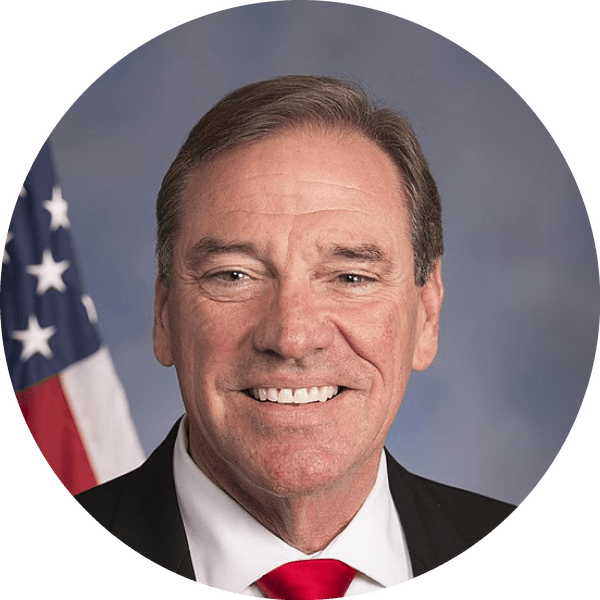
William Timmons
Republican · SC-4
Bank regulators would face faster reality checks
Why it matters
Banking rules that shape your loan options, credit access, and financial services would be reexamined every 7 years instead of every 10. H.R. 6544 would also make regulators measure whether their rules are restricting access, reducing liquidity, or piling on costs — then explain those findings to Congress.
H.R. 6544 would move the federal review cycle for banking regulations from once every 10 years to once every 7 years. That means agencies would have to revisit old rules more often and report back sooner on whether those rules still make sense.
The bigger change is what regulators have to study. Instead of relying mainly on public comments, each covered agency would have to run its own review of the cumulative impact of its regulations — including effects on consumers' access to financial products, the availability of services for businesses, credit availability, market liquidity, and the balance between safety and economic cost.
Agencies would also have to estimate, when practical, the direct and indirect economic costs of their rules and recommend which ones should be streamlined, simplified, or eliminated. That turns a periodic review into a broader stress test of the regulatory pileup.
Congress would get more than a checklist. Reports would now have to include each agency's internal findings and the burdens identified through both public comments and the agencies' own reviews.
If this becomes law, banking regulation would not automatically shrink — but regulators would have to defend it more often, with more evidence, and in public reports to Congress.
Bill Progress
Latest Action · Feb 25, 2026
Placed on House floor schedule, Calendar No. 452.
H.R. 6544 Bill Summary
What H.R. 6544 actually does.
Bank rules get reviewed sooner
Covered federal financial regulations would be reviewed every 7 years instead of every 10, speeding up how often agencies have to revisit older rules.
Agencies must study the pileup of their own rules
Each federal financial regulator would have to conduct an internal review of the cumulative impact of the regulations it has issued, rather than looking at rules one by one.
Consumer access and business credit become required metrics
The review must assess how regulations affect consumers' access to financial products and services, the availability of those services to financial and nonfinancial firms, credit availability, and market liquidity.
Regulators must weigh safety against economic cost
Agencies would have to assess the balance of regulatory benefits and costs for financial-system safety and soundness as well as overall U.S. economic activity.
Congress gets a fuller accounting of regulatory burden
Reports to Congress would have to include each agency's internal review findings and discuss burdens identified through both public comments and the agencies' own analysis.
Who benefits from H.R. 6544?
People and businesses shut out by tighter credit
If regulations are reducing credit availability or market liquidity, this bill would force agencies to measure that directly every 7 years instead of every 10.
Banks and other regulated financial firms
They would get more frequent opportunities for regulators to identify rules that are duplicative, outdated, or unnecessarily burdensome and recommend changes.
Small and midsize businesses that rely on financing
The bill specifically requires agencies to examine whether regulation is affecting the availability of financial products and services for nonfinancial firms, not just banks themselves.
Congress overseeing financial regulators
Lawmakers would receive more frequent and more detailed reports, including agencies' own findings about the real-world burden of their rules.
Who is affected by H.R. 6544?
Federal financial regulators
They would have to complete reviews more often, conduct new internal cumulative-impact analyses, estimate costs when practical, and send expanded reports to Congress.
Consumers using bank accounts, loans, and other financial services
The bill does not directly change your rates or fees, but it could shape future rule changes by requiring agencies to study whether current rules are limiting access to financial services.
Financial institutions under federal oversight
Their regulatory environment could be revisited more often, which may lead to recommendations to simplify or remove some existing rules.
Credit and financial markets
Because the bill requires agencies to review impacts on credit availability and market liquidity, future regulatory debates would likely lean more heavily on those measures.
HR6544 Legislative Journey
House: Committee Action
Feb 25, 2026
Reported (Amended) by the Committee on Financial Services. H. Rept. 119-527.
House: Vote: 30-23
Dec 17, 2025
Ordered to be Reported (Amended) by the Yeas and Nays: 30 - 23.
House: Committee Action
Dec 16, 2025
Committee Consideration and Mark-up Session Held
House: Committee Action
Dec 9, 2025
Referred to the House Committee on Financial Services.
About the Sponsor
William Timmons
Republican, South Carolina's 4th congressional district · 7 years in Congress
Committees: Financial Services, Oversight and Government Reform
View full profile →
Committee Sponsors
Financial Services Committee
0 of 53 committee members cosponsored
No committee members have cosponsored this bill
30 Republicans across this committee haven't cosponsored yet. Mobilize their constituents
H.R. 6544 Quick Facts
- Committee
- Financial Services
- Chamber
- House
- Policy
- Finance and Financial Sector
- Introduced
- Dec 9, 2025
Placed on House floor schedule, Calendar No. 452.
Feb 25, 2026
Official Sources
Official legislative status, text, actions, and sponsors for the REVIEW Act of 2025.
This is the statutory section the bill amends, governing periodic review of federal financial regulations under EGRPRA.
This provision defines 'Federal financial institutions regulatory agency,' a term H.R. 6544 incorporates by reference.
CFPB regulations are part of the broader federal financial regulatory landscape whose cumulative effects on access and costs are relevant to the bill.
The Federal Reserve is a key banking regulator whose rules and supervisory framework would be relevant to the bill's required periodic reviews.
FDIC maintains official banking laws and regulations resources relevant to the types of rules this bill would require agencies to revisit.
The Office of the Comptroller of the Currency is another major federal banking regulator affected by changes to regulatory review requirements.
H.R. 6544 Common Questions
What does H.R. 6544 actually change?
It would make federal financial regulators review banking rules every 7 years instead of every 10, and require each agency to study the cumulative impact of its own regulations.
Would H.R. 6544 automatically repeal any bank regulations?
No. H.R. 6544 does not erase rules on its own. It requires regulators to review them more often and recommend which ones should be streamlined, simplified, or eliminated.
What would regulators have to measure under H.R. 6544?
They would have to look at consumer access to financial services, availability of services for businesses, credit availability, market liquidity, safety-and-soundness benefits, and economic costs.
Does H.R. 6544 deal with the total burden of bank rules, not just one rule at a time?
Yes. The bill requires each covered agency to review the cumulative impact of all the regulations it has issued, which is broader than reviewing a single rule in isolation.
Would Congress get new reports under H.R. 6544?
Yes. Agencies would have to send Congress summaries of their internal reviews, including what burdens they identified through both public comments and their own analysis.
Could H.R. 6544 affect loans or credit for businesses and consumers?
Indirectly, yes. The bill itself does not change lending rules, but it requires regulators to study whether current regulations are affecting credit availability and access to financial services.
Does H.R. 6544 include new spending or penalties?
No. The bill does not include a new appropriation, grant program, penalty, or fee. Its main effect is to impose new review and reporting duties on regulators.
What is the current status of H.R. 6544?
H.R. 6544 was introduced by Rep. William Timmons and, according to Congress.gov metadata provided here, was placed on the Union Calendar as Calendar No. 452 for possible House floor action.
Based on H.R. 6544 bill text
H.R. 6544 Bill Text
“To require the Federal financial institutions regulatory agencies to review the cumulative impact of regulations issued by such agencies, and for other purposes.”
Source: U.S. Government Publishing Office
Get notified when H.R. 6544 moves
Committee votes, floor action, cosponsor changes — straight to your inbox.
Bill alerts + Legisletter's monthly briefing. Unsubscribe anytime.
Finance and Financial Sector Bills
9 related bills we're tracking
America’s Olympic and Paralympic Games Commemorative Coins Act





Referred to the House Committee on Financial Services.
Jul 14, 2025
761st Tank Battalion Congressional Gold Medal Act




Referred to the Committee on Financial Services, and in addition to the Committee on House Administration, for a period to be subsequently determined by the Speaker, in each case for consideration of such provisions as fall within the jurisdiction of the committee concerned.
Feb 26, 2025
Taxpayer Data Protection Act





Sponsor introductory remarks on measure. (CR H625-626)
Feb 11, 2025
Repealing Big Brother Overreach Act





Placed on the Union Calendar, Calendar No. 609.
Jun 18, 2026
Rosie the Riveter Commemorative Coin Act





Referred to the House Committee on Financial Services.
Jan 15, 2025
HELPER Act of 2025





Referred to the House Committee on Financial Services.
Mar 14, 2025
Anti-CBDC Surveillance State Act





Motion to reconsider laid on the table Agreed to without objection.
Jul 17, 2025
Protecting Privacy in Purchases Act




Received in the Senate and Read twice and referred to the Committee on Banking, Housing, and Urban Affairs.
Jul 15, 2026
Veterans Member Business Loan Act



Referred to the House Committee on Financial Services.
Jan 16, 2025
Trending Right Now
Bills gaining momentum across Congress
ASAP Act




Ordered to be Reported in the Nature of a Substitute by the Yeas and Nays: 40 - 0.
Sep 16, 2026
Fit to Serve Act





Referred to the House Committee on Armed Services.
May 21, 2025
Therapeutic Fraud Prevention Act of 2025





Referred to the House Committee on Energy and Commerce.
May 7, 2025
Tracking Finance and Financial Sector in Congress? Monitor bills, track cosponsor momentum, and launch advocacy campaigns — all from one advocacy platform.