H.R. 4638: Federal Working Animal Protection Act
Sponsor

Ken Calvert
Republican · CA-41
Hurt a federal K-9, lose your right to stay in America
Why it matters
Harming a federal police dog or horse — an offense that starts at up to one year in prison — would become grounds for deportation. H.R. 4638 passed the House 228-190 and would let a conviction — or just an admission — block a non-citizen's entry or end their stay in the U.S.
The Federal Working Animal Protection Act is two sentences long. It takes an existing federal crime — willfully and maliciously harming a police animal — and writes it into immigration law as its own ground for keeping someone out and for sending someone home.
That underlying crime is narrower than it sounds. Federal law defines a police animal as a dog or horse employed by a federal agency to detect crime, enforce laws, or catch offenders. A local sheriff's K-9 is generally covered by state law instead, not by this federal offense.
A criminal conviction is not required: admitting the offense, or admitting the acts that make it up, would be enough to make a non-citizen inadmissible or deportable. That admission language mirrors how immigration law already treats drug offenses and crimes involving moral turpitude.
The bill applies at both doors. Someone applying for a visa or arriving at the border could be found inadmissible, and someone already living here — including a lawful permanent resident — could be found deportable, based on the same conduct.
Under current law, the federal offense carries up to 1 year in prison, or up to 10 years if the animal is permanently disabled, disfigured, seriously injured, or killed. The bill attaches removal to the entire range, including the lower-level version. It creates no new crime and no new spending.
Bill Progress
Latest Action · Mar 19, 2026
Passed the House, received in Senate
H.R. 4638 Bill Summary
What H.R. 4638 actually does.
Harming a federal police animal can bar you at the border
A non-citizen convicted of the federal offense of harming a police animal — or who admits the offense or the acts behind it — would be inadmissible, meaning they could be denied a visa or entry to the U.S.
Green card holders and other residents could face removal
The same three triggers would make a non-citizen already in the U.S. deportable. That includes lawful permanent residents, not only people here on temporary visas or without status.
An admission can count as much as a conviction
Immigration consequences could follow from a person's own admission to the offense, or to the acts that make up its essential elements, even if no criminal court ever found them guilty.
Covers federal agency dogs and horses only
The bill ties into an existing federal law that protects dogs and horses employed by federal agencies — such as detection dogs and mounted units — for law enforcement work. It does not reach general animal cruelty.
Lower-level offenses count too
The federal offense carries up to 1 year in prison for basic harm and up to 10 years when the animal is seriously injured, disabled, disfigured, or killed. The bill makes no distinction between the two tiers.
No new crime and no new money
H.R. 4638 does not create a criminal offense or fund any program. Its only effect is on immigration status.
Who benefits from H.R. 4638?
Federal K-9 and mounted units
Detection dogs and horses working for agencies like Customs and Border Protection, the Secret Service, and federal police forces would gain an additional deterrent: harming them could cost a non-citizen their immigration status.
Federal animal handlers
The officers who train, live with, and deploy these animals would see a tougher consequence attached to attacks on their partners.
Immigration enforcement officials
Officers and government attorneys would get an explicit, standalone ground to deny admission or seek removal, rather than arguing whether the conduct fits a broader category such as a crime involving moral turpitude.
Who is affected by H.R. 4638?
Lawful permanent residents and visa holders
Non-citizens living in the U.S. legally could be placed in removal proceedings over a single covered offense, including one at the lower sentencing tier.
Visa applicants and travelers at ports of entry
Consular officers and border officials would screen for the new ground. Past conduct involving a federal police animal could lead to a visa denial or refusal at the border.
Non-citizens who make statements to officials
Because an admission can trigger the bill, what a person says in a visa interview, at the border, or in immigration proceedings could carry the same weight as a conviction.
Criminal defense and immigration attorneys
Lawyers negotiating plea deals in federal police-animal cases would need to weigh removal risk for non-citizen clients, since even a misdemeanor-level plea would count.
Immigration judges and adjudicators
Judges and officers would have to decide whether a record or statement shows each essential element of the federal offense, including that the harm was willful and malicious.
What Congress Is Saying
H.R. 4638 has come up 15 times in the Congressional Record so far.
Mr. Speaker, on March 17, 2026, I was necessarily absent and missed the following votes on the House Floor. Had I been present, I would have voted accordingly below: YES on Roll Call No. 88, H.R. 4294, Mitigation Action and Watermen Support Act of 2026; YES on Roll Call No. 89, S. 3971, Small Business Innovation and Economic Security Act; NO on Roll Call No. 90, Motion on Ordering the Previous Question; and NO on Roll Call No. 91, H. Res. 1115, Rule providing for consideration of H.R. 1958, Deporting Fraudsters Act of 2026; H.R. 556, Protecting Access for Hunters and Anglers Act; and H.R.
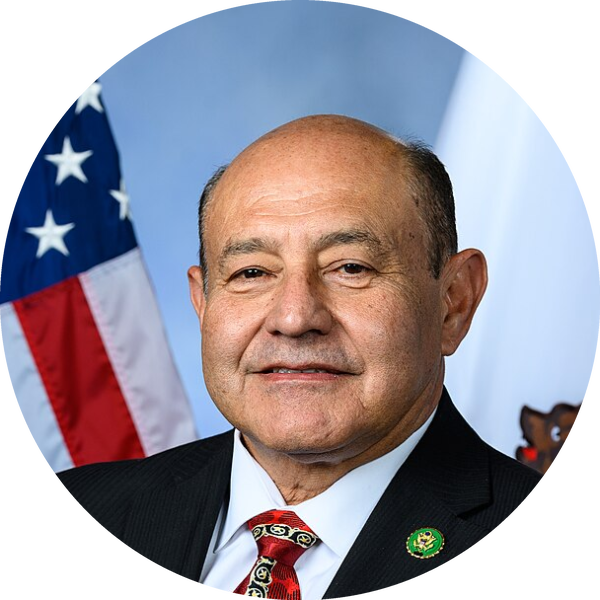
H.R. 4638 also appeared in 1 more House floor reference and 4 routine cosponsor filings.
HR4638 Legislative Journey
House: Passed 228-190
Mar 19, 2026
On passage Passed by the Yeas and Nays: 228 - 190 (Roll no. 96). (text of amendment in the nature of a substitute: CR H2600)
+7 more actions this day
House: Passed
Mar 17, 2026
Rule H. Res. 1115 passed House.
House: Committee Action
Mar 16, 2026
Rules Committee Resolution H. Res. 1115 Reported to House. Rule provides for consideration of H.R. 556, H.R. 1958 and H.R. 4638. The resolution provides for consideration of H.R. 556, H.R. 1958, and H.R. 4638 under a closed rule. The resolution provides for one hour of general debate and one motion to recommit on each bill.
House: Committee Action
Dec 12, 2025
Reported (Amended) by the Committee on Judiciary. H. Rept. 119-407.
House: Vote: 18-12
Nov 20, 2025
Ordered to be Reported (Amended) by the Yeas and Nays: 18 - 12.
House: Committee Action
Nov 18, 2025
Committee Consideration and Mark-up Session Held
House: Committee Action
Jul 23, 2025
Referred to the House Committee on the Judiciary.
About the Sponsor
Ken Calvert
Republican, California's 41st congressional district · 33 years in Congress
Committees: Appropriations
View full profile →
Cosponsors (19)
All 19 cosponsors are Republicans. Cosponsors represent 14 states: Arizona, California, Florida, and 11 more.

Claudia Tenney
Republican · NY

Thomas Tiffany
Republican · WI

Daniel Webster
Republican · FL

Tom McClintock
Republican · CA

W. Steube
Republican · FL

Burgess Owens
Republican · UT

Darrell Issa
Republican · CA

Pat Harrigan
Republican · NC

Brian Fitzpatrick
Republican · PA

Vern Buchanan
Republican · FL

Dan Newhouse
Republican · WA

Michael Rulli
Republican · OH
Committee Sponsors
Judiciary Committee
0 of 21 committee members cosponsored
No committee members have cosponsored this bill
Judiciary Committee
4 of 44 committee members cosponsored


31 Republicans across these committees haven't cosponsored yet. Mobilize their constituents
H.R. 4638 Quick Facts
- Committee
- Judiciary
- Chamber
- House
- Policy
- Immigration
- Introduced
- Jul 23, 2025
Passed the House, received in Senate
Mar 19, 2026
Official Sources
Official bill page with the text, House vote, and Senate referral for H.R. 4638.
The Congressional Budget Office found the bill would change direct spending and revenues by an insignificant amount over 2026-2035.
The existing federal crime the bill builds on, including the definition of a police animal and the 1-year and 10-year penalty tiers.
The inadmissibility statute the bill amends to add harming a federal police animal as a ground for denying a visa or entry.
The deportability statute the bill amends so the same conduct becomes a ground for removal, including for green card holders.
Customs and Border Protection runs one of the largest federal working-dog programs, the kind of animals the underlying statute protects.
USCIS reference page for the Immigration and Nationality Act, the law H.R. 4638 amends.
H.R. 4638 Common Questions
What does H.R. 4638 do?
It makes harming a federal police animal a standalone ground for denying a non-citizen entry to the U.S. or deporting them. It builds on an existing federal crime rather than creating a new one.
Can hurting a police dog get you deported?
Under H.R. 4638, yes — if the dog works for a federal agency and the harm was willful and malicious. The bill applies to any non-citizen, including green card holders.
Does H.R. 4638 cover local police dogs?
Generally no. The federal law it relies on covers dogs and horses employed by federal agencies, such as Border Patrol detection dogs. Harm to a city or county K-9 is usually handled under state law.
Do you need a conviction for H.R. 4638 to apply?
No. Admitting the offense, or admitting the acts that make it up, would also count. Immigration law already uses the same admission language for drug offenses and crimes involving moral turpitude.
What is the penalty for harming a federal police animal?
Up to 1 year in prison and a fine, or up to 10 years if the animal is seriously injured, permanently disabled, disfigured, or killed. H.R. 4638 adds possible deportation on top of either tier.
Could a green card holder lose their status under H.R. 4638?
Yes. Lawful permanent residents are non-citizens, so a covered conviction or admission could make them deportable, not only people on temporary visas.
Did H.R. 4638 pass the House?
Yes. The House passed it 228-190 on March 19, 2026. It was received in the Senate the same day and referred to the Judiciary Committee.
Who sponsored H.R. 4638?
Rep. Ken Calvert (R-CA) introduced it on July 23, 2025, as the Federal Working Animal Protection Act. It has 19 cosponsors, all Republicans.
Based on H.R. 4638 bill text
H.R. 4638 Bill Text
“To amend the Immigration and Nationality Act to provide that an alien who has been convicted of harming animals used in law enforcement is inadmissible and deportable, and for other purposes.”
Source: U.S. Government Publishing Office
Get notified when H.R. 4638 moves
Committee votes, floor action, cosponsor changes — straight to your inbox.
Bill alerts + Legisletter's monthly briefing. Unsubscribe anytime.
Immigration Bills
9 related bills we're tracking
American Dream and Promise Act of 2025





Sponsor introductory remarks on measure. (CR H884)
Feb 27, 2025
Protecting Sensitive Locations Act
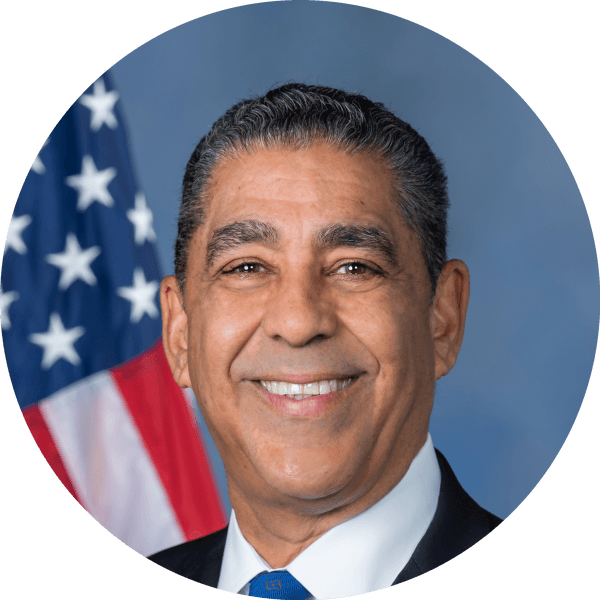




Referred to the House Committee on the Judiciary.
Feb 6, 2025
Born in the USA Act of 2025


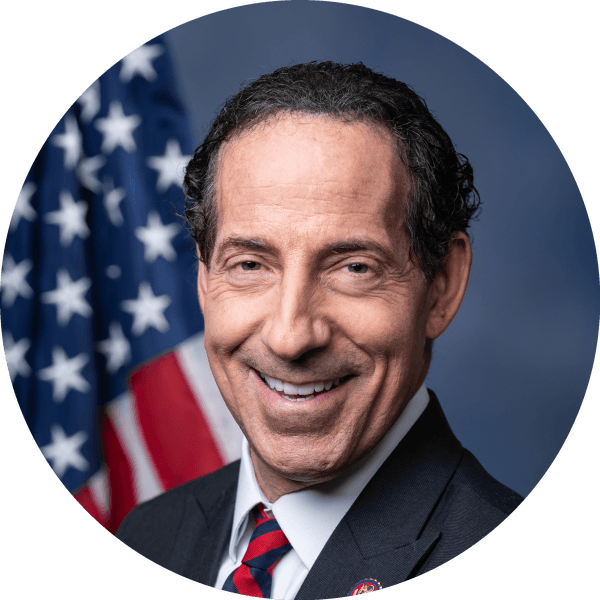
Referred to the House Committee on the Judiciary.
May 13, 2025
Dignity for Detained Immigrants Act





Referred to the Subcommittee on Oversight, Investigations, and Accountability.
Dec 4, 2025
No Secret Police Act of 2025




Referred to the Subcommittee on Border Security and Enforcement.
Jun 27, 2025
NO BAN Act




Referred to the Subcommittee on Border Security and Enforcement.
Feb 4, 2025
Stop Excessive Force in Immigration Act of 2025


Referred to the House Committee on the Judiciary.
Nov 7, 2025
REMAIN in Mexico Act of 2025





Referred to the House Committee on the Judiciary.
Jan 9, 2025
Humanitarian Standards for Individuals in ICE and CBP Custody Act





Sponsor introductory remarks on measure. (CR H2018)
Feb 4, 2026
Trending Right Now
Bills gaining momentum across Congress
North Platte Canteen Congressional Gold Medal Act




Referred to the House Committee on Financial Services.
Feb 21, 2025
ASAP Act



Ordered to be Reported in the Nature of a Substitute by the Yeas and Nays: 40 - 0.
Sep 16, 2026
Fit to Serve Act




Referred to the House Committee on Armed Services.
May 21, 2025
Tracking Immigration in Congress? Monitor bills, track cosponsor momentum, and launch advocacy campaigns — all from one advocacy platform.