H.R. 3112: Better CARE for Animals Act of 2025
Sponsor

Nicole Malliotakis
Republican · NY-11
Federal prosecutors could rescue abused animals faster
Why it matters
$10,000 a day. That is the civil penalty federal prosecutors could seek for every day an Animal Welfare Act violation keeps going under H.R. 3112. The bill hands the Justice Department a direct path to federal court to pull animals out of unsafe facilities, seize them, and yank licenses, instead of waiting on a slower administrative process.
H.R. 3112 does not write a new rulebook for how animals must be treated. It changes who can enforce the rules already on the books and how hard those rules bite.
The centerpiece is a new enforcement role for the Attorney General. Federal prosecutors could file a civil case in U.S. district court and ask a judge for a restraining order, an injunction, removal or relocation of the animals, license revocation, or civil penalties of up to $10,000 for each violation, for each day it continues. Because the penalty stacks daily, a single violation that runs for a week could reach as much as $70,000.
The bill also lets the government seize animals tied to a violation and forfeit them to the United States. The person responsible could be charged a reasonable fee to cover the government's cost of moving and caring for those animals.
There is a fix for a recurring problem after a seizure: who pays to house and treat the animals while the case drags on. H.R. 3112 requires penalty and fine money collected under the law to go toward the reasonable costs of temporary care, which could reimburse the shelters, sanctuaries, rescues, and veterinarians that take animals in mid-case.
On licensing, the bill rewrites the rule so no dealer or exhibitor can exhibit, buy, sell, or transport animals in commerce without a valid license that has not been suspended.
Finally, it pushes the two agencies to work together. Within 180 days of enactment, the USDA would have to sign an information-sharing agreement with the Justice Department, including timely reports on violators racking up multiple serious citations.
Bill Progress
Latest Action · Apr 30, 2025
Referred to the House Committee on Agriculture.
H.R. 3112 Bill Summary
What H.R. 3112 actually does.
Ongoing violations get expensive fast
Federal prosecutors could ask a court for civil penalties of up to $10,000 per violation for every day the violation continues, so a week-long problem could reach $70,000.
Judges could order animals removed sooner
The Justice Department could seek restraining orders, injunctions, removal or relocation of animals, and license revocation directly in federal court.
Animals could be seized during serious cases
Animals tied to a violation could be seized and forfeited to the United States, and the responsible person could be charged a reasonable fee for transfer and care costs.
Emergency caretakers could get paid back
Penalty and fine money collected under the law would have to cover the reasonable costs of temporary animal care while a civil or criminal case is pending.
Operating without a valid license gets harder
Dealers and exhibitors could not exhibit, buy, sell, or transport animals in commerce unless they hold a valid license that has not been suspended.
USDA and DOJ would share repeat-violator cases
Within 180 days of enactment, the USDA would have to sign an agreement with the DOJ to share timely information on violators with multiple serious citations.
Who benefits from H.R. 3112?
Animals stuck in facilities with repeated violations
They could see faster intervention, because H.R. 3112 lets federal prosecutors ask a court to remove or relocate them and stop ongoing violations.
Shelters, sanctuaries, rescues, and veterinarians
They could be reimbursed for temporary care while a case is pending, instead of carrying the full cost after animals are taken from unsafe conditions.
Communities living near chronic bad actors
People near repeat violators could see quicker federal action once the USDA shares serious multi-citation cases with the Justice Department.
Federal enforcement agencies
The USDA and DOJ would get a defined process for sharing information and bringing stronger court actions under the Animal Welfare Act.
Who is affected by H.R. 3112?
Dealers and exhibitors without a valid license
They could not legally exhibit, buy, sell, or transport animals in commerce if their license is missing or suspended.
Operators with ongoing Animal Welfare Act violations
They could face daily penalties, court orders, animal seizure, and license revocation if the violations continue.
Repeat violators with multiple serious citations
The USDA would be expected to share their cases with the DOJ under a formal agreement, making federal court action more likely.
People responsible for seized animals
They could be charged reasonable government costs for transferring and caring for animals seized during a case.
HR3112 Legislative Journey
House: Committee Action
Apr 30, 2025
Referred to the House Committee on Agriculture.
About the Sponsor
Nicole Malliotakis
Republican, New York's 11th congressional district · 5 years in Congress
Committees: Joint Economic Committee, Ways and Means
View full profile →
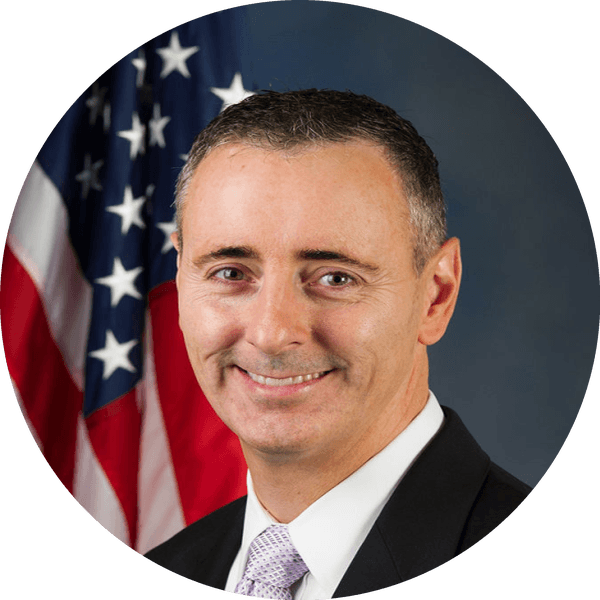
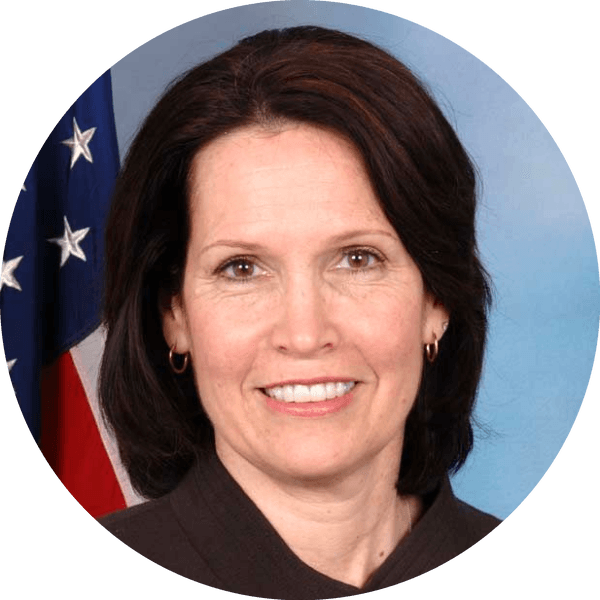
Cosponsors (208)
This bill has 208 cosponsors: 185 Democrats, 23 Republicans, reflecting bipartisan support. Cosponsors represent 38 states: Arizona, California, Colorado, and 35 more.

Mike Quigley
Democrat · IL

Guy Reschenthaler
Republican · PA

Sharice Davids
Democrat · KS
Brian Fitzpatrick
Republican · PA

Suzan DelBene
Democrat · WA

Steve Cohen
Democrat · TN

Christopher Deluzio
Democrat · PA

Debbie Dingell
Democrat · MI

Jennifer McClellan
Democrat · VA
Betty McCollum
Democrat · MN

Brittany Pettersen
Democrat · CO

Maxwell Frost
Democrat · FL
Cosponsor Coverage Map
Committee Sponsors
Agriculture Committee
17 of 53 committee members cosponsored


28 Republicans across this committee haven't cosponsored yet. Mobilize their constituents
What laws does H.R. 3112 change?
2 changes
Sections Amended
Section 4 of Animal Welfare Act (7 U.S.C. 2134)
read as follows: ``SEC
Section 29(b) of Animal Welfare Act (7 U.S.C. 2159(b))
striking the second sentence
H.R. 3112 Quick Facts
- Committee
- Agriculture
- Chamber
- House
- Policy
- Animals
- Introduced
- Apr 30, 2025
Referred to the House Committee on Agriculture.
Apr 30, 2025
Official Sources
Official legislative page for the Better CARE for Animals Act of 2025 with text, status, sponsors, and actions.
The codified Animal Welfare Act, including the definitions (7 U.S.C. 2132), licensing (2134), and civil penalty (2149) sections H.R. 3112 amends.
The federal animal care rules already on the books that H.R. 3112 would make easier for the government to enforce in court.
The forfeiture statutes the bill points to for seizure and forfeiture of animals tied to a violation.
H.R. 3112 Common Questions
How big could the fines get under H.R. 3112?
Up to $10,000 per violation, per day. If one violation runs for a week, that alone could hit $70,000, before anything else a judge orders.
Can the federal government remove animals faster under H.R. 3112?
Yes. It lets Justice Department prosecutors ask a federal court for restraining orders, injunctions, and orders to remove or relocate animals while a case is ongoing.
Can animals be seized under H.R. 3112?
Yes. Animals tied to a violation could be seized and forfeited to the United States, and the responsible person could be charged a reasonable fee for the government's care costs.
Do dealers and exhibitors need a valid license under H.R. 3112?
Yes. They could not exhibit, buy, sell, or transport animals in commerce unless they hold a valid license that has not been suspended.
Who pays to care for seized animals while a case is pending?
Penalty and fine money collected under the law would have to cover the reasonable costs of temporary care, reimbursing the shelters and vets that take the animals in.
What would H.R. 3112 make USDA and DOJ do together?
Sign an information-sharing agreement within 180 days of enactment, including timely reports on violators with multiple citations that seriously harm an animal's health.
Does H.R. 3112 create new animal care standards?
Not really. It is about enforcement, not new rules — making the existing Animal Welfare Act standards easier for the federal government to enforce in court.
Based on H.R. 3112 bill text
H.R. 3112 Bill Text
“To amend the Animal Welfare Act to expand and improve the enforcement capabilities of the Attorney General, and for other purposes.”
Source: U.S. Government Publishing Office
Get notified when H.R. 3112 moves
Committee votes, floor action, cosponsor changes — straight to your inbox.
Bill alerts + Legisletter's monthly briefing. Unsubscribe anytime.
Animals Bills
4 related bills we're tracking
Puppy Protection Act of 2025
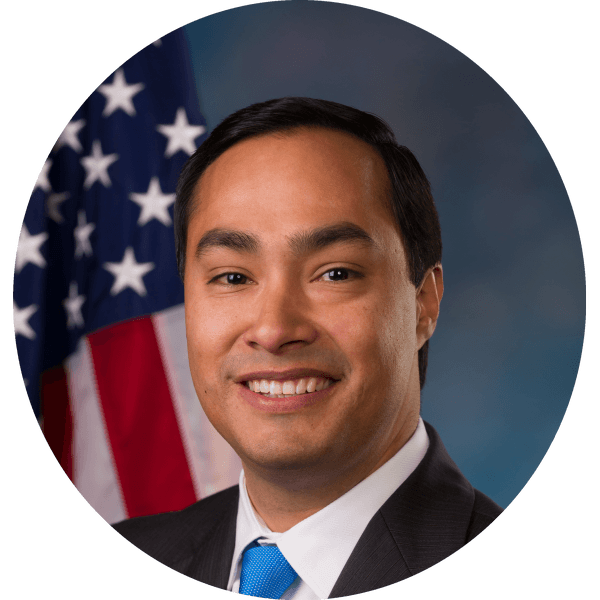
Referred to the Subcommittee on Livestock, Dairy, and Poultry.
Apr 4, 2025
PAST Act of 2025


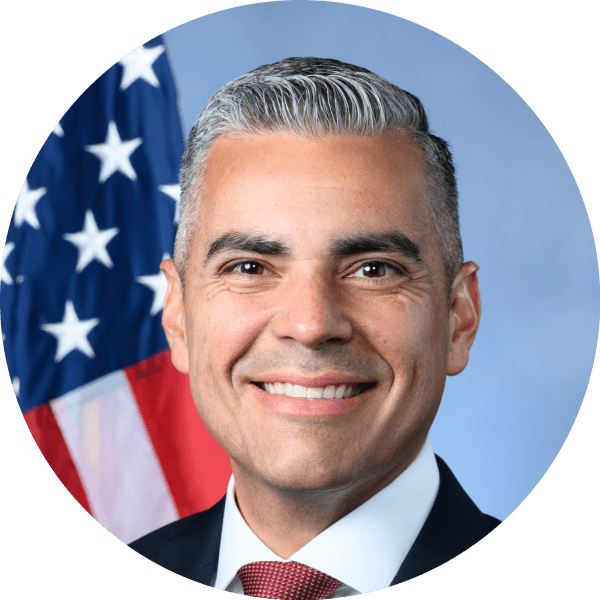
Referred to the House Committee on Energy and Commerce.
Feb 27, 2025
FIGHT Act of 2025



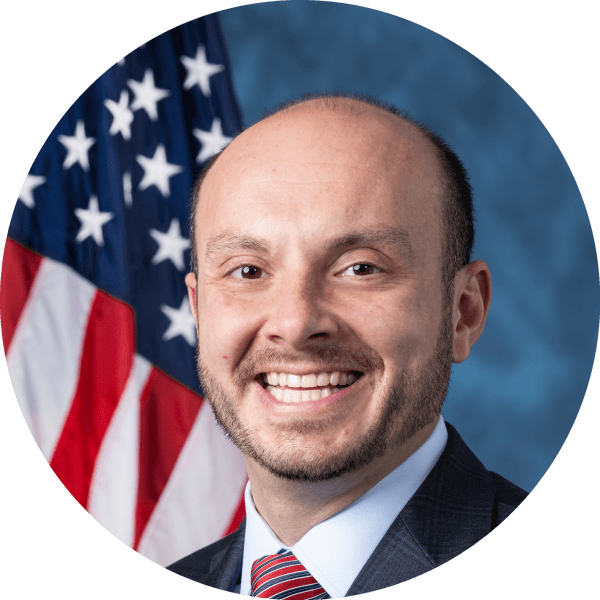

Referred to the House Committee on Agriculture.
Jun 12, 2025
Goldie’s Act


Referred to the Subcommittee on Livestock, Dairy, and Poultry.
Feb 14, 2025
Trending Right Now
Bills gaining momentum across Congress
ASAP Act
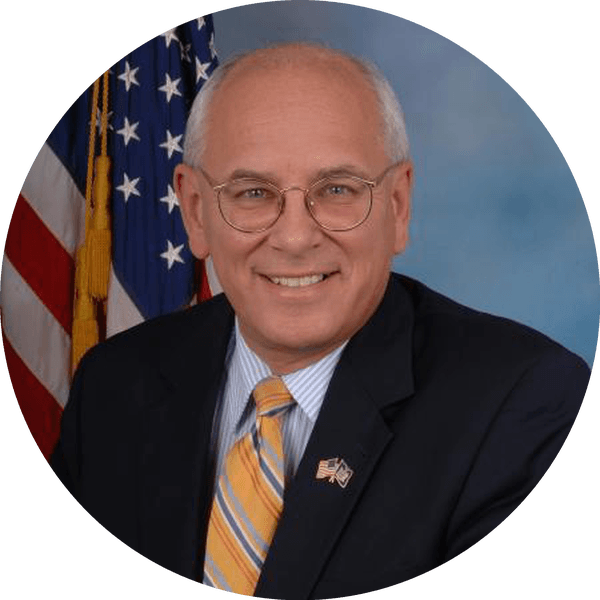


Ordered to be Reported in the Nature of a Substitute by the Yeas and Nays: 40 - 0.
Sep 16, 2026
Fit to Serve Act





Referred to the House Committee on Armed Services.
May 21, 2025
America’s Olympic and Paralympic Games Commemorative Coins Act




Referred to the House Committee on Financial Services.
Jul 14, 2025
Tracking Animals in Congress? Monitor bills, track cosponsor momentum, and launch advocacy campaigns — all from one advocacy platform.