H.R. 3037: Access to Breast Cancer Diagnosis Act of 2025
Sponsor

Debbie Dingell
Democrat · MI-6
Your screening is free. Your callback shouldn't cost hundreds.
Why it matters
Screening mammograms have been free preventive care under the ACA since 2010. But the moment something shows up on the screening, your follow-up — a diagnostic mammogram, breast MRI, or ultrasound — gets billed like any other procedure. That can mean hundreds to thousands in out-of-pocket costs. H.R. 3037 would end cost-sharing on diagnostic and supplemental breast exams starting January 1, 2026.
The Access to Breast Cancer Diagnosis Act of 2025 would bar group health plans and individual market insurers from charging deductibles, coinsurance, or copays on two categories of breast imaging. Diagnostic exams are the follow-ups ordered after a screening turns up something suspicious — typically a diagnostic mammogram, breast MRI, or ultrasound. Supplemental exams are the higher-frequency screenings that doctors order for patients with elevated breast cancer risk based on personal or family history, even when nothing has been spotted yet.
For either category to qualify, the exam has to be medically necessary and appropriate under National Comprehensive Cancer Network Guidelines. The cost-sharing ban kicks in for plan years beginning on or after January 1, 2026.
The bill also closes a couple of gaps that would have let some plans escape the new rule. Older grandfathered ACA plans are explicitly pulled in, so they cannot rely on their grandfathered status to keep charging out-of-pocket costs. And high-deductible health plans get a safe harbor: they can cover these breast exams before the deductible is met without losing HDHP status, which means HSA contributions stay intact.
What the bill does not change: insurers can still require timely prior authorization and other utilization controls, so administrative friction stays in place even when the dollar friction disappears. State laws that already provide stronger protections also remain in force — the bill sets a federal floor, not a ceiling.
Bill Progress
Latest Action · Apr 28, 2025
Referred to Energy and Commerce, and in addition to the Committee on Ways and Means, for a period to be subsequently determined by the Speaker, in each case for consideration of such provisions as fall within the jurisdiction of the committee concerned. for review
H.R. 3037 Bill Summary
What H.R. 3037 actually does.
Your callback mammogram becomes free
After a screening mammogram turns up something the radiologist wants to investigate, the follow-up diagnostic exam — diagnostic mammography, breast MRI, or ultrasound — would have no deductible, copay, or coinsurance for plan years beginning on or after January 1, 2026.
High-risk supplemental screenings, also free
If your personal or family medical history raises your breast cancer risk, supplemental screenings like breast MRI or ultrasound would have to be covered with no cost-sharing — even when no abnormality has been spotted yet — as long as the exam meets National Comprehensive Cancer Network Guidelines.
Cost-sharing ban covers the full stack
The prohibition is broad: no deductibles, no coinsurance, no copays, and no out-of-pocket maximums tied to those charges for either category of breast examination.
Grandfathered plans don't get an exemption
Older grandfathered ACA plans are explicitly included in the new rule, so they cannot rely on their grandfathered status to keep charging cost-sharing on these exams when the changes take effect in 2026.
Your HSA stays compatible
High deductible health plans get a safe harbor so they can cover diagnostic and supplemental breast exams before the deductible is met without losing HDHP status. That preserves HSA eligibility for the people who pair the two.
Prior authorization still allowed
Insurers can still require timely prior authorization and other appropriate utilization controls. Cost-sharing is barred but administrative approval steps are not.
Stronger state laws preserved
The bill sets a federal floor. States that already require broader coverage of diagnostic or supplemental breast imaging keep their stronger protections.
Who benefits from H.R. 3037?
Anyone called back after an abnormal screening
If your screening mammogram comes back with something the radiologist wants to investigate, the follow-up exam — diagnostic mammogram, breast MRI, or ultrasound — would be free starting January 1, 2026. The cost trap between a free screening and a billed follow-up closes.
People with family history or elevated risk
Patients whose personal or family medical history puts them at higher risk for breast cancer would be able to get supplemental MRI or ultrasound screening with no cost-sharing, as long as the exam meets National Comprehensive Cancer Network Guidelines.
Employees in grandfathered plans
Workers stuck in older employer plans that were exempted from many ACA rules would still get the new protection. The bill explicitly pulls grandfathered plans into the cost-sharing ban.
HSA holders with high-deductible plans
If you pair a high deductible health plan with a health savings account, the bill's safe harbor lets your plan cover these exams before you meet your deductible without breaking your HSA eligibility.
Who is affected by H.R. 3037?
Employer group health plans
Companies offering group coverage would need to redesign 2026 benefits to drop deductibles, copays, and coinsurance for diagnostic and supplemental breast examinations.
Individual market insurers
Insurers selling individual policies would have to update plan terms and claims systems to comply with the cost-sharing ban by the 2026 plan year.
High deductible health plan administrators
HDHPs would need to use the new safe harbor — covering these exams before the deductible without disqualifying members from HSA contributions.
State insurance regulators
States that already mandate diagnostic breast exam coverage keep their laws if those laws provide greater protections. The bill sets a federal floor, not a ceiling.
HR3037 Legislative Journey
House: Committee Action
Apr 28, 2025
Referred to the Committee on Energy and Commerce, and in addition to the Committee on Ways and Means, for a period to be subsequently determined by the Speaker, in each case for consideration of such provisions as fall within the jurisdiction of the committee concerned.
About the Sponsor
Debbie Dingell
Democrat, Michigan's 6th congressional district · 11 years in Congress
Committees: Energy and Commerce, Natural Resources
View full profile →
Cosponsors (65)
This bill has 65 cosponsors: 49 Democrats, 16 Republicans, reflecting bipartisan support. Cosponsors represent 29 states: Arizona, California, Colorado, and 26 more.

Brian Fitzpatrick
Republican · PA

Debbie Wasserman Schultz
Democrat · FL

Lloyd Doggett
Democrat · TX

Gwen Moore
Democrat · WI

Eleanor Norton
Democrat · DC

Melanie Stansbury
Democrat · NM
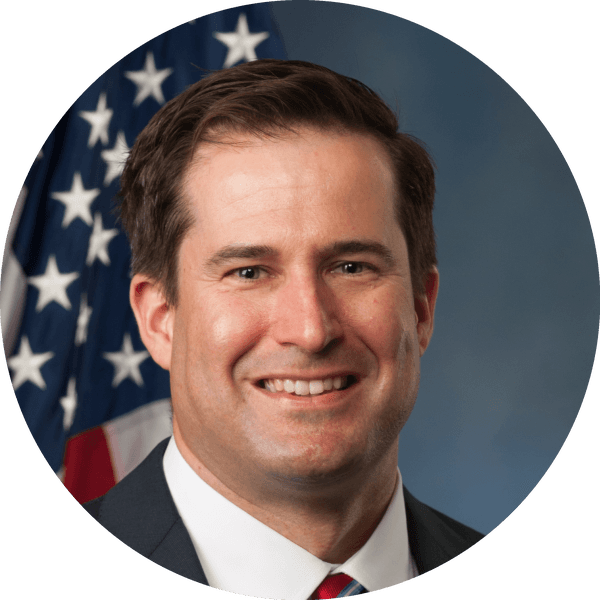
Seth Moulton
Democrat · MA

Jahana Hayes
Democrat · CT
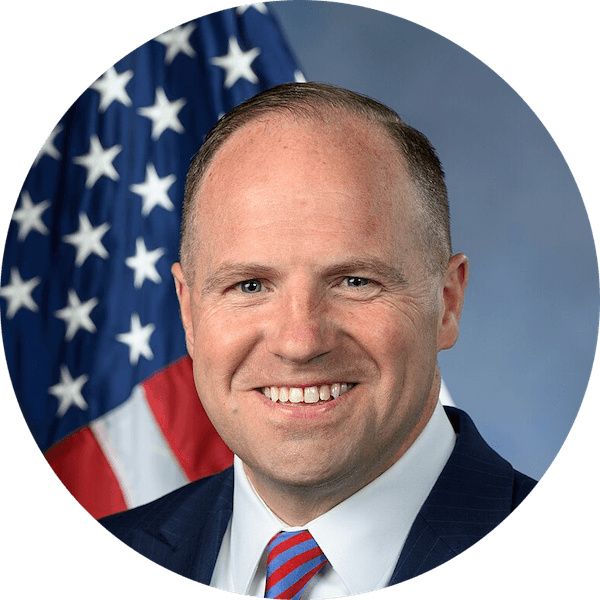
Timothy Kennedy
Democrat · NY

John Larson
Democrat · CT
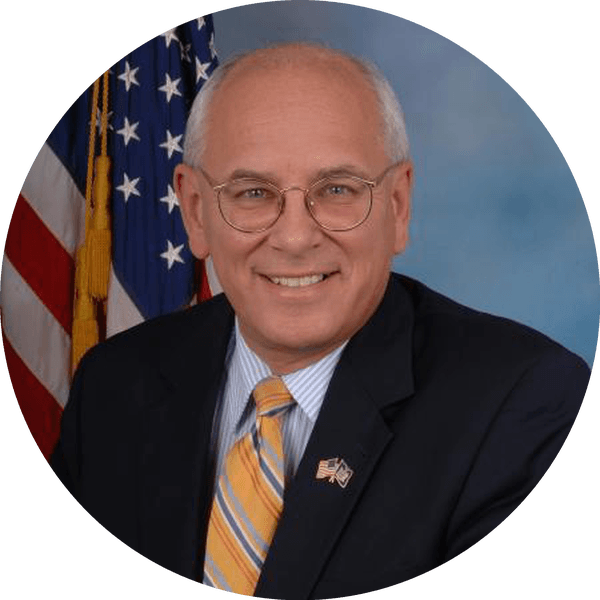
Paul Tonko
Democrat · NY

Yvette Clarke
Democrat · NY
Committee Sponsors
Ways and Means Committee
7 of 45 committee members cosponsored


Energy and Commerce Committee
12 of 54 committee members cosponsored


30 Democrats across these committees haven't cosponsored yet. Mobilize their constituents
H.R. 3037 Quick Facts
- Committee
- Ways and Means
- Chamber
- House
- Policy
- Health
- Introduced
- Apr 28, 2025
Referred to Energy and Commerce, and in addition to the Committee on Ways and Means, for a period to be subsequently determined by the Speaker, in each case for consideration of such provisions as fall within the jurisdiction of the committee concerned. for review
Apr 28, 2025
Official Sources
Official Congress.gov page for the Access to Breast Cancer Diagnosis Act of 2025 with text, sponsors, actions, and committee status.
The statute the bill amends — Section 2730 would be added to this part of the Public Health Service Act to bar cost-sharing on diagnostic and supplemental breast exams.
National Cancer Institute overview of breast cancer screening modalities, including mammography, MRI, and ultrasound — the exam types the bill targets.
NCI explainer on the diagnostic workup that follows an abnormal screening — the exact callback path the bill makes free.
CDC guidance on USPSTF-recommended breast cancer screening intervals and methods, the federal baseline for why screening is preventive but diagnostic follow-up is not.
IRS rules on HSAs and high-deductible health plans — the regime the bill's safe harbor amends so pre-deductible breast exams don't break HDHP status.
The form HSA holders file annually — directly tied to the bill's amendment of Internal Revenue Code section 223(c)(2) preserving HSA eligibility.
The National Cancer Institute's Gail Model risk calculator — the kind of personal and family history assessment the bill ties supplemental exam eligibility to.
H.R. 3037 Common Questions
When does H.R. 3037 take effect?
For plan years beginning on or after January 1, 2026. The bill is still in committee, so passage is required first — but if enacted, insurers would have to remove cost-sharing for diagnostic and supplemental breast exams in their 2026 plan designs.
Does H.R. 3037 cover follow-up mammograms after an abnormal screening?
Yes. If a screening mammogram turns up something the radiologist wants to investigate, the follow-up exam — diagnostic mammogram, breast MRI, or ultrasound — would have no copay, no coinsurance, and no deductible, as long as the exam meets National Comprehensive Cancer Network Guidelines.
What about MRI or ultrasound for women with a family history of breast cancer?
H.R. 3037 calls these supplemental exams. If your personal or family medical history raises your breast cancer risk, your insurer would have to cover the supplemental screening — like an MRI or ultrasound — with no cost-sharing, as long as it meets National Comprehensive Cancer Network Guidelines.
Does H.R. 3037 affect HSA eligibility?
No. The bill adds a safe harbor so a high deductible health plan can cover diagnostic and supplemental breast exams before the deductible is met without losing HDHP status. You can keep contributing to your HSA.
Can insurers still require prior authorization for breast imaging?
Yes. The bill bars cost-sharing but explicitly preserves the right of plans to require timely prior authorization and other utilization controls. You may still face administrative steps before the imaging gets approved.
Does H.R. 3037 cover grandfathered employer plans?
Yes. The bill explicitly extends the no-cost-sharing rule to grandfathered plans under the ACA, so older employer coverage that was exempt from many ACA rules would still have to comply when the changes take effect in 2026.
Does H.R. 3037 override state laws on breast imaging coverage?
No. The bill does not supersede state laws that provide greater protections for diagnostic or supplemental breast examinations. It sets a federal floor, not a ceiling.
What's the current status of H.R. 3037?
The bill was introduced April 28, 2025 and referred to the Energy and Commerce Committee and the Ways and Means Committee. It has picked up 33 cosponsors — 27 Democrats and 6 Republicans — but neither committee has scheduled a markup yet.
Based on H.R. 3037 bill text
H.R. 3037 Bill Text
“To amend title XXVII of the Public Health Service Act to prohibit group health plans and health insurance issuers offering group or individual health insurance coverage from imposing cost-sharing requirements with respect to diagnostic and supplemental breast examinations.”
Source: U.S. Government Publishing Office
Get notified when H.R. 3037 moves
Committee votes, floor action, cosponsor changes — straight to your inbox.
Bill alerts + Legisletter's monthly briefing. Unsubscribe anytime.
Health Bills
9 related bills we're tracking
Nancy Gardner Sewell Medicare Multi-Cancer Early Detection Screening Coverage Act




Reported (Amended) by the Committee on Ways and Means. H. Rept. 119-333, Part I.
Oct 3, 2025
Mikaela Naylon Give Kids a Chance Act



Received in the Senate.
Dec 2, 2025
Improving Seniors’ Timely Access to Care Act of 2025




Ordered to be Reported in the Nature of a Substitute by the Yeas and Nays: 42 - 0.
Jul 15, 2026
CONNECT for Health Act of 2025





Referred to the Committee on Energy and Commerce, and in addition to the Committee on Ways and Means, for a period to be subsequently determined by the Speaker, in each case for consideration of such provisions as fall within the jurisdiction of the committee concerned.
Jun 26, 2025
ASAP Act



Ordered to be Reported in the Nature of a Substitute by the Yeas and Nays: 40 - 0.
Sep 16, 2026
Momnibus Act




Referred to the Subcommittee on Health.
Apr 20, 2026
Ensuring Lasting Smiles Act



Referred to the Committee on Energy and Commerce, and in addition to the Committees on Education and Workforce, and Ways and Means, for a period to be subsequently determined by the Speaker, in each case for consideration of such provisions as fall within the jurisdiction of the committee concerned.
May 8, 2025
Right to Contraception Act


Referred to the House Committee on Energy and Commerce.
Feb 5, 2025
Women’s Health Protection Act of 2025



Referred to the Committee on Energy and Commerce, and in addition to the Committee on the Judiciary, for a period to be subsequently determined by the Speaker, in each case for consideration of such provisions as fall within the jurisdiction of the committee concerned.
Jun 24, 2025
Trending Right Now
Bills gaining momentum across Congress
North Platte Canteen Congressional Gold Medal Act



Referred to the House Committee on Financial Services.
Feb 21, 2025
America’s Olympic and Paralympic Games Commemorative Coins Act





Referred to the House Committee on Financial Services.
Jul 14, 2025
Fit to Serve Act



Referred to the House Committee on Armed Services.
May 21, 2025
Tracking Health in Congress? Monitor bills, track cosponsor momentum, and launch advocacy campaigns — all from one advocacy platform.