H.R. 2398: Rural Veterinary Workforce Act
Sponsor

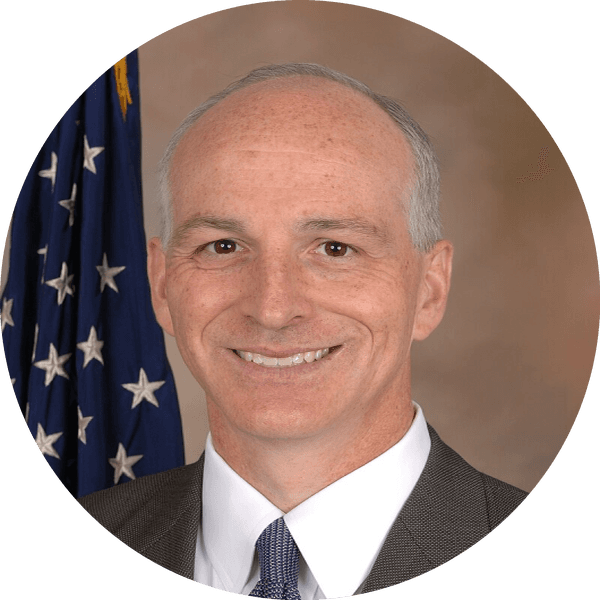
Adrian Smith
Republican · NE-3
Loan help for rural vets shouldn't come with a tax bill
Why it matters
USDA will pay up to $40,000 a year toward a veterinarian's student loans in exchange for three years in a shortage area — and the IRS counts that help as income. At a 22% bracket, that's roughly $8,800 a year in federal tax. H.R. 2398 would make it tax-free, along with state programs built to put more vets where they're scarce.
H.R. 2398, the Rural Veterinary Workforce Act, is a one-page bill with one job. It moves veterinary loan repayment into the same tax-free category that already covers loan repayment for doctors, nurses and other clinicians who take jobs in underserved areas through the National Health Service Corps and similar state programs.
Two kinds of help would qualify. The first is USDA's Veterinary Medicine Loan Repayment Program, which pays up to $40,000 a year toward the loans of vets who commit three years to a designated shortage area. The second is any state loan repayment or forgiveness program meant to increase access to veterinary services in that state.
Money a program pays toward your vet school debt would no longer be counted as income on your federal tax return. Over a full three-year USDA award, that's up to $120,000 in loan payments that would stay off your taxable income.
The bill creates no new program and adds no new grant money. Its effect is on what each existing award is worth once taxes are settled. It would apply to amounts received in tax years beginning after December 31, 2025 — the 2026 tax year onward.
Bill Progress
Latest Action · Mar 27, 2025
Referred to the House Committee on Ways and Means.
H.R. 2398 Bill Summary
What H.R. 2398 actually does.
USDA loan repayment awards become tax-free
Payments from USDA's Veterinary Medicine Loan Repayment Program — up to $40,000 a year for vets serving three years in a shortage area — would be excluded from federal taxable income.
State vet loan programs qualify too
Any state loan repayment or loan forgiveness program intended to increase access to veterinary services in that state would get the same treatment.
Vets join doctors and nurses under the same rule
Federal tax law already excludes loan repayment from the National Health Service Corps and state programs for health professionals in underserved areas. The bill adds veterinary programs to that list.
Covers 2026 awards onward
The exclusion applies to amounts received in tax years beginning after December 31, 2025. Earlier awards are not affected.
Who benefits from H.R. 2398?
Vets serving USDA-designated shortage areas
A veterinarian receiving the full $40,000 a year would keep the tax that would otherwise be owed on it — about $8,800 a year at a 22% rate, or roughly $26,400 over a three-year commitment.
New graduates weighing a rural or food-animal practice
These jobs often pay less than urban small-animal practice. A loan award with no tax attached closes more of that gap for someone deciding where to start a career.
States running their own vet recruitment programs
A state's existing loan repayment dollars would go further for each participant without the state increasing its budget.
Livestock producers and rural pet owners
Farms, ranches and small towns that struggle to keep a veterinarian nearby stand to benefit if the stronger incentive draws and holds more vets in those areas.
Who is affected by H.R. 2398?
Veterinarians in qualifying programs
Loan payments received from 2026 onward would no longer be reported as taxable income on their federal returns.
State program administrators
Only state programs intended to increase access to veterinary services qualify, so states may review how their programs are described and structured.
The federal Treasury and the IRS
Federal revenue drops by the tax no longer collected on these awards, and the IRS would update its guidance to reflect the expanded exclusion.
Vets repaying loans on their own
The exclusion applies only to payments made through qualifying federal or state programs. Veterinarians paying down debt without one of these awards see no change.
HR2398 Legislative Journey
House: Committee Action
Mar 27, 2025
Referred to the House Committee on Ways and Means.
About the Sponsor
Adrian Smith
Republican, Nebraska's 3rd congressional district · 19 years in Congress
Committees: Joint Committee on Taxation, Ways and Means
View full profile →
Cosponsors (63)
This bill has 63 cosponsors: 37 Democrats, 26 Republicans, reflecting bipartisan support. Cosponsors represent 33 states: Alabama, Arizona, California, and 30 more.
John Larson
Democrat · CT

Michelle Fischbach
Republican · MN
Jimmy Panetta
Democrat · CA

Randy Feenstra
Republican · IA

Melanie Stansbury
Democrat · NM
David Rouzer
Republican · NC

Mike Carey
Republican · OH

Nikki Budzinski
Democrat · IL

Chrissy Houlahan
Democrat · PA
Donald Davis
Democrat · NC
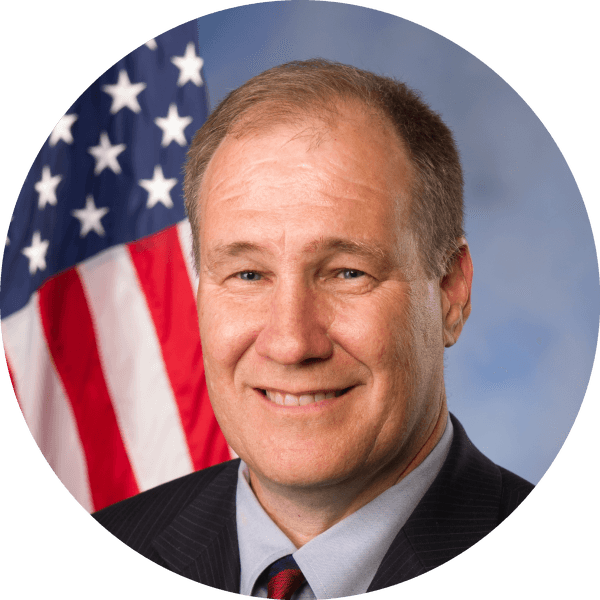
Trent Kelly
Republican · MS
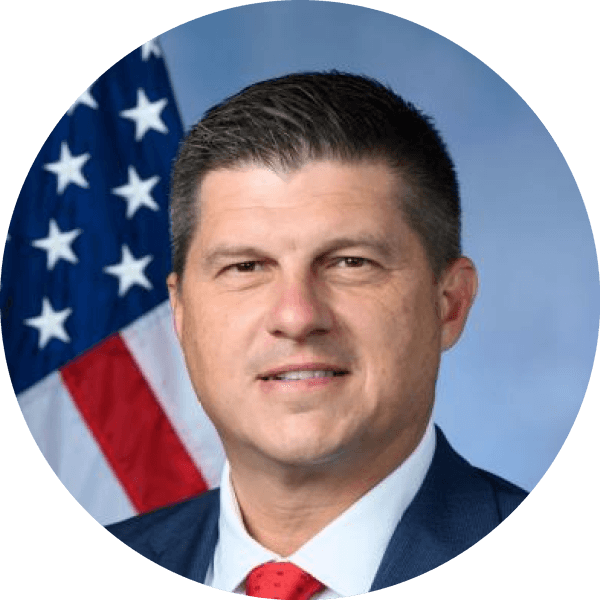
Brad Finstad
Republican · MN
Committee Sponsors
Ways and Means Committee
11 of 45 committee members cosponsored


20 Republicans across this committee haven't cosponsored yet. Mobilize their constituents
H.R. 2398 Quick Facts
- Committee
- Ways and Means
- Chamber
- House
- Policy
- Taxation
- Introduced
- Mar 27, 2025
Referred to the House Committee on Ways and Means.
Mar 27, 2025
Official Sources
Official bill page with status, text, cosponsors, and actions for the Rural Veterinary Workforce Act.
The federal program whose awards the bill would make tax-free: up to $40,000 a year toward vet school loans for a three-year commitment in a shortage area.
USDA explains how it handles the tax owed on loan repayment awards today, including the federal tax payment it makes to the participant's IRS account.
USDA guidance for award recipients on the tax reporting that the bill's exclusion would change.
The statute that creates the USDA veterinary loan repayment program, cited directly in the bill text.
Section 108(f)(4) already excludes National Health Service Corps and state health-professional loan repayment from income; the bill adds veterinary programs to it.
IRS overview of when canceled or repaid debt counts as income, including the existing exception for certain student loan repayment assistance programs.
The official published text of the bill as introduced, showing the exact amendment to the Internal Revenue Code.
H.R. 2398 Common Questions
What does H.R. 2398 do?
It makes veterinary student loan repayment and forgiveness tax-free at the federal level. That covers USDA's Veterinary Medicine Loan Repayment Program and state programs meant to bring more vets into underserved areas.
Is USDA vet loan repayment taxable right now?
Yes. Payments made toward your loans through the program count as taxable income, even though the money goes to your lender, not to you. H.R. 2398 would exclude it.
How much could a veterinarian save?
USDA pays up to $40,000 a year. At a 22% federal rate, that's about $8,800 a year in tax avoided, or roughly $26,400 over a three-year commitment. Your savings depend on your bracket and award size.
Do state veterinary loan programs count?
Yes, if the state program is intended to increase access to veterinary services in that state. Both loan repayment and loan forgiveness programs qualify.
Don't doctors already get tax-free loan repayment?
Yes. Loan repayment through the National Health Service Corps and state programs for health professionals in underserved areas is already tax-free. H.R. 2398 extends the same rule to veterinarians.
When would the tax break start?
It applies to amounts received in tax years beginning after December 31, 2025 — so awards paid in 2026 and later. Earlier payments are not covered.
Does H.R. 2398 add money to vet loan programs?
No. It creates no new program and no new funding. It only changes how existing awards are taxed, so each award is worth more to the vet who receives it.
Where does H.R. 2398 stand in Congress?
It was referred to the House Ways and Means Committee in March 2025 and has 63 cosponsors. Rep. Adrian Smith (R-NE) introduced it. It has not had a committee vote.
Based on H.R. 2398 bill text
H.R. 2398 Bill Text
“To amend the Internal Revenue Code of 1986 to provide for an exclusion for assistance provided to participants in certain veterinary student loan repayment or forgiveness programs.”
Source: U.S. Government Publishing Office
Get notified when H.R. 2398 moves
Committee votes, floor action, cosponsor changes — straight to your inbox.
Bill alerts + Legisletter's monthly briefing. Unsubscribe anytime.
Taxation Bills
9 related bills we're tracking
American Family Act




Referred to the House Committee on Ways and Means.
Apr 9, 2025
Freedom to Invest in Tomorrow’s Workforce Act


Referred to the House Committee on Ways and Means.
Feb 7, 2025
Main Street Tax Certainty Act


Referred to the House Committee on Ways and Means.
Jan 23, 2025
Death Tax Repeal Act

Referred to the House Committee on Ways and Means.
Feb 13, 2025
To amend the Internal Revenue Code of 1986 to modify the railroad track maintenance credit.
Referred to the House Committee on Ways and Means.
Jan 16, 2025
Tax Fairness for Workers Act


Referred to the House Committee on Ways and Means.
Apr 7, 2025
Health Care Affordability Act of 2025




Referred to the House Committee on Ways and Means.
Jan 9, 2025
Affordable Housing Credit Improvement Act of 2025
Referred to the House Committee on Ways and Means.
Apr 8, 2025
More Homes on the Market Act

Referred to the House Committee on Ways and Means.
Feb 13, 2025
Trending Right Now
Bills gaining momentum across Congress
North Platte Canteen Congressional Gold Medal Act


Referred to the House Committee on Financial Services.
Feb 21, 2025
America’s Olympic and Paralympic Games Commemorative Coins Act



Referred to the House Committee on Financial Services.
Jul 14, 2025
Fit to Serve Act


Referred to the House Committee on Armed Services.
May 21, 2025
Tracking Taxation in Congress? Monitor bills, track cosponsor momentum, and launch advocacy campaigns — all from one advocacy platform.