H.R. 2004: Tyler’s Law
Sponsor

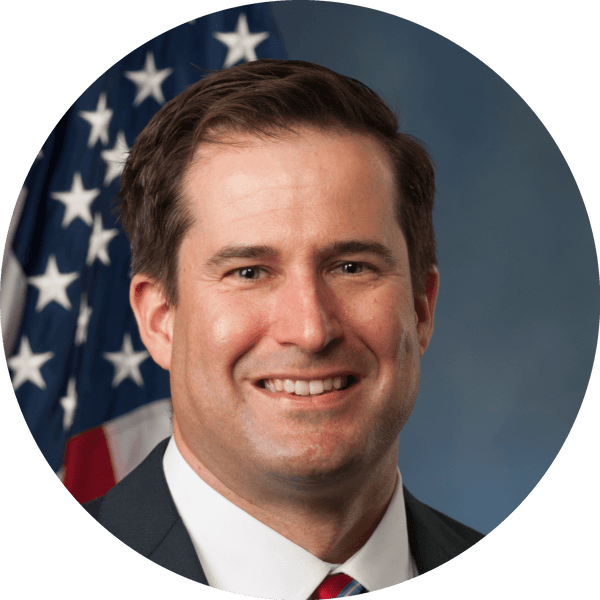
Ted Lieu
Democrat · CA-36
ERs need clarity on fentanyl testing
Why it matters
Within 18 months of enactment, HHS would have to study fentanyl testing and tell emergency departments whether it should become routine for overdose patients. H.R. 2004 would provide federal guidance, not impose a testing mandate.
H.R. 2004 would give HHS one year to study how often hospital emergency departments test overdose patients for fentanyl. The agency would compare that practice with testing for amphetamines, phencyclidine, cocaine, opiates, and marijuana, while examining the costs, benefits, and risks of fentanyl testing.
The bill would not require an emergency room to test every overdose patient for fentanyl. Instead, HHS would use the study to decide what federal guidance hospitals should receive.
That guidance would be due within six months after the study. It would address whether routine fentanyl testing is appropriate, how hospitals can ensure clinicians know what their standard drug screens include, and whether testing could affect a patient's future overdose risk or broader health outcomes.
The study would also consider confidentiality, health-information privacy, and the patient-physician relationship. For patients and clinicians, the intended change is clearer information about whether fentanyl was actually included in a drug screen.
Bill Progress
Latest Action · Sep 16, 2026
Passed the House, received in Senate
H.R. 2004 Bill Summary
What H.R. 2004 actually does.
Overdose testing practices get a federal review
HHS would study how often hospital emergency departments test for fentanyl when treating patients experiencing an overdose.
Fentanyl testing is compared with common drug screens
The study would compare fentanyl testing with testing for amphetamines, phencyclidine, cocaine, opiates, and marijuana.
Patient costs, benefits, and risks are examined
HHS would assess the costs associated with fentanyl testing as well as its potential benefits and risks for overdose patients.
Privacy and patient trust remain part of the review
The study would consider health-information privacy, confidentiality, and possible effects on the relationship between patients and clinicians.
Hospitals get guidance within 18 months
HHS would have one year after enactment to finish the study and six more months to issue guidance based on its findings.
Clinicians get clearer information about drug screens
The guidance would address how hospitals can ensure clinicians know which substances are included in routinely administered drug tests.
Who benefits from H.R. 2004?
Patients treated after a suspected overdose
You and your care team could get clearer information about whether a routine drug screen included fentanyl and how that result may inform follow-up care.
Families seeking answers after an overdose
Families could benefit from more consistent hospital practices and clearer explanations of what an emergency drug screen did—and did not—test.
Emergency physicians and nurses
Clinicians could receive federal guidance on when fentanyl testing may be useful and how to verify which substances are covered by routine screens.
Hospital emergency department leaders
Administrators could use the HHS study and guidance when deciding whether to add or expand routine fentanyl testing.
Who is affected by H.R. 2004?
Department of Health and Human Services
HHS would have to complete the study within one year of enactment and issue guidance within the following six months.
Hospital emergency departments
Their overdose-testing practices would be the subject of the study. The bill itself would not require them to adopt routine fentanyl testing.
Emergency care clinicians
HHS would examine whether clinicians know which substances their routine drug screens include and recommend ways hospitals can make that information clearer.
Patients whose health data is used in the review
HHS would have to consider confidentiality, health-information privacy, and the effect of testing practices on the patient-physician relationship.
HR2004 Legislative Journey
Sent to Senate
Sep 16, 2026
Received in the Senate. Read twice. Placed on Senate Legislative Calendar under General Orders. Calendar No. 625.
House: Vote Held
Sep 15, 2026
On motion to suspend the rules and pass the bill Agreed to by voice vote. (text: CR H5673)
House: Committee Action
Sep 14, 2026
Reported by the Committee on Energy and Commerce. H. Rept. 119-817.
House: Vote: 46-0
Jul 21, 2026
Ordered to be Reported by the Yeas and Nays: 46 - 0.
House: Committee Action
Jul 20, 2026
Committee Consideration and Mark-up Session Held
House: Vote Held
Jun 25, 2026
Forwarded by Subcommittee to Full Committee by Voice Vote.
House: Committee Action
Mar 10, 2025
Referred to the House Committee on Energy and Commerce.
About the Sponsor
Ted Lieu
Democrat, California's 36th congressional district · 11 years in Congress
Committees: the Judiciary, Foreign Affairs
View full profile →
Cosponsors (65)
This bill has 65 cosponsors: 35 Democrats, 30 Republicans, reflecting bipartisan support. Cosponsors represent 28 states: Arizona, California, Colorado, and 25 more.

Robert Latta
Republican · OH

Sydney Kamlager-Dove
Democrat · CA

Raúl Grijalva
Democrat · AZ

Dan Crenshaw
Republican · TX

Troy Balderson
Republican · OH

Juan Ciscomani
Republican · AZ

David Valadao
Republican · CA

Michael Lawler
Republican · NY

Sharice Davids
Democrat · KS

Eleanor Norton
Democrat · DC

Raja Krishnamoorthi
Democrat · IL

Sheila Cherfilus-McCormick
Democrat · FL
Committee Sponsors
Energy and Commerce Committee
26 of 54 committee members cosponsored


9 Democrats across this committee haven't cosponsored yet. Mobilize their constituents
H.R. 2004 Quick Facts
- Committee
- Energy and Commerce
- Chamber
- House
- Policy
- Health
- Introduced
- Mar 10, 2025
Passed the House, received in Senate
Sep 16, 2026
Official Sources
Congress.gov provides the official bill text, legislative actions, sponsors, committees, and current status of Tyler’s Law.
GovInfo provides the official reported House text specifying the HHS study, guidance, and deadlines for fentanyl testing in emergency departments.
HHS explains the department’s federal strategy for preventing overdoses, the policy area in which the bill’s required study and guidance would operate.
The National Institute on Drug Abuse summarizes federal research on fentanyl, its health effects, and overdose risks.
HHS explains federal health-information privacy requirements relevant to the bill’s direction to consider confidentiality and patient privacy.
H.R. 2004 Common Questions
Does Tyler’s Law require emergency rooms to test for fentanyl?
No. H.R. 2004 would require HHS to study the issue and recommend whether routine fentanyl testing is appropriate for overdose patients. Hospitals would not face a federal testing mandate under the bill.
How long would the Tyler’s Law study and guidance take?
HHS would have one year after enactment to finish the study, followed by six months to issue guidance. The full process could take up to 18 months.
What would HHS study under Tyler’s Law?
HHS would examine how often emergency departments test overdose patients for fentanyl, what testing costs, and its potential benefits and risks. It would compare fentanyl testing with five other drug categories.
Which drug tests would be compared with fentanyl testing?
The study would compare fentanyl testing with testing for amphetamines, phencyclidine, cocaine, opiates, and marijuana.
Would Tyler’s Law help doctors know what a drug screen includes?
That is one goal. HHS guidance would address how hospitals can ensure clinicians know which substances are included in routinely administered drug tests, including whether fentanyl is covered.
How would Tyler’s Law address patient privacy?
The HHS study would examine confidentiality, health-information privacy, and possible effects of fentanyl testing on the patient-physician relationship.
How much money would Tyler’s Law provide?
The bill does not authorize a specific dollar amount. It would require HHS to study the costs of fentanyl testing, but it would not directly fund or require hospitals to adopt routine testing.
Is Tyler’s Law in effect now?
No. H.R. 2004 has reached the Senate calendar after House action, but it still needs Senate passage and the president’s signature to become law.
Based on H.R. 2004 bill text
H.R. 2004 Bill Text
“To direct the Secretary of Health and Human Services to issue guidance on whether hospital emergency departments should implement fentanyl testing as a routine procedure for patients experiencing an overdose, and for other purposes.”
Source: U.S. Government Publishing Office
Get notified when H.R. 2004 moves
Committee votes, floor action, cosponsor changes — straight to your inbox.
Bill alerts + Legisletter's monthly briefing. Unsubscribe anytime.
Health Bills
9 related bills we're tracking
Nancy Gardner Sewell Medicare Multi-Cancer Early Detection Screening Coverage Act





Reported (Amended) by the Committee on Ways and Means. H. Rept. 119-333, Part I.
Oct 3, 2025
Mikaela Naylon Give Kids a Chance Act





Received in the Senate.
Dec 2, 2025
Improving Seniors’ Timely Access to Care Act of 2025





Ordered to be Reported in the Nature of a Substitute by the Yeas and Nays: 42 - 0.
Jul 15, 2026
CONNECT for Health Act of 2025




Referred to the Committee on Energy and Commerce, and in addition to the Committee on Ways and Means, for a period to be subsequently determined by the Speaker, in each case for consideration of such provisions as fall within the jurisdiction of the committee concerned.
Jun 26, 2025
ASAP Act




Ordered to be Reported in the Nature of a Substitute by the Yeas and Nays: 40 - 0.
Sep 16, 2026
Ensuring Lasting Smiles Act



Referred to the Committee on Energy and Commerce, and in addition to the Committees on Education and Workforce, and Ways and Means, for a period to be subsequently determined by the Speaker, in each case for consideration of such provisions as fall within the jurisdiction of the committee concerned.
May 8, 2025
Momnibus Act




Referred to the Subcommittee on Health.
Apr 20, 2026
Right to Contraception Act




Referred to the House Committee on Energy and Commerce.
Feb 5, 2025
Women’s Health Protection Act of 2025



Referred to the Committee on Energy and Commerce, and in addition to the Committee on the Judiciary, for a period to be subsequently determined by the Speaker, in each case for consideration of such provisions as fall within the jurisdiction of the committee concerned.
Jun 24, 2025
Trending Right Now
Bills gaining momentum across Congress
North Platte Canteen Congressional Gold Medal Act



Referred to the House Committee on Financial Services.
Feb 21, 2025
Accelerating Access to Critical Therapies for ALS Reauthorization Act of 2026




Presented to President.
Oct 26, 2026
Provider Reimbursement Stability Act of 2026




Ordered to be Reported in the Nature of a Substitute by the Yeas and Nays: 44 - 0.
May 21, 2026
Tracking Health in Congress? Monitor bills, track cosponsor momentum, and launch advocacy campaigns — all from one advocacy platform.