H.R. 1869: Protecting American Industry and Labor from International Trade Crimes Act of 2026
Sponsor
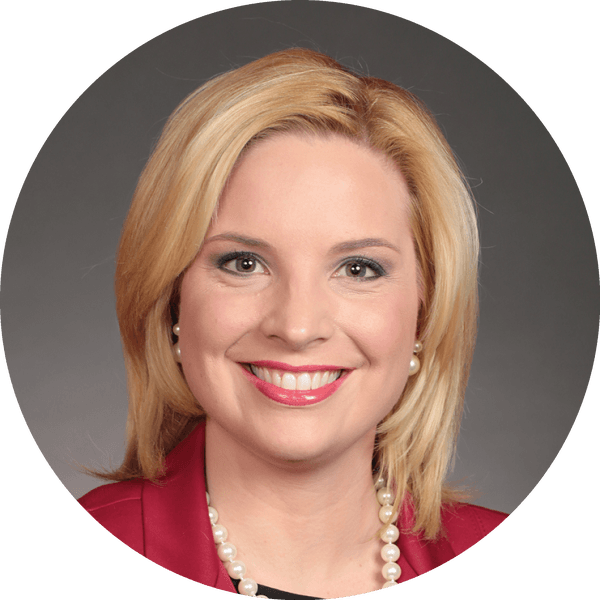
Ashley Hinson
Republican · IA-2
Trade cheaters face a dedicated DOJ crackdown
Why it matters
120 days after funding, DOJ would have to launch a dedicated trade-crime unit. That means more federal prosecutors focused on tariff evasion, smuggling, counterfeit goods, forced labor, and trade-based money laundering.
Once Congress funds it, DOJ would have 120 days to create a specialized unit for trade-related crimes.
The new structure would sit inside DOJ's Criminal Division and be led by a supervisory trial attorney. The bill also requires DOJ to add new prosecutor and support staff positions, with an emphasis on experienced, technically qualified personnel.
This is broader than tariff enforcement alone. The bill covers conduct tied to evading duties, tariffs, and import or export restrictions, but it also reaches smuggling, trade-based money laundering, counterfeit goods, forced labor, false statements, and certain toxic-substance and food-and-drug violations.
If you're a business already following customs and trade rules, the bill is designed to put more criminal pressure on competitors accused of cutting corners.
DOJ would also have to work more closely with Homeland Security Investigations, U.S. Customs and Border Protection, and foreign partner agencies. The goal is to build more multi-agency and cross-border cases instead of leaving trade crime scattered across different offices.
Congress would get yearly scorecards on whether the effort is growing. Those reports must include how many trade-related crimes were publicly charged, how many indictments were brought, how the money was spent, and whether DOJ says it needs more funding.
The bill does not include a dollar amount, so the whole plan depends on Congress actually appropriating money first.
Bill Progress
Latest Action · Sep 14, 2026
Passed the House, received in Senate
H.R. 1869 Bill Summary
What H.R. 1869 actually does.
A new DOJ trade-crime unit starts within 120 days
Once funding is available, DOJ must create a task force, named program, or similar structure inside its Criminal Division within 120 days to investigate and prosecute trade-related crimes.
More prosecutors get assigned to trade cases
The bill requires DOJ to create new criminal trial attorney and support staff positions for these cases, and says those staff must be experienced and technically qualified.
Tariff evasion is only part of the target list
The bill defines trade-related crimes broadly to include conduct tied to evading duties, tariffs, other import or export fees, and trade restrictions, along with smuggling and trade-based money laundering.
Counterfeit, forced-labor, and unsafe-goods cases move into scope
The bill directs the new structure to pursue a wide set of crimes, including customs fraud, false statements, mail and wire fraud, forced labor, money laundering, counterfeit goods trafficking, toxic-substance violations, and food and drug safety offenses.
DOJ would have to coordinate across agencies and borders
The unit would train with and support Homeland Security Investigations, U.S. Customs and Border Protection, and other federal agencies, while also building partnerships with agencies in U.S. trading-partner countries.
Congress gets annual enforcement numbers
Within one year of enactment, and every year after that, the Attorney General would have to report how many trade-related crimes were publicly charged, how funds were used, and whether more money is needed.
Who benefits from H.R. 1869?
U.S. manufacturers and importers that follow the rules
If you pay duties, file truthful customs paperwork, and comply with trade restrictions, this bill is meant to increase criminal enforcement against rivals accused of dodging those costs.
Workers tied to industries hit by illicit imports
Sponsors argue stronger trade-crime enforcement would protect industries and jobs that can be undercut by smuggling, counterfeit goods, and tariff evasion.
Investigators building cross-border trade cases
Homeland Security Investigations, U.S. Customs and Border Protection, and partner agencies abroad would get a dedicated DOJ structure to coordinate prosecutions and technical support.
People exposed to counterfeit or unsafe goods
Because the bill includes counterfeit trafficking plus certain toxic-substance and food-and-drug offenses, it could lead to more criminal cases involving products that pose health or safety risks.
Who is affected by H.R. 1869?
Importers and exporters with weak compliance systems
Businesses involved in customs filings, tariff payments, sanctions compliance, or export controls could face more scrutiny if prosecutors get a larger, specialized team focused on trade cases.
Smuggling and trade-based money laundering networks
The bill explicitly includes smuggling and trade-based money laundering, signaling a push toward bigger criminal cases tied to cross-border financial flows and illicit shipments.
Counterfeit and forced-labor supply chains
Entities accused of moving counterfeit goods or using forced-labor-linked imports could face more coordinated investigations and prosecutions under the new DOJ structure.
DOJ's Criminal Division
The division would have to stand up a new enforcement structure, hire staff, coordinate with other agencies, and produce annual reports to Congress on results and funding needs.
What Congress Is Saying
H.R. 1869 has come up 14 times in the Congressional Record so far.
H.R. 1869 also appeared in 1 more House floor reference and 10 routine cosponsor filings.
HR1869 Legislative Journey
Sent to Senate
Sep 14, 2026
Received in the Senate.
House: Vote: 5273-5274
Aug 31, 2026
On motion to suspend the rules and pass the bill, as amended Agreed to by voice vote. (text: CR H5273-5274)
House: Committee Action
Aug 27, 2026
Reported (Amended) by the Committee on Judiciary. H. Rept. 119-782.
House: Vote: 23-0
Jun 3, 2026
Ordered to be Reported (Amended) by the Yeas and Nays: 23 - 0.
House: Committee Action
Mar 5, 2025
Referred to the House Committee on the Judiciary.
About the Sponsor
Ashley Hinson
Republican, Iowa's 2nd congressional district · 5 years in Congress
Committees: Ethics, House Select Committee on the Strategic Competition Between the United States and the Chinese Communist Party, Appropriations
View full profile →
Cosponsors (44)
This bill has 44 cosponsors: 27 Democrats, 17 Republicans, reflecting bipartisan support. Cosponsors represent 25 states: Arizona, California, Connecticut, and 22 more.
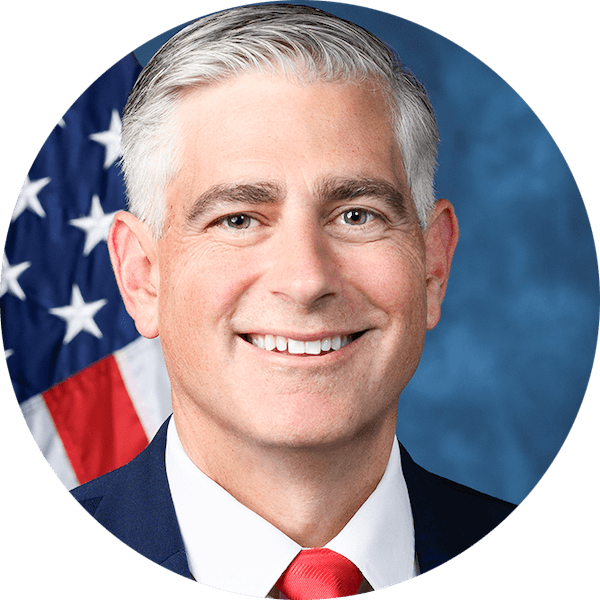
John Moolenaar
Republican · MI
Raja Krishnamoorthi
Democrat · IL

Robert Wittman
Republican · VA
Glenn Ivey
Democrat · MD
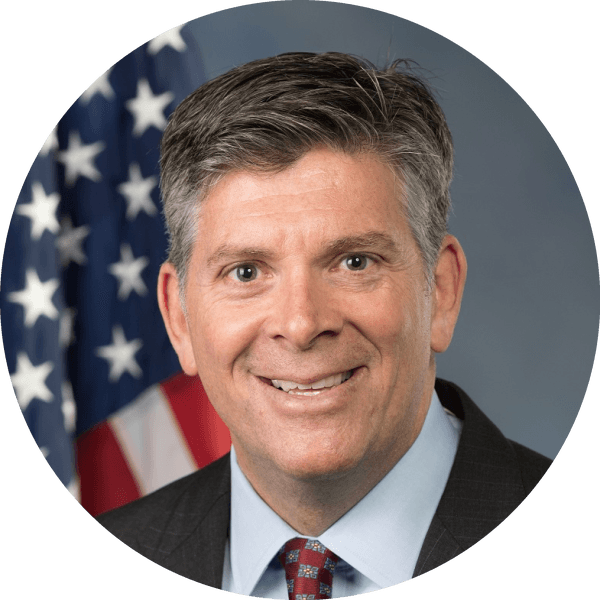
Darin LaHood
Republican · IL
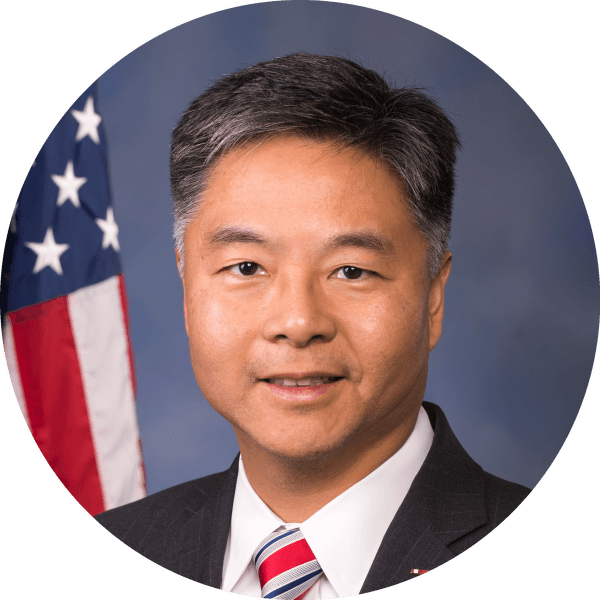
Ted Lieu
Democrat · CA
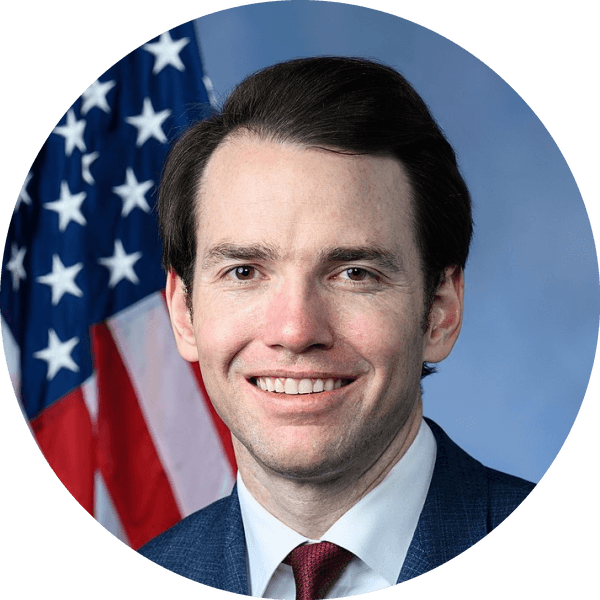
Kevin Kiley
Republican · CA

Rosa DeLauro
Democrat · CT

Clay Higgins
Republican · LA
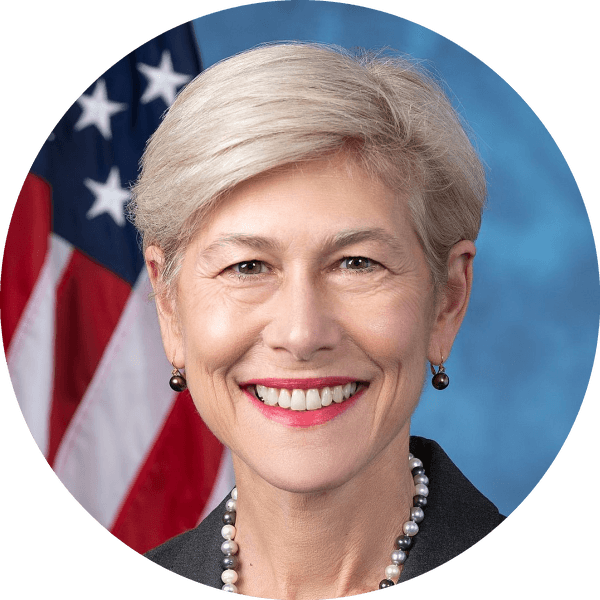
Deborah Ross
Democrat · NC
Brad Finstad
Republican · MN
Haley Stevens
Democrat · MI
Committee Sponsors
Judiciary Committee
6 of 44 committee members cosponsored


22 Republicans across this committee haven't cosponsored yet. Mobilize their constituents
H.R. 1869 Quick Facts
- Committee
- Judiciary
- Chamber
- House
- Policy
- Crime and Law Enforcement
- Introduced
- Mar 5, 2025
Passed the House, received in Senate
Sep 14, 2026
Official Sources
Official Congress.gov page for the bill with status, text, actions, and sponsors.
The bill creates the new trade-crime structure inside the Department of Justice's Criminal Division.
CBP is a key partner agency named in the bill for investigating customs violations, tariff evasion, and import-related trade crimes.
Homeland Security Investigations is specifically named in the bill as a federal agency that would train and coordinate with the new DOJ unit.
The bill includes forced-labor-linked trade crimes, and this DHS task force is the federal government's central forced-labor enforcement resource.
Counterfeit goods trafficking is covered by the bill, and the IPR Center coordinates federal enforcement against counterfeit imports and related trade crimes.
The bill specifically lists sections 15 and 16 of the Toxic Substances Control Act among the statutes tied to trade-related crimes.
Trade-based money laundering is expressly included in the bill, and this DOJ section leads federal anti-money-laundering criminal enforcement.
H.R. 1869 Common Questions
What would H.R. 1869 actually do?
It would require DOJ to create a dedicated trade-crime unit inside its Criminal Division. That team would focus on cases involving tariff evasion, smuggling, counterfeit goods, forced labor, and related fraud.
How fast would DOJ have to set it up?
Within 120 days after Congress provides funding. If no money is appropriated, that clock never starts.
Is this just about tariff evasion?
No. Tariff evasion is part of it, but the bill also covers smuggling, trade-based money laundering, counterfeit goods, forced labor, false statements, and some product-safety violations.
Would DOJ have to hire new prosecutors?
Yes. H.R. 1869 requires DOJ to create new criminal trial attorney and support staff positions for trade-crime enforcement.
Which agencies would work with the new unit?
The bill says DOJ would work with Homeland Security Investigations, U.S. Customs and Border Protection, other federal agencies, and agencies in U.S. trading-partner countries.
Does the bill include counterfeit goods and forced labor cases?
Yes. The bill specifically puts counterfeit trafficking and forced labor on the enforcement list for the new DOJ structure.
Would this block other DOJ cases on the same conduct?
No. The bill says action by DOJ's Criminal Division would not prevent additional criminal or civil enforcement by other DOJ components.
How would Congress know whether the unit is working?
DOJ would have to send Congress a report within one year of enactment, then every year after that, with charge and indictment totals, spending details, and any request for more funding.
Based on H.R. 1869 bill text
H.R. 1869 Bill Text
“To strengthen the Department of Justice’s enforcement against trade-related crimes.”
Source: U.S. Government Publishing Office
Get notified when H.R. 1869 moves
Committee votes, floor action, cosponsor changes — straight to your inbox.
Bill alerts + Legisletter's monthly briefing. Unsubscribe anytime.
Crime and Law Enforcement Bills
9 related bills we're tracking
Crime Victims Fund Stabilization Act of 2025

Received in the Senate and Read twice and referred to the Committee on the Judiciary.
Jan 13, 2026
Bipartisan Background Checks Act of 2025

Referred to the House Committee on the Judiciary.
Jun 10, 2025
Combating Organized Retail Crime Act of 2025


Received in the Senate and Read twice and referred to the Committee on the Judiciary.
May 13, 2026
Ethan's Law
Referred to the House Committee on the Judiciary.
Feb 25, 2025
Assault Weapons Ban of 2025

Referred to the House Committee on the Judiciary.
Apr 30, 2025
Constitutional Concealed Carry Reciprocity Act of 2025

Placed on the Union Calendar, Calendar No. 289.
Oct 3, 2025
Honoring Our Fallen Heroes Act of 2025

Referred to the House Committee on the Judiciary.
Feb 12, 2025
Raise the Age Act of 2025

Referred to the House Committee on the Judiciary.
Mar 26, 2025
Born-Alive Abortion Survivors Protection Act

Received in the Senate and Read twice and referred to the Committee on the Judiciary.
Jan 24, 2025
Trending Right Now
Bills gaining momentum across Congress
North Platte Canteen Congressional Gold Medal Act


Referred to the House Committee on Financial Services.
Feb 21, 2025
ASAP Act


Ordered to be Reported in the Nature of a Substitute by the Yeas and Nays: 40 - 0.
Sep 16, 2026
Fit to Serve Act


Referred to the House Committee on Armed Services.
May 21, 2025
Tracking Crime and Law Enforcement in Congress? Monitor bills, track cosponsor momentum, and launch advocacy campaigns — all from one advocacy platform.