S. 2912: Deceptive Practices and Voter Intimidation Prevention Act of 2025
Sponsor
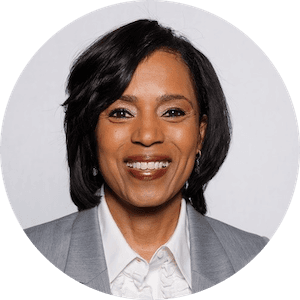
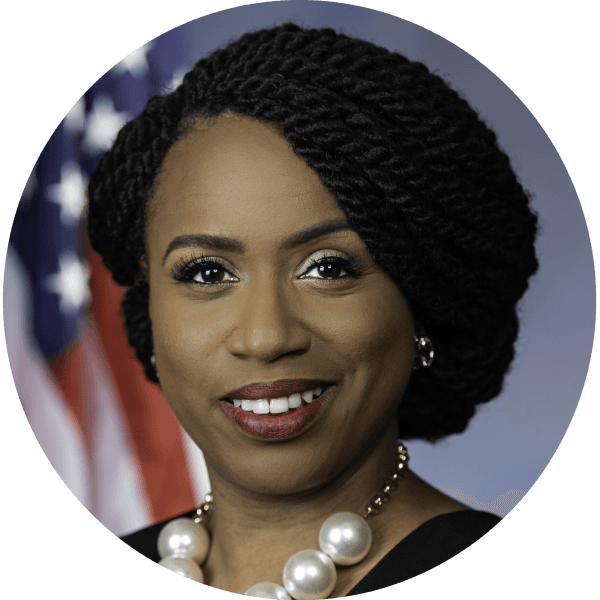
Angela Alsobrooks
Democrat · MD
Lie to block someone's vote, face a year in prison
Why it matters
The bill's findings cite 3 million robocalls in 2020 telling people to stay home on election day. S. 2912 would make knowingly spreading false voting information within 60 days of a federal election a crime punishable by up to a year in prison — and let voters take the people behind it to court.
S. 2912, the Deceptive Practices and Voter Intimidation Prevention Act of 2025, goes after lies designed to keep people from voting in federal elections. Within 60 days of any federal primary, runoff, special, or general election, knowingly spreading false information about when, where, or how to vote — or about who's eligible — would be illegal if you're doing it to stop someone from casting a ballot.
The ban covers any medium: robocalls, texts, mailers, social posts. It also names a newer tool directly. Using generative AI to manufacture false voting information inside that 60-day window would be prohibited when the intent is to suppress turnout. Setting up a fake polling place or ballot box that poses as official would be banned too.
The bill builds in enforcement on three tracks. Breaking the deception rules could mean a fine, up to a year in prison, or both. Anyone harmed could sue in federal court to stop the conduct and recover attorney's fees if they win. And when false information spreads, the Attorney General would have to put out an accurate, non-partisan correction if state and local officials haven't already done so.
The bill reaches past election day, too. It would make intimidating the workers who tabulate, canvass, and certify results a crime, extend protections to the officials keeping order at polling places, and expand the Voting Rights Act to ban paying people "for not voting." The bill's sponsors point to a 2025 appeals-court ruling that overturned a voter-deception conviction as evidence the law needs updating.
Bill Progress
Latest Action · Sep 18, 2025
Read twice and Referred to the Judiciary. for review
S. 2912 Bill Summary
What S. 2912 actually does.
Knowingly false voting information becomes a federal crime
Within 60 days of a federal election, knowingly communicating materially false information about the time, place, or manner of voting — or about voter eligibility — to keep someone from voting would be punishable by a fine, up to a year in prison, or both.
Using AI to fake voting information is banned
The bill specifically prohibits using a generative AI system to produce false voting information within 60 days of a federal election when the intent is to stop people from voting.
Fake polling places and ballot boxes are outlawed
Operating a polling place or ballot box that falsely poses as an official government location would count as intentionally hindering people from voting or registering.
Voters can sue the people who deceive them
Anyone harmed by a violation could go to federal court for an injunction or restraining order, and the prevailing party could recover reasonable attorney's fees.
The Justice Department must correct election lies
If false voting information spreads and state or local officials haven't fixed it, the Attorney General would have to publish an accurate correction that's objective and doesn't favor any candidate or party.
Intimidating ballot-counting workers becomes a crime
The bill extends criminal protection to the people processing or scanning ballots and tabulating, canvassing, or certifying results, covering the period after polls close.
Paying people not to vote becomes illegal
The bill expands the Voting Rights Act, which already bars paying for registration or voting, to also cover paying someone for not voting.
Who benefits from S. 2912?
Voters in federal elections
Anyone targeted by false information about how, when, or where to vote would gain a clear federal protection and the ability to sue the people responsible.
Communities of color and language-minority voters
The bill's findings cite a string of episodes — Spanish-language mailers threatening Latino voters with jail in 2006, false flier warnings in African American neighborhoods in 2008, robocalls targeting communities of color in 2020 — as the pattern these protections aim at.
Election workers and officials
Staff who count and certify ballots, and officials keeping order at polling places, would gain criminal protections against intimidation that extend through the certification process.
Who is affected by S. 2912?
People running deceptive election campaigns
Anyone using robocalls, texts, mailers, or online posts to knowingly mislead voters within 60 days of a federal election would face criminal penalties and civil lawsuits.
The Justice Department
The Attorney General would take on new duties: issuing public corrections, writing procedures within 180 days of enactment, and reporting to Congress after each federal general election.
State and local election officials
Officials would effectively get a first crack at correcting false information; the federal correction kicks in only when they haven't acted adequately.
AI developers and users
Using generative AI tools to produce false voting information with intent to suppress turnout would be explicitly prohibited within the 60-day window.
S2912 Legislative Journey
Committee Action
Sep 18, 2025
Read twice and referred to the Committee on the Judiciary.
About the Sponsor
Angela Alsobrooks
Democrat, MD · 1 years in Congress
Committees: Senate Special Committee on Aging, Environment and Public Works, Banking, Housing, and Urban Affairs
View full profile →
Cosponsors (8)
All 8 cosponsors are Democrats. Cosponsors represent 7 states: California, Connecticut, Hawaii, and 4 more.

Committee Sponsors
Judiciary Committee
4 of 21 committee members cosponsored


6 Democrats across this committee haven't cosponsored yet. Mobilize their constituents
What laws does S. 2912 change?
1 changes
Sections Amended
Section 21(a) of Sentencing Act of 1987 (28 U.S.C. 994 note) as though the authority under that section had not expired. (3) Payments for refraining from voting.--Subsection (c) of section 11 of the Voting Rights Act of 1965 (52 U.S.C. 10307)
striking ``either for registration to vote or for voting'' and inserting ``for registration to vote, for voting, or for not voting''
S. 2912 Quick Facts

- Committee
- Judiciary
- Chamber
- Senate
- Policy
- Government Operations and Politics
- Introduced
- Sep 18, 2025
Read twice and Referred to the Judiciary. for review
Sep 18, 2025
Official Sources
The official bill page with full text, sponsors, and the Judiciary Committee referral history.
The core civil voting-rights statute (Revised Statutes section 2004) that S. 2912 amends to add its deceptive-communications ban and private right of action.
The federal criminal statute S. 2912 amends to add the up-to-one-year penalty for deceptive acts and for hindering voting.
Section 11 of the Voting Rights Act, which the bill expands to make paying someone 'for not voting' illegal.
The NVRA criminal-penalty provision the bill amends to protect workers tabulating, canvassing, and certifying results.
Where voters can report voting-rights violations and deceptive election practices to the Justice Department, the agency the bill tasks with issuing corrections.
The bipartisan agency the Attorney General must consult when writing the procedures for correcting false voting information.
The body the bill directs to review and, if appropriate, amend the federal sentencing guidelines for these offenses within 180 days.
S. 2912 Common Questions
Can you go to prison for spreading false voting information?
Yes. S. 2912 would make it a federal crime to knowingly spread materially false information meant to keep someone from voting in a federal election. The penalty is a fine, up to a year in prison, or both.
How close to an election do these rules apply?
The core ban kicks in within 60 days before any federal election — primary, runoff, special, or general. That's the window when false information about how or when to vote does the most damage.
Does S. 2912 ban AI-generated fake election information?
Yes. The bill specifically targets using generative AI to produce false voting information within 60 days of a federal election when it's done to keep people from voting. AI-made fakes get the same treatment as any other deception.
Can voters sue someone who tries to trick them out of voting?
Yes. S. 2912 lets anyone harmed by a violation go to federal court for an injunction or restraining order to stop it. If you win, the court can make the other side pay your attorney's fees.
Does the bill make the Justice Department correct election lies?
If the Attorney General gets a credible report of false voting information and decides state and local officials haven't fixed it, the DOJ has to publish an accurate correction. Those corrections must be objective and can't favor any candidate or party.
Are fake polling places or ballot boxes illegal under S. 2912?
Yes. Setting up a polling place or ballot box that falsely poses as an official government location would be illegal under the bill's ban on intentionally hindering people from voting or registering.
Does the bill protect election workers counting the votes?
Yes. S. 2912 would make it a crime to intimidate or interfere with the people processing ballots or tabulating, canvassing, and certifying results — extending protection past election day into the counting and certification process.
Does S. 2912 make paying people not to vote illegal?
Yes. The bill expands the Voting Rights Act to ban paying people "for not voting." The existing law already covered paying for registration or voting; this closes the gap on paying someone to stay home.
Based on S. 2912 bill text
S. 2912 Bill Text
“To prohibit deceptive practices in Federal elections.”
Source: U.S. Government Publishing Office
Get notified when S. 2912 moves
Committee votes, floor action, cosponsor changes — straight to your inbox.
Bill alerts + Legisletter's monthly briefing. Unsubscribe anytime.
Government Operations and Politics Bills
9 related bills we're tracking
Protect Our Letter Carriers Act of 2025
Referred to the Committee on the Judiciary, and in addition to the Committee on Oversight and Government Reform, for a period to be subsequently determined by the Speaker, in each case for consideration of such provisions as fall within the jurisdiction of the committee concerned.
Feb 6, 2025
John R. Lewis Voting Rights Advancement Act of 2025
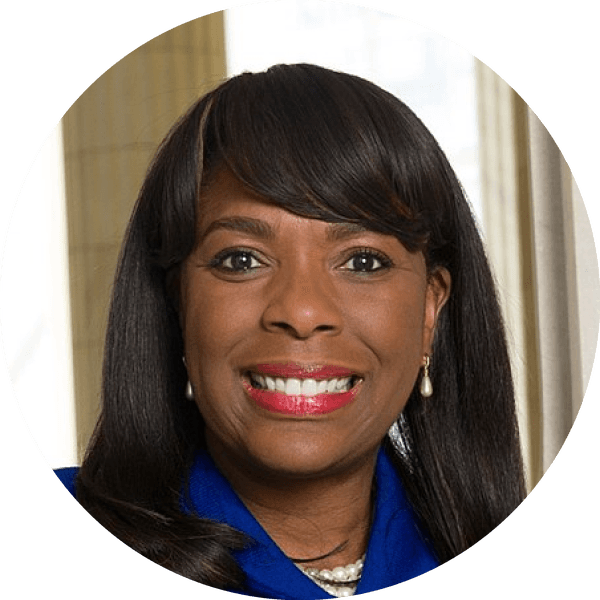
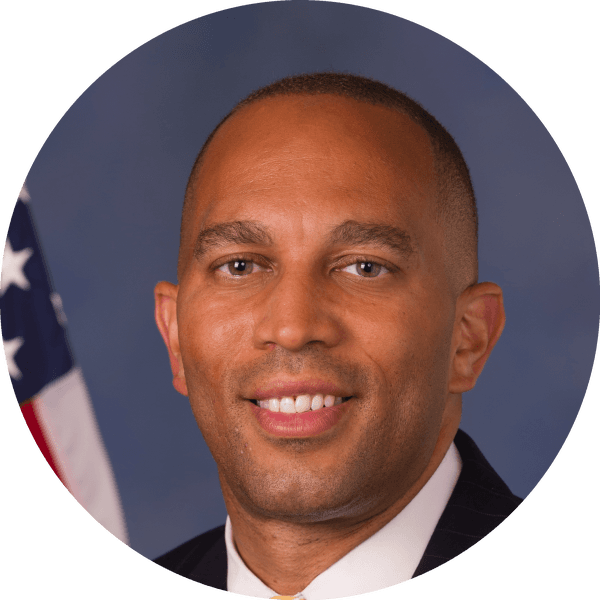

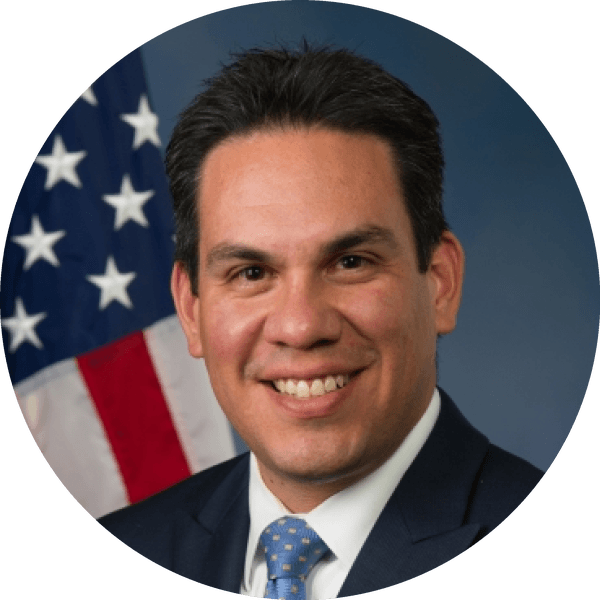
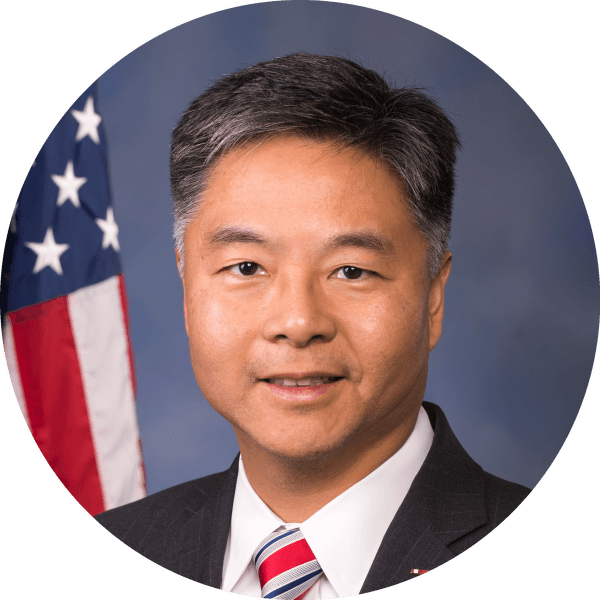
Referred to the House Committee on the Judiciary.
Mar 5, 2025
Washington, D.C. Admission Act

Referred to the Committee on Oversight and Government Reform, and in addition to the Committees on Rules, Armed Services, the Judiciary, and Energy and Commerce, for a period to be subsequently determined by the Speaker, in each case for consideration of such provisions as fall within the jurisdiction of the committee concerned.
Jan 3, 2025
Rights for the TSA Workforce Act
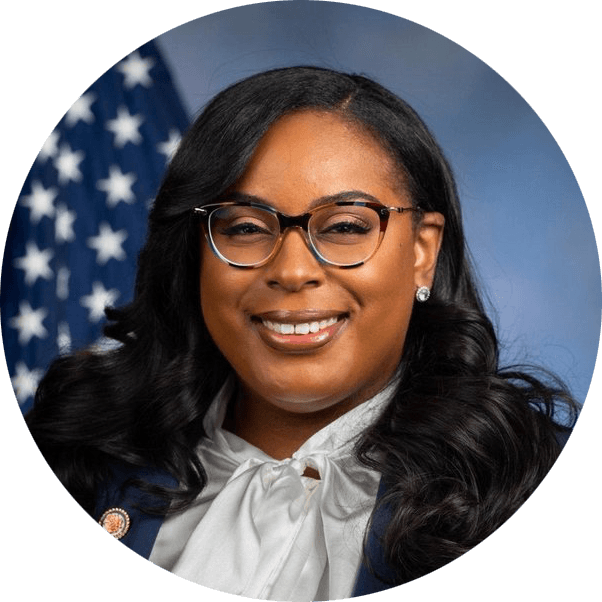
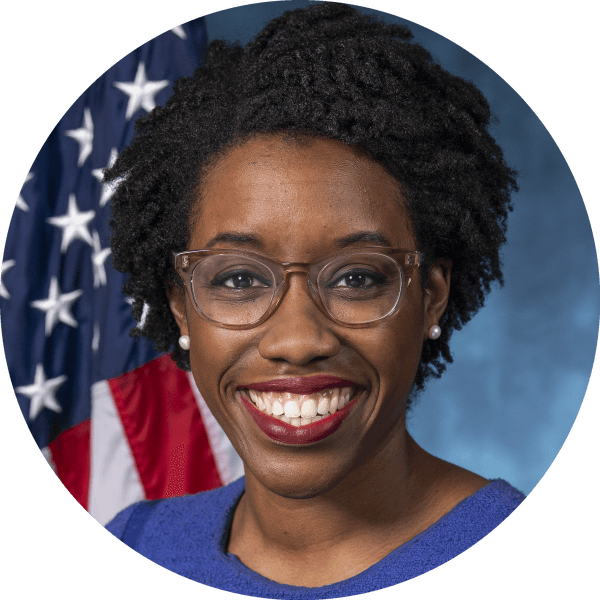
Referred to the Subcommittee on Transportation and Maritime Security.
Mar 11, 2025
DISCLOSE Act of 2026
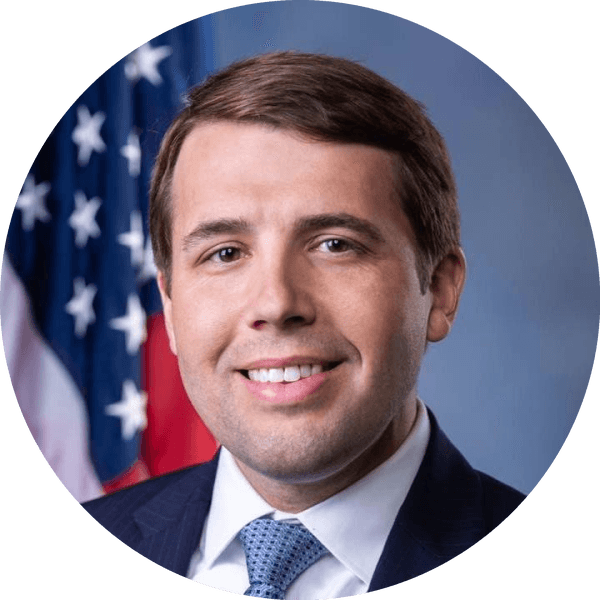
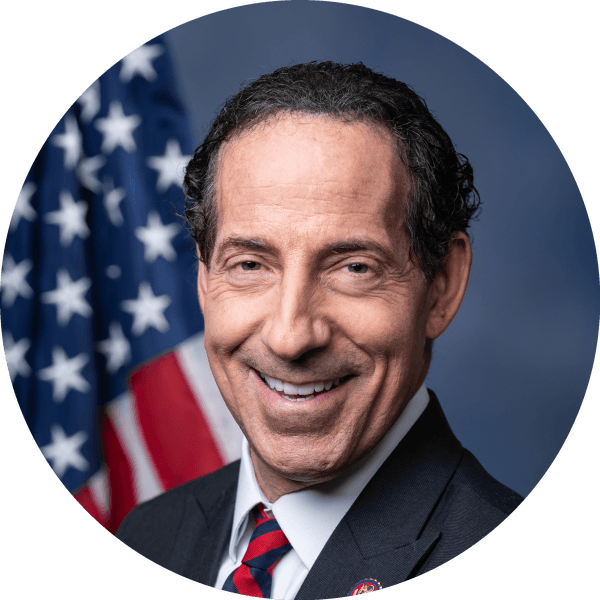
Referred to the Committee on House Administration, and in addition to the Committees on Ways and Means, and the Judiciary, for a period to be subsequently determined by the Speaker, in each case for consideration of such provisions as fall within the jurisdiction of the committee concerned.
Mar 4, 2026
Federal Retirement Fairness Act
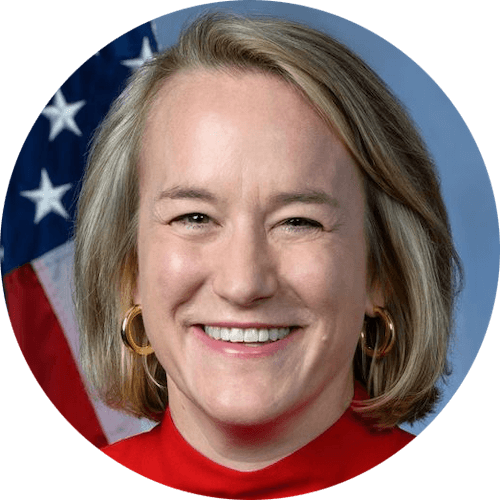

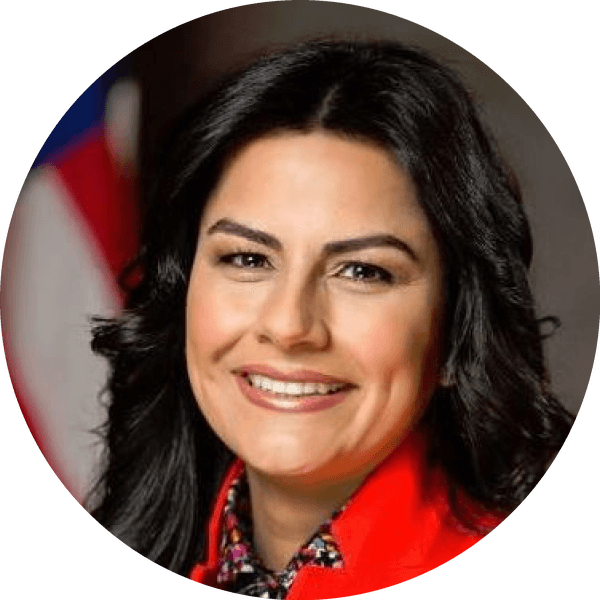
ASSUMING FIRST SPONSORSHIP - Ms. Randall asked unanimous consent that she may hereafter be considered as the first sponsor of H.R. 1522, a bill originally introduced by Representative Connolly, for the purpose of adding cosponsors and requesting reprintings pursuant to clause 7 of rule XII. Agreed to without objection.
Jul 22, 2025
FIND Act
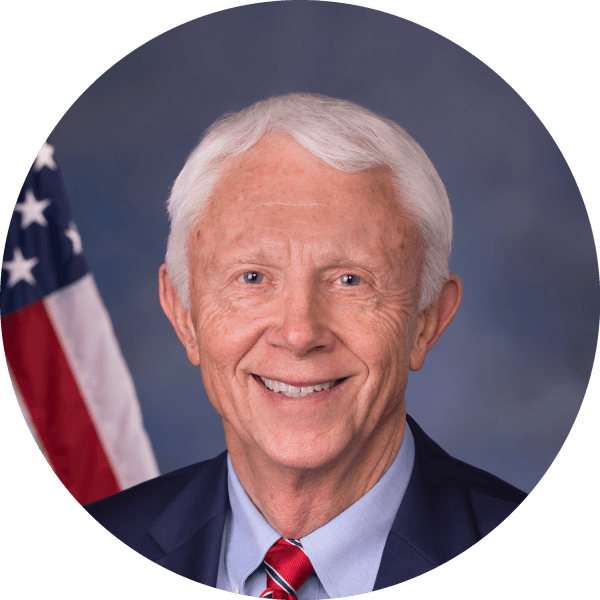
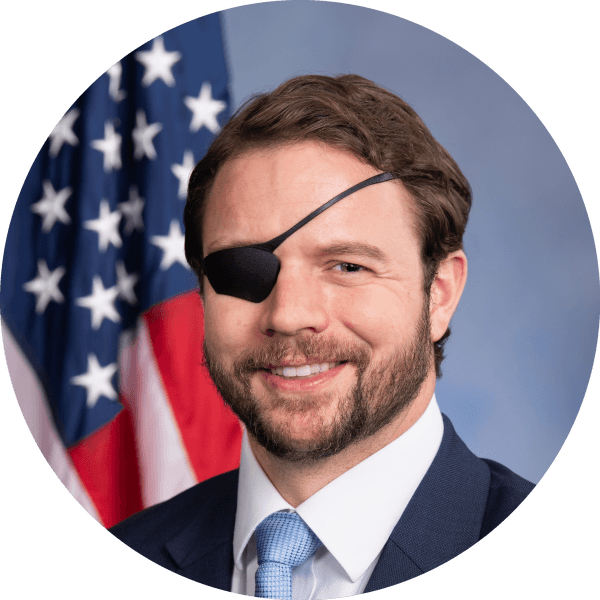
Referred to the House Committee on Oversight and Government Reform.
Jan 3, 2025
Fair Pay for Federal Contractors Act of 2025
Referred to the Committee on Appropriations, and in addition to the Committee on Oversight and Government Reform, for a period to be subsequently determined by the Speaker, in each case for consideration of such provisions as fall within the jurisdiction of the committee concerned.
Sep 30, 2025
Saving the Civil Service Act
ASSUMING FIRST SPONSORSHIP - Mr. Walkinshaw asked unanimous consent that he may hereafter be considered as the first sponsor of H.R. 492, a bill originally introduced by Representative Connolly, for the purpose of adding cosponsors and requesting reprintings pursuant to clause 7 of rule XII. Agreed to without objection.
Sep 16, 2025
Trending Right Now
Bills gaining momentum across Congress
North Platte Canteen Congressional Gold Medal Act
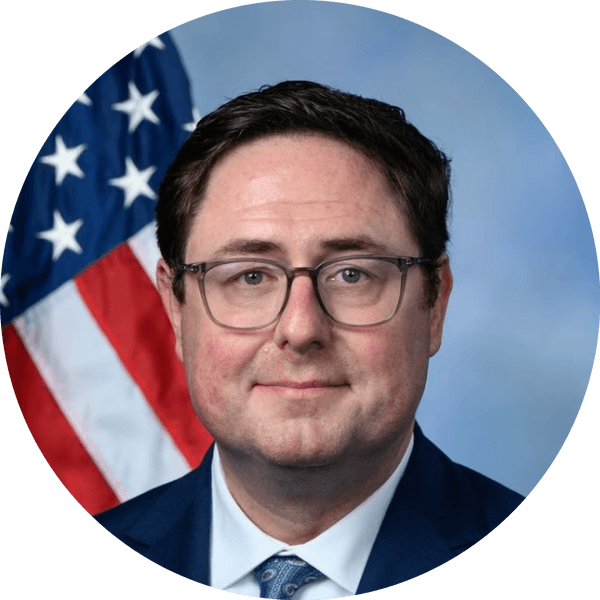
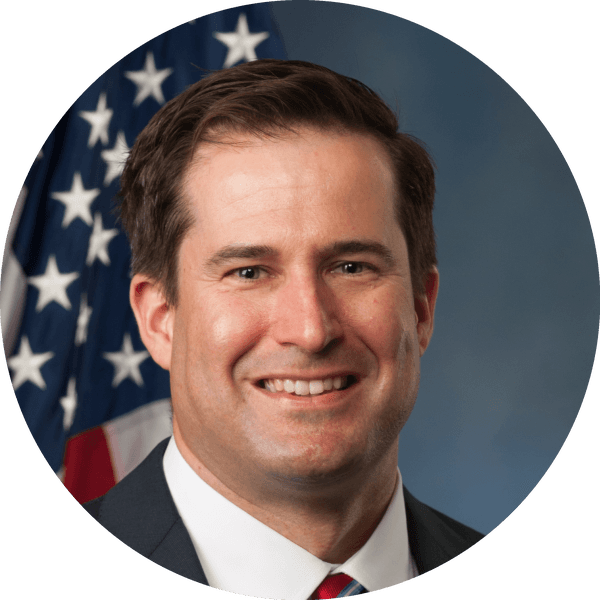
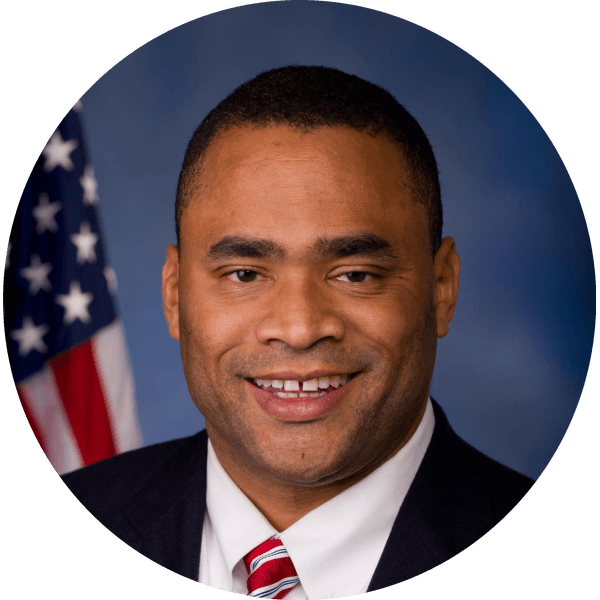
Referred to the House Committee on Financial Services.
Feb 21, 2025
Fit to Serve Act
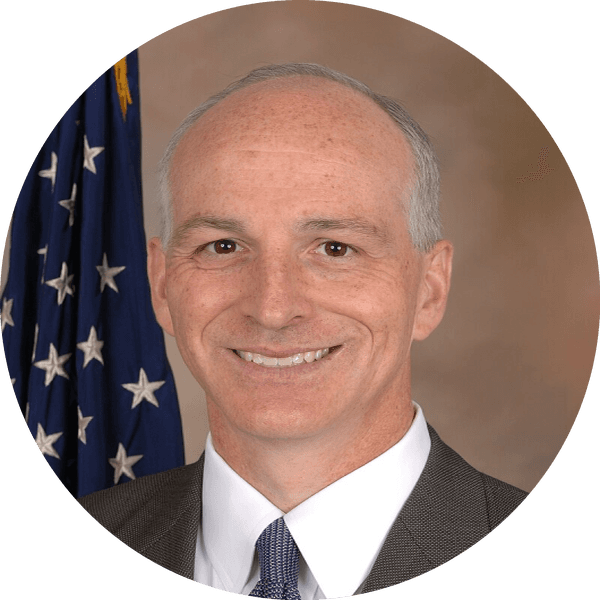
Referred to the House Committee on Armed Services.
May 21, 2025
ASAP Act
Ordered to be Reported in the Nature of a Substitute by the Yeas and Nays: 40 - 0.
Sep 16, 2026
Tracking Government Operations and Politics in Congress? Monitor bills, track cosponsor momentum, and launch advocacy campaigns — all from one advocacy platform.