S. 1838: DeOndra Dixon INCLUDE Project Act of 2026
Sponsor

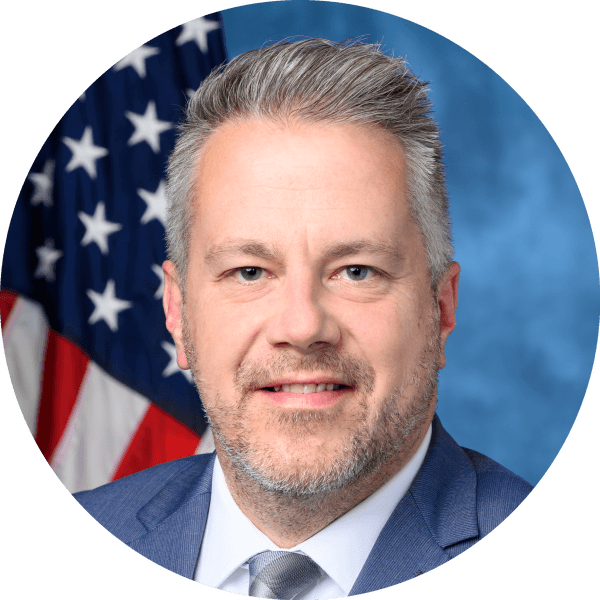
John Hickenlooper
Democrat · CO
Down syndrome research should be law, not an NIH option
Why it matters
Ten senators from both parties, and a Senate voice vote on August 6, 2026, back writing NIH's Down syndrome research program into federal law. Today the INCLUDE Project exists because NIH chose to run it. Under S. 1838 it would exist because Congress requires it — with seven research mandates and a public report every two years.
NIH already runs a Down syndrome research effort called the INCLUDE Project. What it lacks is a statute behind it. S. 1838, the DeOndra Dixon INCLUDE Project Act of 2026, puts one there.
Once the program is written into law, NIH would be required to run it, rather than free to scale it back when priorities shift. The law would also spell out what the program has to cover, which turns a set of agency goals into a checklist Congress can hold NIH to.
That checklist has seven items. It starts with basic science on how an extra copy of chromosome 21 shapes development and health, and runs through lifelong cohort studies, research on growth and brain function, and better diagnosis and treatment of the conditions that tend to come with Down syndrome.
Two items stand out for families. One directs NIH to expand the number of clinical trials that include people with Down syndrome or are built specifically for them — including therapies meant to make everyday activities easier, not only new drugs. The other targets why conditions such as Alzheimer's disease, related dementias, and autoimmune disorders show up more often in people with Down syndrome, and how to treat them alongside each other.
The bill also addresses how the work is organized. NIH's institutes and centers would have to coordinate their Down syndrome research and favor projects that don't repeat what NIH is already doing. The Director would consult patient advocates and other stakeholders where feasible.
Every two years, NIH would send Congress a catalog of the research it ran: which institutes did it, whether it crossed institute lines, and whether it produced real-world evidence doctors can use in care. The bill attaches no dollar figure, so how far the program reaches would still be decided in the yearly appropriations fight.
Bill Progress
Latest Action · Aug 10, 2026
Passed the Senate, received in House
S. 1838 Bill Summary
What S. 1838 actually does.
INCLUDE stops being optional
The NIH Director must carry out a program of Down syndrome research, training, and investigation known as the INCLUDE Project — short for INvestigation of Co-occurring conditions across the Lifespan to Understand Down syndromE.
Research follows people into adulthood
NIH must promote research on participants with Down syndrome across the lifespan, including long-term cohort studies that track Down syndrome and co-occurring conditions over time and inform new interventions.
More trials open to people with Down syndrome
NIH must expand the number of clinical trials that include participants with Down syndrome or are designed expressly for them, covering drugs, other biomedical treatments, and therapies that support activities of daily living.
Alzheimer's and autoimmunity get named focus
The program must study why conditions such as Alzheimer's disease, related dementias, and autoimmunity are more prevalent in people with Down syndrome, and how to treat them concurrently. It also covers biomarkers for risk, diagnosis, and treatment.
High-risk basic science on trisomy 21
The program includes high-risk, high-reward research on how trisomy 21 affects development and health, plus research on the biology behind structural, functional, and behavioral differences and stunted growth.
Quality of life for whole families
Research, training, and investigation on improving quality of life must cover both individuals with Down syndrome and their families.
NIH institutes must coordinate, not duplicate
Down syndrome work across NIH's institutes and centers must be coordinated through the Office of the Director, and institutes should prioritize research that does not duplicate existing NIH activity. Patient advocates are to be consulted where feasible.
A public research catalog every two years
NIH must report biennially to the House Energy and Commerce and Senate HELP committees, and to both chambers' Labor-HHS appropriations subcommittees, listing the institutes involved, whether work was cross-institute, and any real-world evidence usable in clinical care.
Who benefits from S. 1838?
Adults with Down syndrome
Lifespan research and a named focus on Alzheimer's, dementia, and autoimmune conditions put the health problems of middle and later life on NIH's required list, not just early development.
Parents and siblings planning long-term care
If you are mapping out care for a family member for decades ahead, the quality-of-life mandate explicitly covers families too, and daily-living therapies are part of the trial expansion.
People who want into clinical trials
Families looking for trials open to someone with Down syndrome would have a statutory directive pushing NIH to expand trials that include them or are built for them.
Advocacy organizations
Patient advocates get a named consultation role, and the biennial report gives them a public record to check NIH's progress against.
Alzheimer's researchers more broadly
Studying why dementia is more prevalent in people with Down syndrome, including biomarker work, could produce findings that inform dementia research outside this population.
Who is affected by S. 1838?
The NIH Director's office
Takes on a legal duty to run the program, coordinate across institutes, consult stakeholders, and deliver a report to Congress every two years.
NIH institutes and centers
Must align Down syndrome work with a coordinated strategy and prioritize non-duplicative projects, which may mean dropping or reshaping overlapping studies.
Appropriations subcommittees
The House and Senate Labor-HHS subcommittees receive each report and decide what, if anything, to spend on the program, since the bill sets no funding level.
Other NIH research priorities
Without new money, a permanent mandate competes with other programs for the same NIH budget.
What Congress Is Saying
25 legislators have weighed in on S. 1838 — 13 Democrats, 12 Republicans.
S. 1838 also appeared in 1 more Senate floor reference and 4 routine cosponsor filings.
S1838 Legislative Journey
House: Action Taken
Aug 10, 2026
Held at the desk.
Passed 4495-4496
Aug 6, 2026
Passed Senate with an amendment by Voice Vote. (text of amendment in the nature of a substitute: CR S4495-4496)
+4 more actions this day
Committee Action
May 21, 2025
Read twice and referred to the Committee on Health, Education, Labor, and Pensions.
About the Sponsor
John Hickenlooper
Democrat, CO · 5 years in Congress
Committees: Energy and Natural Resources, Health, Education, Labor, and Pensions, Small Business and Entrepreneurship
View full profile →
Cosponsors (9)
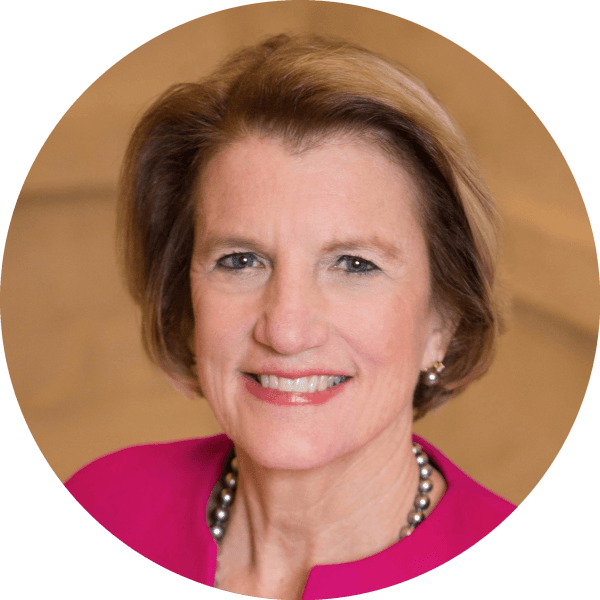
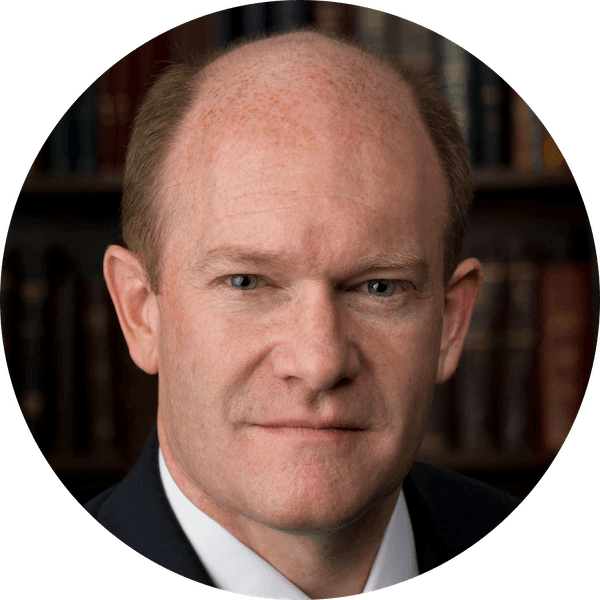
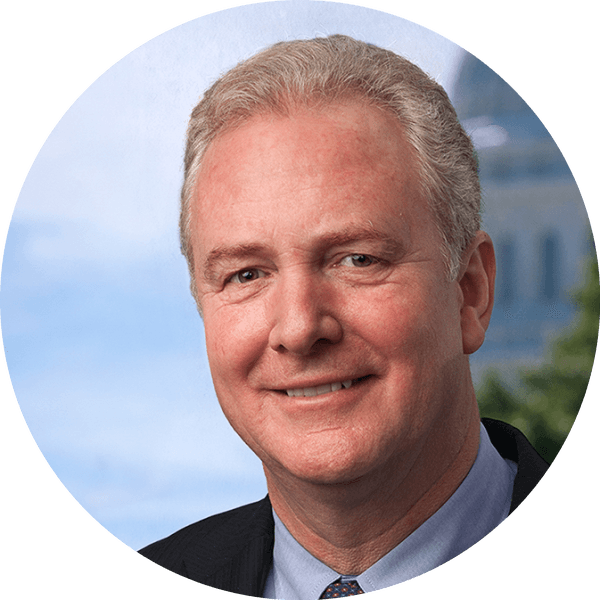
This bill has 9 cosponsors: 6 Democrats, 3 Republicans, reflecting bipartisan support. Cosponsors represent 9 states: California, Colorado, Delaware, and 6 more.

Committee Sponsors
Health, Education, Labor, and Pensions Committee
0 of 23 committee members cosponsored
No committee members have cosponsored this bill
10 Democrats across this committee haven't cosponsored yet. Mobilize their constituents
S. 1838 Quick Facts

- Committee
- Health, Education, Labor, and Pensions
- Chamber
- Senate
- Policy
- Health
- Introduced
- May 21, 2025
Passed the Senate, received in House
Aug 10, 2026
Official Sources
Full text, sponsors, and the Senate and House actions for S. 1838.
NICHD is one of the lead NIH institutes on Down syndrome research, including development and health across childhood.
Current and past clinical studies involving Down syndrome, the pool of trials the bill directs NIH to expand.
S. 1838 adds its INCLUDE section to Part B of title IV of the Public Health Service Act, which begins at this section of the U.S. Code.
S. 1838 Common Questions
What is the INCLUDE Project?
It's NIH's Down syndrome research program — the name stands for INvestigation of Co-occurring conditions across the Lifespan to Understand Down syndromE. NIH runs it today by choice. S. 1838 would make it a program NIH is required by law to carry out.
Has S. 1838 passed?
It passed the Senate by voice vote on August 6, 2026. It was received in the House on August 10 and is being held at the desk, which lets the House vote on it without first sending it to committee. It still needs House passage and a signature to become law.
Would more clinical trials include people with Down syndrome?
That's the goal. The bill directs NIH to expand the number of trials that include people with Down syndrome or are designed specifically for them — including drugs, other medical treatments, and therapies that help with daily activities.
Why does the bill focus on Alzheimer's disease?
The bill directs NIH to study why Alzheimer's disease, related dementias, and autoimmune conditions are more prevalent in people with Down syndrome, and how to treat them alongside each other. That includes work on biomarkers for risk and diagnosis.
Does it cover adults, or only children?
Adults too. The bill requires research across the full lifespan, including long-term cohort studies, and a separate mandate covers quality of life for people with Down syndrome and their families.
Does S. 1838 add money for Down syndrome research?
No. The bill sets no funding amount. It makes the program mandatory, but how much NIH spends on it would still be decided through annual appropriations.
How will anyone know if NIH is following through?
Every two years NIH must send Congress a catalog of the research it ran, which institutes did it, whether it was a joint effort, and any real-world evidence doctors could use in care. Patient advocates also get a consultation role.
Who sponsored S. 1838?
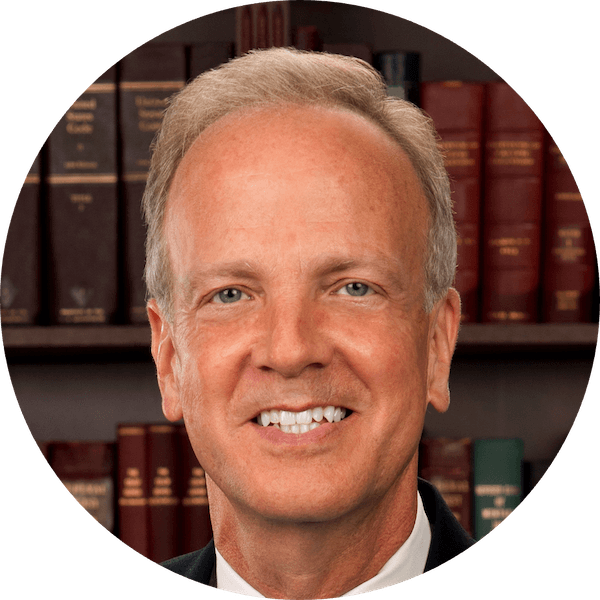
Sen. John Hickenlooper (D-CO) introduced it in May 2025 as the DeOndra Dixon INCLUDE Project Act. It has nine cosponsors from both parties, including Republican Sens. Jerry Moran, Markwayne Mullin, and Shelley Capito.
Based on S. 1838 bill text
S. 1838 Bill Text
“To amend the Public Health Service Act to authorize the Secretary of Health and Human Services to carry out a program of research, training, and investigation related to Down syndrome, and for other purposes.”
Source: U.S. Government Publishing Office
Get notified when S. 1838 moves
Committee votes, floor action, cosponsor changes — straight to your inbox.
Bill alerts + Legisletter's monthly briefing. Unsubscribe anytime.
Health Bills
9 related bills we're tracking
Nancy Gardner Sewell Medicare Multi-Cancer Early Detection Screening Coverage Act
Reported (Amended) by the Committee on Ways and Means. H. Rept. 119-333, Part I.
Oct 3, 2025
Mikaela Naylon Give Kids a Chance Act


Received in the Senate.
Dec 2, 2025
Improving Seniors’ Timely Access to Care Act of 2025
Ordered to be Reported in the Nature of a Substitute by the Yeas and Nays: 42 - 0.
Jul 15, 2026
CONNECT for Health Act of 2025



Referred to the Committee on Energy and Commerce, and in addition to the Committee on Ways and Means, for a period to be subsequently determined by the Speaker, in each case for consideration of such provisions as fall within the jurisdiction of the committee concerned.
Jun 26, 2025
ASAP Act
Ordered to be Reported in the Nature of a Substitute by the Yeas and Nays: 40 - 0.
Sep 16, 2026
Momnibus Act


Referred to the Subcommittee on Health.
Apr 20, 2026
Ensuring Lasting Smiles Act


Referred to the Committee on Energy and Commerce, and in addition to the Committees on Education and Workforce, and Ways and Means, for a period to be subsequently determined by the Speaker, in each case for consideration of such provisions as fall within the jurisdiction of the committee concerned.
May 8, 2025
Right to Contraception Act
Referred to the House Committee on Energy and Commerce.
Feb 5, 2025
Women’s Health Protection Act of 2025

Referred to the Committee on Energy and Commerce, and in addition to the Committee on the Judiciary, for a period to be subsequently determined by the Speaker, in each case for consideration of such provisions as fall within the jurisdiction of the committee concerned.
Jun 24, 2025
Trending Right Now
Bills gaining momentum across Congress
North Platte Canteen Congressional Gold Medal Act

Referred to the House Committee on Financial Services.
Feb 21, 2025
America’s Olympic and Paralympic Games Commemorative Coins Act


Referred to the House Committee on Financial Services.
Jul 14, 2025
Fit to Serve Act
Referred to the House Committee on Armed Services.
May 21, 2025
Tracking Health in Congress? Monitor bills, track cosponsor momentum, and launch advocacy campaigns — all from one advocacy platform.