H.R. 9326: USA Act
Sponsor
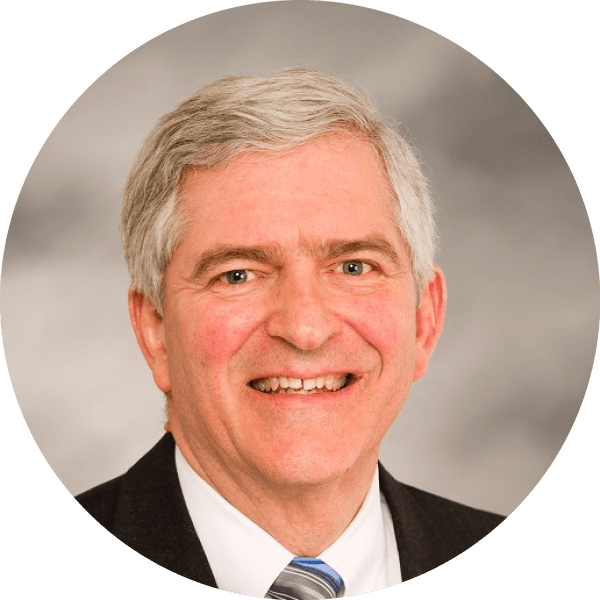
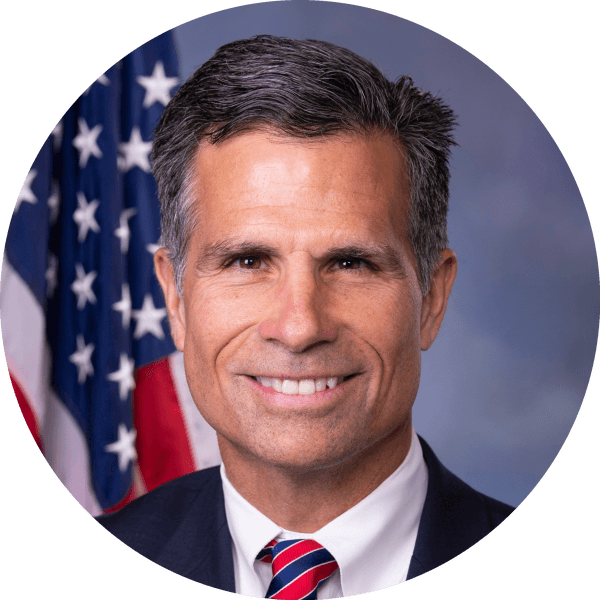
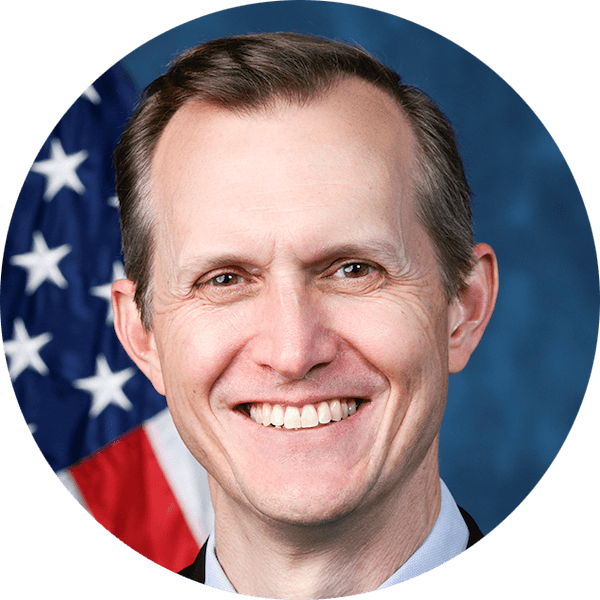
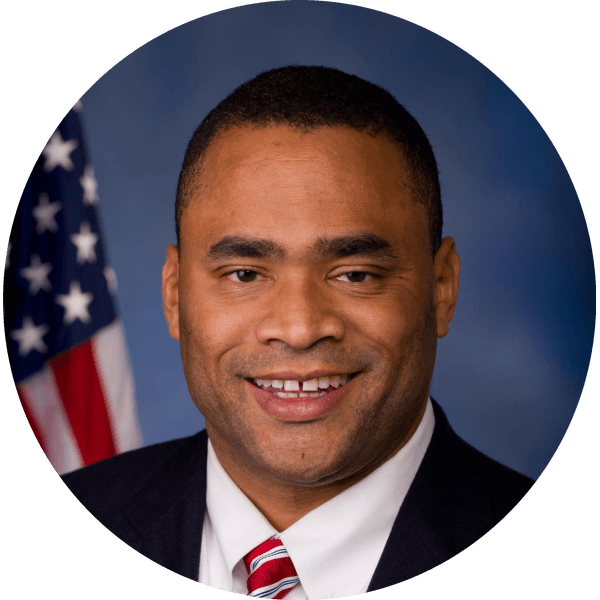
Daniel Webster
Republican · FL-11
NIST gets new standards mission
Why it matters
As global rules for artificial intelligence and other emerging technologies are being set now, this bill pushes the United States to show up faster and more often in the rooms where those standards are written.
There are several built-in checkpoints. NIST must brief Congress during the 3rd year of the pilot and every year after that, including an effectiveness assessment, a list of recipients, attendee geography, and expense summaries. If the Director thinks the pilot should become permanent, recommendations must go to Congress no later than 2 years after enactment. But the pilot does not run forever: it terminates 5 years after enactment. In short, the bill tries to strengthen U.S. influence over technical standards without dictating the standards themselves, using coordination, transparency, and partial grants instead of mandates or penalties.
Bill Progress
Latest Action · Jul 21, 2026
Committee approved bill for floor consideration in the Nature of a Substitute (Amended) by Voice Vote.
H.R. 9326 Bill Summary
What H.R. 9326 actually does.
Congress briefing due within 1 year
Not later than 1 year after enactment, the Director of the National Institute of Standards and Technology must brief Congress on international standards activities, including key standards, the organizations hosting them, which Federal agencies are participating, the benefits of hosting meetings in the United States, and recommendations to increase U.S. industry and agency participation.
Pilot grant program starts in 180 days
Not later than 180 days after enactment, and subject to appropriated funds, the NIST Director must establish a pilot program to award grants for hosting standards meetings in the United States for artificial intelligence and other critical and emerging technologies.
Grants capped at 50% of costs
Each pilot-program grant may cover not more than 50% of the anticipated cost of hosting a meeting, and it also cannot exceed a separate maximum amount that will be established by the Director. Grant funds can be used for preparation and planning, venue-related expenses, and other costs that support the meeting.
Annual oversight begins in year 3
Congressional briefings are required during the 3rd year of the pilot program and every subsequent year. Those briefings must include an effectiveness assessment, a list of recipients, the geographic distribution of attendees, and a summary of expenses.
Pilot ends after 5 years
The standards-meeting pilot program terminates 5 years after enactment. If the Director believes permanent implementation is feasible and advisable, recommendations must be sent to Congress no later than 2 years after enactment.
NIST must promote 5 standards principles
The bill amends Section 10245 of Public Law 117-167, 42 U.S.C. 18951, to require the NIST Director to advance five specific principles in international standards development: openness, transparency, due process, appeals, and consensus, while promoting voluntary consensus standards under 15 U.S.C. 271 et seq.
Who benefits from H.R. 9326?
U.S. companies involved in AI and emerging technologies
They could get clearer access to standards opportunities through a new accessible web portal and benefit from stronger U.S. participation in international meetings. If they are part of eligible entities, they may also receive hosting support through grants that can cover up to 50% of anticipated meeting costs.
Standards organizations and meeting hosts
Organizations developing standards or specifications for artificial intelligence and other critical and emerging technologies, as well as entities that host those organizations, become eligible for the pilot grants if their work affects the interests of at least 1 Federal agency.
Federal agencies with technology missions
Agencies gain a more formal coordination structure because the NIST Director must work with relevant Federal agencies, and agency heads must notify NIST about participation in standards activities. The bill also requires a reporting mechanism developed with the Office of Management and Budget.
Congress
Lawmakers get regular information on U.S. standards engagement: an initial briefing not later than 1 year after enactment, then pilot-program briefings during the 3rd year and each year after that, with recipient lists, attendee geography, and expense summaries.
Who is affected by H.R. 9326?
National Institute of Standards and Technology
NIST takes on the largest new workload. The Director must promote five named standards principles, coordinate with relevant agencies, collect notices of agency participation, build a reporting mechanism with OMB, establish an accessible web portal, launch the pilot within 180 days, brief Congress within 1 year, and oversee a pilot that ends 5 years after enactment.
Office of Management and Budget
OMB is specifically pulled in because the NIST Director must coordinate with the Director of the Office of Management and Budget to develop the mechanism for reporting Federal agency participation in standards activities.
Federal agency heads
They would face a new notice requirement: heads of Federal agencies must transmit notice of their participation in standards activities to the NIST Director, making their involvement more visible and trackable.
International standards bodies meeting outside the U.S.
They could see more pressure or incentives to hold events in the United States, because the bill requires analysis of the benefits of hosting standards meetings domestically and creates a U.S.-based grant program to support hosting for AI and other critical and emerging technologies.
HR9326 Legislative Journey
House: Vote Held
Jul 21, 2026
Ordered to be Reported in the Nature of a Substitute (Amended) by Voice Vote.
House: Committee Action
Jun 15, 2026
Referred to the House Committee on Science, Space, and Technology.
About the Sponsor
Daniel Webster
Republican, Florida's 11th congressional district · 15 years in Congress
Committees: Transportation and Infrastructure, Science, Space, and Technology, Natural Resources
View full profile →
Cosponsors (1)
This bill has 1 cosponsor: 1 Republican. Cosponsors represent 1 state: California.
Committee Sponsors
Science, Space, and Technology Committee
1 of 40 committee members cosponsored

21 Republicans across this committee haven't cosponsored yet. Mobilize their constituents
H.R. 9326 Quick Facts
- Committee
- Science, Space, and Technology
- Chamber
- House
- Policy
- Science, Technology, Communications
- Introduced
- Jun 15, 2026
Committee approved bill for floor consideration in the Nature of a Substitute (Amended) by Voice Vote.
Jul 21, 2026
H.R. 9326 Common Questions
How much of an AI standards meeting can NIST pay for under the USA Act?
Under the USA Act, a NIST pilot grant can cover no more than 50% of the anticipated cost of hosting a qualifying standards meeting, and it is also subject to a separate cap set by the Director (SEC. 4).
When does the NIST standards meeting pilot program end?
According to H.R. 9326, the pilot program for hosting standards meetings in the United States terminates 5 years after enactment (SEC. 4).
When would NIST have to start the standards meeting grant program?
Under the USA Act, the NIST Director must establish the pilot grant program not later than 180 days after enactment, subject to available appropriations (SEC. 4).
When does NIST have to brief Congress on international standards activities?
Under the USA Act, NIST must brief Congress not later than 1 year after enactment on international standards activities for AI and other emerging technologies (SEC. 3).
Can organizations that host AI standards bodies get NIST grants to hold meetings in the United States?
Yes. Under the USA Act, eligible entities include standards-developing organizations for AI or emerging technologies and entities that host those organizations (SEC. 4).
What are the 5 standards principles NIST must promote under the USA Act?
The USA Act requires NIST to advance openness, transparency, due process, appeals, and consensus in international standards development (SEC. 2).
Does the USA Act require a public web portal for international standards efforts?
Yes. Under the USA Act, the NIST Director must establish an accessible web portal to inform industry and agencies about international standards efforts (SEC. 3).
Do federal agencies have to report their AI standards participation to NIST?
Yes. According to H.R. 9326, federal agency heads must notify the NIST Director of their participation in standards activities related to AI and emerging technologies through a reporting mechanism developed with OMB (SEC. 3).
Which technologies count as critical and emerging technologies under the USA Act?
According to H.R. 9326, the term covers a subset of technologies identified and maintained by the National Science and Technology Council, as the NIST Director determines appropriate (SEC. 5).
What must NIST include in yearly oversight reports on the standards meeting pilot?
Under the USA Act, briefings in the 3rd year of the pilot and each year after must include an effectiveness assessment, recipients list, attendee geographic distribution, and expense summary (SEC. 4).
Based on H.R. 9326 bill text
Full Bill Text
Get notified when H.R. 9326 moves
Committee votes, floor action, cosponsor changes — straight to your inbox.
Bill alerts + Legisletter's monthly briefing. Unsubscribe anytime.
Science, Technology, Communications Bills
9 related bills we're tracking
AM Radio for Every Vehicle Act of 2025
Received in the Senate. Read twice. Placed on Senate Legislative Calendar under General Orders. Calendar No. 622.
Sep 16, 2026
Scientific Integrity Act

Referred to the House Committee on Science, Space, and Technology.
Feb 6, 2025
Kids Online Safety Act
Committee on Commerce, Science, and Transportation. Ordered to be reported with an amendment in the nature of a substitute favorably.
Aug 5, 2026
Sunshine Protection Act of 2025

Received in the Senate and Read twice and referred to the Committee on Commerce, Science, and Transportation.
Jul 15, 2026
GUARDRAILS Act

Referred to the Committee on Energy and Commerce, and in addition to the Committee on the Judiciary, for a period to be subsequently determined by the Speaker, in each case for consideration of such provisions as fall within the jurisdiction of the committee concerned.
Mar 20, 2026
Artificial Intelligence Civil Rights Act of 2025

Referred to the Committee on Energy and Commerce, and in addition to the Committee on Oversight and Government Reform, for a period to be subsequently determined by the Speaker, in each case for consideration of such provisions as fall within the jurisdiction of the committee concerned.
Dec 2, 2025
TAKE IT DOWN Act
Became Public Law No: 119-12.
May 19, 2025
States' Right to Regulate AI Act
Read twice and referred to the Committee on Commerce, Science, and Transportation.
Dec 17, 2025
ACERO Act

Received in the Senate and Read twice and referred to the Committee on Commerce, Science, and Transportation.
Feb 24, 2026
Trending Right Now
Bills gaining momentum across Congress
North Platte Canteen Congressional Gold Medal Act

Referred to the House Committee on Financial Services.
Feb 21, 2025
ASAP Act



Ordered to be Reported in the Nature of a Substitute by the Yeas and Nays: 40 - 0.
Sep 16, 2026
Fit to Serve Act




Referred to the House Committee on Armed Services.
May 21, 2025
Tracking Science, Technology, Communications in Congress? Monitor bills, track cosponsor momentum, and launch advocacy campaigns — all from one advocacy platform.