H.R. 5054: Freedom From Union Violence Act of 2025
Sponsor

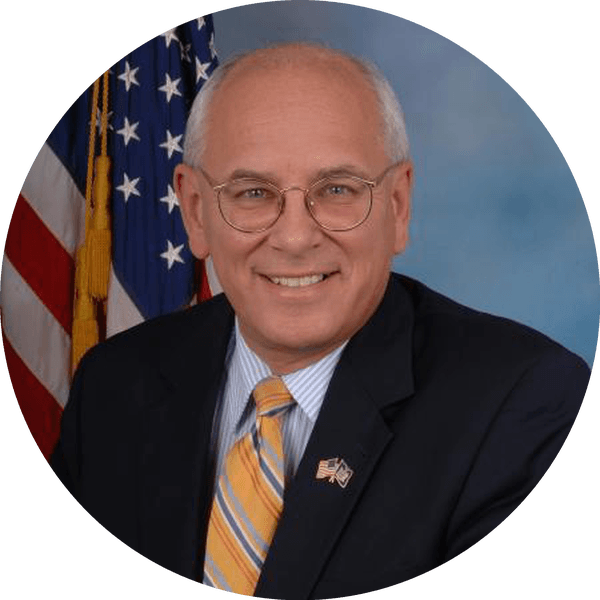
Scott Perry
Republican · PA-10
Congress wants strike violence prosecuted as a federal felony
Why it matters
Up to 20 years in prison and a $100,000 fine — that is the federal penalty H.R. 5054 would attach to robbery, extortion, or violence that disrupts commerce during a labor dispute. The bill keeps a narrow carve-out for minor, isolated picket-line conduct, but anything above that line could be charged in federal court instead of being left to local police.
H.R. 5054, the Freedom From Union Violence Act of 2025, rewrites the Hobbs Act — the federal law against using robbery, extortion, or violence to obstruct commerce. The penalty is steep: a fine of up to $100,000, up to 20 years in prison, or both.
The bill's real target is the line between a labor dispute and a federal crime. It says federal prosecutors are not blocked from bringing a case just because the conduct happened during a strike, or because it also breaks state or local law. Sponsors frame this as closing a gap that has kept labor-related violence out of federal court.
There is a narrow exception. Federal charges would not apply to conduct that is incidental to otherwise peaceful picketing, involves only minor injury or minor property damage, and is not part of a pattern of violent conduct. Meet all three of those conditions, and the case is left to state and local authorities.
The bill defines commerce broadly — covering activity inside D.C. and U.S. territories, between states, and across state lines — so a dispute does not have to be national to draw federal attention. It also states that it does not repeal or change core labor laws, including the National Labor Relations Act, the Norris-LaGuardia Act, and the Railway Labor Act.
Bill Progress
Latest Action · Aug 26, 2025
Referred to the House Committee on the Judiciary.
H.R. 5054 Bill Summary
What H.R. 5054 actually does.
Up to 20 years and a $100,000 fine
The bill makes it a federal crime to obstruct, delay, or affect commerce by robbery or extortion, to attempt or conspire to do so, or to commit or threaten physical violence to a person or property as part of a plan to violate the law. The maximum penalty is a $100,000 fine, up to 20 years in prison, or both.
A labor dispute does not keep cases out of federal court
The bill says federal jurisdiction is not blocked just because the conduct also violates state or local law, happened during a labor dispute, or was done in pursuit of a legitimate business or labor objective. Sponsors describe this as the core change — keeping the federal courthouse door open for strike-related violence.
Narrow exemption for minor picket-line conduct
Federal charges do not apply if three conditions are all met: the conduct is incidental to otherwise peaceful picketing during a labor dispute, it involves only minor bodily injury or minor property damage (or a threat of such minor harm), and it is not part of a pattern of violent conduct or coordinated violent activity. If all three are met, only state and local authorities can prosecute.
Broad definition of covered commerce
The bill defines commerce to include activity within D.C. and U.S. territories or possessions, between a state and any point outside it, between two points in the same state by a route that leaves the state, and any other commerce under U.S. jurisdiction. That gives federal prosecutors several ways to establish jurisdiction.
Extortion covers force, fear, and abuse of official power
The bill defines extortion as obtaining property with a person's consent when that consent is induced by actual or threatened force or violence, by wrongful use of fear that does not involve force, or under color of official right. The definition reaches beyond direct physical attacks.
Robbery includes threats against family
The bill defines robbery to include taking property by force, violence, or fear of injury — and that fear can be directed not only at the victim or the victim's property, but also at a relative, a family member, or anyone in the victim's company at the time.
Core labor laws left in place
The bill states that it does not repeal, amend, or otherwise affect the National Labor Relations Act, the Norris-LaGuardia Act, the Railway Labor Act, or the listed Clayton Act labor protections.
Who benefits from H.R. 5054?
Employers facing violent labor disruptions
Businesses whose operations or shipments are obstructed could turn to federal enforcement when commerce is affected by robbery, extortion, or physical violence. The 20-year exposure is a heavier deterrent than many local penalties.
Workers and replacement workers at worksites
Employees, strike replacements, and contractors who face threats at picket lines are covered, because the bill reaches threatened physical violence against any person, not only completed assaults.
Property owners and shippers
The bill protects property as well as people, applying when violence is aimed at property as part of a plan to obstruct commerce moving between states or through D.C. and U.S. territories.
Federal prosecutors
The Department of Justice would gain clearer statutory footing to bring labor-related violence cases, with a defined federal penalty of up to 20 years and $100,000 and language stating that overlapping state law does not block federal jurisdiction.
Who is affected by H.R. 5054?
Labor unions and strike organizers
Union officials and organizers could face federal scrutiny if protests cross into robbery, extortion, conspiracy, attempt, or threatened violence affecting commerce. The exemption is limited to conduct tied to otherwise peaceful picketing, involving only minor harm, and not part of a pattern.
Pickets and demonstrators during labor disputes
People on picket lines are directly affected because being in a labor dispute does not automatically shield them from federal prosecution. Conduct that goes beyond minor harm, or becomes part of a pattern, can be charged federally.
State and local prosecutors
State and local authorities keep exclusive prosecution authority only for conduct that meets all three exemption conditions. More serious cases could move to federal court even when they also violate state law.
People accused of labor-related coercion
Defendants accused of obtaining property through force, violence, wrongful fear, or abuse of official power would face the bill's broad extortion definition, and could be charged for conspiracy or attempt — not only completed acts — with exposure up to 20 years and $100,000.
HR5054 Legislative Journey
House: Committee Action
Aug 26, 2025
Referred to the House Committee on the Judiciary.
About the Sponsor
Scott Perry
Republican, Pennsylvania's 10th congressional district · 13 years in Congress
Committees: Transportation and Infrastructure, Foreign Affairs, House Permanent Select Committee on Intelligence
View full profile →
Cosponsors (7)
All 7 cosponsors are Republicans. Cosponsors represent 7 states: Arizona, Illinois, Louisiana, and 4 more.


Committee Sponsors

23 Republicans across this committee haven't cosponsored yet. Mobilize their constituents
H.R. 5054 Quick Facts





- Committee
- Judiciary
- Chamber
- House
- Policy
- Crime and Law Enforcement
- Introduced
- Aug 26, 2025
Referred to the House Committee on the Judiciary.
Aug 26, 2025
Official Sources
Official bill page with text, status, sponsors, and actions for the Freedom From Union Violence Act of 2025.
This is the Hobbs Act provision H.R. 5054 amends, covering robbery, extortion, and violence affecting commerce.
The bill incorporates the NLRA definition of 'labor dispute' by referencing section 2(9) of the National Labor Relations Act.
H.R. 5054 says it does not repeal, amend, or otherwise affect the Norris-LaGuardia Act's labor-related protections.
The bill expressly states it does not affect the Railway Labor Act, one of the labor statutes preserved in the text.
This is Clayton Act section 6, one of the provisions H.R. 5054 says it does not repeal or amend.
This is Clayton Act section 20, another labor-protection provision specifically preserved by H.R. 5054.
H.R. 5054 Common Questions
What is the penalty under H.R. 5054?
Obstructing commerce by robbery, extortion, or related violence during a labor dispute could bring up to 20 years in prison, a fine of up to $100,000, or both. That covers attempts and conspiracies, not just completed acts.
Would peaceful picketing still be protected under H.R. 5054?
Yes, if three conditions are all met: the conduct is incidental to otherwise peaceful picketing, involves only minor injury or minor property damage (or a threat of it), and is not part of a pattern of violence. Those cases are left to state and local authorities.
Can H.R. 5054 bring federal charges even if state law already covers the conduct?
Yes. The bill says federal jurisdiction is not blocked because the conduct also violates state or local law, happened during a labor dispute, or was done in pursuit of a legitimate business or labor objective.
What does H.R. 5054 actually change?
It rewrites the Hobbs Act so a labor dispute no longer keeps robbery, extortion, or violence affecting commerce out of federal court. Sponsors call this closing a gap; everything but minor, isolated picket-line conduct can be charged federally.
What counts as extortion under H.R. 5054?
Getting property from someone with their consent, when that consent is induced by actual or threatened force or violence, by wrongful use of fear that does not involve force, or under color of official right.
Does H.R. 5054 treat threats against a worker's family as robbery?
Yes. The bill defines robbery to include fear of injury directed not only at the victim or their property, but also at a relative, a family member, or anyone in the victim's company at the time.
Does H.R. 5054 change the NLRA, Railway Labor Act, or Norris-LaGuardia Act?
No. The bill states it does not repeal, amend, or otherwise affect the National Labor Relations Act, the Railway Labor Act, the Norris-LaGuardia Act, or the listed Clayton Act labor protections.
Based on H.R. 5054 bill text
H.R. 5054 Bill Text
“To amend section 1951 of title 18, United States Code (commonly known as the Hobbs Act), and for other purposes.”
Source: U.S. Government Publishing Office
Get notified when H.R. 5054 moves
Committee votes, floor action, cosponsor changes — straight to your inbox.
Bill alerts + Legisletter's monthly briefing. Unsubscribe anytime.
Crime and Law Enforcement Bills
9 related bills we're tracking
Crime Victims Fund Stabilization Act of 2025





Received in the Senate and Read twice and referred to the Committee on the Judiciary.
Jan 13, 2026
Bipartisan Background Checks Act of 2025




Referred to the House Committee on the Judiciary.
Jun 10, 2025
Combating Organized Retail Crime Act of 2025





Received in the Senate and Read twice and referred to the Committee on the Judiciary.
May 13, 2026
Ethan's Law




Referred to the House Committee on the Judiciary.
Feb 25, 2025
Assault Weapons Ban of 2025



Referred to the House Committee on the Judiciary.
Apr 30, 2025
Constitutional Concealed Carry Reciprocity Act of 2025





Placed on the Union Calendar, Calendar No. 289.
Oct 3, 2025
Honoring Our Fallen Heroes Act of 2025



Referred to the House Committee on the Judiciary.
Feb 12, 2025
Raise the Age Act of 2025


Referred to the House Committee on the Judiciary.
Mar 26, 2025
Born-Alive Abortion Survivors Protection Act


Received in the Senate and Read twice and referred to the Committee on the Judiciary.
Jan 24, 2025
Trending Right Now
Bills gaining momentum across Congress
America’s Olympic and Paralympic Games Commemorative Coins Act




Referred to the House Committee on Financial Services.
Jul 14, 2025
Fit to Serve Act





Referred to the House Committee on Armed Services.
May 21, 2025
ASAP Act




Ordered to be Reported in the Nature of a Substitute by the Yeas and Nays: 40 - 0.
Sep 16, 2026
Tracking Crime and Law Enforcement in Congress? Monitor bills, track cosponsor momentum, and launch advocacy campaigns — all from one advocacy platform.