H.R. 4541: To reauthorize the Young Women’s Breast Health Education and Awareness Requires Learning Young Act of 2009.
Sponsor
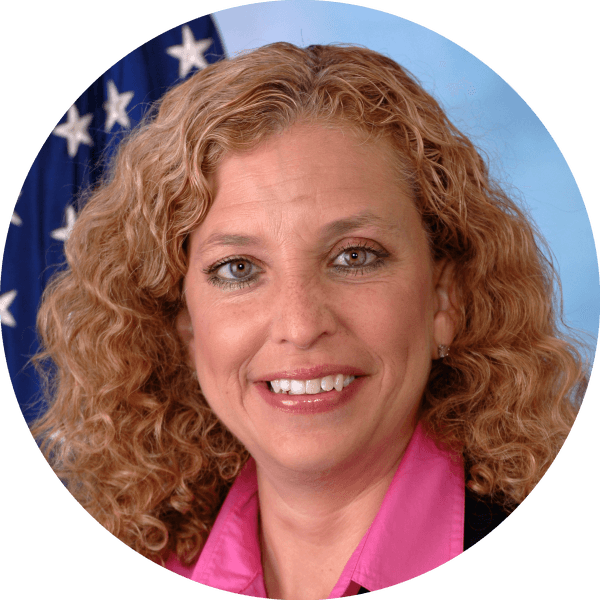
Debbie Wasserman Schultz
Democrat · FL-25
Being eligible for a free screening isn't the same as getting one
Why it matters
$235.5 million a year, roughly $1.18 billion over five years, for the federal program that pays for breast and cervical cancer screening when you can't. H.R. 4541 passed the House 394-6 and would shift the program's job from offering screenings to making sure people actually get them and get follow-up care.
For more than three decades, the National Breast and Cervical Cancer Early Detection Program has paid for screenings for women with low incomes and little or no insurance, working through state, tribal, and territorial health agencies. H.R. 4541 bundles two bills that keep it and a related awareness effort running.
The first piece, the EARLY Act Reauthorization, keeps the federal breast health education campaign for young women going through 2031. That's the effort behind CDC's Bring Your Brave campaign.
The second piece, the SCREENS for Cancer Act, sets funding at $235.5 million a year for fiscal years 2026 through 2030 and rewrites the program's goals. The program would be told to actively increase screenings — through help navigating the health system, proven outreach strategies inside clinics, and help getting to a care setting in the first place. Prevention joins detection and control as part of the mission.
The bill also names a target. The program would work to reduce gaps in breast and cervical cancer rates, illness, and deaths, including in communities where those rates run higher than average. Screening and diagnostic services would have to follow current evidence-based recommendations, and grantees would have to ensure follow-up care happens rather than just monitor it.
Oversight changes shape. Reports to Congress would move from every year to every five years, with the first due two years after enactment. Separately, GAO must report by September 30, 2027, on how many people are eligible, how many are actually served, and what barriers explain the difference.
The $235.5 million is a ceiling, not a check — appropriators still decide each year how much the program actually gets.
Bill Progress
Latest Action · Jul 27, 2026
Passed the House, received in Senate
H.R. 4541 Bill Summary
What H.R. 4541 actually does.
Screening program funded at $235.5 million a year
Authorizes $235,500,000 annually for fiscal years 2026 through 2030 for the National Breast and Cervical Cancer Early Detection Program, about $1.18 billion over five years if fully appropriated.
Help getting to the appointment becomes part of the job
The program would support navigation of health care services, evidence-based or evidence-informed strategies to raise screening rates in clinics, and help reaching health care settings.
Follow-up care must actually happen
Grantees would have to ensure appropriate follow-up services are provided after a screening, replacing language that only required monitoring.
Closing gaps in cancer outcomes is a stated goal
The program would work to reduce differences in breast and cervical cancer incidence, illness, and deaths, including in populations with higher-than-average rates, and to reduce barriers tied to poor health outcomes.
Care follows current medical guidance
Screening and diagnostic services would have to be consistent with relevant evidence-based recommendations, so the program tracks updated screening guidelines.
Young women's breast health campaign runs through 2031
Extends the EARLY Act's breast health education and awareness authorization five years, from 2026 to 2031.
GAO counts who is being missed
By September 30, 2027, GAO must estimate how many people are eligible for the program, summarize trends in how many are served, and assess the barriers driving those trends.
Who benefits from H.R. 4541?
Women with low incomes and little or no insurance
The core population the screening program serves. The bill keeps their no-cost mammograms, Pap tests, and diagnostic follow-up authorized through 2030.
Anyone whose abnormal result stalls before a diagnosis
A screening only helps if an abnormal finding leads to a diagnosis and treatment. The bill puts responsibility on grantees to ensure that follow-up happens.
Patients stuck between referral and appointment
People facing transportation, scheduling, language, or paperwork barriers could get navigation help designed to turn eligibility into a completed screening.
Communities with higher cancer rates
Populations with higher-than-average breast or cervical cancer rates are named as a priority for reducing gaps in who gets sick and who dies.
Women under 45
The EARLY Act extension keeps federal breast health education aimed at young women, including those at higher risk because of family history, running through 2031.
Who is affected by H.R. 4541?
State, tribal, and territorial grantees
Program operators would take on navigation, access, and disparity-reduction work and would need to align services with evidence-based recommendations.
CDC and HHS
The agencies running the program would carry out its broader mission and prepare reports to Congress on a five-year cycle instead of every year.
GAO
Must deliver a study on eligibility, enrollment trends, and access barriers to the Senate HELP and House Energy and Commerce committees by September 30, 2027.
Appropriators
The bill sets a ceiling. House and Senate appropriations committees still decide each year how much of the $235.5 million the program receives.
Cost & Funding
Authorization
$235,500,000 per year for fiscal years 2026 through 2030
- $235.5 million a year for five years comes to about $1.18 billion if Congress appropriates the full amount every year.
- The EARLY Act extension changes only the end date, from 2026 to 2031, and does not set a new dollar figure in the bill text.
- Authorization is a spending limit, not spending itself. Actual funding depends on yearly appropriations bills.
What Congress Is Saying
H.R. 4541 has come up 11 times in the Congressional Record so far.
H.R. 4541 also appeared in 1 more House floor reference and 8 routine cosponsor filings.
HR4541 Legislative Journey
Committee Action
Jul 27, 2026
Read twice and referred to the Committee on Health, Education, Labor, and Pensions.
Sent to Senate
Jul 21, 2026
Received in the Senate.
House: Vote: 394-6
Jul 20, 2026
On motion to suspend the rules and pass the bill, as amended Agreed to by the Yeas and Nays: (2/3 required): 394 - 6 (Roll no. 250). (text: CR H4648)
House: Committee Action
Jul 13, 2026
Reported (Amended) by the Committee on Energy and Commerce. H. Rept. 119-746.
House: Vote: 48-0
May 21, 2026
Ordered to be Reported (Amended) by the Yeas and Nays: 48 - 0.
House: Vote Held
May 13, 2026
Forwarded by Subcommittee to Full Committee by Voice Vote.
House: Committee Action
Jul 17, 2025
Referred to the Subcommittee on Health.
About the Sponsor
Debbie Wasserman Schultz
Democrat, Florida's 25th congressional district · 21 years in Congress
Committees: Appropriations, Foreign Affairs
View full profile →
Cosponsors (20)
This bill has 20 cosponsors: 15 Democrats, 5 Republicans, reflecting bipartisan support. Cosponsors represent 13 states: California, District of Columbia, Florida, and 10 more.

Mariannette Miller-Meeks
Republican · IA

Kathy Castor
Democrat · FL
Brian Fitzpatrick
Republican · PA

Debbie Dingell
Democrat · MI

Diana Harshbarger
Republican · TN

Eleanor Norton
Democrat · DC
Josh Gottheimer
Democrat · NJ

Sarah Elfreth
Democrat · MD

Daniel Goldman
Democrat · NY
Deborah Ross
Democrat · NC
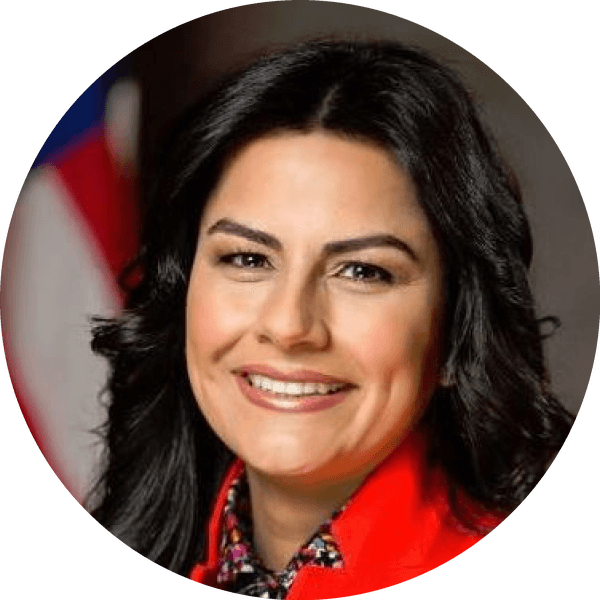
Nanette Barragán
Democrat · CA
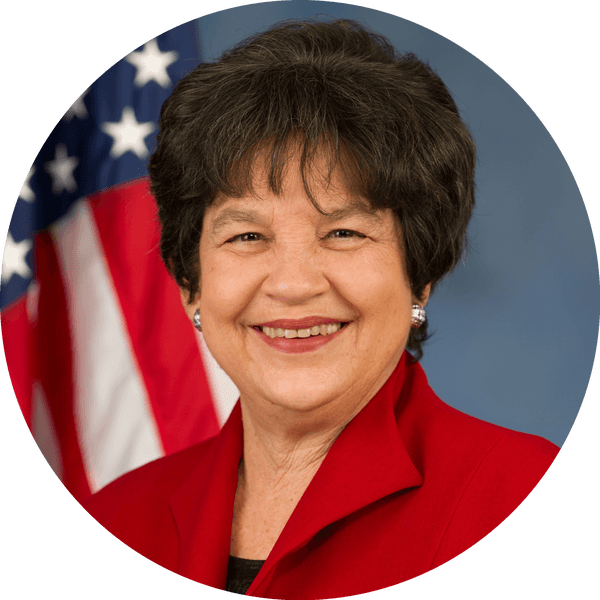
Lois Frankel
Democrat · FL
Committee Sponsors
Health, Education, Labor, and Pensions Committee
0 of 23 committee members cosponsored
No committee members have cosponsored this bill
Energy and Commerce Committee
6 of 54 committee members cosponsored


31 Democrats across these committees haven't cosponsored yet. Mobilize their constituents
H.R. 4541 Quick Facts
- Committee
- Health, Education, Labor, and Pensions
- Chamber
- House
- Policy
- Health
- Introduced
- Jul 17, 2025
Passed the House, received in Senate
Jul 27, 2026
Official Sources
Official bill page with full text, actions, cosponsors, and the 394-6 House vote record.
The CDC program that H.R. 4541 funds at $235.5 million a year and directs toward navigation, access, and follow-up care.
CDC eligibility rules and a state, territory, and tribal directory for the no-cost screenings this bill keeps authorized.
The breast health education campaign for women under 45 that the EARLY Act extension keeps running through 2031.
The Public Health Service Act section establishing the screening grant program, which Section 202 of the bill amends.
The EARLY Act statute whose funding authorization currently ends in fiscal year 2026; Section 102 moves that date to 2031.
The federal task force guidance calling for mammograms every other year from age 40, the kind of evidence-based recommendation the bill ties screening services to.
Federal task force guidance on Pap and HPV testing intervals that program screening services would need to track.
H.R. 4541 Common Questions
How much funding does H.R. 4541 provide for cancer screening?
It authorizes $235.5 million a year for fiscal years 2026 through 2030, about $1.18 billion over five years, for the National Breast and Cervical Cancer Early Detection Program.
Did H.R. 4541 pass the House?
Yes. It passed 394-6 on July 20, 2026, after clearing the Energy and Commerce Committee 48-0. It's now with the Senate HELP Committee.
Who qualifies for free mammograms and Pap tests under this program?
The program serves women with low incomes who are uninsured or underinsured. States, tribes, and territories set exact income and age limits, so eligibility varies by where you live. H.R. 4541 renews the program; it doesn't create a new one.
What changes for someone trying to get screened?
The program would be told to help you get there: navigating the health system, clinic-based outreach that raises screening rates, and help reaching a care setting. Grantees would also have to ensure follow-up care happens after an abnormal result.
What is the EARLY Act?
A 2009 law funding breast health education for women under 45, carried out through CDC's Bring Your Brave campaign. H.R. 4541 extends it from 2026 to 2031.
Is the $235.5 million guaranteed if the bill becomes law?
No. It's a spending ceiling. Congress still has to approve the actual money each year in appropriations bills, and it can provide less.
Does the program have to follow updated screening guidelines?
Yes. Screening and diagnostic services would have to be consistent with relevant evidence-based recommendations, so the program keeps pace as guidelines change.
What will GAO study under H.R. 4541?
By September 30, 2027, GAO must estimate how many people are eligible, track how many are actually served, and identify barriers keeping eligible people from getting screened.
Based on H.R. 4541 bill text
H.R. 4541 Bill Text
“To reauthorize the Young Women’s Breast Health Education and Awareness Requires Learning Young Act of 2009.”
Source: U.S. Government Publishing Office
Get notified when H.R. 4541 moves
Committee votes, floor action, cosponsor changes — straight to your inbox.
Bill alerts + Legisletter's monthly briefing. Unsubscribe anytime.
Health Bills
9 related bills we're tracking
Nancy Gardner Sewell Medicare Multi-Cancer Early Detection Screening Coverage Act



Reported (Amended) by the Committee on Ways and Means. H. Rept. 119-333, Part I.
Oct 3, 2025
Mikaela Naylon Give Kids a Chance Act


Received in the Senate.
Dec 2, 2025
Improving Seniors’ Timely Access to Care Act of 2025


Ordered to be Reported in the Nature of a Substitute by the Yeas and Nays: 42 - 0.
Jul 15, 2026
CONNECT for Health Act of 2025




Referred to the Committee on Energy and Commerce, and in addition to the Committee on Ways and Means, for a period to be subsequently determined by the Speaker, in each case for consideration of such provisions as fall within the jurisdiction of the committee concerned.
Jun 26, 2025
ASAP Act


Ordered to be Reported in the Nature of a Substitute by the Yeas and Nays: 40 - 0.
Sep 16, 2026
Momnibus Act



Referred to the Subcommittee on Health.
Apr 20, 2026
Ensuring Lasting Smiles Act



Referred to the Committee on Energy and Commerce, and in addition to the Committees on Education and Workforce, and Ways and Means, for a period to be subsequently determined by the Speaker, in each case for consideration of such provisions as fall within the jurisdiction of the committee concerned.
May 8, 2025
Right to Contraception Act

Referred to the House Committee on Energy and Commerce.
Feb 5, 2025
Women’s Health Protection Act of 2025


Referred to the Committee on Energy and Commerce, and in addition to the Committee on the Judiciary, for a period to be subsequently determined by the Speaker, in each case for consideration of such provisions as fall within the jurisdiction of the committee concerned.
Jun 24, 2025
Trending Right Now
Bills gaining momentum across Congress
North Platte Canteen Congressional Gold Medal Act



Referred to the House Committee on Financial Services.
Feb 21, 2025
America’s Olympic and Paralympic Games Commemorative Coins Act




Referred to the House Committee on Financial Services.
Jul 14, 2025
Fit to Serve Act


Referred to the House Committee on Armed Services.
May 21, 2025
Tracking Health in Congress? Monitor bills, track cosponsor momentum, and launch advocacy campaigns — all from one advocacy platform.