H.R. 3149: App Store Accountability Act
Sponsor

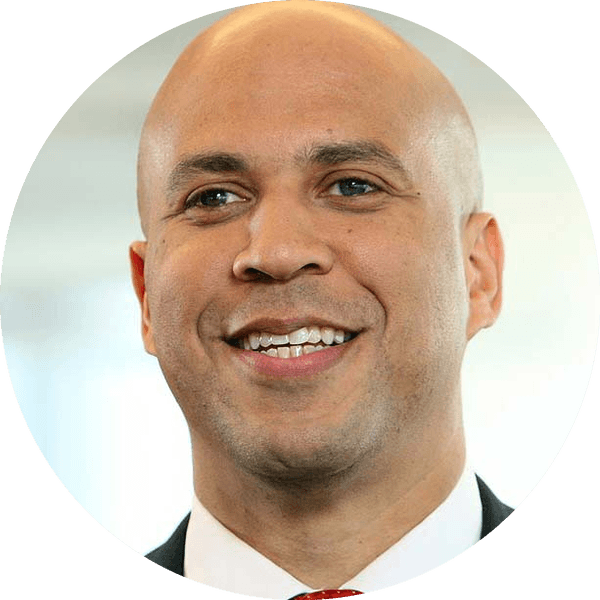
John James
Republican · MI-10
Parents, not apps, should approve what kids download
Why it matters
Every app store with more than 5 million U.S. users would have to confirm a user's age at signup under H.R. 3149, and anyone under 18 would need a linked parent account and that parent's consent before downloading an app or spending money inside one. The check moves from thousands of individual apps to a handful of stores.
H.R. 3149, the App Store Accountability Act, applies to app stores with more than 5,000,000 U.S. users. In practice that means the largest mobile marketplaces, not small software sites.
When you open an account, the store would ask your age and verify it with a commercially available method. It would then sort you into one of four brackets: under 13, 13 to 15, 16 to 17, or 18 and over.
If you're under 18, your account has to be linked to a verified parent account, and a parent has to approve each app download, app purchase, and in-app purchase before it goes through. Before approving, the parent sees what data the app collects, what it shares, how it protects that data, and its age rating.
Approval isn't one-and-done. If an app later changes what data it collects or shares, changes its age rating, adds ads or in-app purchases, or otherwise changes in a way a reasonable person would call material, the store has to notify the parent and get consent again. Parents can revoke consent, and the store must tell the developer when they do.
Developers would stop guessing at ages. They'd receive an age bracket and consent status from the store, could check it in real time, and couldn't share that age data with outside companies. A developer that relies in good faith on the store's age signal and follows the bill's rules would be shielded from liability under this law.
The FTC would enforce the law, write compliance guidance within a year, and offer app stores a 30-day review that ends in a public certificate of compliance, good for one year. State attorneys general could also sue on behalf of residents.
The bill would also block states from enforcing their own laws related to these provisions, making this one federal standard in place of a patchwork. It takes effect one year after enactment.
Bill Progress
Latest Action · Dec 11, 2025
Forwarded by Subcommittee to Full Committee (Amended) by Voice Vote.
H.R. 3149 Bill Summary
What H.R. 3149 actually does.
No downloads or in-app buys without a parent's OK
Users under 18 must have their account linked to a verified parent account, and the parent must approve each app download, app purchase, and in-app purchase.
Age gets checked when you sign up
Covered app stores must request age information at account creation and verify the user's age bracket (under 13, 13-15, 16-17, or adult) with a commercially available method reasonably designed for accuracy.
Parents see what the app does with data before approving
Consent must follow a clear disclosure of what personal data the app collects and shares, how it protects that data, and any age rating or content description.
Big app changes mean asking again
If an app changes the data it collects or shares, its age rating, adds ads or in-app purchases, or otherwise changes materially, the store must notify the parent and obtain new consent.
Developers get the age signal and a liability shield
Stores send developers each user's age bracket and consent status in real time. Developers must use that signal, may not share it with unaffiliated third parties, and are not liable under the Act if they rely on it in good faith and follow its rules.
Kids can't be held to terms of service without consent
An app developer may not enforce a contract or terms of service against a minor unless the store confirms verified parental consent was obtained.
Age-check data stays limited and encrypted
Stores may collect and keep age-verification data only as strictly necessary for verification, consent, or compliance records, and must secure it with reasonable safeguards including industry-standard encryption.
One national rule, enforced by the FTC and states
The FTC enforces violations as unfair or deceptive practices and can certify a store's compliance for one year; state attorneys general may also sue. States may not enforce their own laws related to the Act's provisions, though contract and tort law are untouched.
Who benefits from H.R. 3149?
Parents of anyone under 18
One approval point at the app store, covering every download and in-app purchase, instead of separate settings and sign-ups inside each app your child uses.
Families hit by surprise in-app charges
Every in-app purchase by a minor account would need a parent's consent first, so a game's gem pack or a subscription upgrade can't go through on a child's tap alone.
App developers, especially small ones
Instead of building their own age checks, developers would get an age bracket and consent status from the store, plus a safe harbor from liability under the Act if they rely on it in good faith.
Companies operating nationwide
Preemption replaces state-by-state rules on these requirements with a single federal standard.
Who is affected by H.R. 3149?
The largest app stores
Stores with more than 5 million U.S. users carry most of the load: age verification, parent-account linking, consent flows, change notices, real-time age signals to developers, and encrypted recordkeeping.
Teens ages 16 and 17
The bill treats everyone under 18 as a minor, so older teens who today download freely would need a parent's approval for each download and in-app purchase.
Adult users
Every new account, including adults', would go through age verification at signup, which means handing some age information to the app store.
Apps that update often
Changes to data practices, age ratings, ads, or monetization would trigger new parental consent for minor users, which could interrupt access until a parent re-approves.
States with their own app-store rules
State laws related to the Act's provisions could no longer be enforced; state attorneys general would enforce the federal standard instead.
HR3149 Legislative Journey
House: Vote Held
Dec 11, 2025
Forwarded by Subcommittee to Full Committee (Amended) by Voice Vote.
House: Committee Action
May 1, 2025
Referred to the Subcommittee on Commerce, Manufacturing, and Trade.
About the Sponsor
John James
Republican, Michigan's 10th congressional district · 3 years in Congress
Committees: Energy and Commerce
View full profile →
Cosponsors (2)
All 2 cosponsors are Republicans. Cosponsors represent 2 states: Florida, Indiana.
Committee Sponsors
Energy and Commerce Committee
2 of 54 committee members cosponsored


28 Republicans across this committee haven't cosponsored yet. Mobilize their constituents
H.R. 3149 Quick Facts


- Committee
- Energy and Commerce
- Chamber
- House
- Policy
- Commerce
- Introduced
- May 1, 2025
Forwarded by Subcommittee to Full Committee (Amended) by Voice Vote.
Dec 11, 2025
Official Sources
Official bill page with full text, cosponsors, actions, and legislative history for the App Store Accountability Act
Identical Senate companion bill introduced the same day, referred to the Committee on Commerce, Science, and Transportation
The FTC rule that already requires verifiable parental consent for children under 13; H.R. 3149 extends a parental-consent model to all users under 18 at the app store level
The bill’s definition of ‘personal data’ (Section 2) cross-references the COPPA definition of ‘personal information’ at 15 U.S.C. 6501
Section 6 treats violations as unfair or deceptive acts under 15 U.S.C. 57a(a)(1)(B), giving the FTC enforcement authority
Section 6 incorporates the full FTC Act (15 U.S.C. 41 et seq.) for enforcement jurisdiction, powers, penalties, and immunities
December 11, 2025 subcommittee markup where HR 3149 was forwarded to the full Energy and Commerce Committee by voice vote
March 5, 2026 full committee markup where HR 3149 was reported to the House floor by a roll call vote of 26-23
H.R. 3149 Common Questions
Would kids need parental permission to download apps?
Yes. Under H.R. 3149, anyone under 18 would need a linked parent account and that parent's approval before downloading an app, buying one, or making an in-app purchase.
Which app stores does H.R. 3149 cover?
Any app store available in the U.S. with more than 5 million U.S. users. That covers the major mobile marketplaces, not small niche stores.
Does it apply to 16- and 17-year-olds?
Yes. The bill defines a minor as anyone under 18, so older teens would need a parent's consent too. Stores would sort users into four brackets: under 13, 13-15, 16-17, and adult.
Would adults have to verify their age to use an app store?
Yes. The store would ask for age information when anyone creates an account and verify the age bracket using a commercially available method designed for accuracy.
What would parents see before approving an app?
A disclosure listing the personal data the app collects and shares, how the developer protects that data, and the app's age rating and content description if it has them.
What happens if an app adds ads or changes its privacy policy?
If the change is significant, the store notifies the user. For minor accounts it must also notify the parent and get fresh consent. Parents can revoke consent at any time.
Can apps share my child's age with other companies?
No. Developers can't share age data with unaffiliated third parties other than their own service providers or processors, and can use it only for age rules, legal compliance, or app features and defaults.
Would H.R. 3149 override state app-store laws?
Yes. States could not enforce their own laws related to the bill's provisions, though contract and tort law still apply. State attorneys general could still sue under the federal law.
When would H.R. 3149 take effect?
One year after it becomes law. The FTC would have the same year to publish compliance guidance for app stores and developers.
Based on H.R. 3149 bill text
H.R. 3149 Bill Text
“To safeguard children by providing parents with clear and accurate information about the apps downloaded and used by their children and to ensure proper parental consent is achieved, and for other purposes.”
Source: U.S. Government Publishing Office
Get notified when H.R. 3149 moves
Committee votes, floor action, cosponsor changes — straight to your inbox.
Bill alerts + Legisletter's monthly briefing. Unsubscribe anytime.
Commerce Bills
9 related bills we're tracking
Therapeutic Fraud Prevention Act of 2025





Referred to the House Committee on Energy and Commerce.
May 7, 2025
Algorithmic Accountability Act of 2025





Referred to the House Committee on Energy and Commerce.
Sep 19, 2025
Protecting Circuit Boards and Substrates Act





Referred to the Committee on Ways and Means, and in addition to the Committees on Energy and Commerce, and Science, Space, and Technology, for a period to be subsequently determined by the Speaker, in each case for consideration of such provisions as fall within the jurisdiction of the committee concerned.
May 23, 2025
Children and Teens’ Online Privacy Protection Act





Held at the desk.
Mar 16, 2026
Competition and Antitrust Law Enforcement Reform Act of 2025




Read twice and referred to the Committee on the Judiciary.
Jan 16, 2025
NO FAKES Act of 2025



Read twice and referred to the Committee on the Judiciary.
Apr 9, 2025
Made in America Manufacturing Finance Act





Committee on Small Business and Entrepreneurship. Hearings held.
May 13, 2026
Antitrust Accountability and Transparency Act

Read twice and referred to the Committee on the Judiciary.
Mar 17, 2026
Algorithmic Accountability Act of 2025




Read twice and referred to the Committee on Commerce, Science, and Transportation.
Jun 25, 2025
Trending Right Now
Bills gaining momentum across Congress
North Platte Canteen Congressional Gold Medal Act





Referred to the House Committee on Financial Services.
Feb 21, 2025
Fit to Serve Act





Referred to the House Committee on Armed Services.
May 21, 2025
ASAP Act





Ordered to be Reported in the Nature of a Substitute by the Yeas and Nays: 40 - 0.
Sep 16, 2026
Tracking Commerce in Congress? Monitor bills, track cosponsor momentum, and launch advocacy campaigns — all from one advocacy platform.