H.R. 2071: Save Our Shrimpers Act
Sponsor
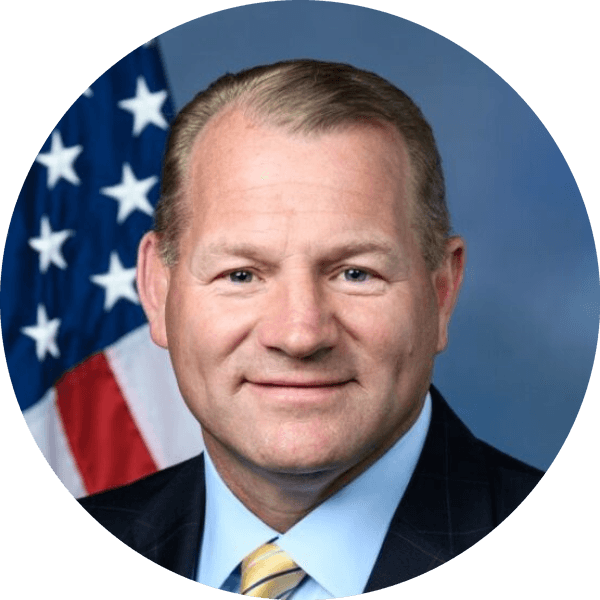
Troy Nehls
Republican · TX-22
U.S. tax dollars shouldn't bankroll foreign shrimp farms
Why it matters
The House passed H.R. 2071 by 391-18. It would stop U.S. money sent to global lenders like the World Bank from financing shrimp farming, processing, or exports in any foreign country — the same imported shrimp Gulf and Atlantic shrimpers compete against at the dock.
The Save Our Shrimpers Act does two things, and neither involves a tariff or an import quota.
First, it puts a string on U.S. contributions to international financial institutions — the World Bank, the International Monetary Fund, and the regional development banks. Any federal money the Treasury provides to these lenders would come with a condition: none of it can finance shrimp farming, shrimp processing, or shrimp exports in any foreign country. The rule covers the whole overseas supply chain, from pond to packing plant to shipping container.
Second, it checks whether an older rule is actually being followed. Current law already instructs U.S. representatives at these banks to oppose loans for producing export commodities that are in surplus on world markets and would substantially injure American producers. The bill directs the Government Accountability Office to investigate how well those U.S. representatives have carried out that instruction — first within 180 days of enactment, then every year after.
Sponsors frame the bill as a response to years of pressure on domestic shrimpers. NOAA Fisheries has reported a $268 million drop in Gulf shrimp revenue since 2021, and in 2024 the U.S. International Trade Commission found that subsidized shrimp from Ecuador, India, Indonesia, and Vietnam materially injured the U.S. industry.
The House Financial Services Committee advanced an amended version 42-1, and the full House passed it 391-18 in May 2026. The description here follows the introduced text; the House-passed version was amended, including its title.
Bill Progress
Latest Action · May 13, 2026
Passed the House, received in Senate
H.R. 2071 Bill Summary
What H.R. 2071 actually does.
No U.S. money for foreign shrimp farms
The Treasury must condition every provision of federal funds to an international financial institution on the requirement that the money not finance shrimp farming in any foreign country.
Processing plants and exports are covered too
The same condition extends to shrimp processing and the export of shrimp abroad, so the restriction reaches the full overseas supply chain rather than only the farms.
Applies to the major global lenders
The condition covers international financial institutions as already defined in federal law, which includes the World Bank, the International Monetary Fund, and regional development banks.
Yearly check on U.S. votes at these banks
GAO must investigate whether U.S. representatives at these banks have opposed loans for export commodities in surplus on world markets, as current law instructs. The first report is due within 180 days of enactment, then annually.
Who benefits from H.R. 2071?
Gulf and South Atlantic shrimpers
Boat owners and crews in Texas, Louisiana, Mississippi, Alabama, Florida, Georgia, and the Carolinas — the coastal states nearly all of the bill's cosponsors represent. NOAA Fisheries has reported that the Gulf shrimp fleet shrank about 19% as revenue fell.
Domestic processors and docks
The packing houses, fuel docks, and ice suppliers that depend on the domestic catch. They would no longer compete with overseas facilities financed in part with U.S. contributions to global lenders.
Members of Congress
Congress would get a yearly GAO report showing whether U.S. representatives at global lenders are following the existing instruction to oppose loans that harm American producers.
Who is affected by H.R. 2071?
Foreign shrimp farms, processors, and exporters
Producers in major exporting countries could lose access to financing from lenders that receive U.S. contributions, depending on how the banks respond to the condition.
International financial institutions
The World Bank, IMF, and regional development banks would have to accept a shrimp-specific restriction on U.S. funds or forgo that money.
The Treasury Department
Treasury carries the main duty: attaching the condition to every provision of federal funds to these lenders and making it stick.
U.S. representatives at global lenders
Their voting records on commodity loans would be reviewed by GAO every year.
HR2071 Legislative Journey
Committee Action
May 13, 2026
Received in the Senate and Read twice and referred to the Committee on Foreign Relations.
House: Vote: 391-18
May 12, 2026
On motion to suspend the rules and pass the bill, as amended Agreed to by the Yeas and Nays: (2/3 required): 391 - 18, 1 Present (Roll no. 156). (text: CR H3352)
House: Committee Action
Mar 25, 2026
Reported (Amended) by the Committee on Financial Services. H. Rept. 119-571.
House: Vote: 42-1
Mar 4, 2026
Ordered to be Reported by the Yeas and Nays: 42 - 1.
House: Committee Action
Mar 11, 2025
Referred to the House Committee on Financial Services.
About the Sponsor
Troy Nehls
Republican, Texas's 22nd congressional district · 5 years in Congress
Committees: House Select Subcommittee to Investigate the Remaining Questions Surrounding January 6, 2021, the Judiciary, Transportation and Infrastructure
View full profile →
Cosponsors (20)
This bill has 20 cosponsors: 3 Democrats, 17 Republicans, reflecting bipartisan support. Cosponsors represent 8 states: Alabama, Florida, Georgia, and 5 more.

Clay Higgins
Republican · LA
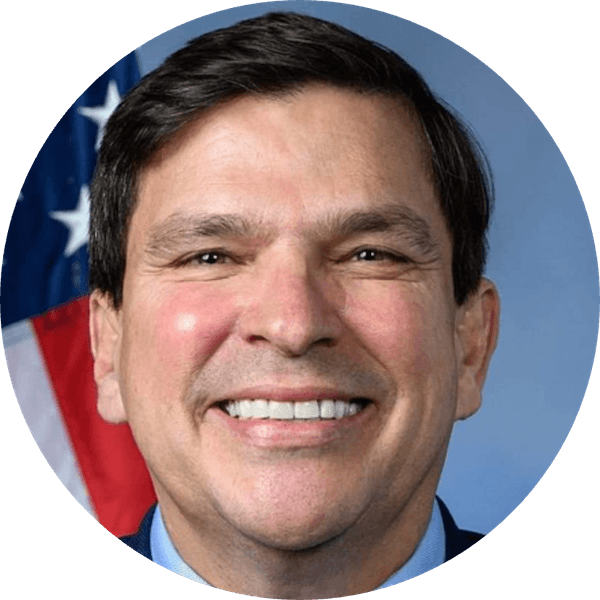
Vicente Gonzalez
Democrat · TX
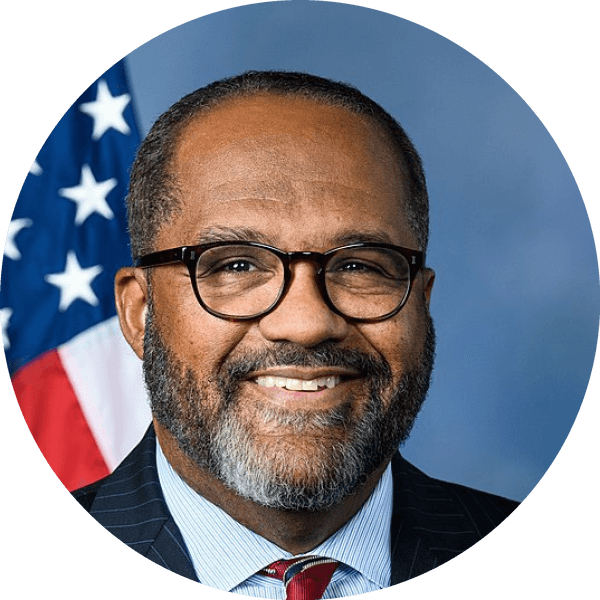
Troy Carter
Democrat · LA

Nancy Mace
Republican · SC
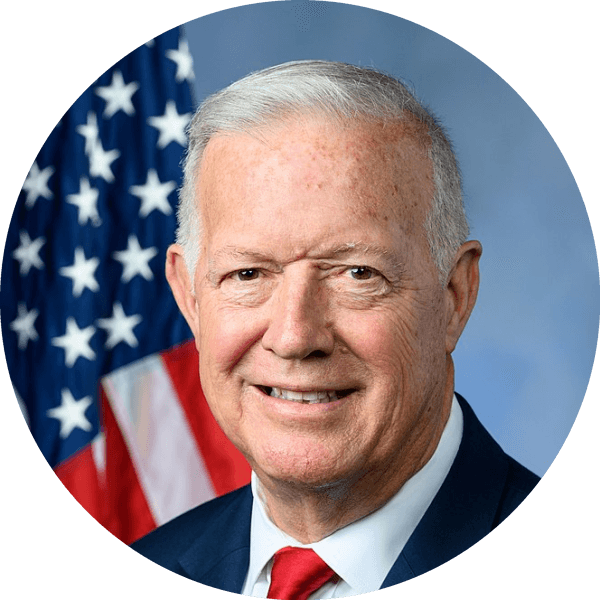
Randy Weber
Republican · TX

Gus Bilirakis
Republican · FL

Julia Letlow
Republican · LA

Anna Paulina Luna
Republican · FL

Gregory Murphy
Republican · NC

John Rutherford
Republican · FL

Byron Donalds
Republican · FL

Barry Moore
Republican · AL
Committee Sponsors
Foreign Relations Committee
0 of 22 committee members cosponsored
No committee members have cosponsored this bill
Financial Services Committee
3 of 53 committee members cosponsored


40 Republicans across these committees haven't cosponsored yet. Mobilize their constituents
H.R. 2071 Quick Facts
- Committee
- Foreign Relations
- Chamber
- House
- Policy
- Foreign Trade and International Finance
- Introduced
- Mar 11, 2025
Passed the House, received in Senate
May 13, 2026
Official Sources
Official bill text, cosponsors, House vote, and legislative history for the Save Our Shrimpers Act
The Congressional Budget Office's estimate of the House version's cost, which it puts at less than $500,000 over 2026-2036
Section 1701(c)(2) of the International Financial Institutions Act, the definition the bill uses to decide which global lenders are covered
The existing instruction to U.S. executive directors that GAO would audit every year under the bill
Treasury leads U.S. engagement with the development banks whose U.S. funding the bill would condition
Reports a $268 million revenue loss since 2021 and a 19 percent drop in active shrimping vessels from 2021 to 2023
NOAA's effort to understand the pressures on Southeast shrimp fisheries and plan for their long-term future
The December 2024 Federal Register notice finding that shrimp imports from Ecuador, India, Indonesia, and Vietnam materially injure the U.S. industry
H.R. 2071 Common Questions
What does the Save Our Shrimpers Act do?
It stops U.S. money given to global lenders like the World Bank and IMF from financing shrimp farming, processing, or exports in any foreign country, and requires a yearly GAO review of how U.S. representatives vote on commodity loans at those banks.
Did H.R. 2071 pass the House?
Yes. The House passed an amended version 391-18 on May 12, 2026. It was sent to the Senate the next day and referred to the Foreign Relations Committee.
Does the bill put a tariff on imported shrimp?
No. There is no tariff, quota, or import ban. The bill works through financing: it limits how U.S. contributions to international development banks can be used.
Is it just shrimp farms, or processing and exports too?
All three. The restriction covers shrimp farming, shrimp processing, and the export of shrimp in any foreign country, so it reaches the whole overseas supply chain.
Which lenders does the Save Our Shrimpers Act cover?
International financial institutions as already defined in federal law. That includes the World Bank, the International Monetary Fund, and regional development banks the U.S. helps fund.
What would the GAO report look at?
Whether U.S. representatives at these banks have followed an existing instruction to oppose loans for export commodities that are in surplus on world markets and would hurt American producers. The first report is due within 180 days, then yearly.
Does the bill cost taxpayers anything?
It does not authorize new spending. It attaches a condition to money the U.S. already sends these lenders. The added cost is GAO staff time for the reports.
Who sponsored H.R. 2071?
Rep. Troy Nehls (R-TX) introduced it in March 2025 with 20 cosponsors, most from Gulf and Southeast coastal states, including Democrats Vicente Gonzalez (D-TX) and Troy Carter (D-LA).
Based on H.R. 2071 bill text
H.R. 2071 Bill Text
“To prohibit Federal funds from being made available to international financial institutions for the purposes of financing foreign shrimp farms, and for other purposes. Be it enacted by the Senate and House of Representatives of the United States of America in Congress assembled, SECTION 1. SHORT TITLE.”
Source: U.S. Government Publishing Office
Get notified when H.R. 2071 moves
Committee votes, floor action, cosponsor changes — straight to your inbox.
Bill alerts + Legisletter's monthly briefing. Unsubscribe anytime.
Foreign Trade and International Finance Bills
9 related bills we're tracking
Leveling the Playing Field 2.0 Act





Referred to the House Committee on Ways and Means.
Feb 24, 2025
Agricultural Risk Review Act of 2025




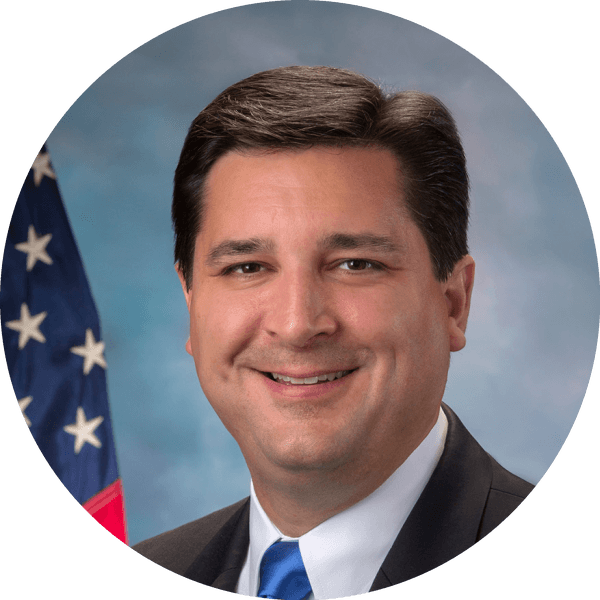
Received in the Senate and Read twice and referred to the Committee on Banking, Housing, and Urban Affairs.
Jun 24, 2025
Remote Access Security Act
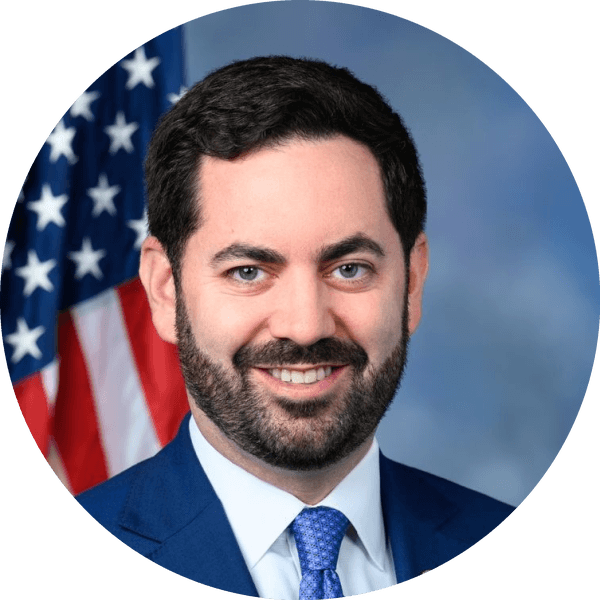



Received in the Senate and Read twice and referred to the Committee on Banking, Housing, and Urban Affairs.
Jan 13, 2026
To expand the sharing of information with respect to suspected violations of intellectual property rights in trade.




Received in the Senate and Read twice and referred to the Committee on Finance.
Apr 28, 2026
GAIN AI Act of 2025



Referred to the House Committee on Foreign Affairs.
Oct 31, 2025
Supporting American Allies Act



Referred to the House Committee on Ways and Means.
Jun 4, 2025
To require the Congressional Budget Office to conduct an economic review of the economic impact of tariff modifications before implementation.
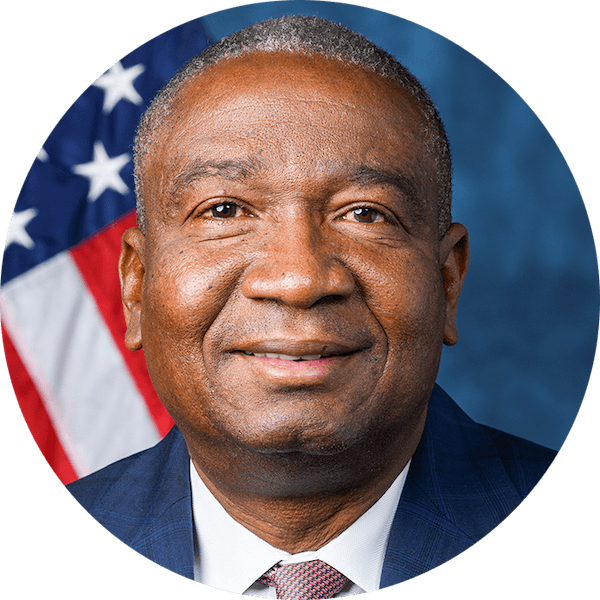
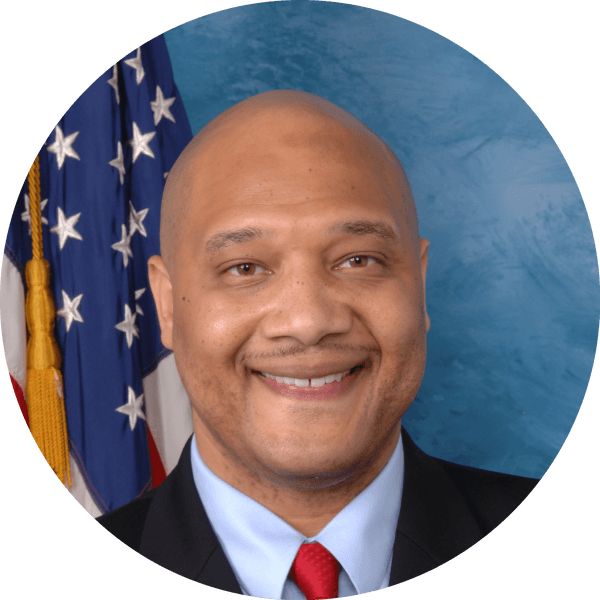

Referred to the House Committee on Ways and Means.
Jul 10, 2025
Full AI Stack Export Promotion Act


Ordered to be Reported in the Nature of a Substitute by the Yeas and Nays: 37 - 7.
Apr 22, 2026
Respect NATO Allies Act

Referred to the Committee on Ways and Means, and in addition to the Committees on Foreign Affairs, and Rules, for a period to be subsequently determined by the Speaker, in each case for consideration of such provisions as fall within the jurisdiction of the committee concerned.
Feb 12, 2026
Trending Right Now
Bills gaining momentum across Congress
North Platte Canteen Congressional Gold Medal Act


Referred to the House Committee on Financial Services.
Feb 21, 2025
Fit to Serve Act




Referred to the House Committee on Armed Services.
May 21, 2025
ASAP Act





Ordered to be Reported in the Nature of a Substitute by the Yeas and Nays: 40 - 0.
Sep 16, 2026
Tracking Foreign Trade and International Finance in Congress? Monitor bills, track cosponsor momentum, and launch advocacy campaigns — all from one advocacy platform.