Mr. Speaker, I rise in support of H.R. 1713, the Agricultural Risk Review Act of 2025, sponsored by Representative Lucas. H.R. 1713 aims to add the Secretary of Agriculture as a member of the Committee on Foreign Investment in the United States, also known as CFIUS, when there is an agriculture-related issue. Recognizing the importance of safe food and of national security involving agriculture, H.R.
H.R. 1713: Agricultural Risk Review Act of 2025
Introduced Feb 27, 202520 cosponsors
Sponsor
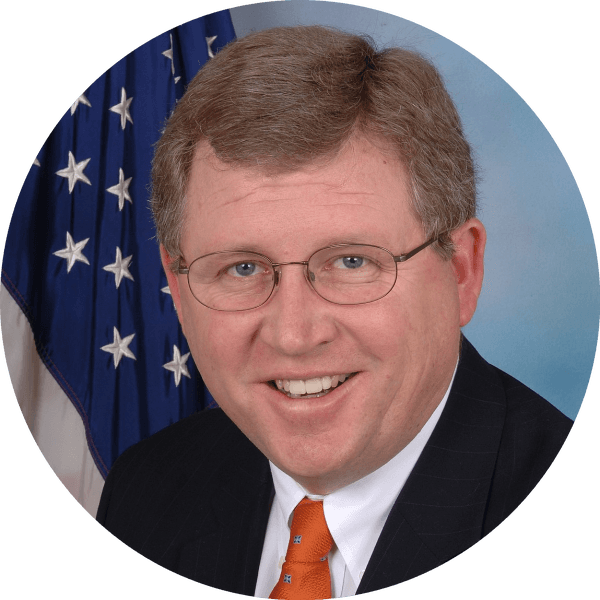
Frank Lucas
Republican · OK-3
Put the USDA on the panel that vets foreign farmland deals
3 min readLast updated May 29, 2026
Why it matters
The interagency panel that screens foreign investment for national security risks, known as CFIUS, has no permanent agriculture expert. H.R. 1713 would give the Secretary of Agriculture a seat for deals involving farmland, ag biotech, or the food supply chain, and let the USDA flag suspicious farmland buys for review. The bill cleared the House Financial Services Committee 48-0 and passed the full House by voice vote. It now sits in the Senate.
CFIUS, the Committee on Foreign Investment in the United States, is the interagency body that screens foreign business deals for national security risks. It already reviews takeovers of tech firms, critical infrastructure, and sensitive real estate. H.R. 1713 brings agriculture squarely into that process.
The bill does two things. First, it makes the Secretary of Agriculture a member of CFIUS whenever a deal involves farmland, agriculture biotechnology, or the broader food industry, which the bill defines to include agricultural transportation, storage, and processing.
Second, it creates a new trigger. When the USDA flags what the bill calls a 'reportable agricultural land transaction,' CFIUS has to decide whether it counts as a covered deal and whether to launch a national security review.
That trigger is narrow by design. It applies only when the buyer is connected to one of four countries the federal government lists as foreign adversaries, China, North Korea, Russia, or Iran, when the USDA has reason to believe (based on intelligence) the deal poses a risk, and when the buyer already has to report the purchase to the USDA under existing farmland disclosure law.
There is also a built-in off switch. If any of those four countries is later removed from the federal foreign-adversaries list, the country-specific requirement stops applying to its buyers.
Bill Progress
IntroducedFeb 27
Committee
Pass HouseJun 23
Pass Senate
Signed
Law
Latest Action · Jun 24, 2025
1/3
Passed the House, received in Senate
H.R. 1713 Bill Summary
What H.R. 1713 actually does.
1
Agriculture gets a permanent seat on CFIUS
The Secretary of Agriculture joins the foreign-investment review committee for any deal involving farmland, ag biotech, or the agriculture industry.
2
Foreign farmland buys can trigger a security review
Once the USDA refers a reportable farmland deal, CFIUS must decide whether it is a covered transaction and whether to open a national security review.
3
Ag biotech and the food supply chain are covered
The agriculture industry is defined to include agricultural transportation, storage, and processing, not just the land itself.
4
Only four adversary nations are in scope
The farmland trigger applies to buyers tied to China, North Korea, Russia, or Iran, and only when the USDA suspects a risk based on intelligence.
5
A built-in sunset tied to the adversary list
If a country is dropped from the federal foreign-adversaries list, the country-specific requirement ends for its buyers.
Who benefits from H.R. 1713?
National security reviewers
CFIUS gains agriculture expertise in the room when judging farm-related deals it previously assessed without a USDA voice.
The USDA
Gets formal standing to refer suspicious farmland purchases for national security review instead of watching from the sidelines.
U.S. farmers and rural landowners
Sponsors argue closer scrutiny of adversary-linked farmland buys helps keep critical agricultural land out of hostile hands.
Food supply chain operators
Deals affecting transportation, storage, and processing now fall inside the same security screen as the land itself.
Who is affected by H.R. 1713?
Buyers tied to China, North Korea, Russia, or Iran
Farmland purchases connected to these four countries can now be referred to CFIUS for a national security review.
Agribusiness dealmakers
Mergers and acquisitions involving ag land, biotech, or food infrastructure may face an added layer of federal review.
Treasury and CFIUS staff
The committee takes on new referrals from the USDA and must run them through the covered-transaction analysis.
Foreign investors filing under farmland disclosure law
Buyers already required to report purchases to the USDA become the entry point for the new review trigger.
On the Record
What Congress Is Saying
H.R. 1713 has come up 12 times in the Congressional Record so far.
Mr. Speaker, I rise in support of H.R. 1713, the Agricultural Risk Review Act of 2025. I thank Representative Lucas for his longstanding leadership on this important legislation. Today, the United States confronts a critical issue at the intersection of national security and agriculture: foreign investment in American farmland. The Committee on Foreign Investment in the United States, or CFIUS, plays a vital role in safeguarding our country by reviewing foreign acquisitions that could pose risks to our national security.
Mr. Speaker, in closing, there is a need to connect the Agriculture Department's expertise, including its longstanding tracking of farmland purchases, with CFIUS' operations. I look forward to supporting this bill today. I urge my colleagues to do so and join me in supporting H.R. 1713, and I applaud Mr. Lucas for this bill. Mr. Speaker, I yield back the balance of my time.
H.R. 1713 also appeared in 7 routine cosponsor filings.
HR1713 Legislative Journey
Committee Action
Jun 24, 2025
Received in the Senate and Read twice and referred to the Committee on Banking, Housing, and Urban Affairs.
House: Vote Held
Jun 23, 2025
On motion to suspend the rules and pass the bill, as amended Agreed to by voice vote. (text: CR H2865)
House: Committee Action
Jun 3, 2025
Committee on Foreign Affairs discharged.
House: Vote: 48-0
Mar 5, 2025
Ordered to be Reported (Amended) by the Yeas and Nays: 48 - 0.
House: Committee Action
Feb 27, 2025
Referred to the Committee on Financial Services, and in addition to the Committees on Energy and Commerce, and Foreign Affairs, for a period to be subsequently determined by the Speaker, in each case for consideration of such provisions as fall within the jurisdiction of the committee concerned.
About the Sponsor
Frank Lucas
Republican, Oklahoma's 3rd congressional district · 33 years in Congress
Committees: Agriculture, Financial Services
View full profile →
Cosponsors (20)
No new cosponsors in 504 days — momentum stalled
This bill has 20 cosponsors: 10 Democrats, 10 Republicans, reflecting bipartisan support. Cosponsors represent 15 states: California, Colorado, Florida, and 12 more.
10Democrats10Republicans·15 statesBipartisan

Jill Tokuda
Democrat · HI
Andy Barr
Republican · KY

Zachary Nunn
Republican · IA
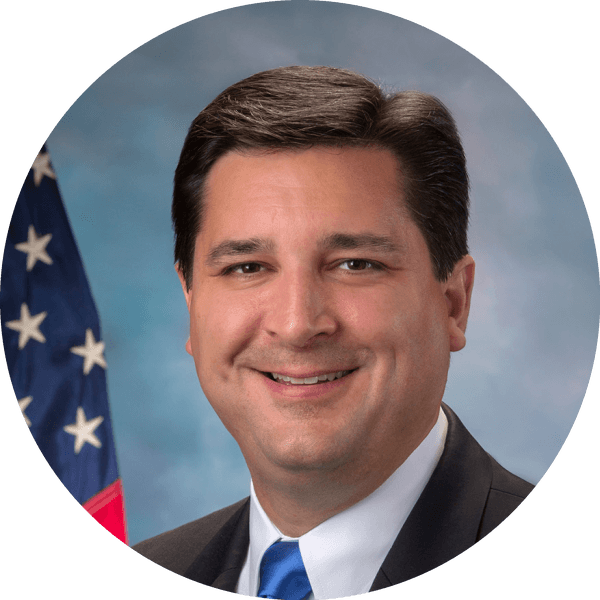
David Rouzer
Republican · NC
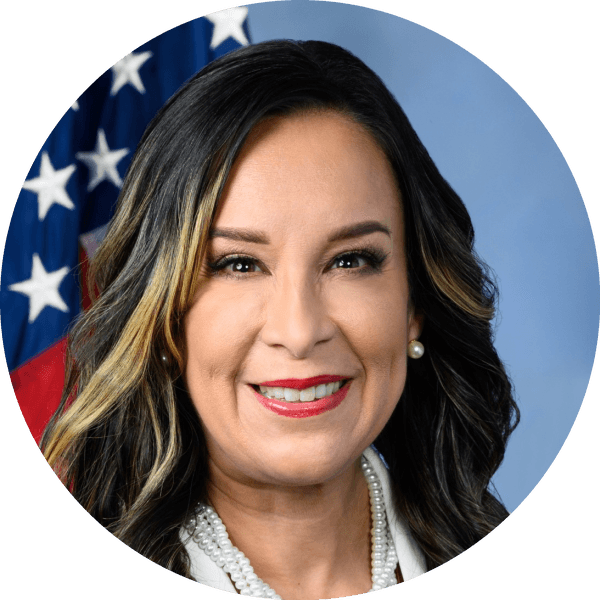
Monica De La Cruz
Republican · TX
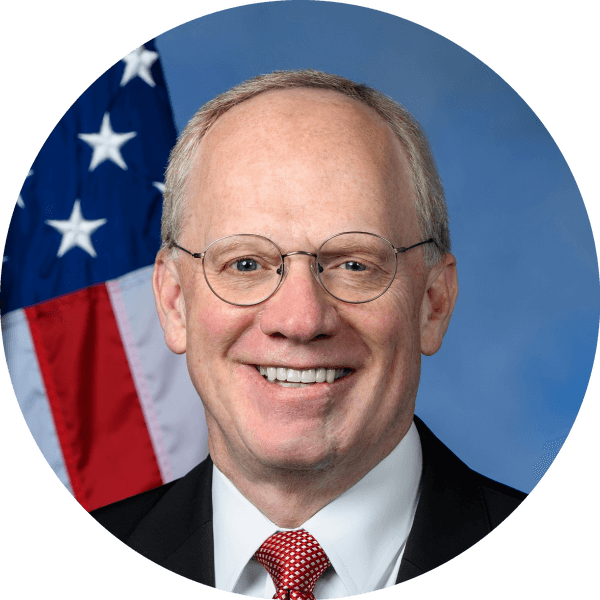
John Rose
Republican · TN
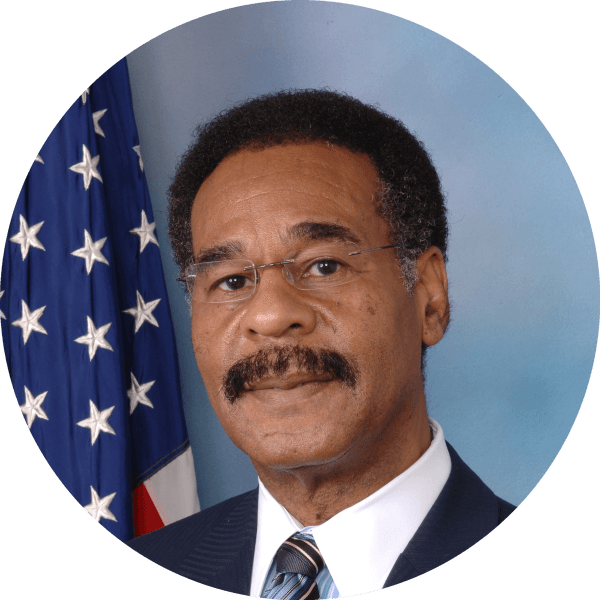
Emanuel Cleaver
Democrat · MO
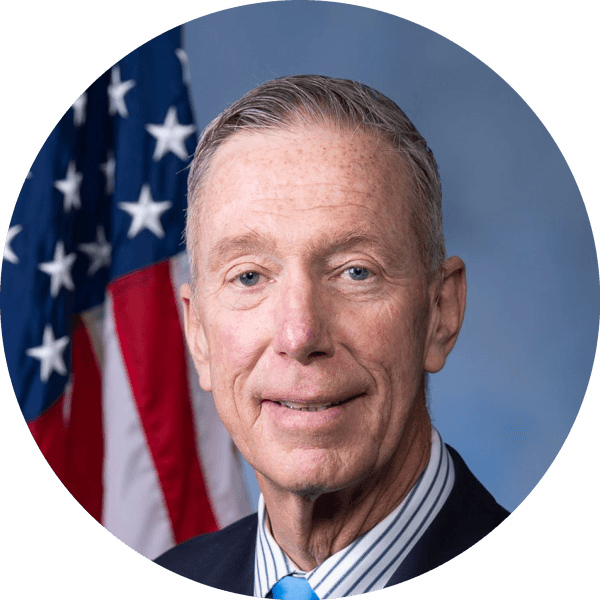
Stephen Lynch
Democrat · MA
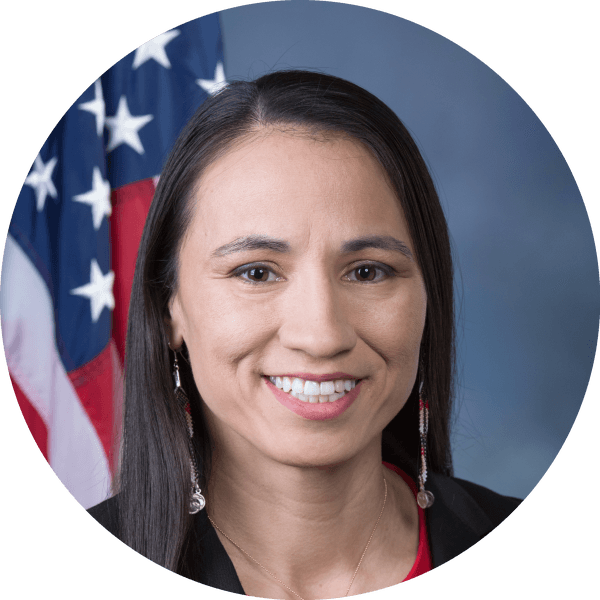
Sharice Davids
Democrat · KS

Brittany Pettersen
Democrat · CO

David Scott
Democrat · GA

Daniel Webster
Republican · FL
Committee Sponsors
Banking, Housing, and Urban Affairs Committee
11D13R
|0 signed24 not yet0 of 24 committee members cosponsored
No committee members have cosponsored this bill

Energy and Commerce Committee
24D30R
|1 signed53 not yet1 of 54 committee members cosponsored

Financial Services Committee
23D30R
|8 signed45 not yet8 of 53 committee members cosponsored


89 Republicans across these committees haven't cosponsored yet. Mobilize their constituents
What laws does H.R. 1713 change?
1 changes
Sections Amended
Section 721(k) of Defense Production Act of 1950 (50 U.S.C. 4565(k))
adding at the end the following: ``(8) Inclusion of the secretary of agriculture
H.R. 1713 Quick Facts
Cosponsors
20
- Committee
- Banking, Housing, and Urban Affairs
- Chamber
- House
- Policy
- Foreign Trade and International Finance
- Introduced
- Feb 27, 2025
Passed the House, received in Senate
Jun 24, 2025
Official Sources
H.R. 1713 on Congress.gov
Official bill text, cosponsors, and full legislative history for the Agricultural Risk Review Act of 2025
CFIUS — U.S. Treasury Department
The CFIUS homepage — the interagency committee this bill expands by adding the Secretary of Agriculture
CFIUS Overview: Structure, Process, and Member Agencies
Explains how CFIUS reviews work, committee composition, and filing processes — the mechanism this bill modifies
AFIDA: Agricultural Foreign Investment Disclosure Act — USDA
The USDA program requiring foreign investors to report U.S. farmland purchases — the reporting mechanism that triggers review under this bill
CBO Cost Estimate for H.R. 1713
Congressional Budget Office estimates $10 million in implementation costs over 2025-2030
50 U.S.C. 4565 — Defense Production Act (CFIUS Authority)
The statute this bill amends — Section 721 of the Defense Production Act establishing CFIUS review authority
15 C.F.R. 791.4 — Foreign Adversaries Designation
The federal regulation listing China, Russia, North Korea, and Iran as foreign adversaries — the bill's sunset clause ties to removal from this list
Senate Banking Committee
The Senate committee where this bill was referred after passing the House — next stop in the legislative process
H.R. 1713 Common Questions
Which countries trigger a CFIUS review of farmland deals under H.R. 1713?
Four: China, North Korea, Russia, and Iran. A farmland deal can be referred for review only when the buyer is tied to one of these countries, which the federal government currently lists as foreign adversaries.
Does H.R. 1713 add the Agriculture Secretary to CFIUS?
Yes. The bill makes the Secretary of Agriculture a member of CFIUS for any covered deal involving farmland, agriculture biotechnology, or the agriculture industry, giving the USDA a permanent voice on the panel.
What kinds of deals bring the USDA into a CFIUS review?
Three categories: farmland, agriculture biotechnology, and the broader agriculture industry, which the bill defines to include agricultural transportation, storage, and processing.
Does H.R. 1713 ban foreign adversaries from buying U.S. farmland?
No. It does not block any purchase outright. It lets the USDA flag suspect deals so CFIUS can review them for national security risks and decide what action, if any, to take.
What makes a farmland deal 'reportable' under H.R. 1713?
Three things have to line up: the USDA suspects a risk based on intelligence, the buyer is tied to China, North Korea, Russia, or Iran, and the buyer is already required to report the purchase to the USDA under existing farmland disclosure law.
Does the farmland review requirement ever expire?
Yes. The country-specific trigger ends for a nation's buyers if that country is later removed from the federal foreign-adversaries list.
Has H.R. 1713 passed?
Not yet. It passed the House by voice vote in June 2025 after a unanimous 48-0 committee vote, and it is now in the Senate Banking Committee. An identical Senate bill, S. 2268, is also pending there.
Based on H.R. 1713 bill text
H.R. 1713 Bill Text
“To amend the Defense Production Act of 1950 to include the Secretary of Agriculture as a member of the Committee on Foreign Investment in the United States, and for other purposes.”
Source: U.S. Government Publishing Office
Bill Alerts
Get notified when H.R. 1713 moves
Committee votes, floor action, cosponsor changes — straight to your inbox.
Bill alerts + Legisletter's monthly briefing. Unsubscribe anytime.
Foreign Trade and International Finance Bills
9 related bills we're tracking
H.R. 1548
Leveling the Playing Field 2.0 Act
Beth Van DuyneR-TX



+88
92 cosponsors
Referred to the House Committee on Ways and Means.
Feb 24, 2025
HouseForeign Trade and International Finance
H.R. 2071
Save Our Shrimpers Act
Troy NehlsR-TX


+16
20 cosponsors
Received in the Senate and Read twice and referred to the Committee on Foreign Relations.
May 13, 2026
HouseForeign Trade and International Finance
H.R. 2683
Remote Access Security Act
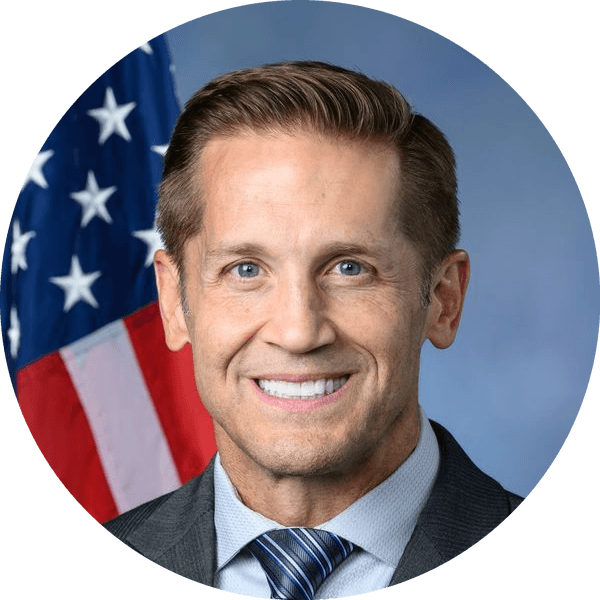
Michael LawlerR-NY


+13
17 cosponsors
Received in the Senate and Read twice and referred to the Committee on Banking, Housing, and Urban Affairs.
Jan 13, 2026
HouseForeign Trade and International Finance
H.R. 4930
To expand the sharing of information with respect to suspected violations of intellectual property rights in trade.

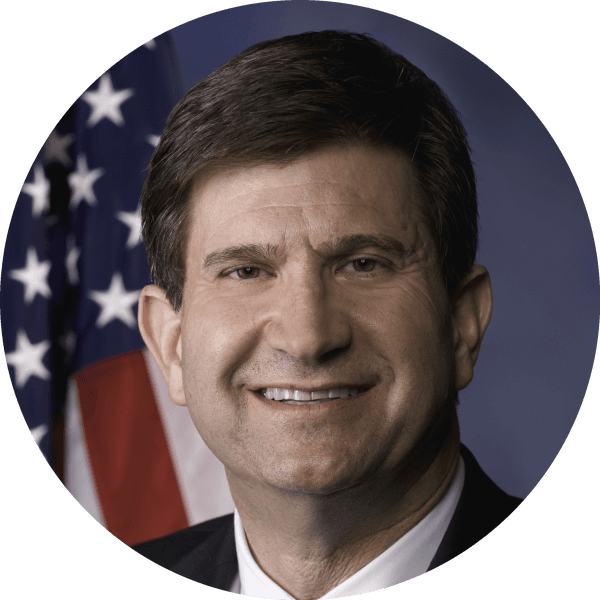
Blake MooreR-UT


+2
6 cosponsors
Received in the Senate and Read twice and referred to the Committee on Finance.
Apr 28, 2026
HouseForeign Trade and International Finance
H.R. 5885
GAIN AI Act of 2025
John MoolenaarR-MI


4 cosponsors
Referred to the House Committee on Foreign Affairs.
Oct 31, 2025
HouseForeign Trade and International Finance
H.R. 3727
Supporting American Allies Act
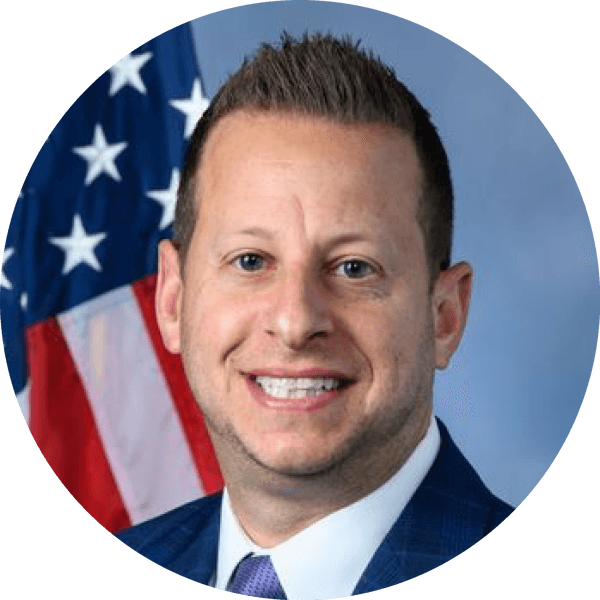
Jared MoskowitzD-FL


3 cosponsors
Referred to the House Committee on Ways and Means.
Jun 4, 2025
HouseForeign Trade and International Finance
H.R. 4326
To require the Congressional Budget Office to conduct an economic review of the economic impact of tariff modifications before implementation.
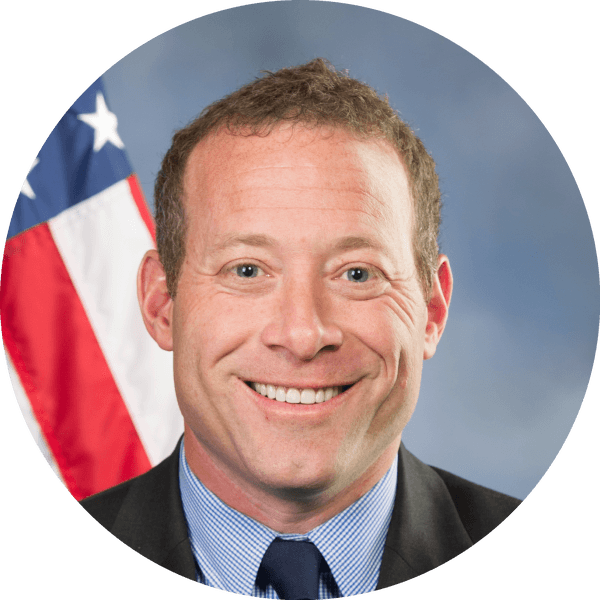
Josh GottheimerD-NJ
3 cosponsors
Referred to the House Committee on Ways and Means.
Jul 10, 2025
HouseForeign Trade and International Finance
H.R. 6996
Full AI Stack Export Promotion Act
Randy FineR-FL
1 cosponsor
Ordered to be Reported in the Nature of a Substitute by the Yeas and Nays: 37 - 7.
Apr 22, 2026
HouseForeign Trade and International Finance
H.R. 7557
Respect NATO Allies Act

Linda SánchezD-CA
1 cosponsor
Referred to the Committee on Ways and Means, and in addition to the Committees on Foreign Affairs, and Rules, for a period to be subsequently determined by the Speaker, in each case for consideration of such provisions as fall within the jurisdiction of the committee concerned.
Feb 12, 2026
HouseForeign Trade and International Finance
Trending Right Now
Bills gaining momentum across Congress
H.R. 6130Surging+18
ASAP Act

Vern BuchananR-FL


+220
224 cosponsors
+18 this monthOrdered to be Reported in the Nature of a Substitute by the Yeas and Nays: 40 - 0.
Sep 16, 2026
HouseHealth
H.R. 1773Surging+27
Federal Firearms Licensee Protection Act of 2025
John RutherfordR-FL

+137
141 cosponsors
+27 this monthReferred to the House Committee on the Judiciary.
Mar 3, 2025
HouseCrime and Law Enforcement
H.R. 3243Surging+25
Therapeutic Fraud Prevention Act of 2025
Ted LieuD-CA

+196
200 cosponsors
+25 this monthReferred to the House Committee on Energy and Commerce.
May 7, 2025
HouseCommerce
Tracking Foreign Trade and International Finance in Congress? Monitor bills, track cosponsor momentum, and launch advocacy campaigns — all from one advocacy platform.