S. 4214: Artificial Intelligence Data Center Moratorium Act
Sponsor

Bernie Sanders
Independent · VT
Sanders wants to freeze AI data center construction nationwide
Why it matters
The bill would halt construction of every large AI data center in the country the day it becomes law — and keep the freeze in place with no end date until Congress passes new rules on safety, jobs, utility bills, pollution, and union labor. It reaches facilities pulling more than 20 megawatts, the scale of the campuses now being built across the country.
S. 4214, the Artificial Intelligence Data Center Moratorium Act, is one of the most aggressive AI infrastructure bills introduced so far. Sponsored by Senator Bernie Sanders, it would freeze construction and upgrades of large AI data centers starting the day it becomes law.
The freeze covers a lot. A facility is caught if it's used to develop or run AI models at scale, or if it pulls more than 20 megawatts and either feeds 20 kilowatts to a single server rack or uses liquid or immersion cooling. That definition captures the kind of campuses tech companies are racing to build right now.
What makes this bill unusual is that the freeze has no expiration date. It lifts only after Congress passes new laws that do several things at once: set up federal safety review of AI products, put policies in place to prevent AI job loss and share the wealth, and require that any future data center add no cost to consumer utility bills, cause no environmental harm, win local community approval, take no government subsidies, and use union labor with prevailing wages and apprenticeships.
The bill leans on its findings to make the case. It quotes industry leaders warning about the stakes — the bill's findings cite Anthropic's Dario Amodei predicting AI could displace half of entry-level white-collar jobs in 1 to 5 years, Microsoft AI's Mustafa Suleyman saying most white-collar work could be automated within 12 to 18 months, and AI pioneer Geoffrey Hinton putting the odds that AI 'wipes us out' at 10 to 20 percent. The findings also point to a reported Mark Zuckerberg data center in Louisiana that the bill says is the size of Manhattan and would use three times the electricity of New Orleans every year.
The bill also builds an enforcement framework most data center legislation doesn't have. The Secretary of Energy would publish quarterly public reports on every covered facility — water use, energy demand, greenhouse gas emissions, cooling chemicals, noise, worker wages, job counts, and subsidy certifications — and could issue subpoenas, run inspections, and tie future permits to compliance. Separately, the Secretary of Commerce would block exports of AI computing hardware to any country without comparable rules, pushing the bill's reach into the global chip supply chain.
Bill Progress
Latest Action · Mar 25, 2026
Read twice and Referred to Commerce, Science, and Transportation. for review
S. 4214 Bill Summary
What S. 4214 actually does.
Construction freezes the day the bill becomes law
Starting on enactment, no new AI data center could be built and no existing one could be upgraded. There is no sunset date — the freeze stays until Congress passes the required national rules and expressly ends it.
The freeze triggers at 20 megawatts
A facility is covered if it develops or runs AI models at scale, or if it pulls more than 20 megawatts and either delivers 20 kilowatts or more to a single server rack or uses liquid-to-chip or immersion cooling. Connected sites under common ownership count as one.
Lifting the freeze takes a whole new rulebook
The freeze ends only after Congress enacts laws creating federal safety review of AI products, policies to prevent job loss and share AI's economic gains, and data center standards requiring no increase to consumer utility bills, no environmental harm, local approval power, no government subsidies, and union labor with prevailing wages, apprenticeships, and project labor agreements.
Quarterly public reports on every facility
The Secretary of Energy would post quarterly reports on the DOE website covering each data center's water use, energy demand, greenhouse gas emissions including fenceline air monitoring, wastewater and thermal output, cooling chemicals, noise, worker wages and benefits, job counts, land and utility deals, and subsidy certifications.
DOE gets subpoena and inspection power
To enforce the law, the Secretary of Energy could issue subpoenas, require written interrogatories, conduct inspections, and condition future permitting on compliance. Those tools would let the department demand records and site access from covered facilities.
Commerce blocks AI hardware exports to noncompliant countries
The Secretary of Commerce would prohibit exporting AI computing hardware — semiconductors, integrated circuits, computers, networking equipment, and data storage systems — for AI data centers or large-scale AI training to any country that lacks rules comparable to the bill's core requirements.
Who benefits from S. 4214?
People living near proposed AI data centers
The freeze blocks construction until Congress requires that future facilities win local community approval, add no cost to utility bills, and cause no environmental harm. The bill's findings point to a reported Louisiana project it says would use three times the electricity of New Orleans every year.
Utility customers worried about their bills
The bill conditions any future construction on data centers not increasing consumer utility or electricity bills — a direct response to fears that power-hungry AI facilities push costs onto households and small businesses sharing the same grid.
Construction and data center workers
If the freeze is ever lifted, future projects would have to use union labor with prevailing wages, registered apprenticeships, and project labor agreements. The quarterly DOE reports on wages, benefits, and job counts would also make labor conditions public.
Workers anxious about AI replacing their jobs
The bill aims to slow the buildout until policies exist to prevent job displacement and share AI's gains. Its findings cite warnings that AI could displace half of entry-level white-collar jobs in 1 to 5 years and automate most white-collar work within 12 to 18 months.
Who is affected by S. 4214?
AI companies building large compute campuses
They would face an immediate halt on new builds and expansions once the bill is enacted. The 20-megawatt threshold and the rack-power and liquid-cooling triggers are broad enough to capture most of the facilities now under construction.
Chip, networking, and data storage exporters
They could lose overseas sales because the Secretary of Commerce would ban exports, reexports, and in-country transfers of AI computing hardware to any country without rules comparable to the bill's standards.
Electric utilities and grid planners
They would be affected by the freeze on major new AI loads and by quarterly DOE scrutiny of energy use and infrastructure needs. The bill directly targets facilities with peak power above 20 megawatts.
State and local governments offering incentives
Future federal standards would have to bar government subsidies for AI data centers, pressuring states to rethink tax breaks. Quarterly reports would also have to disclose land and utility agreements and certify that no subsidies were used.
S4214 Legislative Journey
Committee Action
Mar 25, 2026
Read twice and referred to the Committee on Commerce, Science, and Transportation.
About the Sponsor
Bernie Sanders
Independent, VT · 35 years in Congress
Committees: Health, Education, Labor, and Pensions, Environment and Public Works, Veterans' Affairs
View full profile →
Committee Sponsors
Commerce, Science, and Transportation Committee
0 of 28 committee members cosponsored
No committee members have cosponsored this bill
13 Democrats across this committee haven't cosponsored yet. Mobilize their constituents
S. 4214 Quick Facts
- Committee
- Commerce, Science, and Transportation
- Chamber
- Senate
- Policy
- Science, Technology, Communications
- Introduced
- Mar 25, 2026
Read twice and Referred to Commerce, Science, and Transportation. for review
Mar 25, 2026
Official Sources
The official bill page with full text, status, and the Commerce Committee referral.
DOE's own data on how fast data center electricity use is climbing — the demand the moratorium is reacting to.
The Department of Energy, which the bill puts in charge of quarterly facility reports and enforcement, lays out its AI and data center role here.
DOE's framing of the grid and utility-bill pressures that the bill's no-cost-to-consumers condition targets.
The Commerce Department bureau that runs export controls — the machinery the bill would use to block AI hardware exports to noncompliant countries.
The export-control statute the bill's Commerce provisions build on, including the definitions of export, reexport, and in-country transfer.
The committee the bill was referred to, where it must advance before any floor vote.
Who is lobbying on S. 4214?
1 organization lobbying on this bill
SIFF & ASSOCIATES, PLLC (OBO THE MECHANICAL CONTRACTORS ASSOCIATION OF AMERICA) | 2 |
Showing 1-1 of 1 organizations
S. 4214 Common Questions
What would S. 4214 actually do?
It would freeze construction and upgrades of large AI data centers across the country the day it becomes law, and keep that freeze in place — with no end date — until Congress passes new national rules on AI safety, jobs, utility costs, and the environment.
Which data centers does the moratorium cover?
A facility is caught if it develops or runs AI models at scale, or if it pulls more than 20 megawatts and either feeds 20 kilowatts to a single server rack or uses liquid or immersion cooling. Connected sites under common ownership count as one.
Does the freeze also block upgrades to existing AI data centers?
Yes. The bill bars both new construction and upgrades of existing AI data centers starting on the day it becomes law, not just brand-new projects.
When would the moratorium end?
There's no expiration date. The freeze lifts only after Congress passes laws meeting the bill's conditions and expressly ends it — so it could last indefinitely if those laws never pass.
What would Congress have to do before construction could resume?
Pass laws that set up federal safety review of AI products, prevent AI job loss and share the gains, and require future data centers to add no cost to utility bills, cause no environmental harm, win local approval, take no subsidies, and use union labor.
What data would the government have to publish about these facilities?
Every quarter, the Energy Department would post public reports on each covered data center's water use, energy demand, greenhouse gas emissions, cooling chemicals, noise, worker wages, and job counts — plus a certification that it took no subsidies.
How would the moratorium be enforced?
The Secretary of Energy could issue subpoenas, require written answers, conduct inspections, and tie future permits to compliance — giving the department power to demand records and site access from covered facilities.
Does S. 4214 also restrict AI chip exports?
Yes. The Commerce Department would block exports of AI computing hardware — semiconductors, chips, computers, networking gear, and storage systems — to any country without rules comparable to the bill's, when bound for AI data centers or large-scale AI training.
Who introduced the bill and does it have support?
Senator Bernie Sanders introduced S. 4214 in March 2026. It was referred to the Commerce, Science, and Transportation Committee and currently has no cosponsors, so it's early in the process.
Based on S. 4214 bill text
S. 4214 Bill Text
“To impose a moratorium on the construction of new data centers until legislation is enacted that safeguards the public from the dangers of artificial intelligence.”
Source: U.S. Government Publishing Office
Get notified when S. 4214 moves
Committee votes, floor action, cosponsor changes — straight to your inbox.
Bill alerts + Legisletter's monthly briefing. Unsubscribe anytime.
Science, Technology, Communications Bills
9 related bills we're tracking
AM Radio for Every Vehicle Act of 2025



Received in the Senate. Read twice. Placed on Senate Legislative Calendar under General Orders. Calendar No. 622.
Sep 16, 2026
Scientific Integrity Act



Referred to the House Committee on Science, Space, and Technology.
Feb 6, 2025
Kids Online Safety Act


Committee on Commerce, Science, and Transportation. Ordered to be reported with an amendment in the nature of a substitute favorably.
Aug 5, 2026
Sunshine Protection Act of 2025


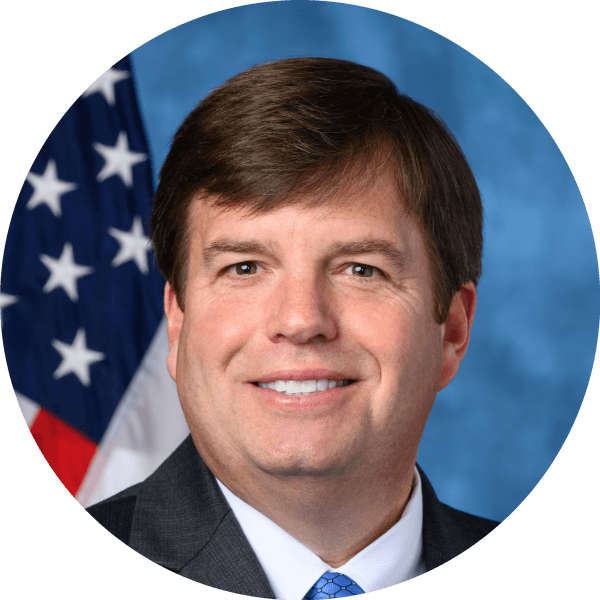

Received in the Senate and Read twice and referred to the Committee on Commerce, Science, and Transportation.
Jul 15, 2026
GUARDRAILS Act



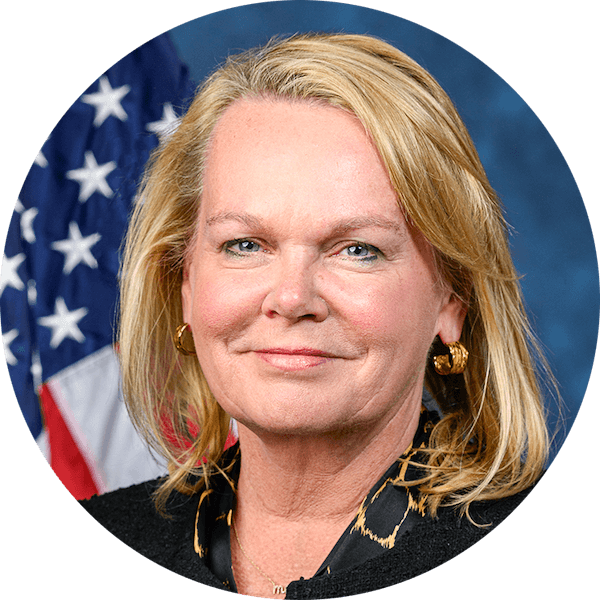
Referred to the Committee on Energy and Commerce, and in addition to the Committee on the Judiciary, for a period to be subsequently determined by the Speaker, in each case for consideration of such provisions as fall within the jurisdiction of the committee concerned.
Mar 20, 2026
Artificial Intelligence Civil Rights Act of 2025





Referred to the Committee on Energy and Commerce, and in addition to the Committee on Oversight and Government Reform, for a period to be subsequently determined by the Speaker, in each case for consideration of such provisions as fall within the jurisdiction of the committee concerned.
Dec 2, 2025
TAKE IT DOWN Act


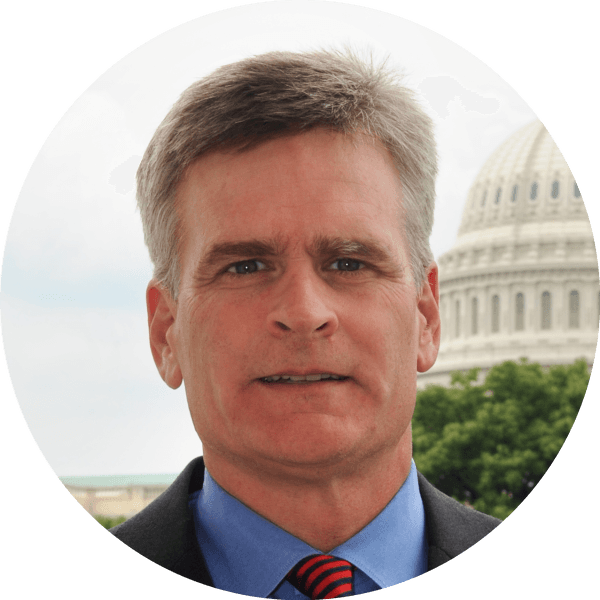
Became Public Law No: 119-12.
May 19, 2025
States' Right to Regulate AI Act
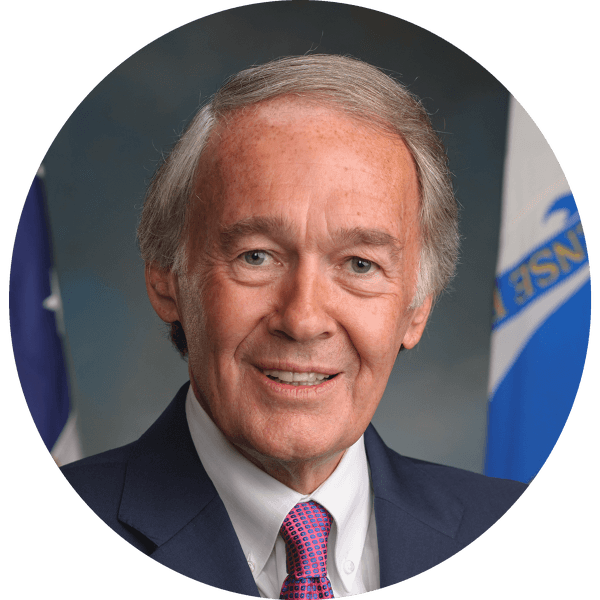



Read twice and referred to the Committee on Commerce, Science, and Transportation.
Dec 17, 2025
ACERO Act


Received in the Senate and Read twice and referred to the Committee on Commerce, Science, and Transportation.
Feb 24, 2026
Trending Right Now
Bills gaining momentum across Congress
North Platte Canteen Congressional Gold Medal Act



Referred to the House Committee on Financial Services.
Feb 21, 2025
Fit to Serve Act




Referred to the House Committee on Armed Services.
May 21, 2025
ASAP Act



Ordered to be Reported in the Nature of a Substitute by the Yeas and Nays: 40 - 0.
Sep 16, 2026
Tracking Science, Technology, Communications in Congress? Monitor bills, track cosponsor momentum, and launch advocacy campaigns — all from one advocacy platform.