S. 4199: Youth AI Privacy Act
Sponsor
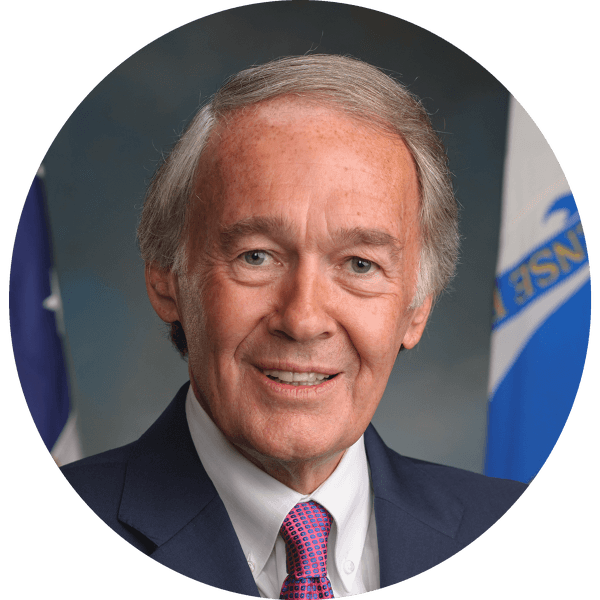
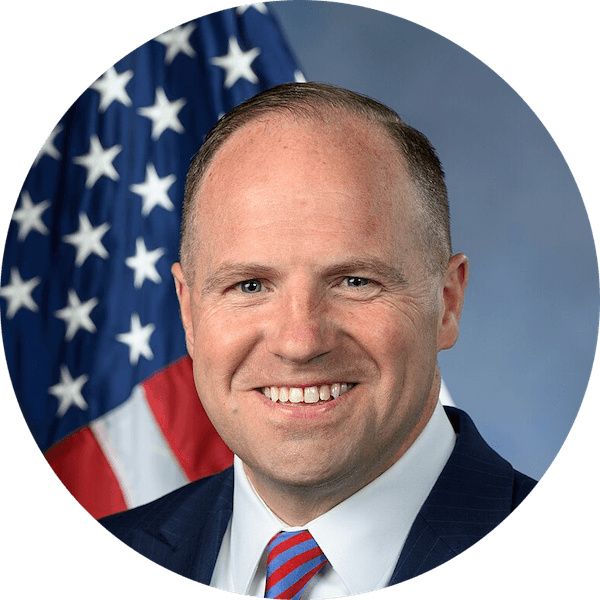
Edward Markey
Democrat · MA
AI chatbots couldn't be built to hook your kid
Why it matters
Teens are forming emotional bonds with AI chatbots, and the bill's findings cite tragic cases where a teenager died by suicide after encouragement from one. S. 4199 would force chatbots to remind minors every 30 minutes that they're talking to a machine, ban engagement features designed to keep them coming back, block their data from training AI models, and let parents sue.
S. 4199, the Youth AI Privacy Act, starts from one idea: if an AI chatbot is talking to a minor, the company shouldn't be allowed to make that experience feel human, addictive, or commercial. The bill defines a minor as anyone under 18 and requires companies that know a user is a minor to say, in plain language a kid can understand, that the user isn't talking to a human and the content is AI-generated. That disclosure has to appear at the start of every session and again at least once every 30 minutes.
The bill also targets the design itself. Within a year of becoming law, the FTC would have to write rules banning a set of features for minor users: rewards tied to how often or how long they use the chatbot, push notifications and alerts, usage badges, replies the bot sends without being prompted, and social cues like typing bubbles that make the bot feel like a person on the other end.
On privacy, the limits are strict. Companies couldn't use a minor's personal data to build a profile of them, and they couldn't process or hand off that data to train an AI model, except to test for or fix safety risks. The FTC would also have to write rules limiting how a minor's data can shape the bot's replies, restricting it to data collected during the current session within a time window the FTC sets. Thirty days after those rules take effect, processing a minor's input data would be off-limits except to generate replies inside that window or for safety testing.
The bill backs all of this with enforcement on three fronts. The FTC can enforce it, State Attorneys General can sue on behalf of residents, and parents or legal guardians can bring their own lawsuits for actual damages, punitive damages, attorney's fees, and court orders. It also authorizes $50 million a year from 2027 through 2030 to research how chatbots affect minors, and directs HHS, through the CDC and NIH, to add chatbot questions to national health surveys covering how often kids use them, the age they start, and the emotional effects they report.
Bill Progress
Latest Action · Aug 5, 2026
Committee on Commerce, Science, and Transportation. Committee approved bill for floor consideration with an amendment in the nature of a substitute favorably.
S. 4199 Bill Summary
What S. 4199 actually does.
Chatbots must remind kids they're not human
A company that knows a user is a minor must disclose that the user isn't interacting with a human and that the content is AI-generated, in clear language suited to a minor's age. The disclosure has to appear at the start of every session and again at least once every 30 minutes.
FTC gets a year to ban engagement hooks
Within 1 year of enactment, the FTC must write rules barring chatbots from using usage-based rewards, push notifications, usage badges, unprompted replies, and human-mimicking cues like typing bubbles when the user is a minor.
Kids' data can't train AI models
Companies can't process or transfer a minor's personal data to train an AI model, except to test for or address safety risks. They also can't use a minor's data to build a behavioral profile of them.
Limits on personalizing replies start 30 days after the rules
The FTC must set rules restricting how a minor's data shapes chatbot replies to data collected in the current session within a set time window. Beginning 30 days after those rules issue, processing a minor's input data is barred except to generate replies inside that window or for safety testing.
Parents and state AGs can sue
Violations count as unfair or deceptive acts under the FTC Act. On top of FTC enforcement, State Attorneys General can sue on behalf of residents, and parents or legal guardians can bring their own lawsuits for actual damages, punitive damages, attorney's fees, and injunctive or declaratory relief.
$50 million a year to study the effects on kids
The bill authorizes $50 million for each fiscal year from 2027 through 2030 to research how chatbots affect minors, and directs HHS, through the CDC and NIH, to add chatbot questions to national health surveys covering frequency of use, age of first use, and emotional effects.
Who benefits from S. 4199?
Minors under 18
Any teen or younger user a company knows is under 18. They'd get repeated warnings that they're talking to a machine, plus protections against profiling, in-chat advertising, push alerts, usage rewards, and human-like design cues like typing bubbles.
Parents and legal guardians
They would gain the right to sue a chatbot company directly, seeking actual damages, punitive damages, attorney's fees, and court orders, if the company breaks the rules in connection with their child.
Employees who report violations
Workers and others who raise concerns, report violations, or cooperate with investigations would be protected from retaliation, including being fired, demoted, suspended, or harassed.
Child-safety and public-health researchers
They would have $50 million a year from 2027 through 2030 in authorized funding, plus new national survey data from HHS, the CDC, and NIH on how kids use chatbots, when they start, and the emotional effects they report.
Who is affected by S. 4199?
Companies that run AI chatbots
Any company that owns, operates, or makes a chatbot available would have to add the 30-minute disclosures, drop the banned engagement features once the FTC's rules land, and answer to FTC, state, and parent lawsuits.
AI developers
Any company that designs, codes, or substantially modifies the algorithm behind a chatbot would be barred from processing or transferring a minor's data to train a model, except for limited safety purposes.
Companies running ads through chatbots
They couldn't configure chatbots to advertise to minors or to push products when the company has a financial stake in the seller.
The FTC and state regulators
The FTC must issue guidance within 180 days and full rules within 1 year, then enforce them. State Attorneys General can sue as parens patriae after notifying the FTC, unless the FTC has already acted against the same company for the same violation.
Cost & Funding
Authorization
$50,000,000 for each fiscal year 2027 through 2030
- The research money is added by amending an existing mental-health research law to include AI chatbots.
- The authorization runs four years: 2027, 2028, 2029, and 2030, for $200 million total over the window.
- The bill also tells HHS, through the CDC and NIH, to fold chatbot questions into national health and behavioral surveys, but sets no separate funding figure for that.
S4199 Legislative Journey
Passed Committee
Aug 5, 2026
Committee on Commerce, Science, and Transportation. Ordered to be reported with an amendment in the nature of a substitute favorably.
Committee Action
Mar 25, 2026
Read twice and referred to the Committee on Commerce, Science, and Transportation.
About the Sponsor
Edward Markey
Democrat, MA · 49 years in Congress
Committees: Small Business and Entrepreneurship, Commerce, Science, and Transportation, Environment and Public Works
View full profile →
Committee Sponsors
Commerce, Science, and Transportation Committee
0 of 28 committee members cosponsored
No committee members have cosponsored this bill
13 Democrats across this committee haven't cosponsored yet. Mobilize their constituents
S. 4199 Quick Facts
- Committee
- Commerce, Science, and Transportation
- Chamber
- Senate
- Policy
- Science, Technology, Communications
- Introduced
- Mar 25, 2026
Committee on Commerce, Science, and Transportation. Committee approved bill for floor consideration with an amendment in the nature of a substitute favorably.
Aug 5, 2026
Official Sources
The official bill page with full text, status, and actions for the Youth AI Privacy Act.
The bill assigns the Federal Trade Commission to write and enforce the new rules; the FTC's kids' privacy program shows its existing authority in this area.
Violations are treated as unfair or deceptive acts under this section of the FTC Act, the legal hook for enforcement in Section 9.
Section 7 amends this mental-health research statute to add AI chatbots and authorize $50 million a year through 2030.
Section 8 directs HHS, through the CDC, to add chatbot questions to this national survey of youth health behaviors.
The other national survey named in Section 8 for capturing how often youth and adults use AI chatbots.
S. 4199 Common Questions
How often would an AI chatbot have to tell a kid it's not human?
If a company knows a user is under 18, S. 4199 requires it to say the user isn't talking to a human and that the content is AI-generated. That disclosure has to appear at the start of every session and again at least once every 30 minutes, in plain language a kid can understand.
Can parents sue an AI chatbot company under the Youth AI Privacy Act?
Yes. A parent or legal guardian can bring their own lawsuit against a chatbot company for breaking the bill's design or privacy rules, and seek actual damages, punitive damages, attorney's fees, and court orders.
Can AI companies use a kid's data to train chatbots under S. 4199?
Generally, no. A company that knows a user is a minor can't process or hand off that minor's personal data to train an AI model. The only exception is using it to test for or fix safety risks to users.
Does the Youth AI Privacy Act ban push notifications and typing bubbles for kids?
It directs the FTC to. Within a year of enactment, the FTC must write rules barring usage-based rewards, push alerts, usage badges, unprompted replies, and human-mimicking cues like typing bubbles when the user is a minor.
Does S. 4199 stop AI chatbots from advertising to kids?
Yes. A company that knows a user is a minor can't configure a chatbot to advertise to them, or to push a product when the company has a financial stake in the seller.
How much would the Youth AI Privacy Act spend studying AI chatbots and kids?
S. 4199 authorizes $50 million a year from 2027 through 2030, $200 million over four years, to research how chatbots affect minors. It also tells the CDC and NIH to add chatbot questions to national health surveys.
Can states sue AI chatbot companies under S. 4199?
Yes. A State Attorney General can sue on behalf of state residents for damages, restitution, or an injunction, but generally has to notify the FTC first, and can't proceed if the FTC is already suing the same company for the same violation.
Does the Youth AI Privacy Act require age verification for AI chatbots?
No. The bill specifically says companies don't have to collect age information they don't already gather or build age-gating or age-verification systems. They're judged on what a reasonable company would have known about whether a user is a minor.
Based on S. 4199 bill text
S. 4199 Bill Text
“To require entities that make artificial intelligence chatbots available to minors to implement certain safe design features, and for other purposes.”
Source: U.S. Government Publishing Office
Get notified when S. 4199 moves
Committee votes, floor action, cosponsor changes — straight to your inbox.
Bill alerts + Legisletter's monthly briefing. Unsubscribe anytime.
Science, Technology, Communications Bills
9 related bills we're tracking
AM Radio for Every Vehicle Act of 2025

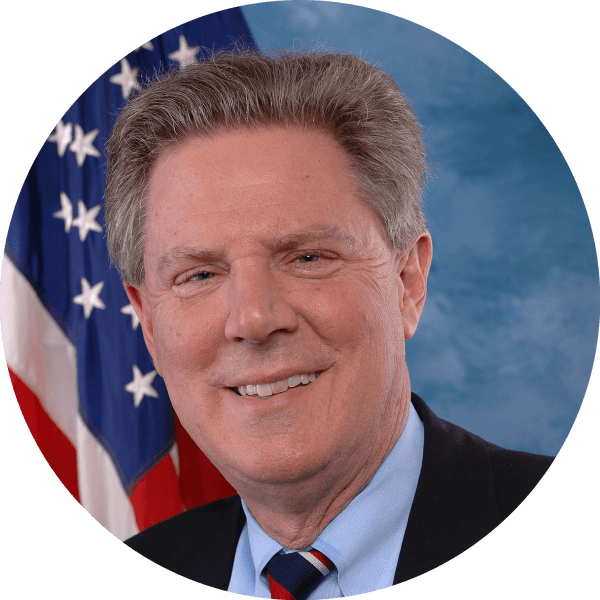
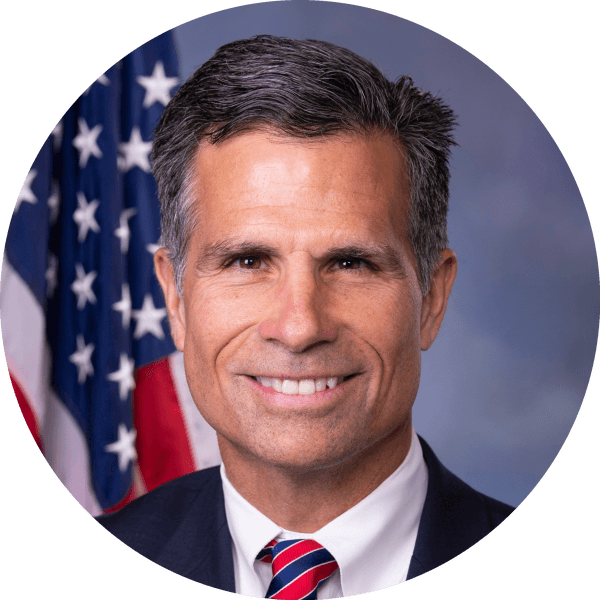
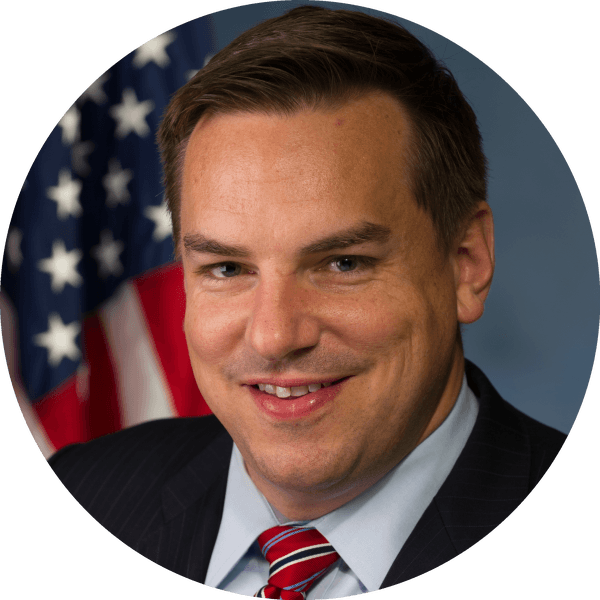
Received in the Senate. Read twice. Placed on Senate Legislative Calendar under General Orders. Calendar No. 622.
Sep 16, 2026
Scientific Integrity Act
Referred to the House Committee on Science, Space, and Technology.
Feb 6, 2025
Kids Online Safety Act

Committee on Commerce, Science, and Transportation. Ordered to be reported with an amendment in the nature of a substitute favorably.
Aug 5, 2026
Sunshine Protection Act of 2025


Received in the Senate and Read twice and referred to the Committee on Commerce, Science, and Transportation.
Jul 15, 2026
GUARDRAILS Act

Referred to the Committee on Energy and Commerce, and in addition to the Committee on the Judiciary, for a period to be subsequently determined by the Speaker, in each case for consideration of such provisions as fall within the jurisdiction of the committee concerned.
Mar 20, 2026
Artificial Intelligence Civil Rights Act of 2025


Referred to the Committee on Energy and Commerce, and in addition to the Committee on Oversight and Government Reform, for a period to be subsequently determined by the Speaker, in each case for consideration of such provisions as fall within the jurisdiction of the committee concerned.
Dec 2, 2025
TAKE IT DOWN Act

Became Public Law No: 119-12.
May 19, 2025
States' Right to Regulate AI Act

Read twice and referred to the Committee on Commerce, Science, and Transportation.
Dec 17, 2025
ACERO Act


Received in the Senate and Read twice and referred to the Committee on Commerce, Science, and Transportation.
Feb 24, 2026
Trending Right Now
Bills gaining momentum across Congress
North Platte Canteen Congressional Gold Medal Act



Referred to the House Committee on Financial Services.
Feb 21, 2025
Fit to Serve Act

Referred to the House Committee on Armed Services.
May 21, 2025
ASAP Act
Ordered to be Reported in the Nature of a Substitute by the Yeas and Nays: 40 - 0.
Sep 16, 2026
Tracking Science, Technology, Communications in Congress? Monitor bills, track cosponsor momentum, and launch advocacy campaigns — all from one advocacy platform.