S. 2750: SANDBOX Act
Sponsor
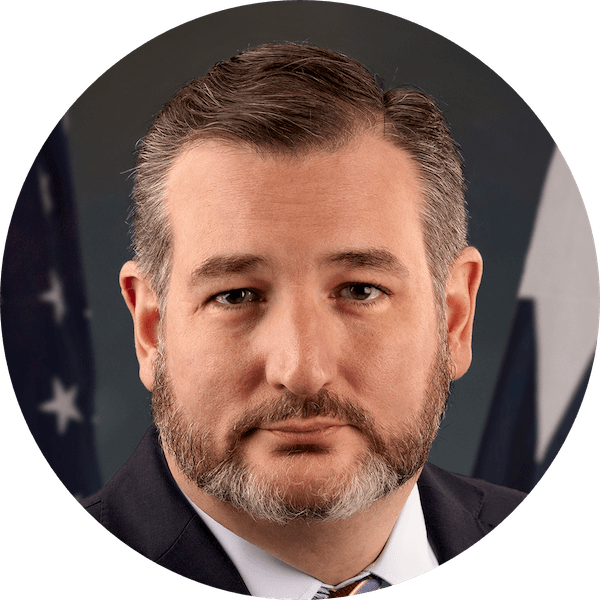
Ted Cruz
Republican · TX
AI companies could waive federal rules for 10 years
Why it matters
S. 2750 would let an AI company ask the federal agency that regulates it for permission to ignore a rule — and operate under that waiver for as long as 10 years. The agency gets 90 days to object. If it stays silent past the deadline, the bill treats that silence as a green light.
S. 2750, the SANDBOX Act, would create an "Artificial Intelligence Regulatory Sandbox Program" run out of the White House Office of Science and Technology Policy (OSTP). The OSTP Director would have to stand it up within a year, and the whole program would shut down 12 years after it launches. To apply, a company has to be under U.S. jurisdiction and either already be a U.S. business or become one within 180 days of signing an agreement.
The process is built to move fast. The agency that regulates the applicant gets 90 days to approve or deny, with one possible 30-day extension. Miss the deadline without filing a decision, and the Director must presume the agency has no objection. If the agency wants changes to reduce risk, the applicant has 60 days to revise and the agency gets up to 60 more to review. Approval still isn't a waiver until the Director signs a written agreement, due within 45 days.
The relief can stretch out. A waiver starts at 2 years and can be renewed up to four more times, two years each — up to a decade total. Participants would have to report incidents within 72 hours if they cause health or safety harm, economic damage, or an unfair or deceptive trade practice. The bill defines health and safety risk broadly, covering bodily harm, loss of life, or substantial adverse effects on health, including, in the bill's words, life before birth or unborn humans. Economic damage is narrower: likely tangible, physical harm to a consumer's property or assets.
The bill also turns the experiments into a deregulation pipeline. After May 1 each year, the Director must send Congress a special message naming rules that sandbox results suggest should be amended or repealed. Congress then gets an expedited track to pass a joint resolution of approval within 60 legislative days, with committees discharged if they sit on it too long. According to the bill, the rules eligible for this treatment — "covered provisions" — aren't just formal regulations; they include agency guidance, FAQs, bulletins, derivative material, and even rules Congress required by statute. Sponsors frame the program as a way to modernize outdated rules for AI; opponents, including the advocacy group Sensible Safeguards, argue it's a mechanism for routing around normal safeguards.
Bill Progress
Latest Action · Sep 10, 2025
Read twice and Referred to Commerce, Science, and Transportation. for review
S. 2750 Bill Summary
What S. 2750 actually does.
A White House office stands up the sandbox
The bill creates an "Artificial Intelligence Regulatory Sandbox Program" inside the Office of Science and Technology Policy, and the OSTP Director must launch it within one year of enactment. The whole program then expires 12 years after it is established.
You apply to the agency that already regulates you
Applicants must be under U.S. jurisdiction and either already be a U.S. business or become one within 180 days of signing an agreement. Waivers can cover an AI product or service, or an AI development method — meaning a business model, not just a single tool.
Agency silence counts as a yes
The agency that regulates the applicant has 90 days to approve or deny, with one possible 30-day extension. If it misses that deadline without filing a decision, the OSTP Director must presume the agency has no objection and the application can proceed.
A risk-mitigation round adds up to 120 more days
If the agency wants changes to reduce risk, the applicant gets 60 days to revise the application, and the agency then gets up to 60 more days to review it. Once granted, the waiver still doesn't take effect until the Director signs a written agreement, due within 45 days.
Waivers run 2 years, renewable up to a decade
A sandbox waiver starts with a 2-year term and can be renewed up to four more times, two years each — up to 10 years of total relief if every renewal is granted.
Harms get reported in 72 hours, not stopped
Participants must report incidents within 72 hours if they cause health or safety harm, economic damage, or an unfair or deceptive trade practice. The bill defines health and safety risk broadly — bodily harm, loss of life, or substantial adverse health effects, including what it calls life before birth — and defines economic damage as likely tangible, physical harm to a consumer's property or assets. The company can keep operating under the waiver unless the Director revokes it.
Sandbox results feed a fast-track to repeal rules
After May 1 each year, the Director must send Congress a special message naming rules that sandbox results suggest should be amended or repealed. Congress gets an expedited process to pass a joint resolution within 60 legislative days, with committees discharged if they sit on it too long.
Who benefits from S. 2750?
AI startups and developers
A startup could seek relief from a federal rule through a process with a hard 90-day agency clock and a built-in presumption that silence means consent. For a small team, skipping a compliance hurdle for up to a decade is a real runway.
Larger tech firms with compliance teams
Established companies have the lawyers to work the application, the 60-day mitigation revisions, and the recurring reporting deadlines — and the resources to keep a waiver renewed across multiple 2-year cycles.
The White House technology office
OSTP would gain a central role in AI oversight, with authority to run the program, sign the written agreements that activate each waiver, and send Congress an annual message recommending which rules to amend or repeal.
Anyone pushing to loosen AI rules
The bill builds a standing channel to turn sandbox outcomes into deregulation, with an expedited congressional vote attached. According to the bill, the rules in reach include agency guidance, FAQs, and bulletins — not just formal regulations.
Who is affected by S. 2750?
Federal regulatory agencies
Agencies that regulate an applicant face a strict clock: 90 days to act, one 30-day extension, and a presumption of no objection if they miss the deadline. The bill applies this even to rules Congress required by statute.
Consumers using sandboxed AI products
You could be using an AI product or service operating under a waiver for years. The bill requires participants to disclose on a public website that the demonstration is temporary and does not grant immunity from civil or criminal liability.
People harmed by an AI failure
If a participant causes bodily harm, loss of life, property damage, or a deceptive practice, the company must report it within 72 hours — but the bill lets it keep operating under the waiver unless the Director revokes it.
Congress
Lawmakers would get an annual special message after May 1 and then an expedited timetable to vote on a joint resolution within 60 legislative days, with committees discharged after 10 legislative days, or 2 in the House for a Senate-passed measure.
S2750 Legislative Journey
Committee Action
Sep 10, 2025
Read twice and referred to the Committee on Commerce, Science, and Transportation.
About the Sponsor
Ted Cruz
Republican, TX · 13 years in Congress
Committees: Commerce, Science, and Transportation, Rules and Administration, the Judiciary
View full profile →
Committee Sponsors
Commerce, Science, and Transportation Committee
0 of 28 committee members cosponsored
No committee members have cosponsored this bill
15 Republicans across this committee haven't cosponsored yet. Mobilize their constituents
S. 2750 Quick Facts
- Committee
- Commerce, Science, and Transportation
- Chamber
- Senate
- Policy
- Science, Technology, Communications
- Introduced
- Sep 10, 2025
Read twice and Referred to Commerce, Science, and Transportation. for review
Sep 10, 2025
Official Sources
The official bill page tracking the SANDBOX Act's text, actions, and committee referral.
The office that would run the AI Regulatory Sandbox Program and whose Director signs each waiver agreement.
The sponsor's official announcement introducing the SANDBOX Act as the first piece of his AI policy framework.
The committee where S. 2750 was referred and where any hearing or markup would happen.
The 1976 statute that created OSTP, which S. 2750 amends to add the sandbox program.
Congressional Research Service backgrounder on the office that would administer the program.
Who is lobbying on S. 2750?
5 organizations lobbying on this bill
AI INTEGRATORS COUNCIL | 12 |
AT&T SERVICES INC AND ITS AFFILIATES | 6 |
BSA THE SOFTWARE ALLIANCE (FORMERLY BSA BUSINESS SOFTWARE ALLIANCE INC) | 6 |
INFORMATION TECHNOLOGY INDUSTRY COUNCIL | 2 |
DEMAND PROGRESS ACTION | 2 |
Showing 1-5 of 5 organizations
S. 2750 Common Questions
What is the SANDBOX Act?
S. 2750, the SANDBOX Act, would let AI companies apply for temporary waivers from federal rules and test their products in the real world. A new program inside the White House Office of Science and Technology Policy would run it.
How long can an AI company stay exempt from a rule?
A waiver starts at 2 years and can be renewed up to four more times, two years each — up to 10 years of total relief if every renewal is granted.
What happens if the agency doesn't respond to an application?
The regulating agency gets 90 days to approve or deny, plus one possible 30-day extension. If it misses the deadline without filing a decision, the bill says the OSTP Director must presume the agency has no objection.
Which federal rules could be waived under the SANDBOX Act?
According to the bill, eligible rules aren't just formal regulations. They include agency guidance, FAQs, bulletins, derivative material, and even rules Congress required by statute.
What protections do consumers get if a sandbox AI causes harm?
Participants must report incidents within 72 hours if they cause health or safety harm, property damage, or a deceptive practice, and must post a public notice that the test is temporary and grants no immunity. The company can keep operating unless the Director revokes the waiver.
How does the bill turn sandbox results into repealing rules?
After May 1 each year, the OSTP Director must send Congress a message naming rules that sandbox results suggest should be amended or repealed. Congress then gets an expedited track to pass a joint resolution within 60 legislative days.
Who introduced the SANDBOX Act and where does it stand?
Senator Ted Cruz introduced S. 2750 on September 10, 2025. It was referred to the Commerce, Science, and Transportation Committee and has no cosponsors yet.
Based on S. 2750 bill text
S. 2750 Bill Text
“To require the Director of the Office of Science and Technology Policy to establish a Federal regulatory sandbox program for artificial intelligence, and for other purposes.”
Source: U.S. Government Publishing Office
Get notified when S. 2750 moves
Committee votes, floor action, cosponsor changes — straight to your inbox.
Bill alerts + Legisletter's monthly briefing. Unsubscribe anytime.
Science, Technology, Communications Bills
9 related bills we're tracking
AM Radio for Every Vehicle Act of 2025

Received in the Senate. Read twice. Placed on Senate Legislative Calendar under General Orders. Calendar No. 622.
Sep 16, 2026
Scientific Integrity Act


Referred to the House Committee on Science, Space, and Technology.
Feb 6, 2025
Kids Online Safety Act


Committee on Commerce, Science, and Transportation. Ordered to be reported with an amendment in the nature of a substitute favorably.
Aug 5, 2026
Sunshine Protection Act of 2025


Received in the Senate and Read twice and referred to the Committee on Commerce, Science, and Transportation.
Jul 15, 2026
GUARDRAILS Act



Referred to the Committee on Energy and Commerce, and in addition to the Committee on the Judiciary, for a period to be subsequently determined by the Speaker, in each case for consideration of such provisions as fall within the jurisdiction of the committee concerned.
Mar 20, 2026
Artificial Intelligence Civil Rights Act of 2025





Referred to the Committee on Energy and Commerce, and in addition to the Committee on Oversight and Government Reform, for a period to be subsequently determined by the Speaker, in each case for consideration of such provisions as fall within the jurisdiction of the committee concerned.
Dec 2, 2025
TAKE IT DOWN Act

Became Public Law No: 119-12.
May 19, 2025
States' Right to Regulate AI Act


Read twice and referred to the Committee on Commerce, Science, and Transportation.
Dec 17, 2025
ACERO Act


Received in the Senate and Read twice and referred to the Committee on Commerce, Science, and Transportation.
Feb 24, 2026
Trending Right Now
Bills gaining momentum across Congress
North Platte Canteen Congressional Gold Medal Act



Referred to the House Committee on Financial Services.
Feb 21, 2025
Fit to Serve Act


Referred to the House Committee on Armed Services.
May 21, 2025
ASAP Act


Ordered to be Reported in the Nature of a Substitute by the Yeas and Nays: 40 - 0.
Sep 16, 2026
Tracking Science, Technology, Communications in Congress? Monitor bills, track cosponsor momentum, and launch advocacy campaigns — all from one advocacy platform.