S. 1818: Prescription Drug Price Relief Act of 2025
Sponsor
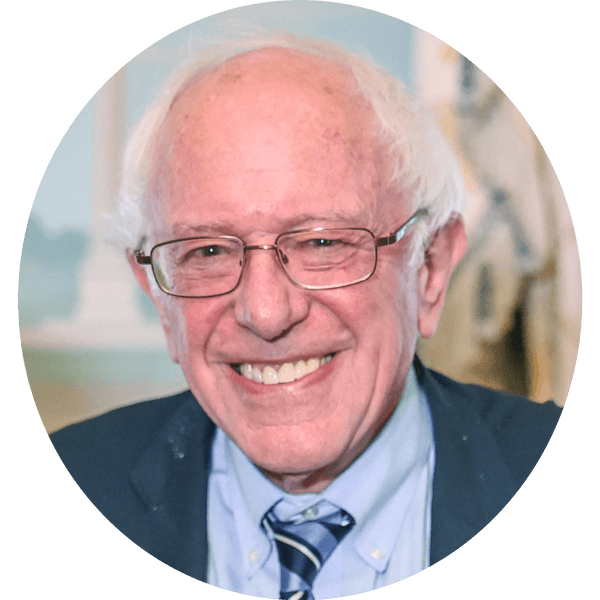
Bernie Sanders
Independent · VT
Sanders: drugs priced above 5-country median lose exclusivity — competitors let in within 8 months
Why it matters
Drug prices remain a major political and household cost issue, and this bill would force federal action within 30 days of enactment to identify and respond to brand-name drugs deemed excessively priced.
S. 1818, the Prescription Drug Price Relief Act of 2025, would create a new federal process for flagging overpriced brand-name drugs and breaking the market power behind them. The Secretary of Health and Human Services would have to set up that review process not later than 30 days after enactment, and review all brand name drugs at least once per calendar year. A drug would count as “excessive” when its domestic average manufacturing price is higher than the median price in 5 reference countries — Canada, the United Kingdom, Germany, France, and Japan — as long as pricing data exists for at least 3 of those 5 countries.
The bill does not stop at naming and shaming. Once a drug is labeled excessive, the Secretary must waive or void all government-granted exclusivities and grant open, non-exclusive licenses. That means other companies could use patents or regulatory test data to produce, manufacture, import, export, distribute, or sell the drug. The FDA would then have to prioritize related generic or biosimilar applications and act within 8 months. The Secretary could also sue a manufacturer that raises prices after the excessive-price determination and before a generic or biosimilar reaches the market, with damages set at not less than the total revenue derived from the price increase.
The bill also builds a paper trail to support those decisions. Drug manufacturers would have to file annual reports by January 15 with detailed data, including quarterly U.S. and foreign average manufacturer prices and wholesale acquisition costs, cumulative global revenues, annual net sales, itemized research and development spending, marketing and advertising expenditures, human clinical trial investments including public subsidies or tax credits, and estimated patient population. If a company files late, it could be fined 0.5% to 1% of the previous year’s gross sales of the drug, multiplied by the number of days late. Those penalties would be directed to National Institutes of Health competitive research grants.
The measure also gives the public and Congress more visibility. Anyone could petition the Secretary to review a drug’s price, though not more than once per calendar year per drug, and the Secretary would have to act within 90 days. Petitions, supporting documents, and rationales would have to be made public. The FDA would also have to maintain a public database showing each drug’s name, manufacturer, excessive-price status, petition counts, license counts, and generic or biosimilar application and approval counts, with an annual report to Congress due not later than 60 days after the first review is completed and every year after that.
Bill Progress
Latest Action · May 20, 2025
Read twice and Referred to Health, Education, Labor, and Pensions. for review
S. 1818 Bill Summary
What S. 1818 actually does.
30-day launch, yearly review of all brand drugs
The Secretary of Health and Human Services must establish a review process not later than 30 days after enactment, and every brand name drug must be reviewed at least once per calendar year.
5-country price test defines “excessive”
A drug is considered excessive if its domestic average manufacturing price exceeds the median price in 5 reference countries — Canada, the United Kingdom, Germany, France, and Japan — and the determination can be made when pricing data is available for at least 3 of those 5 countries.
90-day public petition process
Any person may petition for a price determination, the Secretary must act within 90 days of receipt, and petitions cannot be filed more than once per calendar year per drug. The petition, supporting documentation, and rationale must all be made public.
Exclusivities voided; FDA decision in 8 months
If a drug is found excessive, the Secretary must waive or void all government-granted exclusivities and issue open, non-exclusive licenses. The FDA must then prioritize any related generic or biosimilar application and act within 8 months.
Late-report fines of 0.5% to 1% per day
Manufacturers must file annual reports by January 15 each year. If they do not, they face fines of 0.5% to 1% of the previous year’s gross sales of the drug, multiplied by the number of days the report is late, and the money must support NIH competitive research grants.
Price-hike lawsuits with revenue-based damages
The Secretary may bring a civil action against manufacturers that raise prices after an excessive-price determination and before a generic or biosimilar enters the market. Damages must be not less than the total revenue derived from that price increase, and suits can be filed in the U.S. District Court where the manufacturer is located or in the District of Columbia.
Who benefits from S. 1818?
Patients buying brand-name drugs
They could benefit if drugs priced above the median in Canada, the United Kingdom, Germany, France, and Japan are flagged as excessive and then face new competition through open, non-exclusive licenses and FDA action within 8 months.
Generic drug and biosimilar companies
These companies would gain a faster route into the market because once a drug is deemed excessive, the Secretary must issue open, non-exclusive licenses and the FDA must prioritize and act on generic or biosimilar applications within 8 months.
Taxpayers and public health programs
The bill requires the Secretary to consider the risk-adjusted value of Federal Government subsidies and investments when judging excessive pricing, and more competition could lower costs for federally supported care and drug purchasing.
NIH-funded researchers
Penalty money from late manufacturer reports — calculated at 0.5% to 1% of the previous year’s gross sales of the drug for each day late — must be used for National Institutes of Health competitive research grants.
Who is affected by S. 1818?
Brand-name drug manufacturers
They would face annual price reviews, mandatory reporting by January 15, possible fines of 0.5% to 1% of prior-year gross sales per day for late reports, and the loss of exclusivities if a drug is found excessively priced.
HHS Secretary
The Secretary of Health and Human Services would have major new duties: create the review system within 30 days, review all brand name drugs at least once each calendar year, respond to petitions within 90 days, set royalty terms, and potentially file civil suits.
FDA
The Food and Drug Administration would need to host a public database on its website, track petition and license counts, and prioritize generic and biosimilar applications tied to licensed drugs, acting on them within 8 months.
Patent and exclusivity holders
Holders of drug patents or applications would still receive a reasonable royalty if others accept an open, non-exclusive license, but they could lose protections under listed exclusivity provisions in the Federal Food, Drug, and Cosmetic Act and Public Health Service Act Section 351(k)(7).
S1818 Legislative Journey
Committee Action
May 20, 2025
Read twice and referred to the Committee on Health, Education, Labor, and Pensions.
About the Sponsor
Bernie Sanders
Independent, VT · 35 years in Congress
Committees: Health, Education, Labor, and Pensions, Environment and Public Works, Veterans' Affairs
View full profile →
Cosponsors (7)
All 7 cosponsors are Democrats. Cosponsors represent 6 states: Connecticut, Massachusetts, New Jersey, and 3 more.


Committee Sponsors
Health, Education, Labor, and Pensions Committee
1 of 23 committee members cosponsored

9 Democrats across this committee haven't cosponsored yet. Mobilize their constituents
S. 1818 Quick Facts



- Committee
- Health, Education, Labor, and Pensions
- Chamber
- Senate
- Policy
- Health
- Introduced
- May 20, 2025
Read twice and Referred to Health, Education, Labor, and Pensions. for review
May 20, 2025
S. 1818 Common Questions
How much is the fine if a drug company files its annual price report late under S. 1818?
Under the Prescription Drug Price Relief Act of 2025, a late report can trigger a fine of 0.5% to 1% of the drug’s prior-year gross sales, multiplied by each day late; the money goes to NIH research grants (Section 6).
Which countries are used to decide if a drug is excessively priced under the Prescription Drug Price Relief Act?
According to S. 1818 Section 2, HHS compares U.S. pricing with Canada, the United Kingdom, Germany, France, and Japan, using the median price when data exists for at least 3 of those 5 countries.
Can the government break a drug monopoly if the price is higher than in Canada, the UK, Germany, France, and Japan?
Yes. Under the Prescription Drug Price Relief Act of 2025, if a drug is found excessively priced, HHS must waive or void government-granted exclusivities and issue open, non-exclusive licenses (Section 3).
How fast would FDA have to approve a generic or biosimilar after an excessive drug price finding?
Under the Prescription Drug Price Relief Act of 2025, FDA must prioritize related generic or biosimilar applications and act within 8 months after licensing is triggered (Section 3).
Can anyone petition HHS to review whether a prescription drug price is excessive?
Yes. According to S. 1818 Section 2, any person may petition HHS, the Secretary must act within 90 days, and a petition for the same drug is limited to once per calendar year.
Does S. 1818 let HHS sue drug companies for price hikes after an excessive-price ruling?
Yes. Under the Prescription Drug Price Relief Act of 2025, HHS may sue if a manufacturer raises prices after an excessive-price determination and before a generic or biosimilar enters the market (Section 3).
What damages can a drug maker owe for raising prices after being flagged as excessively priced?
According to S. 1818 Section 3, damages must be at least the total revenue derived from the post-determination price increase.
What drug pricing data would manufacturers have to report by January 15 under this bill?
Under the Prescription Drug Price Relief Act of 2025, manufacturers must report pricing, wholesale acquisition cost, global revenues, net sales, itemized R&D, marketing, and clinical trial investment data by January 15 each year (Section 6).
Does the bill create a public database of drugs found excessively priced?
Yes. According to S. 1818 Section 5, HHS must maintain a public database listing drug names, manufacturers, excessive-price status, petition counts, and license counts.
Can a company with an excessive drug price license still be required to charge less than the flagged price?
Yes. Under the Prescription Drug Price Relief Act of 2025, licensees must sell the drug below the excessive price and pay a reasonable royalty to the patent or application holder (Section 4).
Based on S. 1818 bill text
S. 1818 Bill Text
“To significantly lower prescription drug prices for patients in the United States by ending government-granted monopolies for manufacturers who charge drug prices that are higher than the median prices at which the drugs are available in other countries. Be it enacted by the Senate and House of Representatives of the United States of America in Congress assembled, SECTION 1.”
Source: U.S. Government Publishing Office
Get notified when S. 1818 moves
Committee votes, floor action, cosponsor changes — straight to your inbox.
Bill alerts + Legisletter's monthly briefing. Unsubscribe anytime.
Health Bills
9 related bills we're tracking
Nancy Gardner Sewell Medicare Multi-Cancer Early Detection Screening Coverage Act




Reported (Amended) by the Committee on Ways and Means. H. Rept. 119-333, Part I.
Oct 3, 2025
Mikaela Naylon Give Kids a Chance Act




Received in the Senate.
Dec 2, 2025
Improving Seniors’ Timely Access to Care Act of 2025
Ordered to be Reported in the Nature of a Substitute by the Yeas and Nays: 42 - 0.
Jul 15, 2026
CONNECT for Health Act of 2025




Referred to the Committee on Energy and Commerce, and in addition to the Committee on Ways and Means, for a period to be subsequently determined by the Speaker, in each case for consideration of such provisions as fall within the jurisdiction of the committee concerned.
Jun 26, 2025
ASAP Act


Ordered to be Reported in the Nature of a Substitute by the Yeas and Nays: 40 - 0.
Sep 16, 2026
Momnibus Act



Referred to the Subcommittee on Health.
Apr 20, 2026
Ensuring Lasting Smiles Act


Referred to the Committee on Energy and Commerce, and in addition to the Committees on Education and Workforce, and Ways and Means, for a period to be subsequently determined by the Speaker, in each case for consideration of such provisions as fall within the jurisdiction of the committee concerned.
May 8, 2025
Right to Contraception Act
Referred to the House Committee on Energy and Commerce.
Feb 5, 2025
Women’s Health Protection Act of 2025


Referred to the Committee on Energy and Commerce, and in addition to the Committee on the Judiciary, for a period to be subsequently determined by the Speaker, in each case for consideration of such provisions as fall within the jurisdiction of the committee concerned.
Jun 24, 2025
Trending Right Now
Bills gaining momentum across Congress
North Platte Canteen Congressional Gold Medal Act


Referred to the House Committee on Financial Services.
Feb 21, 2025
Fit to Serve Act

Referred to the House Committee on Armed Services.
May 21, 2025
Accelerating Access to Critical Therapies for ALS Reauthorization Act of 2026



Message on Senate action sent to the House.
Oct 14, 2026
Tracking Health in Congress? Monitor bills, track cosponsor momentum, and launch advocacy campaigns — all from one advocacy platform.