S. 1038: TRACE Act
Sponsor

Thomas Tillis
Republican · NC
Count the people who vanish on federal land
Why it matters
The United States manages hundreds of millions of acres of forests, parks, and rangeland, plus coastal waters out to 12 nautical miles. S. 1038 would make the national missing-persons database flag every case last traced to those places, and require the Justice Department to report the yearly total to Congress.
The TRACE Act changes one database and adds one report. It does not create a crime, fund searches, or change who investigates a disappearance.
The database is NamUs, the National Missing and Unidentified Persons System run through the Justice Department's research arm. The bill requires NamUs to add a field showing whether a missing person was last known, or suspected, to be on federal land or in U.S. coastal waters. The entry has to include whatever specific location details exist, such as which forest or which stretch of water.
"Federal land" has a defined reach here. It covers land run by the Agriculture Department, which includes the national forests, and land run by the Interior Department, which includes national parks, wildlife refuges, and Bureau of Land Management rangeland. It also covers Army Corps of Engineers water projects, like many reservoirs and lakes. Land held in trust for Indian Tribes is excluded.
On the water side, the bill reaches the territorial sea, the band of ocean extending 12 nautical miles from the U.S. coast.
Each year, the Attorney General would have to tell the Senate and House Judiciary Committees how many NamUs cases from the prior calendar year were tied to those places. The first report is due January 15 of the second calendar year after the bill becomes law. That turns a scattered set of individual cases into a number Congress can track over time.
Bill Progress
Latest Action · Sep 4, 2025
Passed the Senate, received in House
S. 1038 Bill Summary
What S. 1038 actually does.
Cases on public land get flagged in the national database
NamUs must add a field showing whether a missing person's last known location was confirmed or suspected to be on federal land or in U.S. territorial waters.
Suspected locations count, not just confirmed ones
A case can be flagged even when investigators only believe the person was last on federal land or water, which matters when a car is found at a trailhead but the person is not.
Records name the specific place
The entry must include any available detail about the particular unit of federal land or area of water tied to the person's last known location.
Forests, parks, rangeland, and Corps lakes are covered
The bill covers land under the Agriculture Department, the Interior Department, and Army Corps of Engineers land and water projects. Land held in trust for Indian Tribes is excluded.
Coastal waters out to 12 nautical miles are covered
Disappearances in the U.S. territorial sea, the band of water within 12 nautical miles of the coast, fall under the same tracking.
Congress gets a yearly national total
The Attorney General must report annually to the Senate and House Judiciary Committees on how many NamUs cases from the prior year involved federal land or territorial waters.
Who benefits from S. 1038?
Families of people missing in the backcountry
If your relative vanished on a hike, a hunting trip, or a boat outing, the case record would show where they were last known to be, making it easier for anyone reviewing it to connect the dots.
Investigators working cold cases
Detectives, park rangers, and search teams could sort NamUs cases by federal land or water location instead of piecing them together from narrative notes.
Lawmakers deciding where to spend search resources
A yearly national count would let Congress see whether particular kinds of public land account for a meaningful share of missing-person cases.
Researchers and journalists
A standard location field creates data that can be compared across years and across forests, parks, Corps lakes, and coastal waters.
Who is affected by S. 1038?
The Justice Department and NamUs staff
They would build the new field, maintain it, and prepare an annual report for the Senate and House Judiciary Committees.
Agencies that manage the covered land
The Forest Service, National Park Service, Bureau of Land Management, and Army Corps of Engineers are not given new duties, but a public count of cases on their land could invite more questions from Congress.
Cases on tribal trust land
Disappearances on land held in trust for Indian Tribes are outside this bill's federal-land definition and would not be counted under it.
Law enforcement entering NamUs cases
Agencies that enter cases would have a new location field to fill in, including when the federal-land link is only suspected.
What Congress Is Saying
S. 1038 has come up 15 times in the Congressional Record so far.
S. 1038 also appeared in 1 more Senate floor reference and 4 routine cosponsor filings.
S1038 Legislative Journey
House: Action Taken
Sep 4, 2025
Held at the desk.
Passed
Sep 2, 2025
Passed Senate with an amendment by Unanimous Consent. (consideration: CR S5987; text: CR S5987)
+1 more action this day
Committee Action
Jul 28, 2025
Committee on the Judiciary. Reported by Senator Grassley with an amendment in the nature of a substitute. Without written report.
Passed Committee
Jul 24, 2025
Committee on the Judiciary. Ordered to be reported with an amendment in the nature of a substitute favorably.
Committee Action
Mar 13, 2025
Read twice and referred to the Committee on the Judiciary.
About the Sponsor
Thomas Tillis
Republican, NC · 11 years in Congress
Committees: Commission on Security and Cooperation in Europe, Banking, Housing, and Urban Affairs, Veterans' Affairs
View full profile →
Cosponsors (5)
This bill has 5 cosponsors: 4 Democrats, 1 Republican, reflecting bipartisan support. Cosponsors represent 4 states: California, Connecticut, Delaware, and 1 more.
Committee Sponsors
Judiciary Committee
3 of 21 committee members cosponsored


11 Republicans across this committee haven't cosponsored yet. Mobilize their constituents
S. 1038 Quick Facts





- Committee
- Judiciary
- Chamber
- Senate
- Policy
- Crime and Law Enforcement
- Introduced
- Mar 13, 2025
Passed the Senate, received in House
Sep 4, 2025
Official Sources
Official text, sponsors, and action history for the TRACE Act, including its September 2025 Senate passage.
The Congressional Budget Office estimates implementing the TRACE Act would cost less than $500,000 over 2025-2030, subject to appropriations.
Explains the National Missing and Unidentified Persons System, the database that would gain the new federal land and coastal waters field.
The bill assigns the work to the Attorney General acting through the NIJ Director, whose office administers NamUs.
The 1988 proclamation the bill cites to define the 12-nautical-mile territorial sea it covers.
Shows how the 12-nautical-mile territorial sea is measured from the U.S. baseline and charted.
Manages the national forests and grasslands, the Agriculture Department land covered by the bill.
Oversees national parks, wildlife refuges, and BLM land, all covered by the bill except land held in trust for Indian Tribes.
S. 1038 Common Questions
What is the TRACE Act?
S. 1038, the TRACE Act, requires the national missing-persons database, NamUs, to flag cases where the person was last known or suspected to be on federal land or in U.S. coastal waters, and to report the yearly total to Congress.
Does the TRACE Act cover national parks and national forests?
Yes. It covers land run by the Agriculture Department, which includes national forests, and the Interior Department, which includes national parks, wildlife refuges, and BLM land. Army Corps of Engineers lakes and water projects are covered too.
Are people who go missing at sea included?
Only within 12 nautical miles of the U.S. coast, the zone known as the territorial sea. Disappearances farther offshore are outside the bill.
What if no one knows for sure where the person was last?
The case can still be flagged. The bill covers locations that were confirmed or only suspected to be on federal land or water, such as when a car is found at a trailhead.
Does the TRACE Act apply to tribal land?
No. Land held in trust for Indian Tribes is excluded from the bill's definition of federal land, so those cases would not be counted under it.
Will the TRACE Act fund more search and rescue?
No. It adds no money, no new penalties, and no new search duties. It changes how cases are recorded and adds a yearly count for Congress.
When would Congress get the first report?
By January 15 of the second calendar year after the bill becomes law, then every year after. Each report covers the previous calendar year and goes to the Senate and House Judiciary Committees.
Has the TRACE Act passed?
It passed the Senate by unanimous consent on September 2, 2025. It is held at the desk in the House, where it still needs a vote before it can go to the President.
Based on S. 1038 bill text
S. 1038 Bill Text
“To direct the Attorney General to include a data field in the National Missing and Unidentified Persons System to indicate whether the last known location of a missing person was confirmed or was suspected to have been on Federal land, and for other purposes.”
Source: U.S. Government Publishing Office
Get notified when S. 1038 moves
Committee votes, floor action, cosponsor changes — straight to your inbox.
Bill alerts + Legisletter's monthly briefing. Unsubscribe anytime.
Crime and Law Enforcement Bills
9 related bills we're tracking
Crime Victims Fund Stabilization Act of 2025

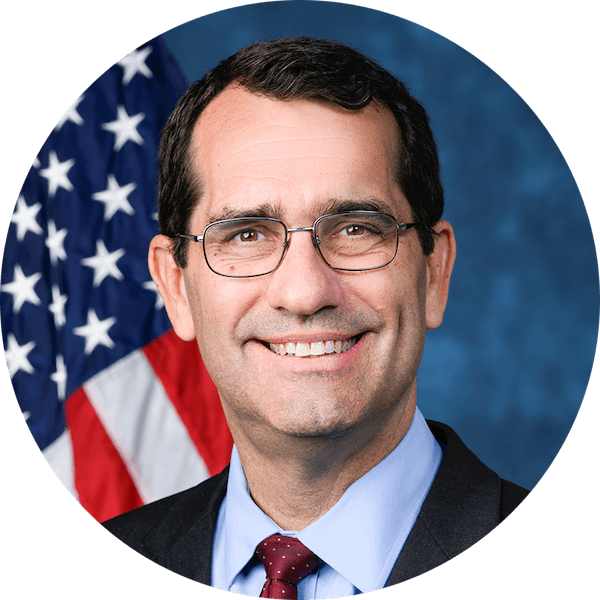



Received in the Senate and Read twice and referred to the Committee on the Judiciary.
Jan 13, 2026
Bipartisan Background Checks Act of 2025
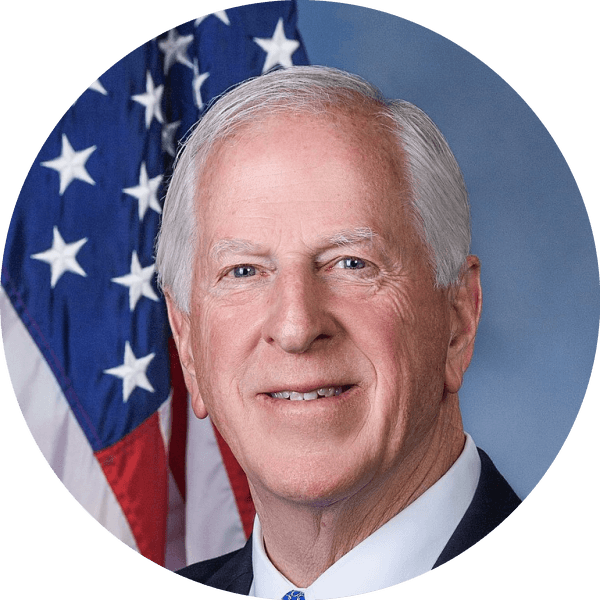

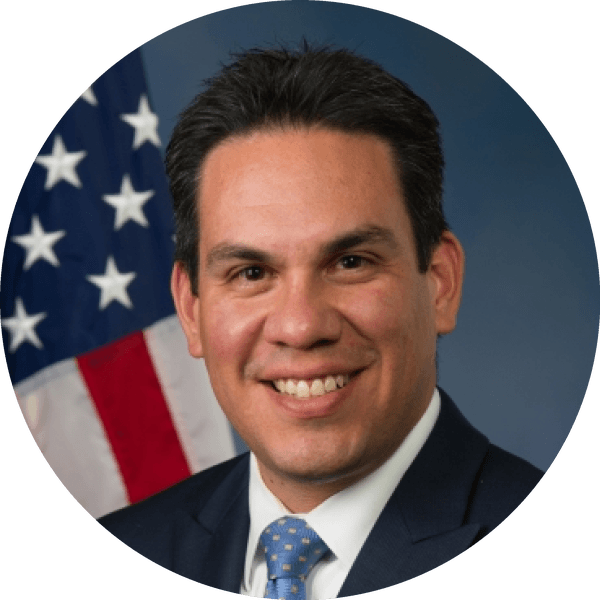


Referred to the House Committee on the Judiciary.
Jun 10, 2025
Combating Organized Retail Crime Act of 2025





Received in the Senate and Read twice and referred to the Committee on the Judiciary.
May 13, 2026
Ethan's Law


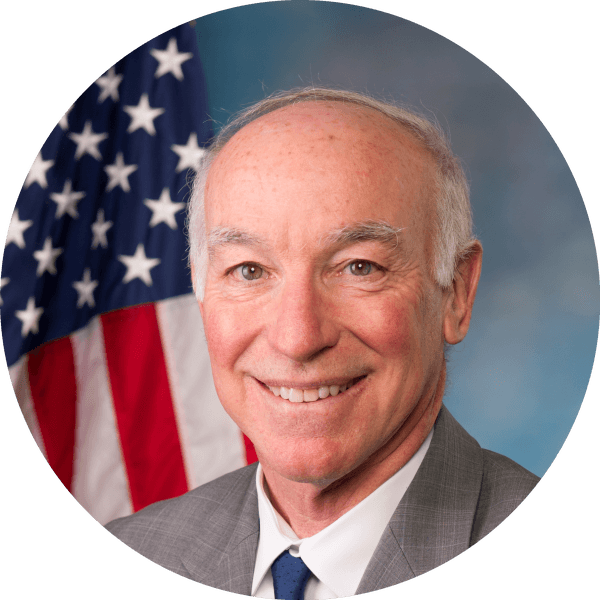

Referred to the House Committee on the Judiciary.
Feb 25, 2025
Assault Weapons Ban of 2025



Referred to the House Committee on the Judiciary.
Apr 30, 2025
Constitutional Concealed Carry Reciprocity Act of 2025





Placed on the Union Calendar, Calendar No. 289.
Oct 3, 2025
Honoring Our Fallen Heroes Act of 2025


Referred to the House Committee on the Judiciary.
Feb 12, 2025
Raise the Age Act of 2025


Referred to the House Committee on the Judiciary.
Mar 26, 2025
Born-Alive Abortion Survivors Protection Act


Received in the Senate and Read twice and referred to the Committee on the Judiciary.
Jan 24, 2025
Trending Right Now
Bills gaining momentum across Congress
ASAP Act





Ordered to be Reported in the Nature of a Substitute by the Yeas and Nays: 40 - 0.
Sep 16, 2026
Fit to Serve Act





Referred to the House Committee on Armed Services.
May 21, 2025
America’s Olympic and Paralympic Games Commemorative Coins Act





Referred to the House Committee on Financial Services.
Jul 14, 2025
Tracking Crime and Law Enforcement in Congress? Monitor bills, track cosponsor momentum, and launch advocacy campaigns — all from one advocacy platform.