H.R. 922: Period PROUD (Providing Resources for Our Underserved and Disadvantaged) Act of 2025
Sponsor

Sean Casten
Democrat · IL-6
House bill: $400M a year for free period products
Why it matters
H.R. 922 would route roughly $400 million a year into free menstrual product distribution during FY2026 through FY2028 — a $200 million direct appropriation plus a $200 million earmark carved out of an expanded Social Services Block Grant. States, tribes, local governments, and 501(c)(3) nonprofits would deliver the products to people who can't afford them.
The Period PROUD Act of 2025 does two things at once. First, it deems the Social Services Block Grant — a longstanding HHS pool that helps states fund social services — at $1.9 billion a year through FY2028, and requires states to obligate $200 million of that to menstrual product distribution. Second, it adds a separate $200 million-a-year direct appropriation for FY2026 through FY2029 on top of the SSBG money.
For the overlapping years (FY2026-FY2028), that's roughly $400 million a year aimed specifically at period products.
The money flows through states to eligible recipients: state or local governments, Indian tribes and tribal organizations, and 501(c)(3) nonprofits that already have experience distributing basic-need goods like food, diapers, or hygiene supplies. Recipients have to keep administrative costs at or below 9 percent of their funding, and the money has to supplement — not replace — existing federal, state, local, or philanthropic spending for the same purpose.
The bill defines menstrual products broadly: cups, discs, period underwear, tampons, and pads, as long as they meet industry standards. HHS is explicitly barred from limiting where products can be handed out, so schools, shelters, food pantries, and community sites all qualify.
Two rules matter to families. Any benefits received through this program would be disregarded when determining eligibility for other federal needs-based programs — so accepting free pads wouldn't push you out of other aid. And HHS would have 180 days to issue guidance, complete an evaluation by December 30, 2031, send results to Congress by March 31, 2032, and post them online by April 30, 2032.
Bill Progress
Latest Action · Feb 4, 2025
Referred to Ways and Means, and in addition to the Committee on the Budget, for a period to be subsequently determined by the Speaker, in each case for consideration of such provisions as fall within the jurisdiction of the committee concerned. for review
H.R. 922 Bill Summary
What H.R. 922 actually does.
$200 million a year, earmarked for free period products
The bill directly appropriates $200 million for each of fiscal years 2026 through 2029 to fund menstrual product distribution, on top of the Social Services Block Grant earmark.
Social Services Block Grant boosted to $1.9 billion through 2028
The bill deems the SSBG at $1.9 billion for each of fiscal years 2025 through 2028, with $200 million of that obligated by states for menstrual product programs each year.
Schools, shelters, and food pantries all qualify as distribution sites
HHS is explicitly barred from limiting where products can be handed out, leaving recipients free to use any local setting that reaches the people who need them.
Free pads don't push you out of other federal aid
Any benefits received through this program must be disregarded when determining eligibility for, or benefit levels under, any other federal needs-based program.
Tribes, nonprofits, and local governments deliver the products
Eligible recipients are state or local governments, Indian tribes and tribal organizations, and 501(c)(3) nonprofits that already distribute basic needs like food, diapers, or hygiene supplies.
Congress gets a results report by 2032
HHS must issue guidance within 180 days, complete an evaluation by December 30, 2031, deliver results to House Energy and Commerce, Ways and Means, and Senate Finance by March 31, 2032, and publish them online by April 30, 2032.
Who benefits from H.R. 922?
Low-income people who menstruate
They could get free pads, tampons, cups, period underwear, and discs through community distribution sites without losing eligibility for other federal needs-based programs.
Schools, shelters, and food pantries
These local sites are explicitly available as distribution points because the bill bars HHS from limiting where products can be handed out.
Nonprofits already distributing basic needs
501(c)(3) organizations like food banks and diaper banks with existing distribution networks can plug menstrual products into the same logistics — and may also access up to 2% of annual direct appropriations for training and technical assistance.
Tribes, tribal organizations, and local governments
Indian tribes and tribal organizations are listed as eligible recipients alongside states and local governments, opening a direct funding pathway without state intermediaries.
Who is affected by H.R. 922?
Department of Health and Human Services
HHS must run the program, issue guidance within 180 days of enactment, oversee reporting, complete an evaluation by December 30, 2031, and publish results by April 30, 2032.
States and grant recipients
States obligate the SSBG earmark and pass funds to eligible entities. Recipients must show fiscal and data capacity, keep administrative costs at or below 9 percent, and spend funds in the fiscal year received or the next.
Other federal needs-based programs
Programs determining eligibility for needs-based assistance must disregard help received through this Act, so receiving free period products cannot be used to reduce or deny other federal aid.
Congressional oversight committees
House Energy and Commerce, House Ways and Means, and Senate Finance receive the HHS evaluation report by March 31, 2032.
Cost & Funding
Authorization
$200 million per year in direct appropriations for FY2026-FY2029, plus a $200 million-a-year earmark within an expanded $1.9 billion Social Services Block Grant for FY2025-FY2028. Up to $6 million is authorized for administration across FY2026-FY2029. Funds are exempt from sequestration.
- Direct appropriation: $200 million for each of fiscal years 2026 through 2029.
- SSBG: deemed at $1.9 billion for each of fiscal years 2025 through 2028, with $200 million per year obligated by states for menstrual products.
- Roughly $400 million per year flows to period products during FY2026-FY2028 (the overlap years).
- Up to 2% of the direct annual appropriation may be reserved for technical assistance, training, and program administration through nonprofit agreements.
- Up to $2 million is reserved in FY2026 for program evaluation.
- Eligible entities may spend no more than 9% of their funds on administrative costs.
- Funds are exempt from sequestration under the Balanced Budget and Emergency Deficit Control Act of 1985.
HR922 Legislative Journey
House: Committee Action
Feb 4, 2025
Referred to the Committee on Ways and Means, and in addition to the Committee on the Budget, for a period to be subsequently determined by the Speaker, in each case for consideration of such provisions as fall within the jurisdiction of the committee concerned.
About the Sponsor
Sean Casten
Democrat, Illinois's 6th congressional district · 7 years in Congress
Committees: Joint Economic Committee, Financial Services
View full profile →
Cosponsors (32)
All 32 cosponsors are Democrats. Cosponsors represent 17 states: Arizona, Connecticut, District of Columbia, and 14 more.

Grace Meng
Democrat · NY

Melanie Stansbury
Democrat · NM
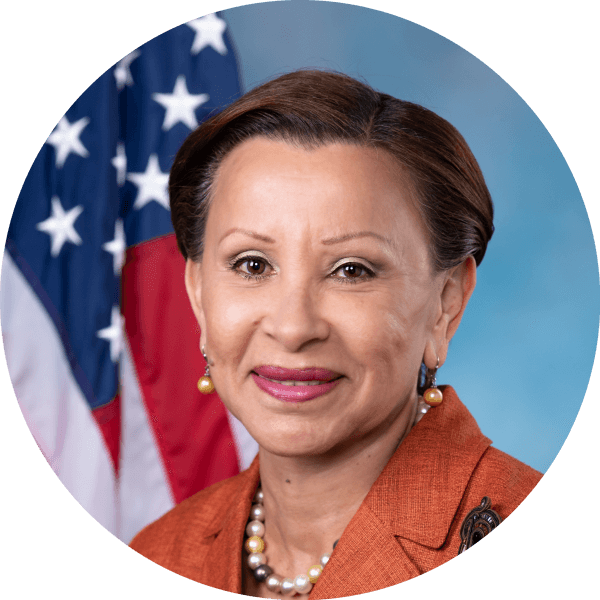
Nydia Velázquez
Democrat · NY

Madeleine Dean
Democrat · PA

Sheila Cherfilus-McCormick
Democrat · FL

Eleanor Norton
Democrat · DC

Gwen Moore
Democrat · WI
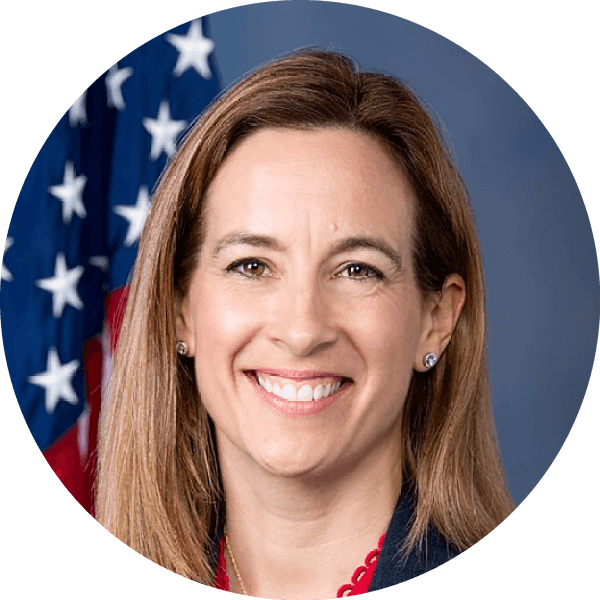
Mikie Sherrill
Democrat · NJ

Raúl Grijalva
Democrat · AZ
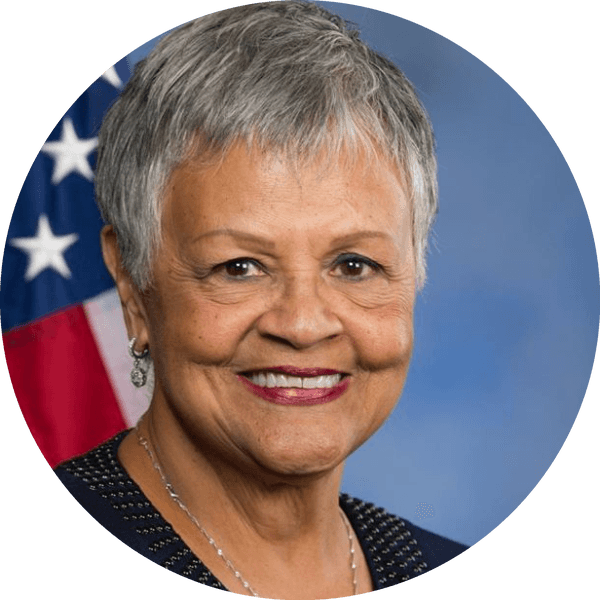
Bonnie Watson Coleman
Democrat · NJ

Ritchie Torres
Democrat · NY

Gregory Meeks
Democrat · NY
Committee Sponsors
Budget Committee
3 of 37 committee members cosponsored


26 Democrats across these committees haven't cosponsored yet. Mobilize their constituents
H.R. 922 Quick Facts
- Committee
- Budget
- Chamber
- House
- Policy
- Health
- Introduced
- Feb 4, 2025
Referred to Ways and Means, and in addition to the Committee on the Budget, for a period to be subsequently determined by the Speaker, in each case for consideration of such provisions as fall within the jurisdiction of the committee concerned. for review
Feb 4, 2025
Official Sources
Official bill page with status, text, sponsors, and actions for the Period PROUD Act of 2025.
The bill routes its $200 million-a-year earmark through the Social Services Block Grant, administered by ACF's Office of Community Services within HHS.
Section 2 of the bill amends the amount specified in subsection (c) of this statute, deeming the SSBG at $1.9 billion for FY2025–FY2028.
The bill's funding structure rides on Title XX of the Social Security Act, the statutory home of the SSBG it expands.
The bill explicitly allows funded activities to be integrated with Temporary Assistance for Needy Families programs under Title IV-A.
The bill names Medicaid (Title XIX) as one of the health programs eligible recipients may integrate their menstrual product distribution with.
The bill lists CHIP (Title XXI) alongside Medicaid as a child-health program that menstrual product distribution may be coordinated with.
The bill names the Special Supplemental Nutrition Program for Women, Infants, and Children as an integration partner for funded activities.
H.R. 922 Common Questions
How much would H.R. 922 spend on free period products?
The Period PROUD Act of 2025 would directly appropriate $200 million a year for FY2026 through FY2029, plus carve out another $200 million a year from an expanded $1.9 billion Social Services Block Grant for FY2025-FY2028. Combined, that's roughly $400 million a year aimed at free menstrual product distribution during the overlap years.
Will accepting free period products under H.R. 922 affect my SNAP, WIC, or Medicaid?
No. The bill says any assistance received through the Period PROUD Act must be disregarded when determining eligibility for, or benefit levels under, any other federal needs-based program. Accepting free pads or tampons wouldn't push you out of other federal aid.
What period products are covered by the Period PROUD Act?
Menstrual cups, menstrual discs, period underwear, sanitary napkins, and tampons — as long as they conform to applicable industry standards. The bill writes the definition broadly enough to include modern reusable products, not just disposables.
Where can free period products be distributed under H.R. 922?
Anywhere local recipients decide makes sense. The bill explicitly bars HHS from limiting locations, so schools, shelters, food pantries, community centers, and other local sites all qualify. The flexibility is a deliberate design choice.
Who can receive Period PROUD Act funding?
State or local governments, Indian tribes and tribal organizations, and 501(c)(3) nonprofits — provided they can show experience distributing basic needs like food, diapers, or hygiene supplies, plus the fiscal and data reporting capacity to handle federal grants.
How much of the H.R. 922 grant can be spent on overhead?
No more than 9 percent. The bill caps administrative costs at 9% of the funds an eligible entity receives, leaving the rest for products, outreach, and direct distribution.
What's the status of H.R. 922?
The Period PROUD Act of 2025 was introduced on February 4, 2025, by Rep. Sean Casten (D-IL) and referred to the House Ways and Means and Budget Committees. It has 32 cosponsors, all Democrats. No committee action has been scheduled.
Could the Period PROUD Act actually become law this Congress?
It would need bipartisan support to move. With 32 cosponsors all from one party and no committee hearings scheduled, the most likely path is attachment to a larger health, social services, or appropriations package — or a future Congress with different political math.
Based on H.R. 922 bill text
H.R. 922 Bill Text
“To provide targeted funding for States and other eligible entities through the Social Services Block Grant program to increase the availability of menstrual products for individuals with limited access to such products.”
Source: U.S. Government Publishing Office
Get notified when H.R. 922 moves
Committee votes, floor action, cosponsor changes — straight to your inbox.
Bill alerts + Legisletter's monthly briefing. Unsubscribe anytime.
Health Bills
9 related bills we're tracking
Nancy Gardner Sewell Medicare Multi-Cancer Early Detection Screening Coverage Act





Reported (Amended) by the Committee on Ways and Means. H. Rept. 119-333, Part I.
Oct 3, 2025
Mikaela Naylon Give Kids a Chance Act




Received in the Senate.
Dec 2, 2025
Improving Seniors’ Timely Access to Care Act of 2025


Ordered to be Reported in the Nature of a Substitute by the Yeas and Nays: 42 - 0.
Jul 15, 2026
CONNECT for Health Act of 2025




Referred to the Committee on Energy and Commerce, and in addition to the Committee on Ways and Means, for a period to be subsequently determined by the Speaker, in each case for consideration of such provisions as fall within the jurisdiction of the committee concerned.
Jun 26, 2025
ASAP Act




Ordered to be Reported in the Nature of a Substitute by the Yeas and Nays: 40 - 0.
Sep 16, 2026
Momnibus Act



Referred to the Subcommittee on Health.
Apr 20, 2026
Ensuring Lasting Smiles Act



Referred to the Committee on Energy and Commerce, and in addition to the Committees on Education and Workforce, and Ways and Means, for a period to be subsequently determined by the Speaker, in each case for consideration of such provisions as fall within the jurisdiction of the committee concerned.
May 8, 2025
Right to Contraception Act


Referred to the House Committee on Energy and Commerce.
Feb 5, 2025
Women’s Health Protection Act of 2025



Referred to the Committee on Energy and Commerce, and in addition to the Committee on the Judiciary, for a period to be subsequently determined by the Speaker, in each case for consideration of such provisions as fall within the jurisdiction of the committee concerned.
Jun 24, 2025
Trending Right Now
Bills gaining momentum across Congress
America’s Olympic and Paralympic Games Commemorative Coins Act





Referred to the House Committee on Financial Services.
Jul 14, 2025
Fit to Serve Act




Referred to the House Committee on Armed Services.
May 21, 2025
Therapeutic Fraud Prevention Act of 2025



Referred to the House Committee on Energy and Commerce.
May 7, 2025
Tracking Health in Congress? Monitor bills, track cosponsor momentum, and launch advocacy campaigns — all from one advocacy platform.