H.R. 7571: GusNIP Expansion Act of 2026
Sponsor

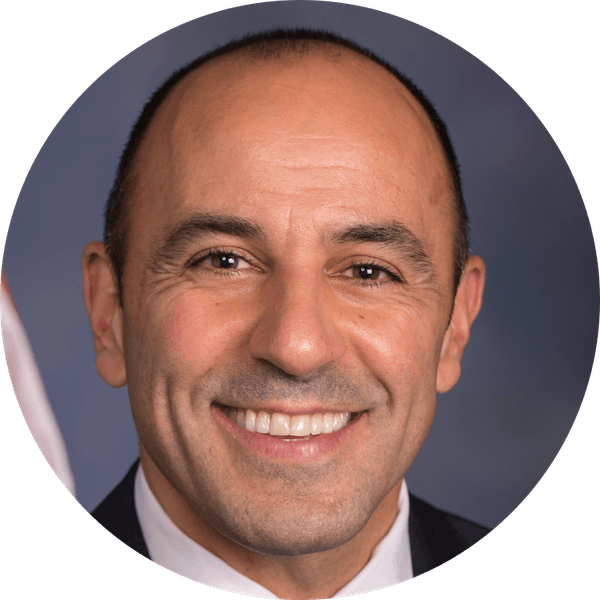
Eric Crawford
Republican · AR-1
Poor communities shouldn't have to raise half first
Why it matters
$57.5 million a year is on the line — but many high-poverty communities struggle to raise the 50% local match needed to compete for GusNIP grants. H.R. 7571 lets USDA waive that barrier in persistent-poverty areas and sets produce prescription grants as high as $2.5 million.
H.R. 7571 is built around one problem: the communities with the highest poverty often have the hardest time coming up with their share of grant money.
The bill lets USDA waive the usual 50% nonfederal match for projects in persistent-poverty counties and census tracts. The bill defines those areas as places where at least 20% of residents have lived in poverty over the previous 30 years.
That change matters because Gus Schumacher Nutrition Incentive Program grants help people buy more fruits and vegetables through SNAP-linked incentives. If a local nonprofit, clinic, or government partner cannot raise its share, the program may never reach your neighborhood even if the need is obvious.
H.R. 7571 also expands the produce prescription side of the program. Pilot grants would range from $100,000 to $400,000, while larger expansion grants would range from $1 million to $2.5 million.
To qualify for those larger expansion grants, projects would need at least 300 patients and would need to run for 12 months or longer. That pushes money toward programs large enough to test whether food-as-medicine efforts can work in real clinical settings, not just as short pilots.
The bill also tells USDA to study how produce prescription payments could shift to health insurance programs within 10 years. If that happens, these benefits could move beyond temporary grants and closer to routine healthcare coverage.
Bill Progress
Latest Action · Mar 20, 2026
Assigned to Subcommittee on Nutrition and Foreign Agriculture. for review
H.R. 7571 Bill Summary
What H.R. 7571 actually does.
High-poverty areas can get the match waived
USDA could waive the usual 50% nonfederal match for projects in persistent-poverty counties and census tracts, making it easier for those communities to compete for grants.
Produce prescription grants get set dollar ranges
Pilot grants would range from $100,000 to $400,000. Larger expansion grants would range from $1 million to $2.5 million.
Bigger clinical projects get clearer standards
Expansion grants would require at least 300 patients, a matched group or evidence the model can scale in clinical practice, and a duration of 12 months or longer.
Statewide SNAP incentive programs can scale up
The bill creates cooperative agreements for existing programs to expand statewide, with priority for projects that work across different retail settings, including independent stores and farmers markets.
Produce prescriptions could move toward insurance coverage
USDA would have 3 years to recommend how produce prescription payments could transition to health insurance programs within 10 years.
Who benefits from H.R. 7571?
Communities stuck in long-term poverty
Counties and census tracts with poverty rates of at least 20% over the previous 30 years could get the 50% match waived, removing a major barrier to applying.
Clinics and health centers testing food-as-medicine programs
They could compete for produce prescription grants ranging from $100,000 to $2.5 million, depending on whether they are piloting or expanding a program.
SNAP shoppers trying to afford more produce
If more local incentive projects get funded, you could see more programs that stretch SNAP dollars for fruits and vegetables at participating retailers.
Independent grocers and farmers markets
The bill says USDA should prioritize statewide projects that work in varied retail settings, including independent retailers and farmers markets.
Who is affected by H.R. 7571?
Local nonprofits and government partners seeking grants
Applicants in persistent-poverty areas could face a lower funding hurdle, while applicants elsewhere would generally still need to meet the usual cost-sharing rules.
Existing grantees looking to expand statewide
Only entities that previously received a grant under this part of the program could enter the new statewide cooperative agreements.
USDA and partner agencies
They would need to set up a review panel, manage new grant criteria, oversee multiyear cooperative agreements, and produce recommendations on shifting payments toward insurance.
Healthcare payers and Medicaid-focused policymakers
The bill does not move produce prescriptions into insurance right away, but it starts a formal process for recommending how that transition could happen within 10 years.
Cost & Funding
Authorization
H.R. 7571 would authorize $57.5 million a year for fiscal years 2027 through 2031, then $56 million a year starting in 2032.
- That is $287.5 million over the five years from 2027 through 2031 before the lower ongoing level begins.
- The bill says 50% of certain produce prescription funding would go to pilot grants and 50% to larger expansion grants.
- The bill also sets aside $12 million for each year from 2027 through 2031 for produce prescription-related funding under the amended program structure.
- USDA would use 80% of remaining funds for cooperative agreements that scale existing incentive programs.
HR7571 Legislative Journey
House: Committee Action
Mar 20, 2026
Referred to the Subcommittee on Nutrition and Foreign Agriculture.
House: Committee Action
Feb 13, 2026
Referred to the House Committee on Agriculture.
About the Sponsor
Eric Crawford
Republican, Arkansas's 1st congressional district · 15 years in Congress
Committees: House Permanent Select Committee on Intelligence, Transportation and Infrastructure, Agriculture
View full profile →
Cosponsors (1)
This bill has 1 cosponsor: 1 Republican. Cosponsors represent 1 state: Iowa.
Committee Sponsors

28 Republicans across this committee haven't cosponsored yet. Mobilize their constituents
H.R. 7571 Quick Facts

- Committee
- Agriculture
- Chamber
- House
- Policy
- Agriculture and Food
- Introduced
- Feb 13, 2026
Assigned to Subcommittee on Nutrition and Foreign Agriculture. for review
Mar 20, 2026
H.R. 7571 Common Questions
What does H.R. 7571 actually change?
It lets USDA waive the usual 50% local match for GusNIP projects in persistent-poverty areas, sets new produce prescription grant sizes, and extends annual program funding.
Who can get the 50% match waived?
Projects in persistent-poverty counties or census tracts could qualify. The bill uses a long-term poverty test: at least 20% poverty over the previous 30 years.
How much money would this bill put into GusNIP?
H.R. 7571 authorizes $57.5 million a year from 2027 through 2031, then $56 million a year starting in 2032.
How big are the produce prescription grants?
Pilot grants would run from $100,000 to $400,000. Expansion grants would run from $1 million to $2.5 million.
What does a project need to qualify for the bigger grants?
For the larger expansion grants, projects need at least 300 patients, a matched group or evidence they can scale in clinical practice, and a duration of 12 months or more.
Does H.R. 7571 move produce prescriptions into health insurance now?
No. It tells USDA and other agencies to study the transition and recommend how produce prescription payments could move into health insurance within 10 years.
Can brand-new groups run the statewide expansion agreements?
Not usually. The bill says the new statewide cooperative agreements are only for entities that already received a grant under this part of the program.
Would farmers markets and small grocers be included?
Potentially yes. The bill says USDA should prioritize statewide projects that work across different retail settings, including independent retailers and farmers markets.
Based on H.R. 7571 bill text
H.R. 7571 Bill Text
“To amend the Food, Conservation, and Energy Act of 2008 with respect to the Gus Schumacher Nutrition Incentive Program and the sustainability of such program, and for other purposes.”
Source: U.S. Government Publishing Office
Get notified when H.R. 7571 moves
Committee votes, floor action, cosponsor changes — straight to your inbox.
Bill alerts + Legisletter's monthly briefing. Unsubscribe anytime.
Agriculture and Food Bills
9 related bills we're tracking
SAFE Act of 2025





Referred to the Subcommittee on Livestock, Dairy, and Poultry.
Mar 28, 2025
Restoring Food Security for American Families and Farmers Act of 2025





Referred to the Subcommittee on Nutrition and Foreign Agriculture.
Jan 13, 2026
EATS Act of 2025



Referred to the House Committee on Agriculture.
Jul 29, 2025
Hot Foods Act of 2025



Referred to the Subcommittee on Nutrition and Foreign Agriculture.
Apr 18, 2025
Whole Milk for Healthy Kids Act of 2025




Placed on the Union Calendar, Calendar No. 111.
Jun 5, 2025
Keep SNAP and WIC Funded Act of 2025


Referred to the House Committee on Appropriations.
Nov 7, 2025
WIC Benefits Protection Act





Referred to the House Committee on Education and Workforce.
Oct 10, 2025
Food Secure Strikers Act of 2025




Referred to the Subcommittee on Nutrition and Foreign Agriculture.
Apr 18, 2025
Improving Access to Nutrition Act of 2026


Referred to the Subcommittee on Nutrition and Foreign Agriculture.
Mar 20, 2026
Trending Right Now
Bills gaining momentum across Congress
America’s Olympic and Paralympic Games Commemorative Coins Act





Referred to the House Committee on Financial Services.
Jul 14, 2025
Fit to Serve Act





Referred to the House Committee on Armed Services.
May 21, 2025
ASAP Act




Ordered to be Reported in the Nature of a Substitute by the Yeas and Nays: 40 - 0.
Sep 16, 2026
Tracking Agriculture and Food in Congress? Monitor bills, track cosponsor momentum, and launch advocacy campaigns — all from one advocacy platform.