H.R. 7136: Special Operator Protection Act of 2026
Sponsor

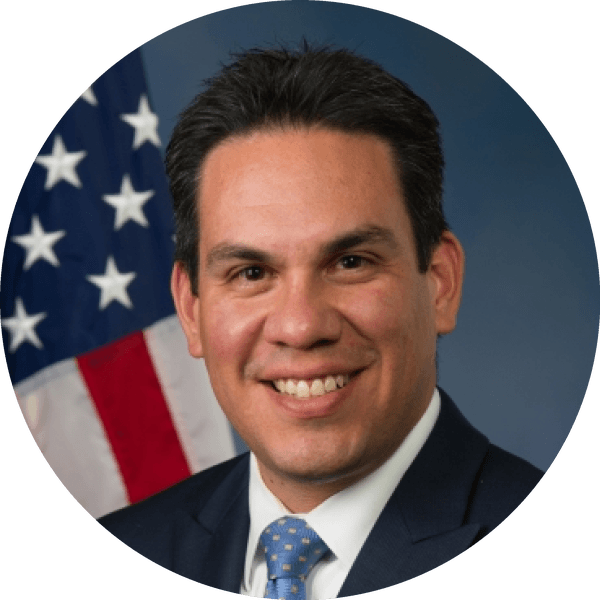
Richard Hudson
Republican · NC-9
Doxxing special operators could mean federal prison
Why it matters
Knowingly posting a special operator's home address, Social Security number, or a photo of their house — with intent to threaten or trigger violence — would become a federal crime under H.R. 7136. The penalty runs up to 5 years in prison, and jumps to any term of years or life if the disclosure leads to death or serious injury.
H.R. 7136 doesn't spend money or create a program. It writes a new crime into federal law and lets prosecutors enforce it.
Here's the mechanism: it becomes illegal to knowingly make a covered person's restricted personal information public if you intend to threaten or intimidate them, incite violence against them, or know the information will be used to do so. "Restricted personal information" is spelled out precisely — date of birth, Social Security number, home address, home and mobile phone numbers, personal email, home fax, biometric data, plus a photo of their face or their home when it's tied to their name and job.
The protection isn't limited to the operator. It also covers their immediate family, so posting a spouse's or child's information with the same intent counts too.
Get convicted and the baseline is a fine, up to 5 years in prison, or both. If the disclosure results in death or serious bodily injury, the ceiling rises to any term of years or life.
Bill Progress
Latest Action · Jan 16, 2026
Referred to the House Committee on the Judiciary.
H.R. 7136 Bill Summary
What H.R. 7136 actually does.
Doxxing an operator becomes a federal crime
The bill makes it a federal offense to knowingly publish a covered person's restricted personal information when you intend to threaten or intimidate them, incite violence, or know it will be used to facilitate a violent crime against them.
Up to 5 years in prison for a violation
The baseline penalty is a fine, imprisonment for up to 5 years, or both — applied when someone publishes the information with the required intent.
Life sentence if it leads to death or serious injury
If the disclosure results in death or serious bodily injury, the maximum penalty rises to a fine and imprisonment for any term of years or for life.
Family members get the same protection
The ban covers the immediate family of a covered person, not just the operator — so exposing a spouse's or child's restricted information with the same intent is also a crime.
Spells out exactly what data is off-limits
Restricted personal information includes date of birth, Social Security number, home address, home and mobile phone numbers, personal email, home fax, and biometric data — plus photos of the person's face or home when linked to their name and place of employment.
Covers more than uniformed special operators
Protected people also include designated Department of Defense employees and service members involved in sensitive activities, and federal law enforcement officers assigned to or working with special operations forces.
Who benefits from H.R. 7136?
Special operations forces members
Operators gain a federal criminal shield against having their home address, phone numbers, Social Security number, or biometric data exposed by someone trying to threaten them or set up an attack.
Operators' spouses and children
The bill explicitly protects the immediate family of a covered person, so a relative's personal details can't be weaponized against the operator without facing the same penalties.
DoD personnel in sensitive activities
Defense Department employees and service members the Secretary of Defense designates for sensitive activities would get the same protection as uniformed operators.
Federal agents working alongside special operators
Federal law enforcement officers assigned, attached to, or performing duty with special operations forces are also covered if their information is exposed.
Who is affected by H.R. 7136?
Anyone who posts the targeted information online
Knowingly publishing a covered person's restricted personal information with intent to threaten or enable violence could mean federal prosecution — up to 5 years in prison, or any term of years to life if death or serious injury results.
Platforms and forum users handling sensitive posts
Posts that name a covered person along with their home address, a photo of their house tied to their job, or their biometric data could draw federal scrutiny when the intent standard is met.
Journalists and researchers
The bill ties liability to intent to threaten or facilitate violence, but it includes no explicit press or research exception — a gap reporters covering the military may watch closely.
Federal prosecutors and the Department of Defense
Prosecutors would gain a new charge to bring in doxxing cases, while the Secretary of Defense decides which Defense personnel qualify as covered persons.
HR7136 Legislative Journey
House: Committee Action
Jan 16, 2026
Referred to the House Committee on the Judiciary.
About the Sponsor
Richard Hudson
Republican, North Carolina's 9th congressional district · 13 years in Congress
Committees: Energy and Commerce
View full profile →
Cosponsors (1)
This bill has 1 cosponsor: 1 Republican. Cosponsors represent 1 state: North Carolina.
Committee Sponsors
Judiciary Committee
0 of 44 committee members cosponsored
No committee members have cosponsored this bill
24 Republicans across this committee haven't cosponsored yet. Mobilize their constituents
H.R. 7136 Quick Facts

- Committee
- Judiciary
- Chamber
- House
- Policy
- Crime and Law Enforcement
- Introduced
- Jan 16, 2026
Referred to the House Committee on the Judiciary.
Jan 16, 2026
Official Sources
Official bill page with text, actions, sponsors, and status for the Special Operator Protection Act of 2026.
The existing Title 18 statute this bill builds on; H.R. 7136 borrows its definition of "immediate family" to extend protection to operators' relatives.
Defines the "sensitive activities" that determine which designated Defense Department personnel and service members count as covered persons under the bill.
Official Department of Defense site for U.S. Special Operations Command, the military community whose personnel are central to the bill.
Official DOJ resource on misuse of personal identifying information, relevant to the bill's restrictions on posting addresses, Social Security numbers, and other personal data.
H.R. 7136 Common Questions
What does H.R. 7136 actually make illegal?
It makes it a federal crime to knowingly post a special operator's private information — like their home address or Social Security number — when you intend to threaten them or enable violence against them.
How much prison time could you get for doxxing a special operator?
The baseline is a fine, up to 5 years in prison, or both. If the disclosure results in death or serious bodily injury, the penalty rises to any term of years or life imprisonment.
What personal information would be off-limits under H.R. 7136?
Date of birth, Social Security number, home address, home and mobile phone numbers, personal email, home fax, and biometric data — plus a photo of the person's face or home when it's tied to their name and job.
Does H.R. 7136 protect operators' families too?
Yes. The ban covers a covered person's immediate family, so posting a spouse's or child's restricted information with intent to threaten or enable violence is also a crime.
Do you have to intend harm, or is posting alone enough?
Intent matters. The crime requires knowingly making the information public with intent to threaten, intimidate, incite, or facilitate a violent crime — not simply posting the information.
Who counts as a 'special operator' under the bill?
Members of the special operations forces, certain Defense Department personnel designated for sensitive activities, and federal law enforcement officers assigned to or working with special operations forces.
Would posting a photo of a special operator's house be a crime?
It can be. A photo of the person's home or face counts as restricted information when it's linked to their name and place of employment, and posted with intent to threaten or enable violence.
What's the status of H.R. 7136?
It was introduced January 16, 2026 by Rep. Richard Hudson of North Carolina with one cosponsor, and referred to the House Judiciary Committee. It has not yet advanced.
Based on H.R. 7136 bill text
H.R. 7136 Bill Text
“To amend title 18, United States Code, to prohibit doxing of special operations personnel, and for other purposes.”
Source: U.S. Government Publishing Office
Get notified when H.R. 7136 moves
Committee votes, floor action, cosponsor changes — straight to your inbox.
Bill alerts + Legisletter's monthly briefing. Unsubscribe anytime.
Crime and Law Enforcement Bills
9 related bills we're tracking
Crime Victims Fund Stabilization Act of 2025





Received in the Senate and Read twice and referred to the Committee on the Judiciary.
Jan 13, 2026
Bipartisan Background Checks Act of 2025




Referred to the House Committee on the Judiciary.
Jun 10, 2025
Combating Organized Retail Crime Act of 2025





Received in the Senate and Read twice and referred to the Committee on the Judiciary.
May 13, 2026
Ethan's Law





Referred to the House Committee on the Judiciary.
Feb 25, 2025
Assault Weapons Ban of 2025



Referred to the House Committee on the Judiciary.
Apr 30, 2025
Constitutional Concealed Carry Reciprocity Act of 2025




Placed on the Union Calendar, Calendar No. 289.
Oct 3, 2025
Honoring Our Fallen Heroes Act of 2025



Referred to the House Committee on the Judiciary.
Feb 12, 2025
Raise the Age Act of 2025


Referred to the House Committee on the Judiciary.
Mar 26, 2025
Born-Alive Abortion Survivors Protection Act



Received in the Senate and Read twice and referred to the Committee on the Judiciary.
Jan 24, 2025
Trending Right Now
Bills gaining momentum across Congress
America’s Olympic and Paralympic Games Commemorative Coins Act





Referred to the House Committee on Financial Services.
Jul 14, 2025
Fit to Serve Act





Referred to the House Committee on Armed Services.
May 21, 2025
ASAP Act





Ordered to be Reported in the Nature of a Substitute by the Yeas and Nays: 40 - 0.
Sep 16, 2026
Tracking Crime and Law Enforcement in Congress? Monitor bills, track cosponsor momentum, and launch advocacy campaigns — all from one advocacy platform.