Mr. President, on July 4, 2025, Central Texas experienced a once-in-a-century flooding event that caused the waters of the Guadalupe River to rise a shocking 26 feet in just 45 minutes. Homes were washed away, trees were toppled, streets were swallowed up, and communities in central Texas were ravaged, bringing an entire State to our knees. The raging and merciless waters took the lives of 139 people, including 27 young girls who went to Camp Mystic in Kerr County. On that day, Heaven gained too many angels.
H.R. 7022: Mystic Alerts Act
Introduced Jan 12, 20264 cosponsors
Sponsor
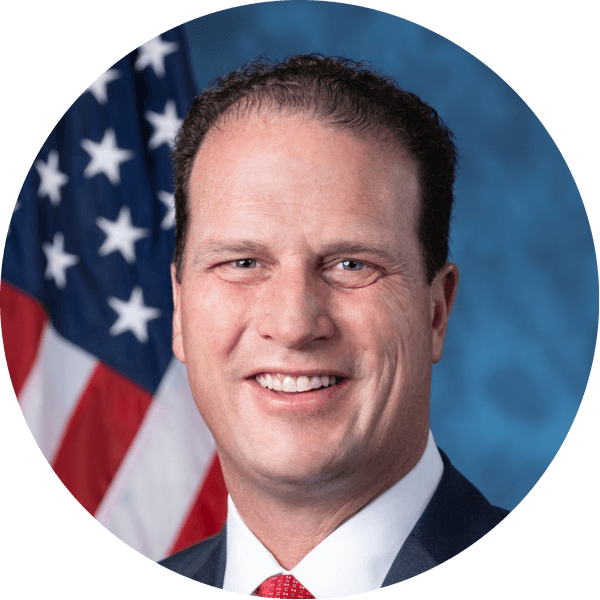
August Pfluger
Republican · TX-11
Emergency alerts shouldn't stop at the edge of coverage
4 min readLast updated November 12, 2026
Why it matters
36 months is the minimum wait after the FCC publishes its final rule before the new requirements take effect. Once they do, participating carriers must deliver satellite alerts to compatible devices without adding a separate alert fee.
The Mystic Alerts Act creates the first federal framework for sending emergency alerts through satellites to compatible mobile devices. The FCC must propose rules within 6 months of the law's October 22, 2026, enactment and finalize them within 18 months, working with Homeland Security and FEMA.
The law covers mobile carriers that already participate voluntarily in the federal emergency-alert system and make satellite voice and data service available to their subscribers. Each covered carrier must tell the FCC whether it will offer satellite alerts within 60 days after the rules take effect.
Participation remains voluntary. A carrier that joins must follow the FCC's technical requirements, honor existing alert opt-outs, and charge no separate or additional fee for the alert transmission or capability. A carrier that declines must notify new and existing subscribers.
The law does not make satellite alerts available immediately—or require every eligible carrier to provide them. The rules take effect on the later of two timelines: 36 months after publication of the final rule, or 12 months after Homeland Security and FEMA put the necessary alert-delivery standards in place and notify the FCC.
The FCC must account for what satellites can transmit and what phones can receive and display. Its rules also must minimize disruption to other voice and data traffic, including 9-1-1 communications.
Carriers that meet the law's requirements are generally protected from subscriber lawsuits over sending, missing, or failing to send a satellite alert. That protection also covers certain alert-related disclosures of subscriber information to government agencies and emergency responders.
Bill Progress
IntroducedJan 12
Committee
Pass HouseApr 20
Pass SenateSep 30
SignedOct 22
LawOct 22
Latest Action · Oct 22, 2026
1/4
Became Public Law No: 119-136.
H.R. 7022 Bill Summary
What H.R. 7022 actually does.
1
Satellite alerts get a federal roadmap
The FCC must develop requirements for transmitting emergency alerts by satellite to compatible mobile devices, in consultation with Homeland Security and FEMA.
2
Consumers face a multiyear rollout
The FCC must propose rules within 6 months and finalize them within 18 months. The final requirements take effect no sooner than 36 months after publication and may take longer if supporting federal standards are not ready.
3
Carriers choose whether to participate
Within 60 days after the requirements take effect, each covered carrier must tell the FCC whether it will transmit satellite alerts. Carriers that decline must notify new and existing subscribers.
4
Satellite alerts carry no separate fee
A participating carrier cannot add a separate or additional charge for transmitting satellite emergency alerts or providing that alert capability.
5
Your existing alert choice still applies
Participating carriers must prevent satellite delivery of alerts—or classes of alerts—that a subscriber has chosen not to receive.
6
9-1-1 traffic must be protected
The FCC's requirements must minimize the effect of satellite alerting on other voice and data communications, expressly including 9-1-1.
7
Compliant carriers receive liability protection
Covered carriers and their personnel, vendors, and agents generally cannot be held liable by users for sending or failing to send satellite alerts, or for specified alert-related information sharing with emergency authorities.
Who benefits from H.R. 7022?
People beyond reliable cell coverage
If you have a compatible device and your carrier participates, emergency warnings can reach you by satellite when terrestrial mobile service is unavailable.
Communities facing damaged communications networks
Residents and visitors in disaster areas gain another potential route for receiving urgent warnings when cell infrastructure is limited or out of service.
Subscribers using satellite-capable phones
Your carrier cannot impose a separate or additional charge specifically for satellite alert transmission or capability if it joins the program.
People who opt out of certain alerts
Your existing alert preferences carry over. A participating carrier must block satellite delivery of alerts you have chosen not to receive.
Who is affected by H.R. 7022?
Mobile carriers offering satellite service
Carriers that participate in the existing federal alert system and offer subscribers satellite voice and data service must file a participation decision with the FCC.
Carriers that opt into satellite alerts
Participating carriers must meet federal technical requirements, preserve subscriber opt-outs, avoid separate alert fees, and limit disruption to other communications.
Carriers that decline to participate
A covered carrier may decline satellite alerting, but it must notify new and existing subscribers. That decision alone does not create liability.
Subscribers whose information supports alert delivery
Information used to deliver an alert may be shared with specified government agencies, public safety officials, first responders, or emergency facilities, with covered carriers protected from liability for those disclosures.
FCC, Homeland Security, and FEMA
The agencies must build the regulatory and technical framework, coordinate implementation, and determine when the requirements can take effect.
On the Record
What Congress Is Saying
H.R. 7022 has come up 15 times in the Congressional Record so far.
Mr. President, we are about to go back to our States, to recess sometime tonight or tomorrow, and then to proceed to the general election. And there is an issue that hangs over the American people that concerns me, and I am sure concerns all of my colleagues, but on which we likely won't act before we adjourn. Senator Chuck Grassley of Iowa and I are the cosponsors of the AI Whistleblower Protection Act, and it is one of a dozen urgently needed and important bills that would inject some guardrails, protections, and accountability into the rapidly advancing technology of AI.

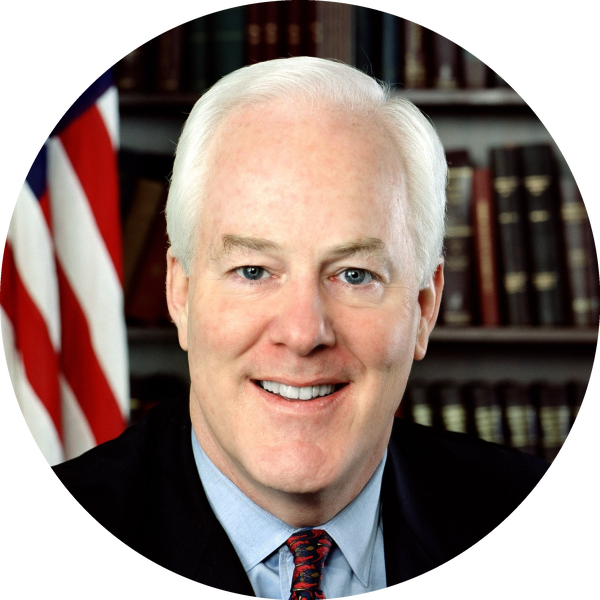
Mr. Speaker, I rise in support of this bill, H.R. 7022, the Mystic Alerts Act, led by Representative Pfluger. While we work to increase cell phone connectivity across the country, there are and may always be certain areas of this country that do not have access to that connectivity. That can be a problem in times of natural disasters or other emergencies. If you don't have a connection, you may not be able to receive a wireless emergency alert or other emergency notifications.
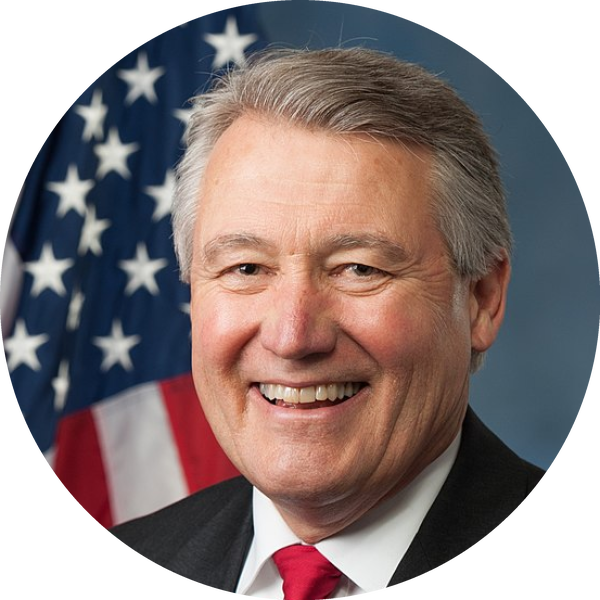
H.R. 7022 also appeared in 4 routine cosponsor filings.
HR7022 Legislative Journey
Signed into Law
Oct 22, 2026
Became Public Law No: 119-136.
+3 more actions this day
Action Taken
Oct 15, 2026
Presented to President.
Action Taken
Oct 14, 2026
Message on Senate action sent to the House.
Passed 5237-5238
Sep 30, 2026
Passed Senate without amendment by Unanimous Consent. (consideration: CR S5237-5238)
+3 more actions this day
Passed Committee
Sep 16, 2026
Committee on Commerce, Science, and Transportation. Ordered to be reported with an amendment in the nature of a substitute favorably.
Committee Action
Apr 21, 2026
Received in the Senate and Read twice and referred to the Committee on Commerce, Science, and Transportation.
House: Vote Held
Apr 20, 2026
On motion to suspend the rules and pass the bill, as amended Agreed to by voice vote. (text: CR H2970)
House: Committee Action
Apr 15, 2026
Reported (Amended) by the Committee on Energy and Commerce. H. Rept. 119-616.
House: Vote: 52-0
Mar 25, 2026
Ordered to be Reported (Amended) by the Yeas and Nays: 52 - 0.
House: Vote Held
Jan 15, 2026
Forwarded by Subcommittee to Full Committee by Voice Vote.
House: Committee Action
Jan 12, 2026
Referred to the Subcommittee on Communications and Technology.
About the Sponsor
August Pfluger
Republican, Texas's 11th congressional district · 5 years in Congress
Committees: Homeland Security, Energy and Commerce
View full profile →
Cosponsors at time of passage (4)
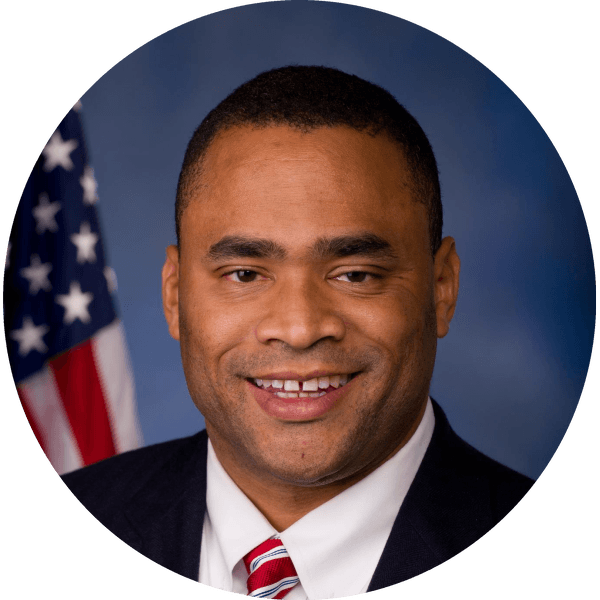
This bill has 4 cosponsors: 2 Democrats, 2 Republicans, reflecting bipartisan support. Cosponsors represent 3 states: Arkansas, Georgia, Texas.
2Democrats2Republicans·3 statesBipartisan
Committee Sponsors
Commerce, Science, and Transportation Committee
13D15R
|0 signed28 others0 of 28 committee members cosponsored at the time
No committee members have cosponsored this bill
Energy and Commerce Committee
24D30R
|3 signed51 others3 of 54 committee members cosponsored at the time


H.R. 7022 Quick Facts
Cosponsors
4


- Committee
- Commerce, Science, and Transportation
- Chamber
- House
- Policy
- Science, Technology, Communications
- Introduced
- Jan 12, 2026
Became Public Law No: 119-136.
Oct 22, 2026
Official Sources
H.R. 7022 on Congress.gov
The official congressional page provides the bill text, legislative actions, sponsor information, and status of the Mystic Alerts Act.
FCC Wireless Emergency Alerts
The FCC explains how Wireless Emergency Alerts work, which alerts are delivered, and how compatible mobile devices receive them.
FEMA Wireless Emergency Alerts
FEMA describes the Wireless Emergency Alerts pathway that the bill would extend to participating satellite-capable mobile services.
FEMA Integrated Public Alert and Warning System
FEMA's IPAWS program distributes authenticated emergency information from alerting authorities to communications systems and the public.
FCC Supplemental Coverage from Space
The FCC's Supplemental Coverage from Space framework addresses satellite connectivity provided directly through terrestrial mobile networks and devices.
Electronic Code of Federal Regulations: Wireless Emergency Alerts
Title 47, Part 10 contains the FCC regulations governing participating commercial mobile service providers and Wireless Emergency Alerts.
FCC 911 and E911 Services
The FCC explains 911 and enhanced 911 services, communications that the bill directs satellite-alert regulations to protect from disruption.
Warning, Alert, and Response Network Act
Public Law 109-347 contains the Warning, Alert, and Response Network Act provisions referenced by the bill for carrier participation, notices, and subscriber opt-outs.
Ready.gov Emergency Alerts
The federal preparedness portal explains common emergency-alert channels available to the public, including Wireless Emergency Alerts.
About Legisletter
Legisletter is the advocacy platform that tracks every bill from introduction to Public Law — and connects the constituents affected by a bill to the legislators who vote on it.
H.R. 7022 Common Questions
Will my phone receive emergency alerts by satellite?
Only if your device can receive them, your carrier offers satellite voice and data service, and the carrier opts into the new alert system. The law does not make every phone or carrier eligible.
When will satellite emergency alerts become available?
Not immediately. The FCC must propose rules within 6 months and finalize them within 18 months. The requirements take effect at least 36 months after the final rule is published and may be delayed by the federal standards timeline.
Does every mobile carrier have to offer satellite alerts?
No. Eligible carriers choose whether to participate. A carrier that declines must notify new and existing subscribers, and its decision not to participate does not by itself create liability.
Can my carrier charge extra for satellite emergency alerts?
No separate or additional alert fee is allowed. This protection applies to carriers that participate and covers the satellite alert transmission or capability, not necessarily the carrier's broader satellite service plan.
Can I opt out of satellite emergency alerts?
Yes. Your carrier must carry over your existing choice to opt out of emergency alerts or particular alert categories and prevent those alerts from reaching your device by satellite.
Will satellite alerts interfere with 911 calls?
The FCC must design its requirements to minimize effects on other voice and data communications, including 9-1-1. The law requires that protection but does not promise that interference can never occur.
Can I sue if a satellite emergency alert fails?
Generally not if the covered carrier met its obligations. The law shields carriers and their personnel, vendors, and agents from subscriber claims tied to sending, missing, or failing to send a satellite alert.
Can carriers share my information to deliver an alert?
The law protects carriers from liability for sharing subscriber information used in alert delivery with specified government agencies, public safety officials, first responders, and emergency facilities.
Based on H.R. 7022 bill text
H.R. 7022 Bill Text
“To provide for the transmission of emergency alerts by satellite, and for other purposes.”
Source: U.S. Government Publishing Office
Bill Alerts
Get notified when H.R. 7022 moves
Committee votes, floor action, cosponsor changes — straight to your inbox.
Bill alerts + Legisletter's monthly briefing. Unsubscribe anytime.
Science, Technology, Communications Bills
9 related bills we're tracking
H.R. 979
AM Radio for Every Vehicle Act of 2025

Gus BilirakisR-FL

+313
317 cosponsors
Received in the Senate. Read twice. Placed on Senate Legislative Calendar under General Orders. Calendar No. 622.
Sep 16, 2026
HouseScience, Technology, Communications
H.R. 1106
Scientific Integrity Act
Paul TonkoD-NY


+136
140 cosponsors
Referred to the House Committee on Science, Space, and Technology.
Feb 6, 2025
HouseScience, Technology, Communications
S. 1748
Kids Online Safety Act

Marsha BlackburnR-TN



+72
76 cosponsors
Committee on Commerce, Science, and Transportation. Ordered to be reported with an amendment in the nature of a substitute favorably.
Aug 5, 2026
SenateScience, Technology, Communications
H.R. 139
Sunshine Protection Act of 2025

Vern BuchananR-FL

+31
35 cosponsors
Received in the Senate and Read twice and referred to the Committee on Commerce, Science, and Transportation.
Jul 15, 2026
HouseScience, Technology, Communications
H.R. 8031
GUARDRAILS Act
Donald BeyerD-VA




+31
35 cosponsors
Referred to the Committee on Energy and Commerce, and in addition to the Committee on the Judiciary, for a period to be subsequently determined by the Speaker, in each case for consideration of such provisions as fall within the jurisdiction of the committee concerned.
Mar 20, 2026
HouseScience, Technology, Communications
H.R. 6356
Artificial Intelligence Civil Rights Act of 2025

Yvette ClarkeD-NY




+25
29 cosponsors
Referred to the Committee on Energy and Commerce, and in addition to the Committee on Oversight and Government Reform, for a period to be subsequently determined by the Speaker, in each case for consideration of such provisions as fall within the jurisdiction of the committee concerned.
Dec 2, 2025
HouseScience, Technology, Communications
S. 146
TAKE IT DOWN Act

Ted CruzR-TX


+17
21 cosponsors
Became Public Law No: 119-12.
May 19, 2025
SenateScience, Technology, Communications
S. 3557
States' Right to Regulate AI Act
Edward MarkeyD-MA




+6
10 cosponsors
Read twice and referred to the Committee on Commerce, Science, and Transportation.
Dec 17, 2025
SenateScience, Technology, Communications
H.R. 390
ACERO Act

Vince FongR-CA

+3
7 cosponsors
Received in the Senate and Read twice and referred to the Committee on Commerce, Science, and Transportation.
Feb 24, 2026
HouseScience, Technology, Communications
Trending Right Now
Bills gaining momentum across Congress
H.R. 1502Surging+40
North Platte Canteen Congressional Gold Medal Act

Adrian SmithR-NE


+291
295 cosponsors
+40 this monthReferred to the House Committee on Financial Services.
Feb 21, 2025
HouseArmed Forces and National Security
H.R. 3277Surging+13
Ensuring Lasting Smiles Act
Neal DunnR-FL



+220
224 cosponsors
+13 this monthReferred to the Committee on Energy and Commerce, and in addition to the Committees on Education and Workforce, and Ways and Means, for a period to be subsequently determined by the Speaker, in each case for consideration of such provisions as fall within the jurisdiction of the committee concerned.
May 8, 2025
HouseHealth
H.R. 6130Gaining+9
ASAP Act
Vern BuchananR-FL


+235
239 cosponsors
+9 this monthOrdered to be Reported in the Nature of a Substitute by the Yeas and Nays: 40 - 0.
Sep 16, 2026
HouseHealth
Tracking Science, Technology, Communications in Congress? Monitor bills, track cosponsor momentum, and launch advocacy campaigns — all from one advocacy platform.