H.R. 4464: Preventive Health Savings Act
Sponsor
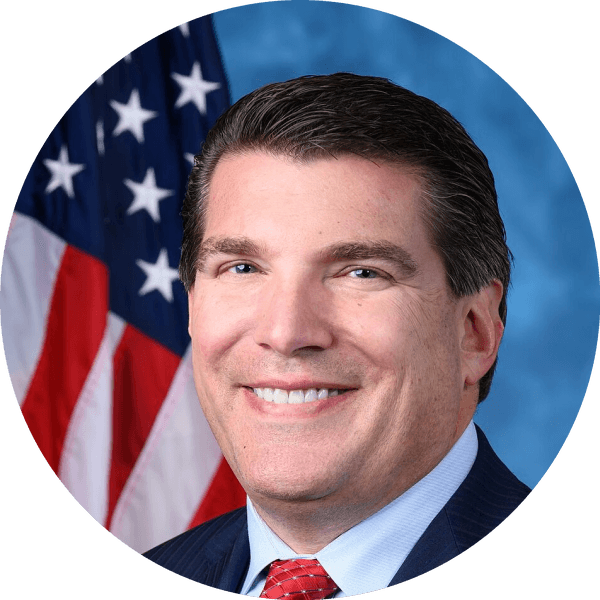
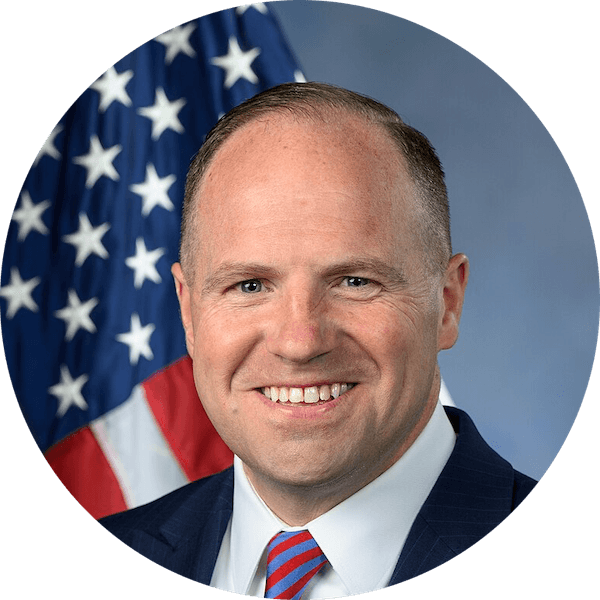
Jay Obernolte
Republican · CA-23
Preventive care deserves a 30-year budget look
Why it matters
A 20-year window beginning 10 fiscal years in the future could reveal savings that Congress’s shorter budget analyses miss. H.R. 4464 would require CBO to examine that longer horizon when specified committee leaders request it, while keeping the results outside formal budget enforcement.
H.R. 4464 would create a special process for examining whether proposed preventive health legislation could reduce federal spending over the long term. The review would cover two consecutive 10-year periods beginning 10 fiscal years after the current fiscal year.
Lawmakers could see a prevention proposal’s possible savings across a 20-year window that reaches roughly three decades into the future. If CBO finds net reductions in federal outlays, it would estimate those reductions, describe them, and explain the evidence behind its conclusion. CBO could project savings across some or all of the window.
The request could not come from one lawmaker acting alone. In either chamber, it would require the chair and ranking member of the Budget Committee plus the chair and ranking member of the committee responsible for the proposal.
A proposal would need credible, publicly available evidence supporting its preventive effects. The bill recognizes epidemiological models, clinical trials, human observational studies, longitudinal studies, and meta-analyses as potential evidence.
The long-range estimate would provide context, not budget credit: Congress could not use it to satisfy spending rules or other budget controls. H.R. 4464 would not fund preventive care or guarantee that a proposal saves money. It would change the information CBO supplies when the required committee leaders ask for an analysis.
What to watch
H.R. 4464 has cleared the House and is now before the Senate Budget Committee. The next questions are whether the committee takes it up and whether the Senate changes the request process or the rule barring these projections from formal budget enforcement. Even if the bill becomes law, its practical reach would depend on four committee leaders agreeing to request an analysis. Watch whether lawmakers use the resulting estimates to shape preventive-health legislation despite being unable to count the projected savings toward budget compliance.
Bill Progress
Latest Action · Nov 19, 2026
Passed the House, received in Senate
How the House voted
Passed · November 19, 2026On Motion to Suspend the Rules and Pass: H R 4464 Preventive Health Savings Act · Roll no. 327 · Official record
H.R. 4464 Bill Summary
What H.R. 4464 actually does.
Prevention proposals get a longer financial view
CBO would examine whether a proposed preventive health policy could produce net reductions in federal outlays during a 20-year period beginning 10 fiscal years after the current fiscal year.
Four committee leaders must request the review
In either the House or Senate, the request would require the chair and ranking member of the Budget Committee and the chair and ranking member of the committee responsible for the proposal.
Projected savings must come with an explanation
When CBO finds net reductions, it would estimate and describe them and explain the basis for its conclusion. Its projections could cover some or all of the long-range window.
Public evidence must support the health claim
Qualifying interventions would need credible, publicly available support, such as epidemiological models, clinical trials, human observational studies, longitudinal studies, or meta-analyses.
Long-term savings do not change budget compliance
The new estimates would be supplementary. Lawmakers could consider them when debating policy, but they could not use them to satisfy congressional budget rules or other enforcement controls.
Who benefits from H.R. 4464?
People affected by long-term preventive health policy
Patients and communities could have the later financial effects of disease prevention, disability reduction, and efforts to prevent premature death presented to lawmakers rather than left beyond the analysis window.
Lawmakers weighing prevention proposals
Four specified committee leaders in either chamber could request a CBO review covering 20 years of possible savings beginning 10 fiscal years in the future.
Evidence-backed prevention programs
Programs supported by public clinical research, observational data, longitudinal studies, epidemiological models, or meta-analyses could receive a federal analysis of their potential long-term savings.
Taxpayers and federal budget planners
They could gain more information about whether an upfront federal investment might reduce later outlays, though the analysis would not guarantee savings or alter budget enforcement.
Who is affected by H.R. 4464?
Congressional Budget Office
CBO would take on long-range reviews when the required leaders request them. If it identifies net reductions, it would estimate the savings and explain its reasoning.
House and Senate committee leaders
The relevant chair and ranking members would need to coordinate in groups of four before CBO became responsible for conducting the special analysis.
Sponsors of preventive health bills
Sponsors could point to a separate CBO estimate of possible long-term savings, but they could not count those projections toward compliance with congressional budget controls.
Congressional budget scorekeepers
They would have to keep the new long-range projections separate from the calculations used to enforce federal budget rules.
What Congress Is Saying
H.R. 4464 has come up 25 times in the Congressional Record so far.
H.R. 4464 also appeared in 1 more House floor reference and 17 routine cosponsor filings.
HR4464 Legislative Journey
House: Vote: 401-0
Nov 19, 2026
On motion to suspend the rules and pass the bill Agreed to by the Yeas and Nays: (2/3 required): 401 - 0 (Roll no. 327).
House: Vote Held
Nov 18, 2026
At the conclusion of debate, the Yeas and Nays were demanded and ordered. Pursuant to the provisions of clause 8, rule XX, the Chair announced that further proceedings on the motion would be postponed.
House: Committee Action
Nov 17, 2026
Reported by the Committee on Budget. H. Rept. 119-882.
House: Vote: 29-0
Sep 16, 2026
Ordered to be Reported by the Yeas and Nays: 29 - 0.
House: Committee Action
Jul 16, 2025
Referred to the House Committee on the Budget.
About the Sponsor
Jay Obernolte
Republican, California's 23rd congressional district · 5 years in Congress
Committees: Science, Space, and Technology, the Budget, Energy and Commerce
View full profile →
Cosponsors (25)
This bill has 25 cosponsors: 8 Democrats, 17 Republicans, reflecting bipartisan support. Cosponsors represent 18 states: California, Colorado, Florida, and 15 more.

Diana DeGette
Democrat · CO

Scott Peters
Democrat · CA
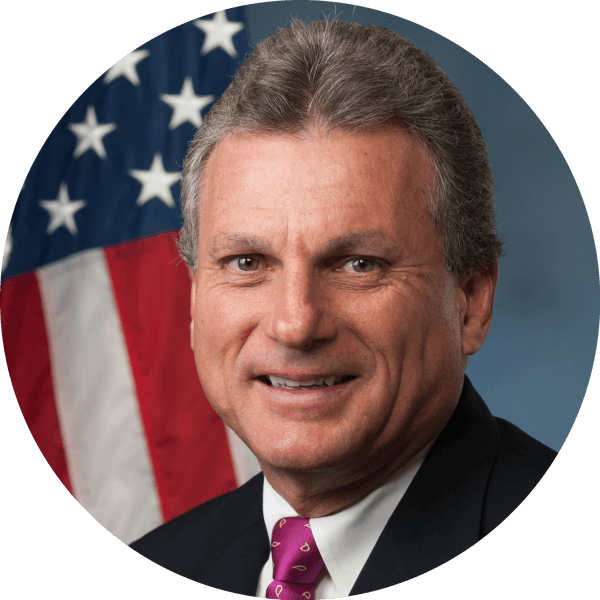
Earl Carter
Republican · GA
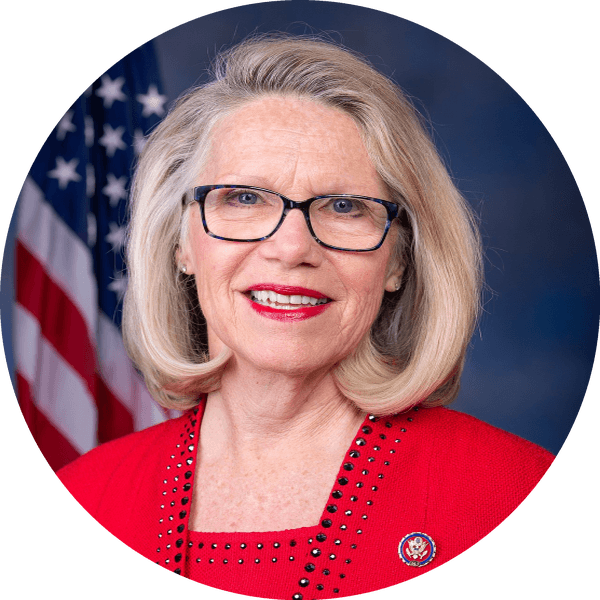
Carol Miller
Republican · WV

Gregory Murphy
Republican · NC
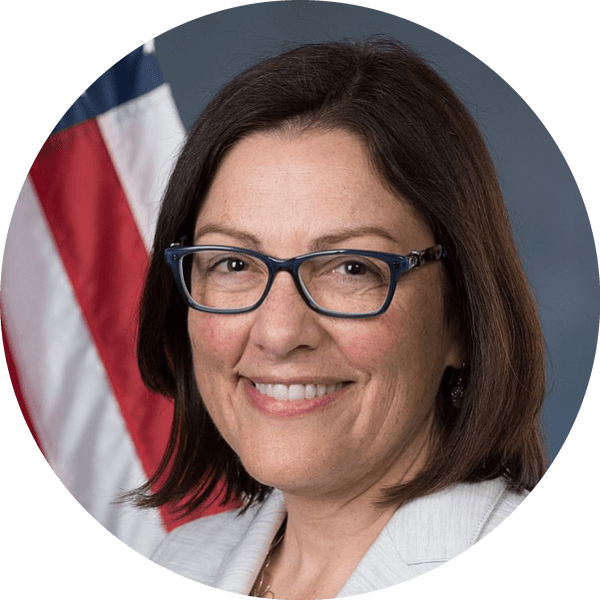
Suzan DelBene
Democrat · WA
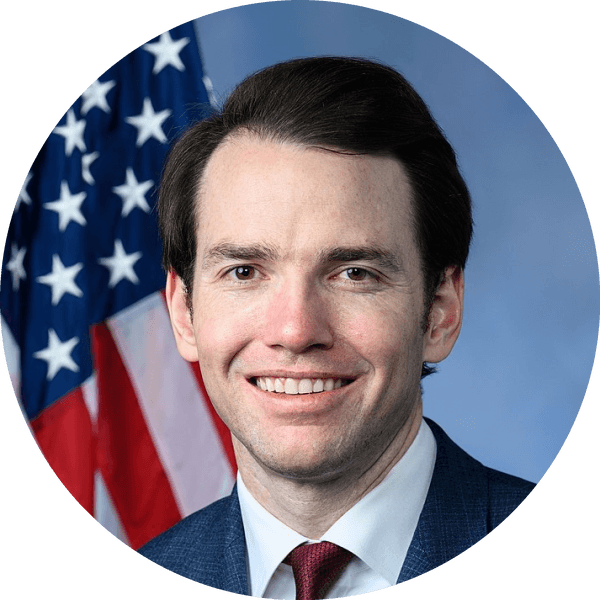
Kevin Kiley
Republican · CA
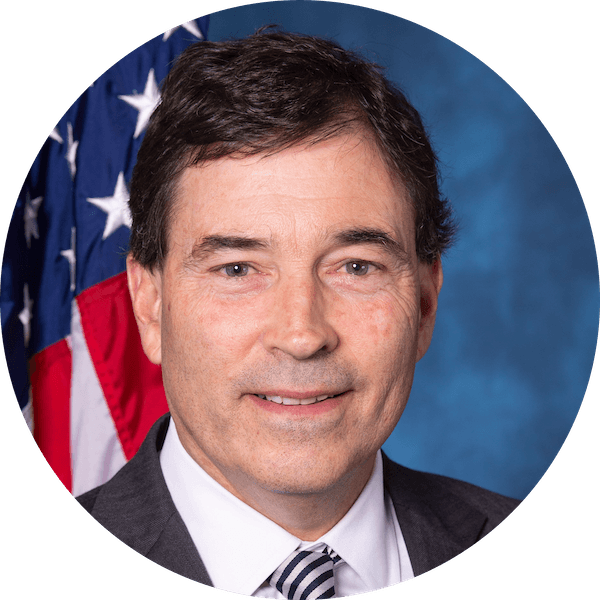
Troy Balderson
Republican · OH
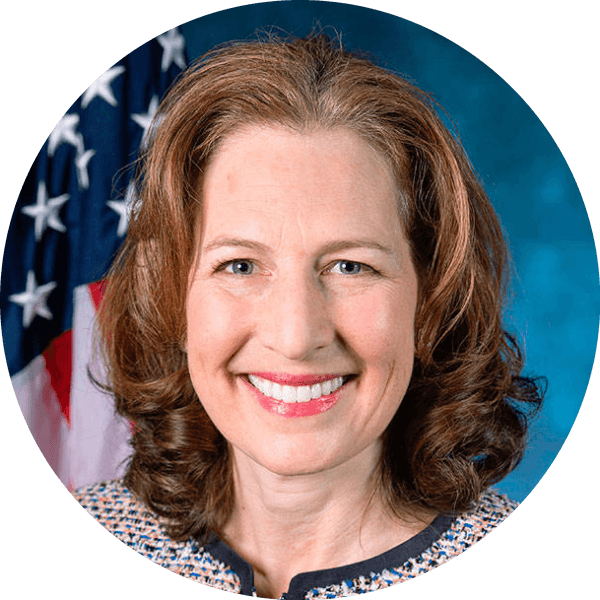
Kim Schrier
Democrat · WA

Blake Moore
Republican · UT

Vern Buchanan
Republican · FL
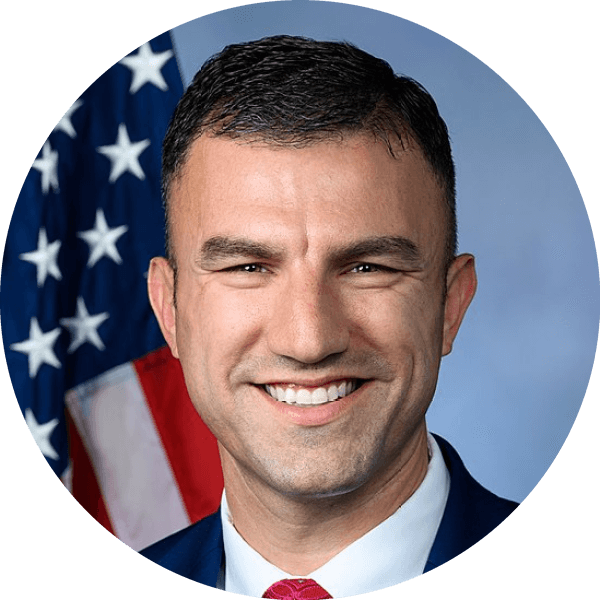
Rudy Yakym
Republican · IN
Committee Sponsors
Budget Committee
0 of 21 committee members cosponsored
No committee members have cosponsored this bill
Budget Committee
9 of 37 committee members cosponsored


24 Republicans across these committees haven't cosponsored yet. Mobilize their constituents
What laws does H.R. 4464 change?
1 changes
Sections Amended
Section 202 of Congressional Budget and Impoundment Control Act of 1974 (2 U.S.C. 602)
adding at the end the following: ``(h) Scoring of Preventive Health Savings
H.R. 4464 Quick Facts
- Committee
- Budget
- Chamber
- House
- Policy
- Economics and Public Finance
- Introduced
- Jul 16, 2025
Passed the House, received in Senate
Nov 19, 2026
Official Sources
The official bill page provides the legislation's text, actions, sponsors, committees, and legislative status.
The House committee report explains the purpose, background, and legislative consideration of the Preventive Health Savings Act.
GovInfo provides the official reported House text of H.R. 4464, including the proposed amendment to the Congressional Budget Act.
The Congressional Budget Office explains and publishes the cost estimates it prepares for legislation considered by Congress.
CBO's official overview describes its nonpartisan role in providing budgetary and economic analysis to Congress.
The bill permits the House Budget Committee's chair and ranking member to join in requesting a long-range preventive-health analysis.
The bill permits the Senate Budget Committee's chair and ranking member to join in requesting the proposed CBO analysis.
This federal resource identifies evidence-based preventive-care objectives relevant to the bill's focus on preventing disease, disability, and premature death.
ClinicalTrials.gov is the federal clinical-study registry and results database, relevant because the bill identifies clinical trials as potential evidence for preventive-health effects.
H.R. 4464 Common Questions
What would H.R. 4464 do?
H.R. 4464 would create a process for CBO to examine whether proposed preventive health legislation could reduce federal spending over a longer period than Congress usually considers.
How far ahead would CBO examine preventive health savings?
CBO would examine two consecutive 10-year periods beginning 10 fiscal years after the current fiscal year. That is a 20-year analysis window reaching roughly 30 years ahead.
Would long-term prevention savings change a bill’s official budget score?
No. The estimate would be supplementary and could not be used to satisfy congressional budget rules or other budget enforcement controls.
Who could request a long-range CBO analysis?
Four leaders in one chamber would have to request it together: the Budget Committee’s chair and ranking member and the chair and ranking member of the committee responsible for the proposal.
What counts as preventive health care under H.R. 4464?
It would include evidence-based actions intended to protect or maintain health and wellness or prevent disease, disability, and premature death for individuals, defined populations, or the public.
What evidence could support a preventive health savings estimate?
The evidence would have to be credible and publicly available. It could include epidemiological models, clinical trials, human observational studies, longitudinal studies, or meta-analyses.
Does H.R. 4464 fund preventive health programs?
No. The bill would change how CBO analyzes certain proposals; it would not fund a program, create a health benefit, or guarantee that preventive care produces federal savings.
Based on H.R. 4464 bill text
H.R. 4464 Bill Text
“To amend the Congressional Budget Act of 1974 respecting the scoring of preventive health savings.”
Source: U.S. Government Publishing Office
Get notified when H.R. 4464 moves
Committee votes, floor action, cosponsor changes — straight to your inbox.
Bill alerts + Legisletter's monthly briefing. Unsubscribe anytime.
Economics and Public Finance Bills
9 related bills we're tracking
Department of Homeland Security Appropriations Act, 2026


Referred to the Committee on Appropriations, and in addition to the Committee on the Budget, for a period to be subsequently determined by the Speaker, in each case for consideration of such provisions as fall within the jurisdiction of the committee concerned.
Feb 11, 2026
Incentivize Savings Act

Ordered to be Reported (Amended) by the Yeas and Nays: 25 - 19.
Feb 4, 2026
Inflation Reduction Act of 2025


Referred to the Committee on Ways and Means, and in addition to the Committees on Energy and Commerce, Agriculture, Natural Resources, Financial Services, Science, Space, and Technology, Transportation and Infrastructure, and Oversight and Government Reform, for a period to be subsequently determined by the Speaker, in each case for consideration of such provisions as fall within the jurisdiction of the committee concerned.
Jan 3, 2025
Continuing Appropriations and Extensions Act, 2027

Became Public Law No: 119-103.
Sep 2, 2026
An act to provide for reconciliation pursuant to title II of H. Con. Res. 14.
Became Public Law No: 119-21.
Jul 4, 2025
Department of Defense Appropriations Act, 2026

Motion to proceed to consideration of measure made in Senate. (CR S8522)
Dec 8, 2025
Energy and Water Development and Related Agencies Appropriations Act, 2026
Read the second time. Placed on Senate Legislative Calendar under General Orders. Calendar No. 156.
Sep 10, 2025
Departments of Labor, Health and Human Services, and Education, and Related Agencies Appropriations Act, 2026

Placed on the Union Calendar, Calendar No. 227.
Sep 11, 2025
Continuing Appropriations, Agriculture, Legislative Branch, Military Construction and Veterans Affairs, and Extensions Act, 2026
Became Public Law No: 119-37.
Nov 12, 2025
Trending Right Now
Bills gaining momentum across Congress
North Platte Canteen Congressional Gold Medal Act

Referred to the House Committee on Financial Services.
Feb 21, 2025
Major Richard Star Act


Received in the Senate and Read twice and referred to the Committee on Armed Services.
Nov 12, 2026
ASAP Act

Ordered to be Reported in the Nature of a Substitute by the Yeas and Nays: 40 - 0.
Sep 16, 2026
Tracking Economics and Public Finance in Congress? Monitor bills, track cosponsor momentum, and launch advocacy campaigns — all from one advocacy platform.