H.R. 3747: AADAPT Act
Sponsor
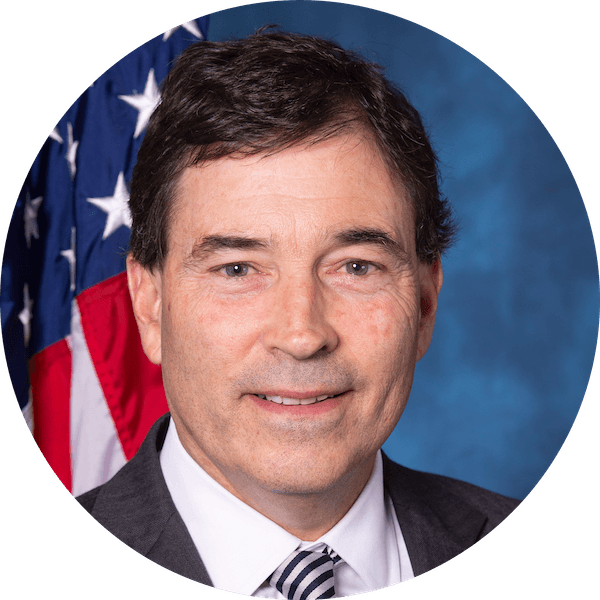
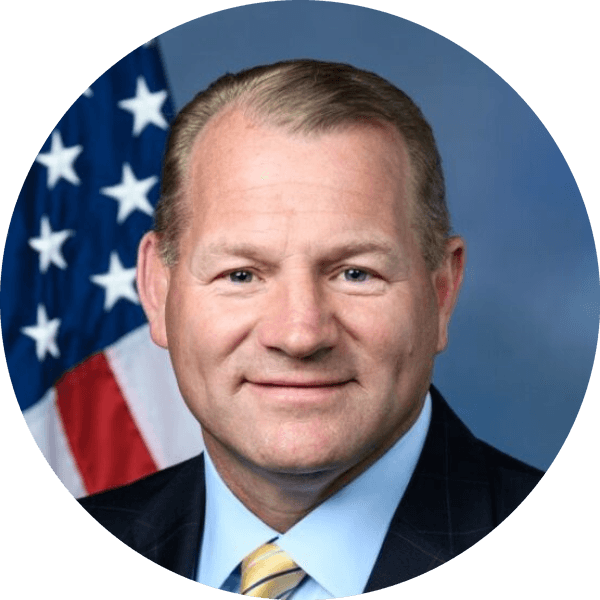
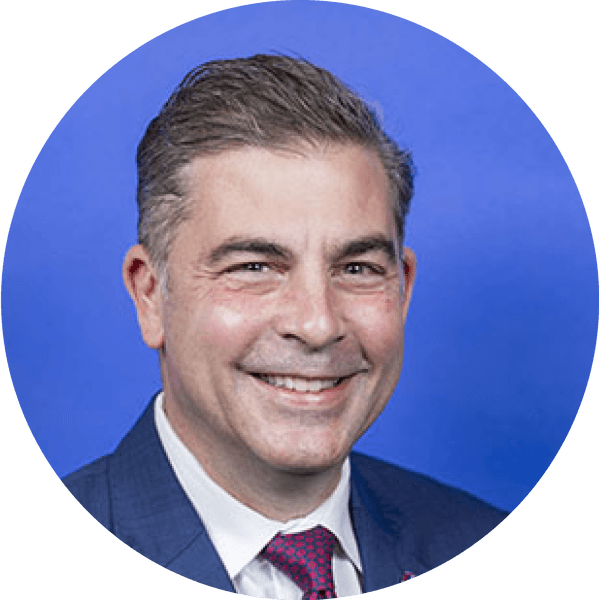
Troy Balderson
Republican · OH-12
Bill Progress
Latest Action · May 21, 2026
Committee approved bill for floor consideration by the Yeas and Nays: 48 - 0.
Dementia care shouldn't depend on your zip code
Why it matters
For families far from a memory clinic, an early dementia diagnosis often comes down to whether their regular doctor recognizes the signs. H.R. 3747 would carve out a dedicated $1 million a year, starting in 2027, to train primary care clinicians in rural, tribal, and underserved communities to catch Alzheimer's and related dementias sooner — and HHS would have one year to get the first grants out the door.
H.R. 3747, the AADAPT Act, builds on a program called Project ECHO, which connects frontline clinicians with specialists through video-based case sessions — essentially on-the-job coaching for doctors who don't have an expert down the hall. The bill creates a new grant track inside that program aimed squarely at dementia.
Within one year of becoming law, HHS would have to award at least one grant to a public or nonprofit organization that can run this kind of training. The money is meant to help primary care clinicians get better at the early, accurate diagnosis of Alzheimer's and related dementias.
Who it's built for is deliberately specific: doctors, nurses, and other primary care professionals working in rural areas, frontier areas, health professional shortage areas, and other underserved communities, including those serving Native Americans. These are the places where a dementia specialist is often hours away, if there's one at all.
The bill also asks for proof it's working. Applicants have to spell out how they'll track the effect on patients and providers, grant recipients report to a federal Alzheimer's advisory council, and HHS has to publish an updated progress report within four years. Dementia-track grantees also have to show the federal money adds to their budgets rather than replacing what they already spend.
On funding, the bill keeps the broader Project ECHO program authorized at $10 million a year through 2032 and adds a separate $1 million a year for the dementia track from 2027 through 2032 — about $6 million over six years if Congress actually appropriates it all.
H.R. 3747 Bill Summary
What H.R. 3747 actually does.
Dementia training gets its own funding lane
H.R. 3747 authorizes $1 million a year from 2027 through 2032 for grants focused specifically on Alzheimer's disease and related dementias, instead of leaving that work entirely inside the general Project ECHO program.
Frontline clinicians get specialist-style backup
The grants expand technology-enabled learning models that coach primary care professionals through real cases, with the goal of earlier, more accurate dementia diagnosis, better care, and stronger provider retention.
Rural and underserved communities are the target
The training is aimed at primary care professionals serving rural areas, frontier areas, health professional shortage areas, medically underserved areas, medically underserved populations, and Native Americans.
HHS has one year to start awarding grants
The department would have to award one or more dementia-focused grants within one year of enactment, putting a firm start-up clock on the program.
Only public and nonprofit groups can run the new track
For the dementia-specific grants, eligibility is limited to public entities and nonprofit private organizations that lead or can lead these learning models.
Results must be measured and reported
Applicants must include plans to assess the effect on patients and providers. Grantees report to the Advisory Council on Alzheimer's Research, Care, and Services, and HHS must publish an updated report within four years.
Who benefits from H.R. 3747?
Families who rely on primary care for answers
If you live far from a specialist, your first dementia concerns may land in a regular clinic visit. The bill is built to help local primary care clinicians recognize Alzheimer's and related dementias sooner.
Primary care clinicians in shortage areas
Doctors, nurse practitioners, physician assistants, and other licensed primary care professionals in rural, frontier, and medically underserved communities could get ongoing mentoring instead of handling complex dementia cases alone.
Native American communities
The bill specifically includes clinicians serving Native Americans, and folds Indian Tribes, Tribal organizations, and urban Indian organizations into the broader eligible-entity framework.
Public and nonprofit training organizations
Groups that can run dementia-focused Project ECHO models get a dedicated federal grant opportunity, with awards required within one year if the bill becomes law.
Who is affected by H.R. 3747?
HHS
The department would need to stand up the dementia grant track, review applications, award grants within one year, and publish an updated report within four years.
Grant applicants
Organizations applying for the dementia-specific grants would have to show how they'll measure the effect on patients and providers, and certify that federal money adds to other funding rather than replacing it.
The Advisory Council on Alzheimer's Research, Care, and Services
The council would receive reports from dementia-track grantees, giving it a clearer role in reviewing what the program produces.
Communities outside the program's scope
The bill targets primary care in rural, tribal, and other underserved settings. It does not create a direct patient benefit, new treatment coverage, or a nationwide specialist expansion.
Cost & Funding
Authorization
H.R. 3747 authorizes $10 million a year for the broader Project ECHO program through 2032, plus $1 million a year for dementia-specific grants from 2027 through 2032.
- The dementia-specific track totals about $6 million over six fiscal years if Congress appropriates the full authorized amount.
- The broader Project ECHO authorization stays much larger: $10 million each year through 2032.
- The bill authorizes appropriations; it does not itself guarantee the spending.
- Dementia-track applicants must certify that federal funds supplement existing funding rather than replace it.
HR3747 Legislative Journey
House: Vote: 48-0
May 21, 2026
Ordered to be Reported by the Yeas and Nays: 48 - 0.
House: Vote Held
May 13, 2026
Forwarded by Subcommittee to Full Committee (Amended) by Voice Vote.
House: Committee Action
Jun 5, 2025
Referred to the Subcommittee on Health.
About the Sponsor
Troy Balderson
Republican, Ohio's 12th congressional district · 8 years in Congress
Committees: Energy and Commerce
View full profile →
Cosponsors (82)
This bill has 82 cosponsors: 61 Democrats, 21 Republicans, reflecting bipartisan support. Cosponsors represent 33 states: Alabama, Arizona, California, and 30 more.
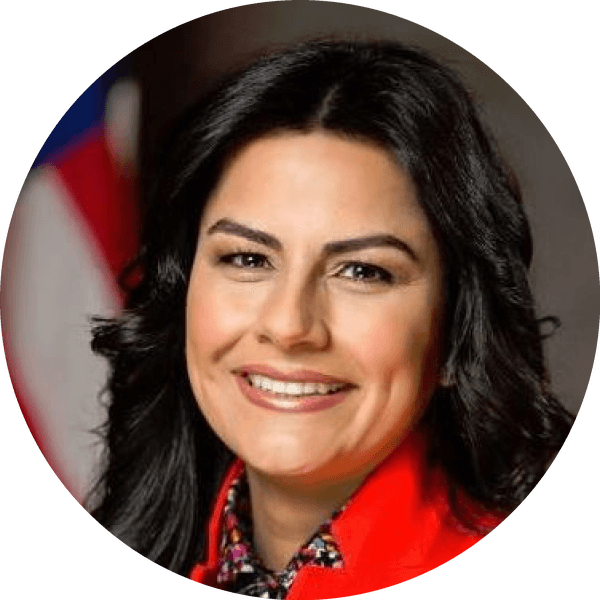
Nanette Barragán
Democrat · CA
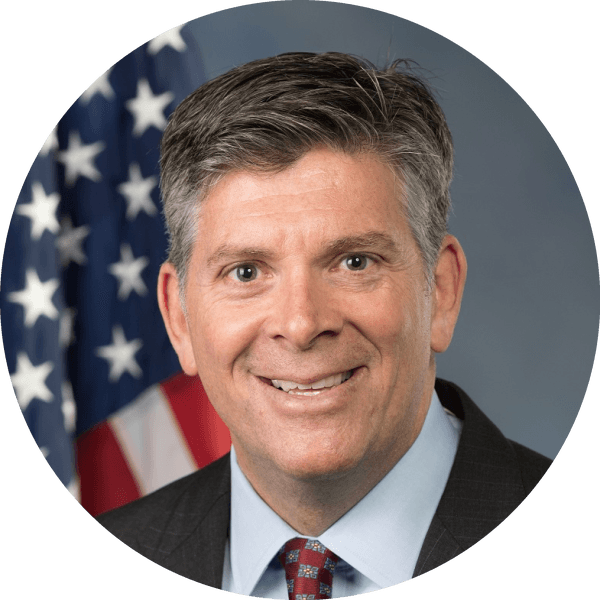
Darin LaHood
Republican · IL
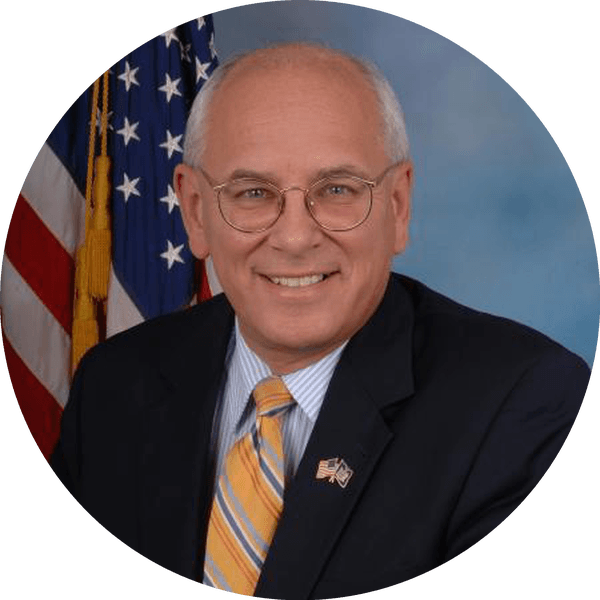
Paul Tonko
Democrat · NY
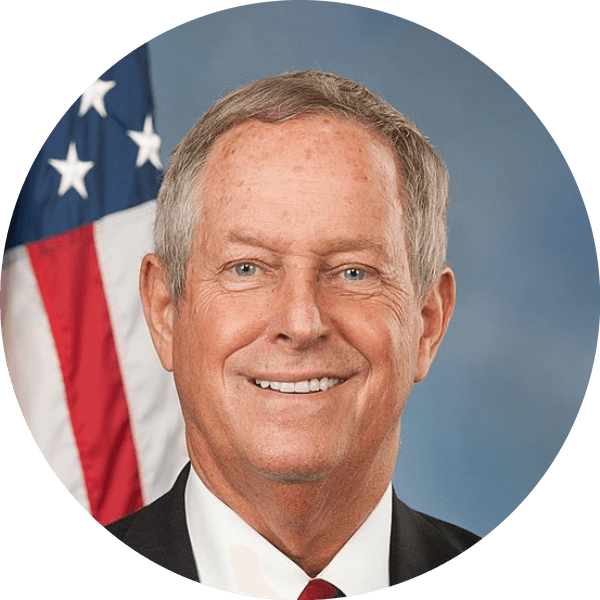
Joe Wilson
Republican · SC
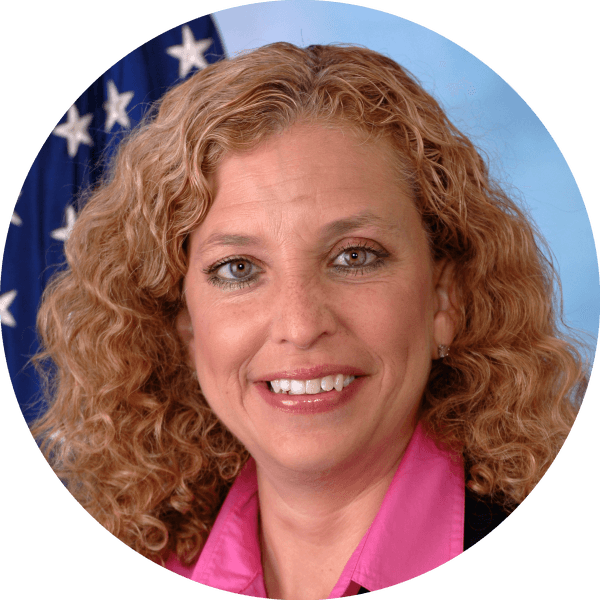
Debbie Wasserman Schultz
Democrat · FL
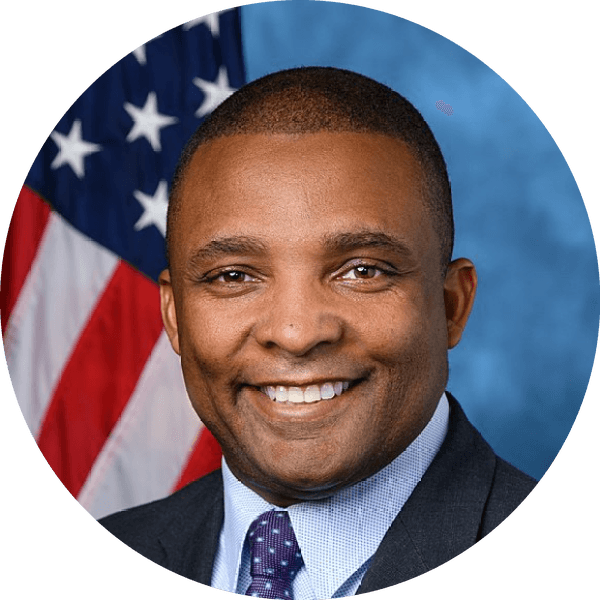
Donald Davis
Democrat · NC

Eleanor Norton
Democrat · DC
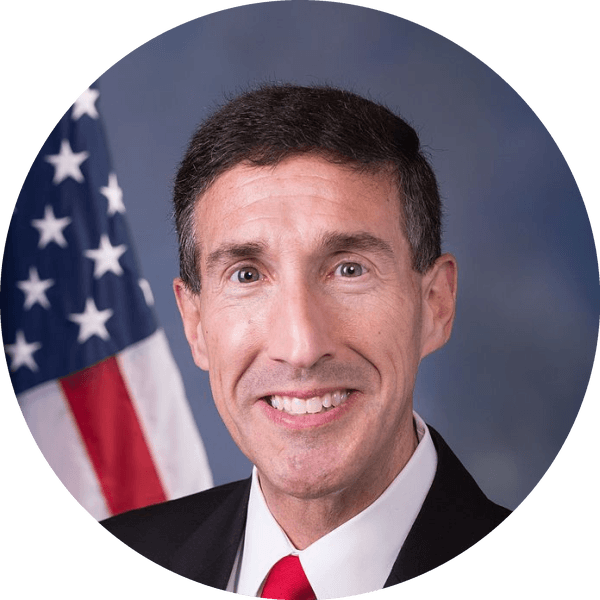
David Kustoff
Republican · TN
Robert Wittman
Republican · VA
Jefferson Shreve
Republican · IN
Seth Moulton
Democrat · MA
Salud Carbajal
Democrat · CA
Committee Sponsors
Energy and Commerce Committee
11 of 54 committee members cosponsored


26 Republicans across this committee haven't cosponsored yet. Mobilize their constituents
What laws does H.R. 3747 change?
2 changes
Sections Amended
Section 330N(f) of Public Health Service Act (42 U.S.C. 254c-20(f))
read as follows: ``(f) Application
Section 330N(k) of Public Health Service Act (42 U.S.C. 254c-20(k))
read as follows: ``(k) Authorization of Appropriations
H.R. 3747 Quick Facts
- Committee
- Energy and Commerce
- Chamber
- House
- Policy
- Health
- Introduced
- Jun 5, 2025
Committee approved bill for floor consideration by the Yeas and Nays: 48 - 0.
May 21, 2026
Official Sources
Official bill page with status, text, actions, and committee information for H.R. 3747.
This is the statute H.R. 3747 amends to reauthorize and expand the Project ECHO Grant Program.
The bill targets primary care professionals serving health professional shortage areas and other underserved communities.
The bill explicitly includes care for Native Americans and mentions Indian Tribes, Tribal organizations, and urban Indian organizations.
H.R. 3747 requires dementia-track grantees to report their findings to this federal advisory council, established under the National Alzheimer's Project Act.
H.R. 3747 Common Questions
What does H.R. 3747 do?
It reauthorizes a federal program called Project ECHO and adds a new grant track focused on dementia, so primary care clinicians in rural and underserved areas can get trained to recognize and manage Alzheimer's and related dementias.
What is Project ECHO?
Project ECHO connects frontline clinicians with specialists through regular video case sessions — think on-the-job coaching for doctors who don't have an expert nearby. H.R. 3747 points that model at dementia care.
How much money does the dementia program get?
H.R. 3747 authorizes $1 million a year for the dementia track from 2027 through 2032 — about $6 million over six years if fully funded. That's separate from the $10 million a year for the broader Project ECHO program.
Who gets the training under H.R. 3747?
Primary care professionals — doctors, nurses, and others — working in rural areas, frontier areas, health professional shortage areas, and other underserved communities, including those serving Native Americans.
Will patients get direct benefits or payments?
No. H.R. 3747 funds clinician training, not patient checks, insurance coverage, or new treatment benefits. The aim is earlier diagnosis and better care from the providers patients already see.
How soon would the grants go out?
Fast. HHS would have to award at least one dementia-focused grant within one year of the bill becoming law.
Can for-profit companies apply for the dementia grants?
No. For the dementia grant track, eligibility is limited to public entities and nonprofit private organizations.
Does the bill require proof the training works?
Yes. Applicants have to explain how they'll measure the effect on patients and providers, grantees report to a federal Alzheimer's advisory council, and HHS must publish an updated report within four years.
Based on H.R. 3747 bill text
H.R. 3747 Bill Text
“To amend the Public Health Service Act to reauthorize the Project ECHO Grant Program, to establish grants under such program to disseminate knowledge and build capacity to address Alzheimer’s disease and other dementias, and for other purposes.”
Source: U.S. Government Publishing Office
Get notified when H.R. 3747 moves
Committee votes, floor action, cosponsor changes — straight to your inbox.
Bill alerts + Legisletter's monthly briefing. Unsubscribe anytime.
Health Bills
9 related bills we're tracking
Nancy Gardner Sewell Medicare Multi-Cancer Early Detection Screening Coverage Act
Reported (Amended) by the Committee on Ways and Means. H. Rept. 119-333, Part I.
Oct 3, 2025
Give Kids a Chance Act of 2025


Motion to reconsider laid on the table Agreed to without objection.
Dec 1, 2025
Improving Seniors’ Timely Access to Care Act of 2025
Forwarded by Subcommittee to Full Committee by Voice Vote.
Jun 25, 2026
CONNECT for Health Act of 2025



Referred to the Committee on Energy and Commerce, and in addition to the Committee on Ways and Means, for a period to be subsequently determined by the Speaker, in each case for consideration of such provisions as fall within the jurisdiction of the committee concerned.
Jun 26, 2025
Right to Contraception Act


Referred to the House Committee on Energy and Commerce.
Feb 5, 2025
Medicare Patient Access and Practice Stabilization Act of 2025

Referred to the Committee on Energy and Commerce, and in addition to the Committee on Ways and Means, for a period to be subsequently determined by the Speaker, in each case for consideration of such provisions as fall within the jurisdiction of the committee concerned.
Jan 31, 2025
Essential Caregivers Act of 2025
Referred to the Committee on Energy and Commerce, and in addition to the Committee on Ways and Means, for a period to be subsequently determined by the Speaker, in each case for consideration of such provisions as fall within the jurisdiction of the committee concerned.
Dec 16, 2025
Chiropractic Medicare Coverage Modernization Act of 2025
Referred to the Committee on Energy and Commerce, and in addition to the Committee on Ways and Means, for a period to be subsequently determined by the Speaker, in each case for consideration of such provisions as fall within the jurisdiction of the committee concerned.
Jan 16, 2025
988 LGBTQ+ Youth Access Act of 2025
Referred to the House Committee on Energy and Commerce.
Sep 17, 2025
Trending Right Now
Bills gaining momentum across Congress
Combating Illicit Xylazine Act

Forwarded by Subcommittee to Full Committee by Voice Vote.
Jun 25, 2026
GUARD Act

Reported (Amended) by the Committee on Financial Services. H. Rept. 119-709, Part I.
Jun 24, 2026
Freedom of Association in Higher Education Act of 2025
Ordered to be Reported (Amended) by the Yeas and Nays: 18 - 15.
Jun 25, 2026
Tracking Health in Congress? Monitor bills, track cosponsor momentum, and launch advocacy campaigns — all from one advocacy platform.