H.R. 332: Travel Trailer and Camper Tax Parity Act
Sponsor

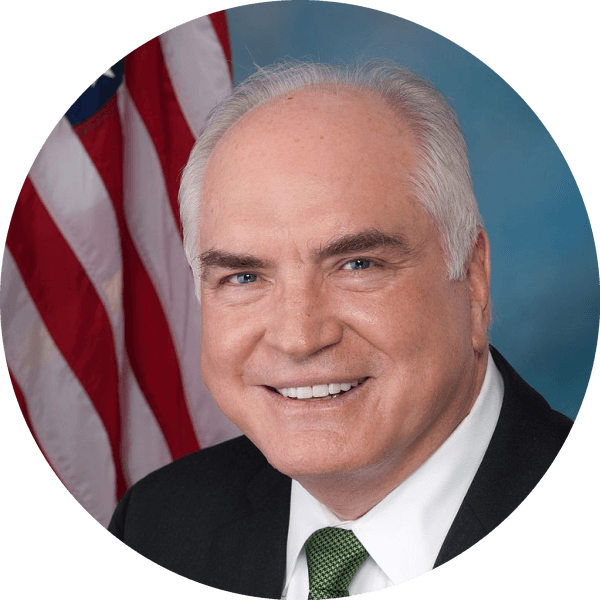
Rudy Yakym
Republican · IN-2
Camper dealers won car-lot tax parity through a bigger bill
Why it matters
A dealer carrying $2 million in trailers at 8% pays about $160,000 a year in inventory interest. H.R. 332 would let all of it be deducted like a car dealer's, instead of being squeezed under the federal cap on business interest. That change is now law through the One Big Beautiful Bill Act, applying to 2025 tax years.
Most businesses can deduct interest only up to a cap, generally 30% of their adjusted taxable income. Vehicle dealers get an exception for floor plan financing, the revolving loans they use to stock their lots. That interest is deductible in full.
The exception covers self-propelled road vehicles like cars, trucks, and motorhomes, plus boats and farm equipment. A travel trailer or pop-up camper has no engine, so a dealer financing those units was held to the cap.
H.R. 332 adds towable campers and trailers built for temporary recreational, camping, or seasonal living to the exception, so their inventory interest becomes fully deductible. The change applies to tax years beginning after December 31, 2024.
The bill does nothing for people buying a camper. There is no credit, rebate, or deduction for you as a shopper. Any effect at the register would come indirectly, through what a dealer can afford to keep in stock.
Congress enacted the same change in the One Big Beautiful Bill Act, signed July 4, 2025, with the same 2025 start date. H.R. 332 and its Senate twin, S. 1314, remain in committee, but the policy they propose is already in effect.
Bill Progress
Latest Action · Jan 13, 2025
Referred to the House Committee on Ways and Means.
H.R. 332 Bill Summary
What H.R. 332 actually does.
Towable campers join cars and motorhomes
Adds any camper or trailer designed for temporary recreational, camping, or seasonal living, and built to be towed by or mounted on a motor vehicle, to the vehicles that qualify for floor plan financing treatment.
Lot-stocking interest comes out from under the cap
Interest on loans used to carry qualifying trailers and campers in inventory is no longer counted against the general limit on deducting business interest, generally 30% of adjusted taxable income.
Applies to 2025 tax years onward
Takes effect for tax years beginning after December 31, 2024. The version enacted in the One Big Beautiful Bill Act uses the same start date.
Who benefits from H.R. 332?
Dealers selling travel trailers, fifth-wheels, and pop-up campers
A dealer that had deductions held back by the interest cap can now deduct its full inventory interest for the year. Dealers heavy on towables and light on taxable income see the most change.
Mixed RV lots
Dealers selling both motorhomes and towables no longer have to treat half their inventory financing one way and half another.
Towable RV manufacturers
Much of the industry builds in Indiana, including the sponsor's district around Elkhart. Lower carrying costs for dealers can support steadier wholesale orders.
Who is affected by H.R. 332?
People shopping for a camper or trailer
No direct tax change for you. Any effect would come through dealer stocking and pricing decisions.
Federal revenue
Deducting more interest sooner lowers dealer tax bills, so the Treasury collects less. No standalone cost estimate for H.R. 332 is available.
Other businesses with inventory loans
The exception still covers only vehicles, boats, farm equipment, and now towable campers. A furniture or appliance retailer financing its showroom stays under the general interest cap.
HR332 Legislative Journey
House: Committee Action
Jan 13, 2025
Referred to the House Committee on Ways and Means.
About the Sponsor
Rudy Yakym
Republican, Indiana's 2nd congressional district · 4 years in Congress
Committees: Ways and Means
View full profile →
Cosponsors (11)
This bill has 11 cosponsors: 1 Democrat, 10 Republicans. Cosponsors represent 8 states: Florida, Iowa, Indiana, and 5 more.





Committee Sponsors
Ways and Means Committee
7 of 45 committee members cosponsored


19 Republicans across this committee haven't cosponsored yet. Mobilize their constituents
H.R. 332 Quick Facts




- Committee
- Ways and Means
- Chamber
- House
- Policy
- Taxation
- Introduced
- Jan 13, 2025
Referred to the House Committee on Ways and Means.
Jan 13, 2025
Official Sources
Official bill page with full text, cosponsors, actions, and committee referrals for the Travel Trailer and Camper Tax Parity Act.
The identical Senate bill, referred to the Senate Finance Committee.
The One Big Beautiful Bill Act, signed July 4, 2025, which enacted the same floor plan financing change for towable campers and trailers.
The Internal Revenue Code section this bill amends. Subsection (j)(9)(C) defines floor plan financing indebtedness, which HR332 expands to include travel trailers and campers.
Comprehensive IRS FAQ on business interest expense limitation with detailed treatment of floor plan financing definitions and motor vehicle classifications.
IRS announcement covering recent legislative changes to section 163(j), including the expanded floor plan financing definition that now covers trailers and campers.
Official instructions for the form dealers use to calculate their business interest expense deduction, including Line 4 for floor plan financing interest expense.
The committee to which HR332 was referred. As the chief tax-writing committee in the House, Ways and Means has jurisdiction over all Internal Revenue Code amendments.
H.R. 332 Common Questions
What does H.R. 332 do?
It lets dealers fully deduct the interest on loans used to stock travel trailers and towable campers, the same way car and motorhome dealers already could. Without it, that interest counted against the general cap on business interest deductions.
Is the Travel Trailer and Camper Tax Parity Act law?
Not as a standalone bill. H.R. 332 is still in the Ways and Means Committee. But Congress enacted the same change in the One Big Beautiful Bill Act, signed July 4, 2025, so the policy is in effect.
Do I get a tax break for buying a camper?
No. The bill covers dealers' inventory financing, not your purchase. There is no credit or deduction for buyers.
What is floor plan financing?
It is a revolving loan a dealer uses to buy inventory for the lot. The lender is repaid as each unit sells, and the dealer pays interest on every unit while it waits for a buyer.
Why weren't trailers already covered?
The existing exception was written for self-propelled vehicles like cars, trucks, and motorhomes. A towable trailer has no engine, so its financing did not qualify.
Which campers qualify?
Any camper or trailer designed for temporary recreational, camping, or seasonal living that is towed by, or mounted on, a motor vehicle. That covers travel trailers, fifth-wheels, pop-ups, and truck campers.
When does the change take effect?
For tax years beginning after December 31, 2024. Dealers can apply it on their 2025 returns.
Based on H.R. 332 bill text
H.R. 332 Bill Text
“To amend the Internal Revenue Code of 1986 to provide that floor plan financing includes the financing of certain trailers and campers.”
Source: U.S. Government Publishing Office
Get notified when H.R. 332 moves
Committee votes, floor action, cosponsor changes — straight to your inbox.
Bill alerts + Legisletter's monthly briefing. Unsubscribe anytime.
Taxation Bills
9 related bills we're tracking
American Family Act





Referred to the House Committee on Ways and Means.
Apr 9, 2025
Freedom to Invest in Tomorrow’s Workforce Act





Referred to the House Committee on Ways and Means.
Feb 7, 2025
Main Street Tax Certainty Act




Referred to the House Committee on Ways and Means.
Jan 23, 2025
Death Tax Repeal Act



Referred to the House Committee on Ways and Means.
Feb 13, 2025
To amend the Internal Revenue Code of 1986 to modify the railroad track maintenance credit.



Referred to the House Committee on Ways and Means.
Jan 16, 2025
Tax Fairness for Workers Act





Referred to the House Committee on Ways and Means.
Apr 7, 2025
Health Care Affordability Act of 2025





Referred to the House Committee on Ways and Means.
Jan 9, 2025
Affordable Housing Credit Improvement Act of 2025

Referred to the House Committee on Ways and Means.
Apr 8, 2025
More Homes on the Market Act



Referred to the House Committee on Ways and Means.
Feb 13, 2025
Trending Right Now
Bills gaining momentum across Congress
ASAP Act



Ordered to be Reported in the Nature of a Substitute by the Yeas and Nays: 40 - 0.
Sep 16, 2026
Federal Firearms Licensee Protection Act of 2025



Referred to the House Committee on the Judiciary.
Mar 3, 2025
Therapeutic Fraud Prevention Act of 2025





Referred to the House Committee on Energy and Commerce.
May 7, 2025
Tracking Taxation in Congress? Monitor bills, track cosponsor momentum, and launch advocacy campaigns — all from one advocacy platform.