H.R. 2001: Action for Dental Health Act
Sponsor
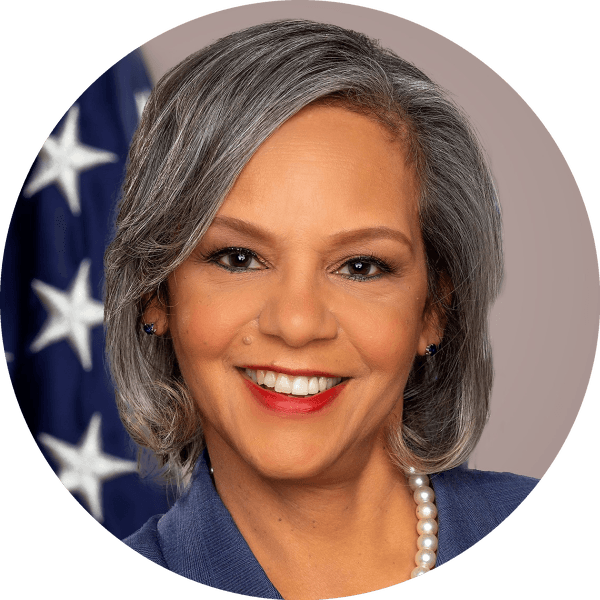
Robin Kelly
Democrat · IL-2
Congress should restart the lapsed dental workforce grants
Why it matters
Federal money to put dental providers in shortage areas has had no authorized funding level since 2023. H.R. 2001 sets one again: $15 million a year through 2030, $75 million in total, with money that doesn't expire at year's end.
The Action for Dental Health Act is one sentence long. It edits a single line of the Public Health Service Act: the funding level for an existing grant program aimed at dental workforce needs, which HRSA administers.
The program's last authorization covered 2019 through 2023; H.R. 2001 restarts it at $15 million a year for 2026 through 2030. That is up from $13.903 million a year, about 8% more.
The program supports efforts to recruit, train and keep dental professionals in communities that don't have enough of them. For scale: split evenly across 50 states, $15 million comes to roughly $300,000 per state per year, enough to fund a handful of loan-repayment awards or a small training effort, not to rebuild a region's dental care.
The new language also lets the money stay available until it is spent. Workforce projects that run longer than one budget year would not lose unspent funds when the fiscal year closes.
An authorization sets a ceiling, not a check. Appropriators still decide each year how much actually goes out.
Bill Progress
Latest Action · Jul 21, 2026
Passed the House, received in Senate
H.R. 2001 Bill Summary
What H.R. 2001 actually does.
Dental workforce grants get five more years
The bill authorizes the program for fiscal years 2026 through 2030. Its previous authorization ended with fiscal year 2023.
Funding ceiling rises to $15 million a year
The annual authorized amount goes from $13.903 million to $15 million, an increase of $1.097 million, or about 8%.
Unspent money carries over
Funds remain available until expended, so grantees running multi-year projects are not forced to spend or lose the money within a single fiscal year.
No new program, no new rules
The bill does not change who can apply or what the grants pay for. It only restores and updates the funding level for the existing program.
Who benefits from H.R. 2001?
People in dental shortage areas
If you live in a rural county or underserved neighborhood where few dentists practice, this program is designed to help bring more providers closer to you.
States and organizations running dental workforce projects
Grantees get a restored funding authorization at $15 million a year, plus the ability to carry unspent money into later years.
Dental students and new providers willing to work in shortage areas
Workforce grants can support training, recruitment and retention efforts that create paths into underserved communities.
Patients who put off care because they can't get an appointment
More providers in short-supply areas can mean shorter waits and less travel for routine and urgent dental care.
Who is affected by H.R. 2001?
HRSA
The Health Resources and Services Administration would continue running the grant program under a five-year authorization through 2030.
Appropriations committees
The bill authorizes funding but does not spend it. Lawmakers must provide the money in annual appropriations bills, and may fund it below the $15 million ceiling.
Taxpayers
The bill authorizes up to $75 million over five years. That is about $1.10 per American over the full five years, based on a population of roughly 340 million.
Communities waiting on the program
If the Senate does not act, the program stays without a current authorization, which leaves its future funding more exposed in each budget cycle.
Cost & Funding
Authorization
$15,000,000 a year for fiscal years 2026 through 2030
- Five-year total: $75 million.
- Previous authorization: $13.903 million a year for fiscal years 2019 through 2023.
- Increase: $1.097 million a year, about 8%.
- Rough scale: $15 million split evenly across 50 states is about $300,000 per state per year.
- Per person: $75 million over five years is roughly $1.10 per American.
- Funds remain available until expended.
- This is an authorization, not an automatic appropriation.
What Congress Is Saying
H.R. 2001 has come up 11 times in the Congressional Record so far.
H.R. 2001 also appeared in 1 more House floor reference and 6 routine cosponsor filings.
HR2001 Legislative Journey
Committee Action
Jul 21, 2026
Received in the Senate and Read twice and referred to the Committee on Health, Education, Labor, and Pensions.
House: Vote Held
Jul 20, 2026
On motion to suspend the rules and pass the bill, as amended Agreed to by voice vote. (text: CR H4645)
House: Committee Action
Jul 2, 2026
Reported (Amended) by the Committee on Energy and Commerce. H. Rept. 119-721.
House: Vote: 44-0
May 21, 2026
Ordered to be Reported (Amended) by the Yeas and Nays: 44 - 0.
House: Committee Action
Mar 10, 2025
Referred to the House Committee on Energy and Commerce.
About the Sponsor
Robin Kelly
Democrat, Illinois's 2nd congressional district · 13 years in Congress
Committees: Energy and Commerce
View full profile →
Cosponsors (9)
This bill has 9 cosponsors: 7 Democrats, 2 Republicans, reflecting bipartisan support. Cosponsors represent 8 states: Alabama, Delaware, Florida, and 5 more.


Committee Sponsors
Health, Education, Labor, and Pensions Committee
0 of 23 committee members cosponsored
No committee members have cosponsored this bill
Energy and Commerce Committee
1 of 54 committee members cosponsored

33 Democrats across these committees haven't cosponsored yet. Mobilize their constituents
What laws does H.R. 2001 change?
1 changes
Sections Amended
Section 340G(f) of Public Health Service Act (42 U.S.C. 256g(f))
striking ``$13,903,000 for each of fiscal years 2019 through 2023'' and inserting ``$15,000,000 for each of fiscal years 2026 through 2030, to remain available until expended''
H.R. 2001 Quick Facts





- Committee
- Health, Education, Labor, and Pensions
- Chamber
- House
- Policy
- Health
- Introduced
- Mar 10, 2025
Passed the House, received in Senate
Jul 21, 2026
Official Sources
Official bill page with status, text, actions and committee referrals for the Action for Dental Health Act.
The published House-reported text showing the one-line amendment that sets $15 million a year for fiscal years 2026 through 2030.
The Energy and Commerce Committee report that accompanied the bill to the House floor.
The statute this bill amends; subsection (f) currently authorizes $13,903,000 a year for fiscal years 2019 through 2023.
HRSA data tools for finding Dental Health Professional Shortage Areas, the communities this grant program targets.
H.R. 2001 Common Questions
What does H.R. 2001 do?
It restarts a federal grant program that helps get dental providers into areas short on them. The bill authorizes $15 million a year for 2026 through 2030, $75 million in total.
Why does this dental grant program need to be renewed?
Its last funding authorization covered 2019 through 2023. H.R. 2001 sets a new one for 2026 through 2030 and raises the yearly ceiling from $13.903 million to $15 million.
Will H.R. 2001 help me find a dentist?
Not directly. It funds efforts to recruit, train and keep dental professionals in shortage areas. If you live in one, the goal is more providers nearby over time.
Does H.R. 2001 pay for dental visits or dental insurance?
No. It supports the dental workforce, not your appointment, procedure or coverage. It doesn't change Medicare, Medicaid or private dental plans.
What happens to grant money that isn't spent in one year?
It carries over. The bill says funds remain available until expended, so multi-year projects don't lose money when a fiscal year ends.
Is the $75 million guaranteed?
No. The bill sets a spending ceiling. Congress still has to provide the money each year through appropriations, and it can fund the program at less than $15 million.
Has H.R. 2001 become law?
Not yet. The House passed it by voice vote on July 20, 2026. It was referred to the Senate Health, Education, Labor, and Pensions Committee the next day.
Based on H.R. 2001 bill text
H.R. 2001 Bill Text
“To amend the Public Health Service Act to reauthorize a grant program for addressing dental workforce needs.”
Source: U.S. Government Publishing Office
Get notified when H.R. 2001 moves
Committee votes, floor action, cosponsor changes — straight to your inbox.
Bill alerts + Legisletter's monthly briefing. Unsubscribe anytime.
Health Bills
9 related bills we're tracking
Nancy Gardner Sewell Medicare Multi-Cancer Early Detection Screening Coverage Act

Reported (Amended) by the Committee on Ways and Means. H. Rept. 119-333, Part I.
Oct 3, 2025
Mikaela Naylon Give Kids a Chance Act




Received in the Senate.
Dec 2, 2025
Improving Seniors’ Timely Access to Care Act of 2025

Ordered to be Reported in the Nature of a Substitute by the Yeas and Nays: 42 - 0.
Jul 15, 2026
CONNECT for Health Act of 2025



Referred to the Committee on Energy and Commerce, and in addition to the Committee on Ways and Means, for a period to be subsequently determined by the Speaker, in each case for consideration of such provisions as fall within the jurisdiction of the committee concerned.
Jun 26, 2025
ASAP Act



Ordered to be Reported in the Nature of a Substitute by the Yeas and Nays: 40 - 0.
Sep 16, 2026
Momnibus Act




Referred to the Subcommittee on Health.
Apr 20, 2026
Right to Contraception Act

Referred to the House Committee on Energy and Commerce.
Feb 5, 2025
Women’s Health Protection Act of 2025



Referred to the Committee on Energy and Commerce, and in addition to the Committee on the Judiciary, for a period to be subsequently determined by the Speaker, in each case for consideration of such provisions as fall within the jurisdiction of the committee concerned.
Jun 24, 2025
Ensuring Lasting Smiles Act



Referred to the Committee on Energy and Commerce, and in addition to the Committees on Education and Workforce, and Ways and Means, for a period to be subsequently determined by the Speaker, in each case for consideration of such provisions as fall within the jurisdiction of the committee concerned.
May 8, 2025
Trending Right Now
Bills gaining momentum across Congress
Fit to Serve Act




Referred to the House Committee on Armed Services.
May 21, 2025
America’s Olympic and Paralympic Games Commemorative Coins Act



Referred to the House Committee on Financial Services.
Jul 14, 2025
Therapeutic Fraud Prevention Act of 2025

Referred to the House Committee on Energy and Commerce.
May 7, 2025
Tracking Health in Congress? Monitor bills, track cosponsor momentum, and launch advocacy campaigns — all from one advocacy platform.