H.R. 1876: Keeping Our Field Offices Open Act
Sponsor

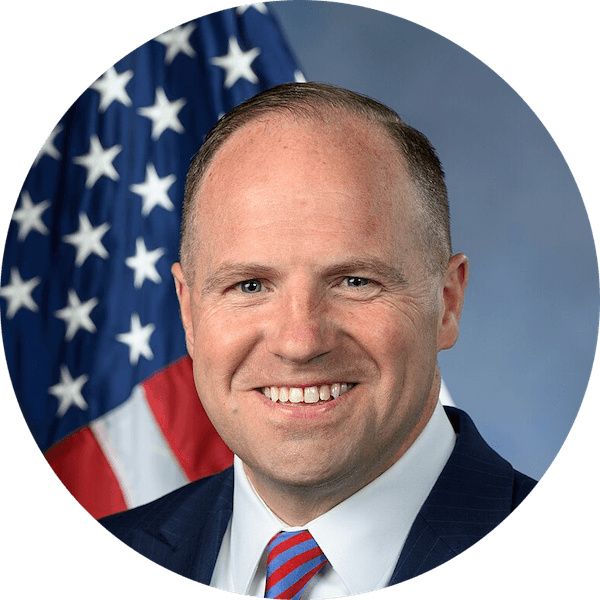
John Larson
Democrat · CT-1
Your Social Security office shouldn't vanish without a hearing
Why it matters
Every Social Security field office, hearing office, and resident station open on January 20, 2025 becomes a floor the agency cannot go below. H.R. 1876 freezes most closures until at least mid-2029, then requires 120 days' notice, 2 public hearings, and a replacement plan before any office shuts.
H.R. 1876, the Keeping Our Field Offices Open Act, starts with a freeze. From the day it becomes law, the Social Security Administration could not close or merge field offices, hearing offices, or resident stations, or add new limits on public access to them. Temporary closures for emergencies, like a flood or storm, are still allowed.
The freeze ends 180 days after the Social Security commissioner sends Congress a report justifying how offices get picked for closure. The bill bars that report before January 21, 2029. Count forward 180 days and the earliest a non-emergency closure could take effect is around July 20, 2029.
After the freeze, closing an office becomes a public process. The agency would need to give at least 120 days' notice by mail, local newspapers, and postings in busy public spaces. That notice has to say how lost service will be replaced within 30 days of the closure and who to contact if your case gets delayed.
Before any office closes, the agency would have to defend the decision at 2 or more public hearings where you can speak. The hearings must run at least 10 days apart, starting no sooner than 30 days after notice and finishing at least 45 days before the closure date. The agency has to present its selection criteria, a cost-benefit analysis, and how it weighed travel and communication burdens on older and disabled people.
If you think a closure is arbitrary or skipped required steps, you could request a hearing with the commissioner up to 30 days before the closure date. The findings go to the House Ways and Means and Senate Finance committees and to the local members of Congress.
Even with every step followed, the total number of offices and stations could never fall below the count operating on January 20, 2025. In practice, closing one office would mean opening or keeping another somewhere in the system.
Bill Progress
Latest Action · Mar 5, 2025
Referred to the House Committee on Ways and Means.
H.R. 1876 Bill Summary
What H.R. 1876 actually does.
Most closures stop until at least mid-2029
Once the bill becomes law, the agency could not close or consolidate field offices, hearing offices, or resident stations, or impose new access limits. The freeze lasts until 180 days after a required report reaches Congress, and that report cannot be sent before January 21, 2029.
Emergencies are the exception
The agency can still close an office or limit access temporarily in response to an emergency, both during the freeze and afterward.
You get 120 days' warning
Any later closure, consolidation, or access cut requires public notice at least 120 days ahead — by direct mail where practical, local newspapers, and postings in heavily used public spaces. The notice must list hearing dates and explain your right to appeal.
Replacement service within 30 days
The notice must say how the agency will replace lost access no later than 30 days after the change — a new office, expanded hours or access at another location, or another method — and how to reach the agency if service problems follow.
Public hearings before any closure
At least 2 public hearings, spaced at least 10 days apart, where the agency presents its selection criteria, cost-benefit analysis, and the burden on elderly and disabled residents, and where attendees can respond.
Residents can appeal a closure
Anyone who shows in writing that a closure is arbitrary, not based on substantial evidence, or skipped required procedures can get a hearing with the commissioner if they ask at least 30 days before the closure date.
Congress gets a final report 30 days out
The agency must send a detailed final report — justifications, hearing findings, appeal status, and its final decision — to Ways and Means, Senate Finance, and the local members of Congress at least 30 days before a closure.
A permanent floor on office count
No closure or consolidation can push the total number of field offices, hearing offices, and resident stations below the number operating on January 20, 2025.
Who benefits from H.R. 1876?
People whose cases can't be solved online
Disability applicants, survivors claiming benefits, and anyone with an identity or payment problem who needs to bring documents to a person. The bill keeps their nearest office open through at least mid-2029 and makes any later closure come with a replacement plan.
Older and disabled Social Security recipients
The agency would have to show, in public, how it weighed transportation and communication burdens on elderly and disabled people before cutting access — the people most likely to lack a car, reliable internet, or the ability to wait on hold.
Rural towns where the next office is an hour away
When one closure can add a long round trip for every visit, 120 days' notice, local hearings, and a right to appeal give residents time and a formal way to push back.
Social Security field and hearing office staff
The agency must analyze a closure's effect on the employees at affected offices and present it at the public hearings, and the office freeze keeps existing locations operating for several years.
Who is affected by H.R. 1876?
Social Security Administration leadership
Loses the ability to shrink or reorganize the office network for several years. After the freeze, every closure requires notice, hearings, a cost-benefit analysis, a report to Congress, and must keep the office count at or above its January 20, 2025 level.
Agency plans to shift service online or by phone
Consolidating offices to move resources into digital and phone service would face a slower process and a hard cap on net closures, so any modernization would have to happen alongside the existing office network.
Members of Congress
Representatives and senators from affected areas would receive the agency's final report and any appeal findings directly, putting them in the loop — and on the record — before offices in their districts close.
HR1876 Legislative Journey
House: Committee Action
Mar 5, 2025
Referred to the House Committee on Ways and Means.
About the Sponsor
John Larson
Democrat, Connecticut's 1st congressional district · 27 years in Congress
Committees: Ways and Means
View full profile →
Cosponsors (129)
All 129 cosponsors are Democrats. Cosponsors represent 34 states: Alabama, Arizona, California, and 31 more.

Richard Neal
Democrat · MA

Danny Davis
Democrat · IL

Steven Horsford
Democrat · NV

Nydia Velázquez
Democrat · NY

Sanford Bishop
Democrat · GA

Christopher Deluzio
Democrat · PA
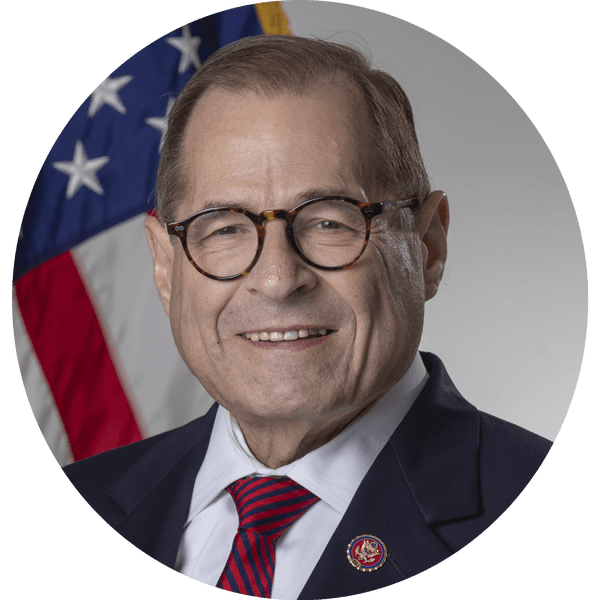
Jerrold Nadler
Democrat · NY

Rashida Tlaib
Democrat · MI

Sara Jacobs
Democrat · CA

Raúl Grijalva
Democrat · AZ

Bennie Thompson
Democrat · MS

Jonathan Jackson
Democrat · IL
Cosponsor Coverage Map
Committee Sponsors
Ways and Means Committee
16 of 45 committee members cosponsored


3 Democrats across this committee haven't cosponsored yet. Mobilize their constituents
What laws does H.R. 1876 change?
1 changes
Sections Amended
Section 704 of Social Security Act (42 U.S.C. 904)
adding at the end the following new subsection: ``(f)(1) Field and Hearing Offices and Resident Stations
H.R. 1876 Quick Facts
- Committee
- Ways and Means
- Chamber
- House
- Policy
- Social Welfare
- Introduced
- Mar 5, 2025
Referred to the House Committee on Ways and Means.
Mar 5, 2025
Official Sources
Official bill page with text, status, actions, and the full cosponsor list for the Keeping Our Field Offices Open Act.
Section 704 of the Social Security Act, the statute H.R. 1876 amends to add notice, hearing, and appeal requirements before any office closes.
Inspector General audit of how the Social Security Administration decides which field offices to consolidate, the process the bill would put under public review.
Inspector General review of actual field office closures, including whether the agency followed its own rules for notifying Congress and the public.
GAO found remote service left some vulnerable claimants behind, the core concern behind keeping in-person offices open.
The House committee that holds H.R. 1876 and would receive the commissioner's closure reports.
The Senate committee that would receive the commissioner's closure-process report and final reports on each closure.
H.R. 1876 Common Questions
Is my local Social Security office closing?
H.R. 1876 would stop most closures from the day it becomes law. It is still in committee, so for now the agency can close or consolidate offices under current rules. You can check your nearest office with the agency's office locator.
How long would the freeze on closures last?
At least until mid-2029. The freeze ends 180 days after the commissioner reports to Congress on how closures are chosen, and that report can't be sent before January 21, 2029 — so around July 20, 2029 at the earliest.
Does H.R. 1876 protect disability hearing offices too?
Yes. It covers the hearing offices where disability appeals are heard, plus field offices and smaller resident stations — not just walk-in offices.
How would I find out if my office is going to close?
You'd get at least 120 days' notice — by mail where practical, local newspapers, and postings in busy public places. The notice has to list the hearing dates and explain how service will be replaced within 30 days of the closure.
Can I speak out against a Social Security office closure?
Yes. The agency would have to hold at least 2 public hearings, at least 10 days apart, where it explains its reasons and attendees can respond. The last hearing must happen at least 45 days before the closure.
Can a closure be appealed?
Yes. If you show in writing that the decision was arbitrary, unsupported by evidence, or skipped required steps, you can request a hearing with the commissioner. The request must come at least 30 days before the closure date.
Could offices still close during a disaster?
Yes, temporarily. The bill allows short-term closures or access limits in response to an emergency, both during the freeze and afterward.
Could Social Security ever have fewer offices than it does now?
Not below its January 20, 2025 level. H.R. 1876 bars any closure that would push the total count of field offices, hearing offices, and resident stations under the number operating that day.
Based on H.R. 1876 bill text
H.R. 1876 Bill Text
“To prevent closure of social security field and hearing offices and resident stations.”
Source: U.S. Government Publishing Office
Get notified when H.R. 1876 moves
Committee votes, floor action, cosponsor changes — straight to your inbox.
Bill alerts + Legisletter's monthly briefing. Unsubscribe anytime.
Social Welfare Bills
4 related bills we're tracking
Metastatic Breast Cancer Access to Care Act




Referred to the House Committee on Ways and Means.
Mar 11, 2025
Protecting Americans’ Social Security Data Act
Referred to the House Committee on Ways and Means.
Mar 5, 2025
Social Security Expansion Act



Referred to the Subcommittee on Railroads, Pipelines, and Hazardous Materials.
Feb 27, 2025
Clergy Act



Became Public Law No: 119-125.
Oct 20, 2026
Trending Right Now
Bills gaining momentum across Congress
North Platte Canteen Congressional Gold Medal Act



Referred to the House Committee on Financial Services.
Feb 21, 2025
ASAP Act



Ordered to be Reported in the Nature of a Substitute by the Yeas and Nays: 40 - 0.
Sep 16, 2026
Fit to Serve Act




Referred to the House Committee on Armed Services.
May 21, 2025
Tracking Social Welfare in Congress? Monitor bills, track cosponsor momentum, and launch advocacy campaigns — all from one advocacy platform.