Mr. Speaker, I missed two votes in the vote series on April 27, 2026. Had I been present, I would have voted: YEA on Roll Call No. 139, final passage of H.R. 227, the Clergy Act, and YEA on Roll Call No. 138, final passage of H.R. 7959, the IRS Whistleblower Program Improvement Act.
H.R. 227: Clergy Act
Introduced Jan 7, 202521 cosponsors
Sponsor

Vince Fong
Republican · CA-20
Clergy who opted out of Social Security get one way back
4 min readLast updated May 28, 2026
Why it matters
Decades ago, many ministers made a one-time choice to opt out of Social Security — and the law made that choice permanent. H.R. 227 cracks the door open for the first time, giving clergy, members of religious orders, and Christian Science practitioners a single chance to opt back in starting in 2029. The House passed it 350-5.
H.R. 227 is built for ministers, members of religious orders, and Christian Science practitioners who once filed for an exemption from Social Security and Medicare taxes on their ministry earnings. That exemption has always been a one-way door: once you opted out, you couldn't opt back in.
The bill changes that — once. Eligible clergy get a single chance to revoke the exemption and rejoin coverage, with the change taking effect in either the first or second tax year after 2028. From there, it applies going forward.
Why it's worth the paperwork: paying self-employment tax on ministry income starts building credit toward retirement, disability, survivor, and Medicare benefits given up by opting out. The bill doesn't undo the past or enroll anyone automatically — you have to file.
There's a cost for moving slowly. If you pick the earlier start year but file after that year's return was already due, you have to pay the full self-employment tax you would have owed for that year, all at once.
Bill Progress
IntroducedJan 7
Committee
Pass HouseApr 27
Pass SenateSep 30
Signed
Law
Latest Action · Sep 30, 2026
1/4
Passed Senate without amendment by Unanimous Consent. (consideration: CR S5298)
H.R. 227 Bill Summary
What H.R. 227 actually does.
1
A one-time way back into coverage
Eligible ministers, members of religious orders, and Christian Science practitioners who previously opted out can revoke the exemption and rejoin Social Security and Medicare coverage for future years.
2
You pick when coverage restarts
An applicant can choose to have the change take effect in either the first or second tax year beginning after December 31, 2028.
3
Miss the deadline and the option closes
The application must be filed no later than the due date, including extensions, of the applicant's tax return for the second tax year beginning after December 31, 2028.
4
Late filers pay the missed tax up front
Anyone who files after a return was due but wants the change to cover that already-ended year must include full payment of the self-employment tax that would have been owed for it.
5
No opting out a second time
Once an eligible person revokes the exemption, they cannot apply for that exemption again.
6
IRS and Social Security must spread the word
Within 90 days of enactment, the IRS Commissioner, working with the Social Security Commissioner, must send Congress a plan for informing eligible clergy about the option.
Who benefits from H.R. 227?
Clergy who opted out years ago
If you're a minister living with an old, permanent exemption, this is a rare chance to bring future ministry earnings back under Social Security and Medicare.
Members of religious orders nearing retirement
A defined window to rejoin the system and start building future coverage on qualifying religious earnings before retirement arrives.
Christian Science practitioners
The same one-time revocation option extends to practitioners who previously received the exemption.
Spouses and survivors
Because covered earnings feed survivor and lump-sum death benefits, a minister's decision to opt back in can protect their family, not just themselves.
Who is affected by H.R. 227?
Clergy weighing the trade-off
Opting back in means paying self-employment tax — roughly 15.3% — on ministry income in exchange for future benefits. Each eligible person has to decide whether it's worth it.
Anyone who files late
Choosing an earlier start year after the return was due triggers a full self-employment tax bill for that year, paid in a lump sum.
Clergy who might change their minds
This is a one-way decision. After revoking the exemption, an eligible person cannot apply for it again.
IRS and Social Security administrators
Both agencies would have to build forms, guidance, and outreach so eligible clergy understand the deadline and how the election works.
On the Record
What Congress Is Saying
H.R. 227 has come up 19 times in the Congressional Record so far.
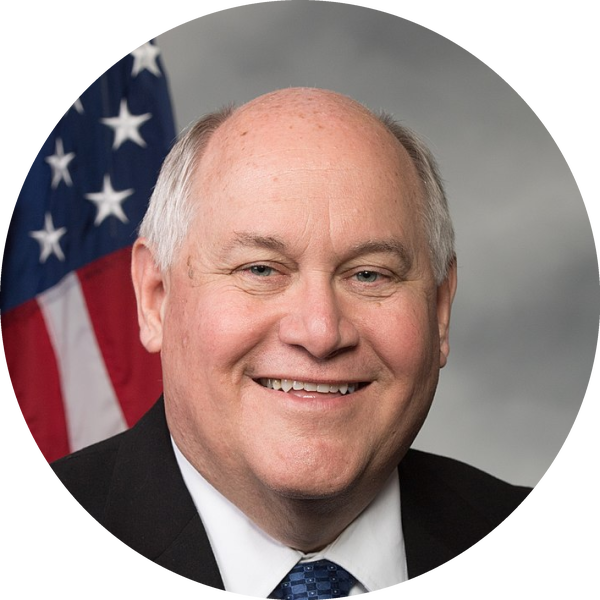
Mr. Speaker, I was not present for the following Roll Call vote. Had I been present, I would have voted as follows: YEA on Roll Call No. 138, On Motion to Suspend the Rules and Pass, as Amended of H.R. 7959, IRS Whistleblower Program Improvement Act, and YEA on Roll Call vote No. 139, On Motion to Suspend the Rules and Pass, as Amended of H.R. 227, Clergy Act.

H.R. 227 also appeared in 12 routine cosponsor filings.
HR227 Legislative Journey
Passed
Sep 30, 2026
Passed Senate without amendment by Unanimous Consent. (consideration: CR S5298)
+3 more actions this day
Committee Action
Apr 28, 2026
Received in the Senate and Read twice and referred to the Committee on Finance.
House: Vote: 350-5
Apr 27, 2026
On motion to suspend the rules and pass the bill, as amended Agreed to by the Yeas and Nays: (2/3 required): 350 - 5 (Roll no. 139). (text: CR H3115-3116)
House: Committee Action
Jan 7, 2026
Reported (Amended) by the Committee on Ways and Means. H. Rept. 119-425.
House: Vote: 40-0
Dec 10, 2025
Ordered to be Reported in the Nature of a Substitute (Amended) by the Yeas and Nays: 40 - 0.
House: Committee Action
Jan 7, 2025
Referred to the House Committee on Ways and Means.
About the Sponsor
Vince Fong
Republican, California's 20th congressional district · 2 years in Congress
Committees: Science, Space, and Technology, Homeland Security, Transportation and Infrastructure
View full profile →
Cosponsors (21)
No new cosponsors in 309 days — momentum stalled
This bill has 21 cosponsors: 6 Democrats, 15 Republicans, reflecting bipartisan support. Cosponsors represent 14 states: Arizona, California, Florida, and 11 more.
6Democrats15Republicans·14 statesBipartisan
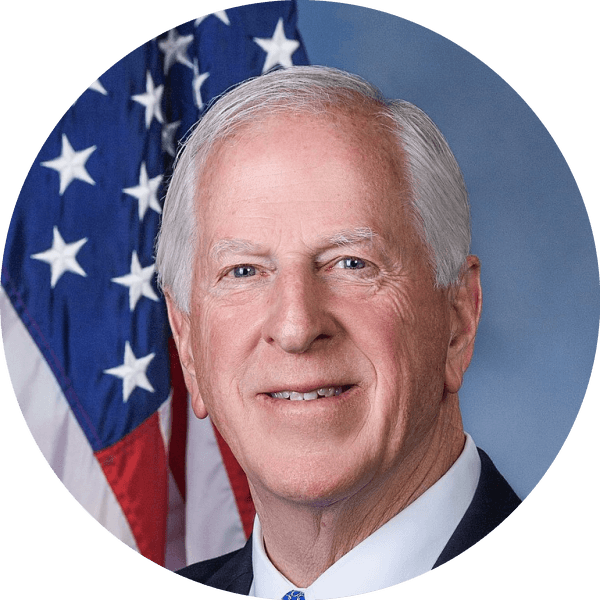
Mike Thompson
Democrat · CA
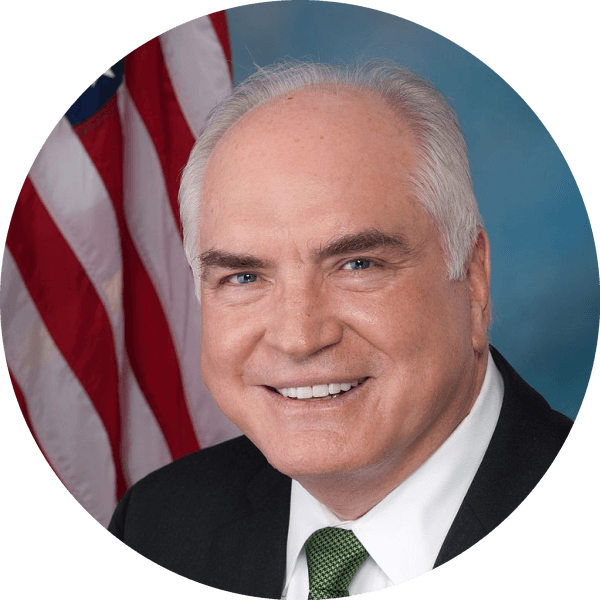
Mike Kelly
Republican · PA
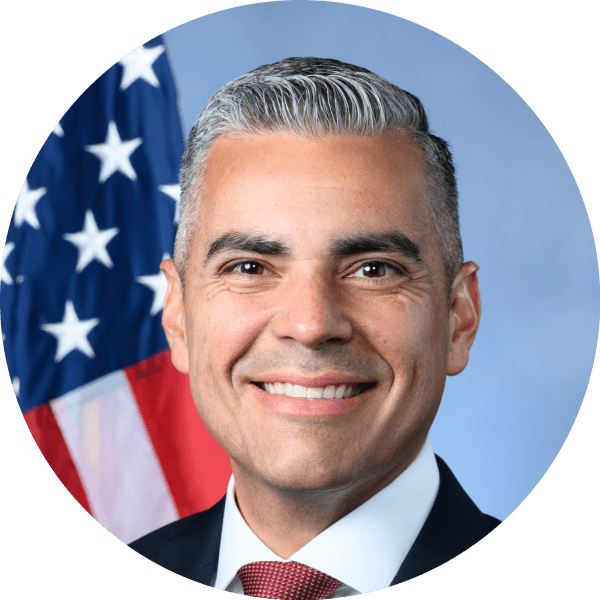
Juan Ciscomani
Republican · AZ

Darin LaHood
Republican · IL

Suzan DelBene
Democrat · WA
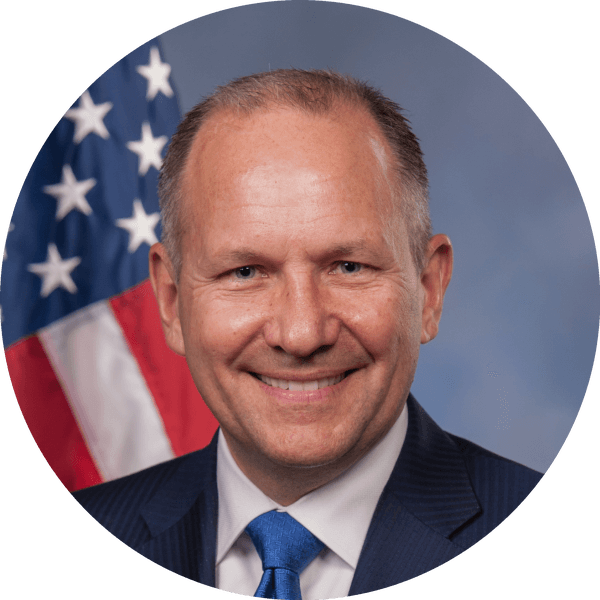
Lloyd Smucker
Republican · PA
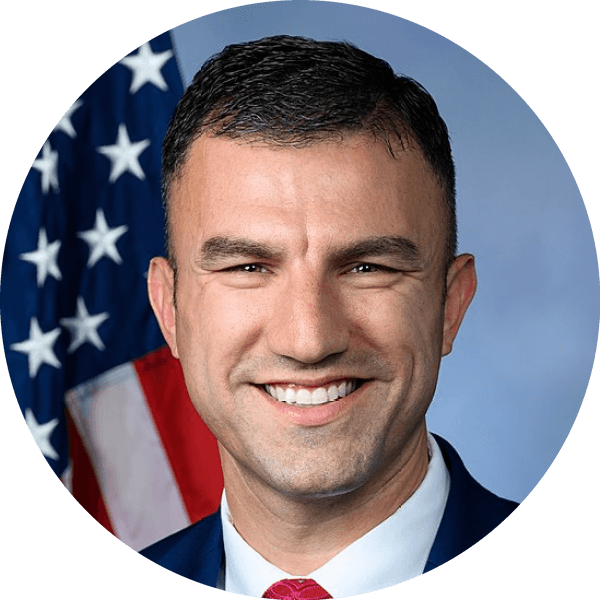
Rudy Yakym
Republican · IN
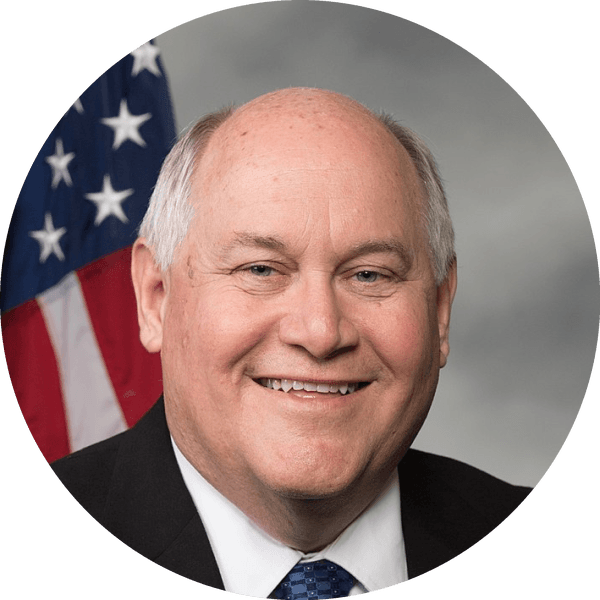
Ron Estes
Republican · KS

Adrian Smith
Republican · NE

Mike Carey
Republican · OH
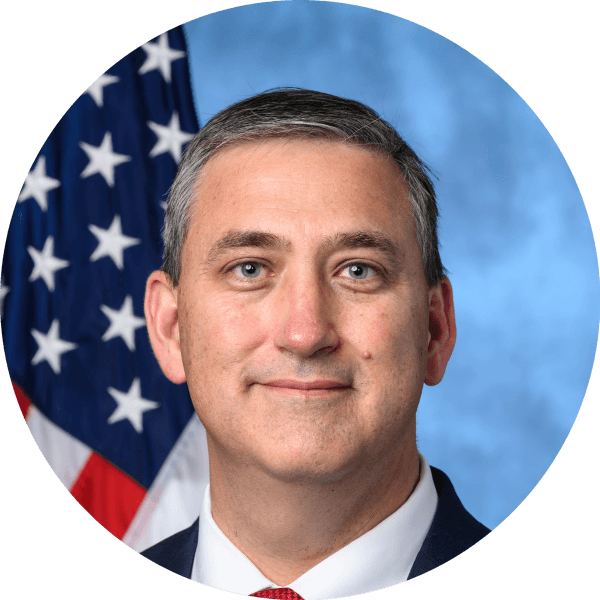
Nathaniel Moran
Republican · TX

Gus Bilirakis
Republican · FL
Committee Sponsors
Finance Committee
12D14R1I
|0 signed27 not yet0 of 27 committee members cosponsored
No committee members have cosponsored this bill
Ways and Means Committee
19D26R
|17 signed28 not yet17 of 45 committee members cosponsored


28 Republicans across these committees haven't cosponsored yet. Mobilize their constituents
H.R. 227 Quick Facts
Cosponsors
21
- Committee
- Finance
- Chamber
- House
- Policy
- Social Welfare
- Introduced
- Jan 7, 2025
Passed Senate without amendment by Unanimous Consent. (consideration: CR S5298)
Sep 30, 2026
Official Sources
H.R. 227 on Congress.gov
Official congressional page for H.R. 227 with status, text, actions, and related bill information.
IRS About Form 4361, Exemption From Self-Employment Tax for Ministers
Form 4361 is the application that grants the very exemption H.R. 227 would let clergy revoke; this page explains who can file it and how it works.
IRS Publication 517, Social Security and Other Information for Members of the Clergy and Religious Workers
IRS guidance explaining Social Security coverage, exemptions, and tax rules for ministers, members of religious orders, and Christian Science practitioners directly affected by the bill.
IRS Members of the Clergy
IRS hub page covering how SECA self-employment tax and the ministerial exemption work, the rules H.R. 227 modifies for clergy who opt back in.
Social Security Administration, Benefits Planner: Retirement
SSA resource on retirement benefits relevant because the bill would let future covered earnings count toward Social Security retirement eligibility and payments.
Social Security Administration, Survivors Benefits
SSA page explaining survivor and lump-sum death benefits that could be affected when clergy resume covered Social Security earnings under the bill.
U.S. Senate Finance Committee
Official site for the Senate committee that received H.R. 227 after House passage and would receive the bill's required IRS outreach plan.
H.R. 227 Common Questions
What does H.R. 227 do for clergy and Social Security?
It gives certain clergy and religious workers a one-time chance to undo a past Social Security opt-out and rejoin coverage for future years. The opt-out used to be permanent; the bill cracks it open once.
Who qualifies to opt back in under H.R. 227?
Duly ordained, commissioned, or licensed ministers, members of religious orders, and Christian Science practitioners who already hold a qualifying exemption from Social Security taxes on their ministry earnings.
When would Social Security coverage restart under H.R. 227?
Your choice: coverage can restart in either the first or second tax year after 2028 — in practice, 2029 or 2030 — and applies going forward from there.
What is the deadline to opt back in under H.R. 227?
You'd have to file by the due date, including extensions, of your tax return for the second tax year beginning after December 31, 2028. Miss it and the option closes.
Do clergy have to pay back taxes to rejoin Social Security?
Only if you file late. If you pick an earlier start year but file after that year's return was due, you must pay the full self-employment tax you would have owed for that year, all at once.
Does H.R. 227 restore Medicare and survivor benefits too?
Yes. The exemption covered self-employment tax, which funds both Social Security and Medicare — so rejoining can rebuild retirement, disability, survivor, and lump-sum death benefits tied to your future covered earnings.
Can you opt out again after rejoining Social Security?
No. H.R. 227 makes it a one-way door. Once you revoke the exemption, you cannot apply for that exemption again.
What is the latest status of H.R. 227?
H.R. 227 passed the House 350-5 on April 27, 2026, and was referred to the Senate Finance Committee on April 28, 2026.
Based on H.R. 227 bill text
H.R. 227 Bill Text
“To allow a period in which members of the clergy may revoke their exemption from Social Security coverage, and for other purposes.”
Source: U.S. Government Publishing Office
Bill Alerts
Get notified when H.R. 227 moves
Committee votes, floor action, cosponsor changes — straight to your inbox.
Bill alerts + Legisletter's monthly briefing. Unsubscribe anytime.
Social Welfare Bills
4 related bills we're tracking
H.R. 2048
Metastatic Breast Cancer Access to Care Act
Andrew GarbarinoR-NY



+267
271 cosponsors
+4 this monthReferred to the House Committee on Ways and Means.
Mar 11, 2025
HouseSocial Welfare
H.R. 1877
Protecting Americans’ Social Security Data Act
John LarsonD-CT

+147
151 cosponsors
Referred to the House Committee on Ways and Means.
Mar 5, 2025
HouseSocial Welfare
H.R. 1876
Keeping Our Field Offices Open Act
John LarsonD-CT

+125
129 cosponsors
Referred to the House Committee on Ways and Means.
Mar 5, 2025
HouseSocial Welfare
H.R. 1700
Social Security Expansion Act
Val HoyleD-OR


+36
40 cosponsors
Referred to the Subcommittee on Railroads, Pipelines, and Hazardous Materials.
Feb 27, 2025
HouseSocial Welfare
Trending Right Now
Bills gaining momentum across Congress
H.R. 3569Surging+34
Fit to Serve Act
Adam SmithD-WA


+182
186 cosponsors
+34 this monthReferred to the House Committee on Armed Services.
May 21, 2025
HouseArmed Forces and National Security
H.R. 4382Surging+34
America’s Olympic and Paralympic Games Commemorative Coins Act
Brad ShermanD-CA


+304
308 cosponsors
+34 this monthReferred to the House Committee on Financial Services.
Jul 14, 2025
HouseFinance and Financial Sector
H.R. 6130Surging+16
ASAP Act
Vern BuchananR-FL


+226
230 cosponsors
+16 this monthOrdered to be Reported in the Nature of a Substitute by the Yeas and Nays: 40 - 0.
Sep 16, 2026
HouseHealth
Tracking Social Welfare in Congress? Monitor bills, track cosponsor momentum, and launch advocacy campaigns — all from one advocacy platform.