H.R. 1123: To abolish the United States Agency for International Development, and for other purposes.
Sponsor

Marjorie Greene
Republican · GA-14
One page, no phase-out — this bill shuts USAID down overnight
Why it matters
USAID operates in over 100 countries — disaster relief, disease prevention, food security. H.R. 1123 is seven lines long. It cuts all federal funding on the day it becomes law, cancels every unobligated dollar, and dumps the agency’s assets and liabilities on the State Department with no transition plan and no new money.
The bill does two things, both immediate.
First, it cuts off all federal funding for USAID functions starting on the date it becomes law. No new money, no continuation, no wind-down period. Every function, duty, and responsibility assigned to the USAID Administrator goes dark.
Second, it cancels every unobligated dollar the agency has left — money Congress had appropriated but USAID hadn’t yet committed to a specific contract or grant. Gone.
What happens to the wreckage? USAID’s assets and liabilities — property, contracts, accounts, outstanding obligations — transfer to the Secretary of State as of the day before enactment. State inherits the mess but gets no new funding or transition plan to deal with it.
The bill is seven lines of legislative text. No findings section, no transition timeline, no employee protections, no impact assessment. The shortest path from agency to nothing.
Bill Progress
Latest Action · Feb 7, 2025
Referred to Foreign Affairs, and in addition to the Committee on Appropriations, for a period to be subsequently determined by the Speaker, in each case for consideration of such provisions as fall within the jurisdiction of the committee concerned. for review
H.R. 1123 Bill Summary
What H.R. 1123 actually does.
All USAID funding stops the day the bill becomes law
No federal money can flow to any USAID function, duty, or responsibility from enactment forward. No wind-down, no exceptions.
Every uncommitted dollar gets canceled
All unobligated balances — money Congress appropriated but USAID hadn’t yet locked into contracts — are rescinded. Not redirected, canceled.
State Department inherits the wreckage
USAID’s assets and liabilities transfer to the Secretary of State. Property, contracts, accounts, obligations — all of it moves to State with no new funding or staffing plan attached.
Who benefits from H.R. 1123?
Lawmakers who want to end U.S. foreign aid as it currently exists
USAID is the primary vehicle for bilateral foreign assistance. Eliminating it is the single most direct way to reduce U.S. engagement abroad.
The State Department — in theory
State inherits USAID’s assets and could consolidate foreign assistance under diplomatic leadership. In practice, absorbing an entire agency’s operations with no new funding is a liability, not a benefit.
Who is affected by H.R. 1123?
USAID’s workforce
Thousands of employees and contractors worldwide. The bill includes no severance provisions, no redeployment plan, and no timeline for staff transitions.
People in 100+ countries who depend on USAID programs
Disaster relief, HIV/AIDS treatment, food security, election monitoring — programs that serve tens of millions of people would lose their funding source overnight.
NGOs and contractors with active USAID grants
Organizations mid-project with USAID funding would face immediate uncertainty. Unobligated funds get canceled; obligated funds presumably continue through State, but the bill doesn’t clarify.
HR1123 Legislative Journey
House: Committee Action
Feb 7, 2025
Referred to the Committee on Foreign Affairs, and in addition to the Committee on Appropriations, for a period to be subsequently determined by the Speaker, in each case for consideration of such provisions as fall within the jurisdiction of the committee concerned.
About the Sponsor
Marjorie Greene
Republican, Georgia's 14th congressional district · 5 years in Congress
Committees: Homeland Security, Oversight and Government Reform
View full profile →
Cosponsors (17)
All 17 cosponsors are Republicans. Cosponsors represent 13 states: Arizona, Colorado, Indiana, and 10 more.

Chip Roy
Republican · TX

Elijah Crane
Republican · AZ

Andrew Ogles
Republican · TN

Ralph Norman
Republican · SC

Brandon Gill
Republican · TX

Diana Harshbarger
Republican · TN
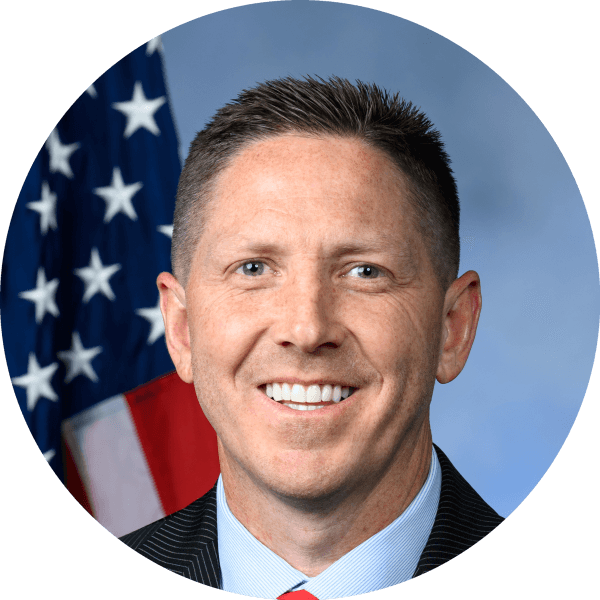
Josh Brecheen
Republican · OK
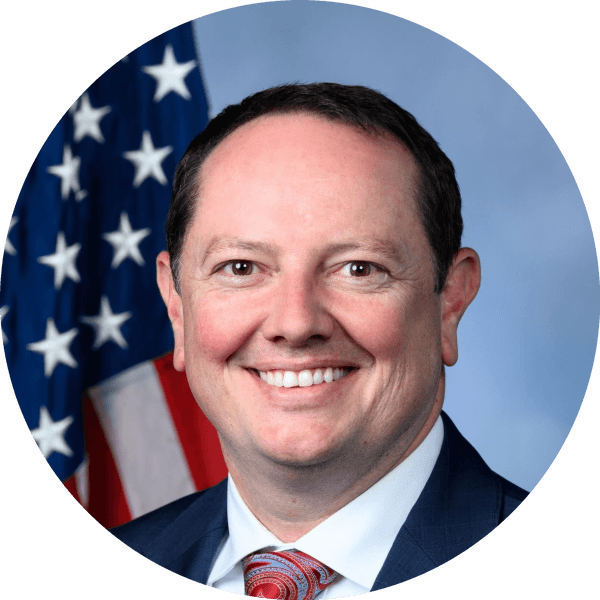
Eric Burlison
Republican · MO
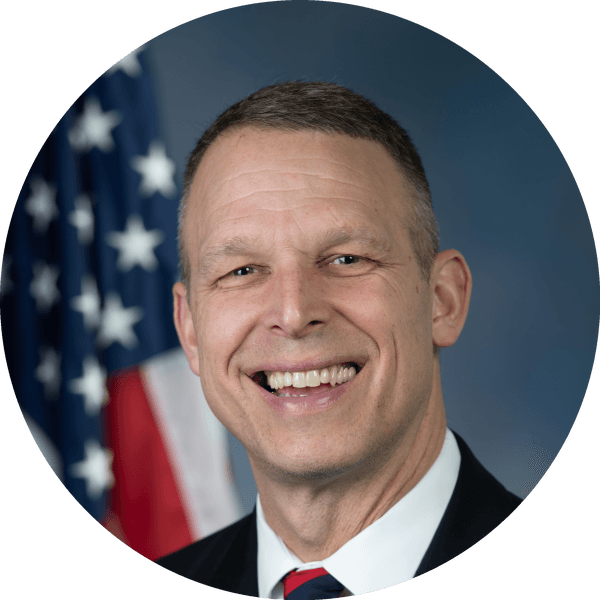
Scott Perry
Republican · PA

Thomas Massie
Republican · KY

Lauren Boebert
Republican · CO
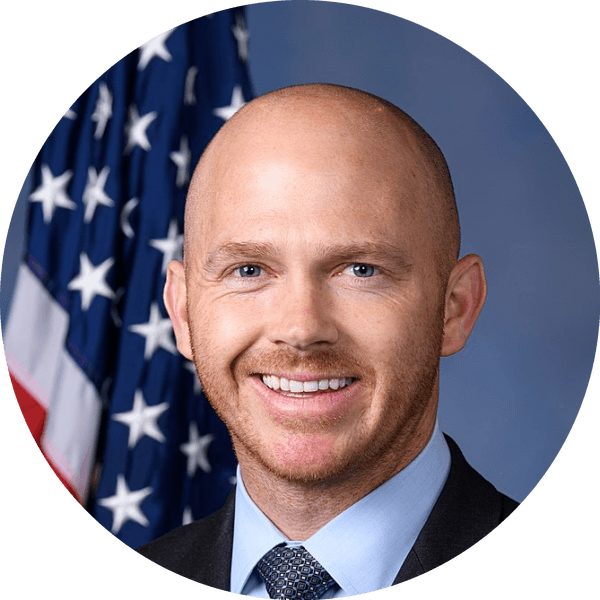
William Timmons
Republican · SC
Committee Sponsors
Appropriations Committee
0 of 63 committee members cosponsored
No committee members have cosponsored this bill

61 Republicans across these committees haven't cosponsored yet. Mobilize their constituents
H.R. 1123 Quick Facts
- Committee
- Appropriations
- Chamber
- House
- Policy
- International Affairs
- Introduced
- Feb 7, 2025
Referred to Foreign Affairs, and in addition to the Committee on Appropriations, for a period to be subsequently determined by the Speaker, in each case for consideration of such provisions as fall within the jurisdiction of the committee concerned. for review
Feb 7, 2025
Official Sources
Official legislative page for H.R. 1123 with text, actions, sponsors, and status.
Official USAID site relevant because the bill would abolish the agency and end funding for its functions.
Official State Department site relevant because the bill transfers USAID assets and liabilities to the Secretary of State.
Official U.S. Code chapter containing the Foreign Assistance Act authorities cited in the bill as 22 U.S.C. 2151 et seq.
Official federal spending portal page for USAID, useful for context on obligations and unobligated funding discussed in the bill.
Official GAO appropriations law resource relevant to terms like unobligated balances and rescission used in the bill.
H.R. 1123 Common Questions
Is USAID actually being shut down?
H.R. 1123 would abolish it, but the bill hasn't passed. It was referred to the House Foreign Affairs Committee with 17 cosponsors. Separately, the administration has taken executive action to restructure USAID — this bill would make the elimination permanent through legislation.
What does USAID actually do?
USAID is the main U.S. agency for international development and humanitarian aid — disaster relief, disease prevention (including HIV/AIDS programs), food security, democracy promotion, and economic development in over 100 countries.
What happens to USAID employees if H.R. 1123 passes?
The bill doesn't say. There are no severance provisions, no redeployment plan, and no transition timeline for staff. Thousands of employees and contractors worldwide would face immediate uncertainty.
Does H.R. 1123 give any time to wind down programs?
No. The funding cutoff is immediate — the day the bill becomes law. No phase-out period, no transition plan, no delayed implementation.
Who introduced the bill to abolish USAID?
Rep. Marjorie Taylor Greene (R-GA) with 17 cosponsors. The bill is one page and seven lines long.
Where does the money go if USAID is abolished?
Nowhere. Unobligated funds are canceled — not redirected to State or any other agency. State inherits USAID's assets and liabilities but gets no new money to handle them.
Would foreign aid continue through the State Department?
The bill transfers USAID's assets and liabilities to State but cuts all USAID funding. State could theoretically continue some programs using its own budget authority, but the bill provides no mechanism or money for that.
Based on H.R. 1123 bill text
H.R. 1123 Bill Text
“To abolish the United States Agency for International Development, and for other purposes.”
Source: U.S. Government Publishing Office
Get notified when H.R. 1123 moves
Committee votes, floor action, cosponsor changes — straight to your inbox.
Bill alerts + Legisletter's monthly briefing. Unsubscribe anytime.
International Affairs Bills
9 related bills we're tracking
Enhanced Iran Sanctions Act of 2025
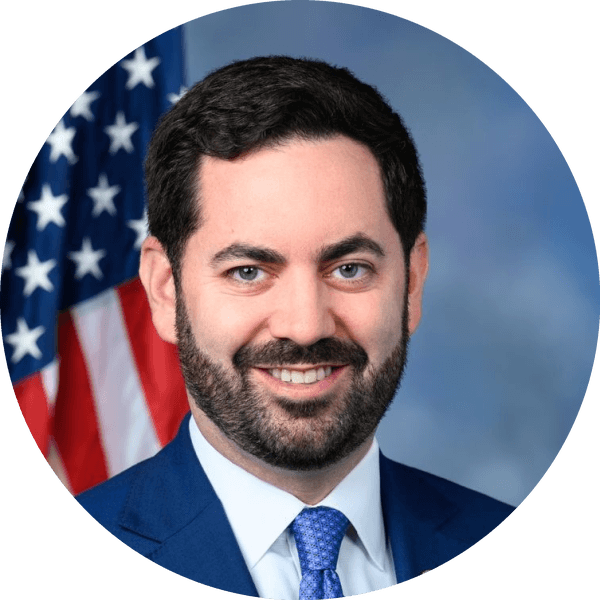

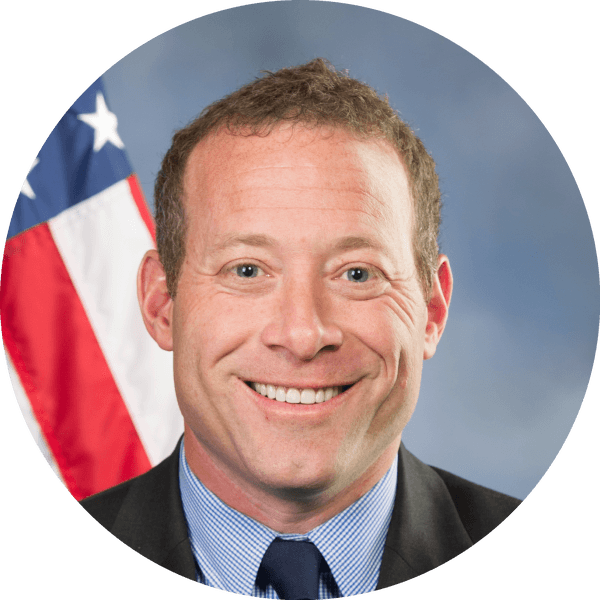


Motion to place bill on Consensus Calendar filed by Mr. Lawler.
Jan 12, 2026
United States-Israel Defense Partnership Act of 2025
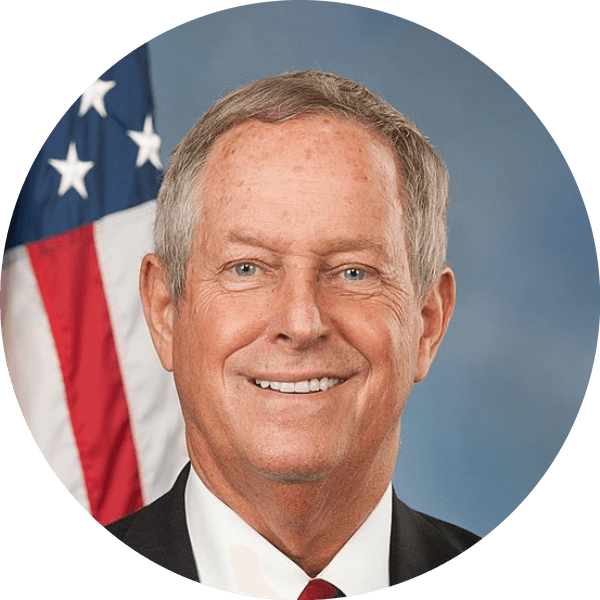



Referred to the Committee on Armed Services, and in addition to the Committee on Foreign Affairs, for a period to be subsequently determined by the Speaker, in each case for consideration of such provisions as fall within the jurisdiction of the committee concerned.
Feb 12, 2025
West Bank Violence Prevention Act of 2025
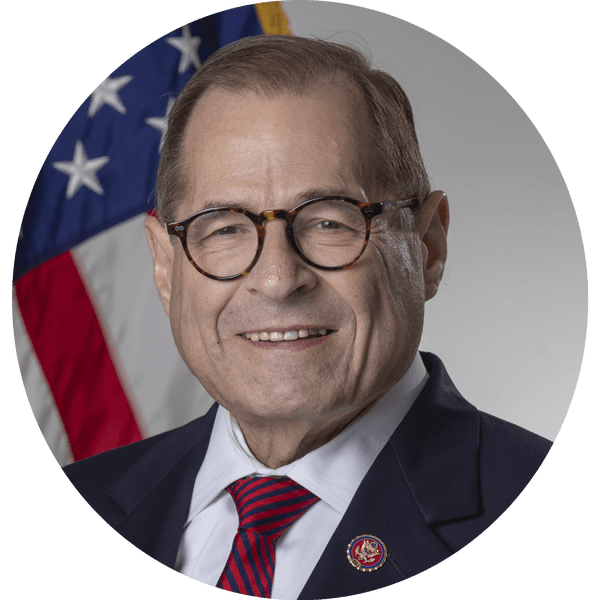

Referred to the Committee on Foreign Affairs, and in addition to the Committee on the Judiciary, for a period to be subsequently determined by the Speaker, in each case for consideration of such provisions as fall within the jurisdiction of the committee concerned.
Apr 28, 2025
Global Respect Act



Referred to the Committee on Foreign Affairs, and in addition to the Committee on the Judiciary, for a period to be subsequently determined by the Speaker, in each case for consideration of such provisions as fall within the jurisdiction of the committee concerned.
Nov 19, 2025
Sanctioning Russia Act of 2025



Referred to the Committee on Foreign Affairs, and in addition to the Committees on the Judiciary, Financial Services, Ways and Means, and Oversight and Government Reform, for a period to be subsequently determined by the Speaker, in each case for consideration of such provisions as fall within the jurisdiction of the committee concerned.
Apr 1, 2025
International Human Rights Defense Act of 2025



Referred to the House Committee on Foreign Affairs.
Nov 17, 2025
Global Health, Empowerment and Rights Act



Referred to the House Committee on Foreign Affairs.
Jan 28, 2025
Pakistan Freedom and Accountability Act




Referred to the Committee on Foreign Affairs, and in addition to the Committee on the Judiciary, for a period to be subsequently determined by the Speaker, in each case for consideration of such provisions as fall within the jurisdiction of the committee concerned.
Sep 10, 2025
Baltic Security Assessment Act of 2025




Ordered to be Reported by the Yeas and Nays: 41 - 3.
Apr 22, 2026
Trending Right Now
Bills gaining momentum across Congress
America’s Olympic and Paralympic Games Commemorative Coins Act


Referred to the House Committee on Financial Services.
Jul 14, 2025
Fit to Serve Act


Referred to the House Committee on Armed Services.
May 21, 2025
ASAP Act


Ordered to be Reported in the Nature of a Substitute by the Yeas and Nays: 40 - 0.
Sep 16, 2026
Tracking International Affairs in Congress? Monitor bills, track cosponsor momentum, and launch advocacy campaigns — all from one advocacy platform.