H.J.Res. 77: Establishing that it shall be the policy of the Government of the United States to recognize the sovereignty, independence, and territorial integrity of Ukraine within that nation's internationally recognized borders as established in 1991.
Sponsor
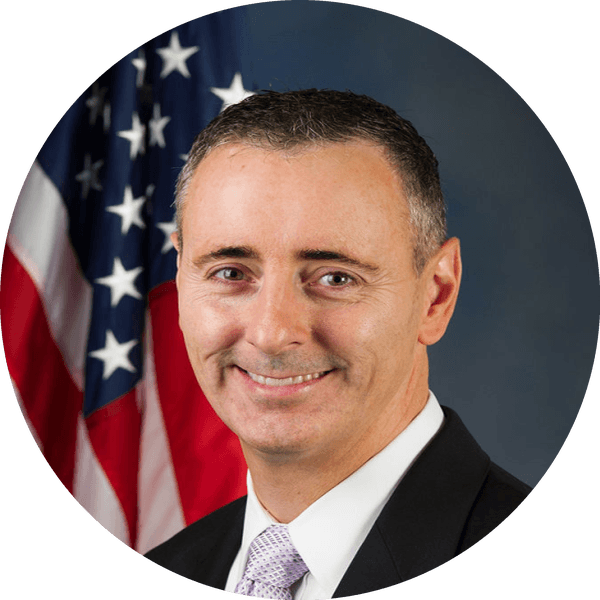
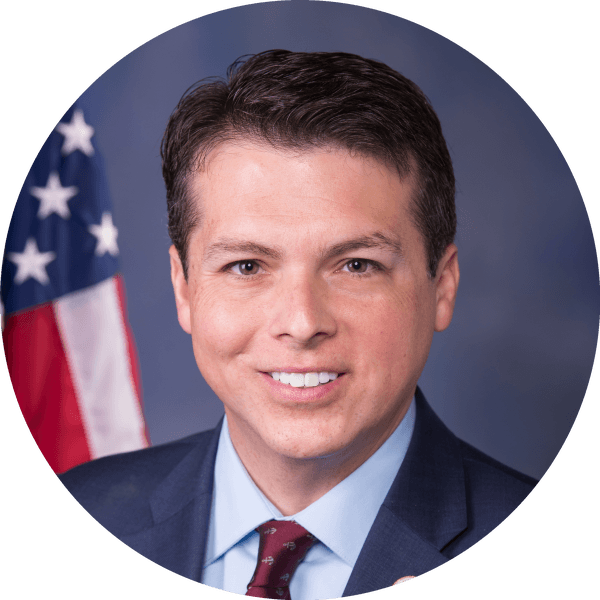
Brian Fitzpatrick
Republican · PA-1
America shouldn’t recognize Russia’s claim to Ukraine’s land
Why it matters
Russia occupies five Ukrainian regions — Crimea, Donetsk, Luhansk, Zaporizhzhia, and Kherson — and claims them as its own. The U.S. refuses to recognize those claims, but that refusal is a diplomatic stance, not law. H.J.Res. 77 would make non-recognition the "exclusive policy" of the United States, so no future administration could quietly accept that land as Russian. Five Republicans and five Democrats have signed on.
H.J.Res. 77 isn’t a weapons shipment or a sanctions package. It’s a statement about which map the United States recognizes when it talks about Ukraine.
The resolution’s title frames it as recognizing Ukraine within its internationally recognized 1991 borders. In plain terms: Crimea and the other occupied regions are still Ukrainian territory, not Russian.
The operative line goes further. It says it should be the "exclusive policy" of the U.S. government to not recognize — and to take no action that implies recognition of — Russia’s claims to the Ukrainian land it occupies.
The text names Crimea, Donetsk, Luhansk, Zaporizhzhia, and Kherson, then adds "including but not limited to." So if Russia occupies more Ukrainian territory, the same non-recognition policy would follow.
Because it’s a policy resolution still sitting in committee, its force right now is diplomatic, not financial. It appropriates no money and creates no program. What it aims to do is narrow how future U.S. officials can describe — or bargain over — Ukraine’s borders.
Bill Progress
Latest Action · Mar 18, 2025
Referred to the House Committee on Foreign Affairs.
H.J.Res. 77 Bill Summary
What H.J.Res. 77 actually does.
Non-recognition would become official U.S. policy
H.J.Res. 77 says it should be the "exclusive policy" of the United States to not recognize Russia’s claims over the sovereign Ukrainian territory it occupies.
Even implied recognition would be off the table
The resolution says the U.S. should take no action that implies recognition of Russia’s claims — not just avoid formal recognition on paper.
Five occupied regions named — and the policy reaches beyond them
The text lists Crimea, Donetsk, Luhansk, Zaporizhzhia, and Kherson as examples, using "including but not limited to" so the policy would also cover other occupied Ukrainian land.
Ukraine’s 1991 borders are the reference line
The resolution’s title sets U.S. policy as recognizing Ukraine’s sovereignty, independence, and territorial integrity within its internationally recognized borders as established in 1991.
Who benefits from H.J.Res. 77?
Ukrainians living under occupation
People in Crimea, Donetsk, Luhansk, Zaporizhzhia, Kherson, and other occupied areas would have Congress formally state that the United States still treats their homes as part of Ukraine.
The government of Ukraine
Kyiv would gain an explicit congressional commitment that the United States recognizes Ukraine within its 1991 borders and rejects Russia’s claims to occupied land.
U.S. diplomats and negotiators
State Department officials would have a clearer line to hold when speaking or negotiating about Ukraine’s territory.
Allies backing Ukraine
Governments coordinating support for Ukraine would have a firm U.S. policy statement to point to on territorial integrity and recognition.
Who is affected by H.J.Res. 77?
Future administrations
Any president seeking room to maneuver in peace talks would face a congressional policy tying U.S. recognition to Ukraine’s 1991 borders.
U.S. foreign-policy agencies
Diplomatic agencies would be expected to avoid statements or actions that could be read as accepting Russian control over occupied Ukrainian territory.
Russia
Russia’s claims to the Ukrainian territory it occupies would be rejected as a matter of U.S. policy under the resolution’s non-recognition stance.
Members of Congress
Lawmakers would have to take a public position on whether the United States should formally reject any recognition of Russia’s claims to occupied Ukrainian territory.
HJRES77 Legislative Journey
House: Committee Action
Mar 18, 2025
Referred to the House Committee on Foreign Affairs.
About the Sponsor
Brian Fitzpatrick
Republican, Pennsylvania's 1st congressional district · 9 years in Congress
Committees: House Permanent Select Committee on Intelligence, Ways and Means
View full profile →
Cosponsors (10)
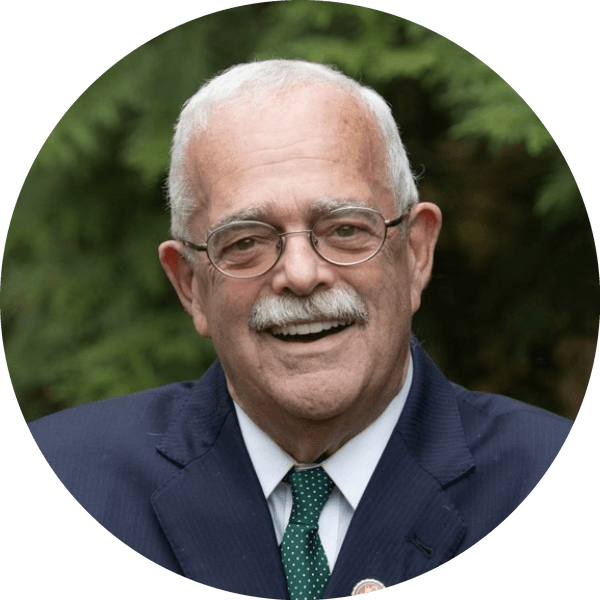
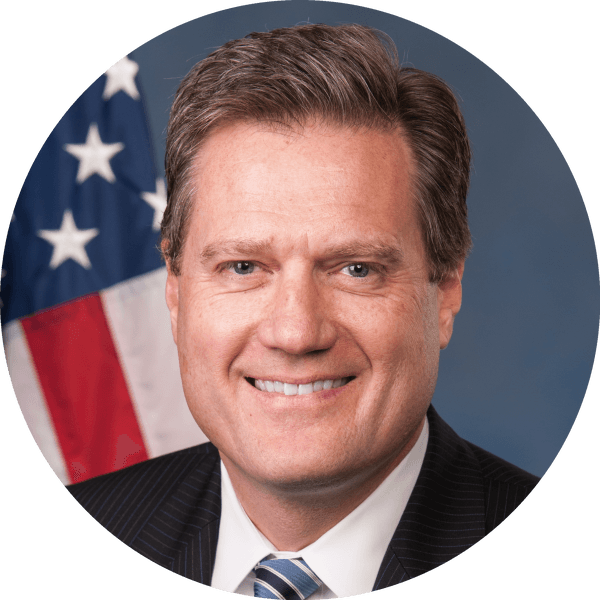
This bill has 10 cosponsors: 6 Democrats, 4 Republicans, reflecting bipartisan support. Cosponsors represent 8 states: Maryland, Nebraska, New Mexico, and 5 more.

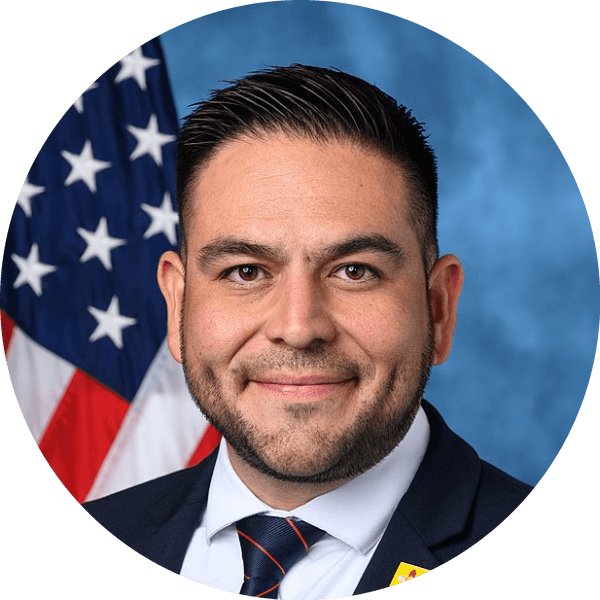
Committee Sponsors
Foreign Affairs Committee
2 of 53 committee members cosponsored


26 Republicans across this committee haven't cosponsored yet. Mobilize their constituents
H.J.Res. 77 Quick Facts

- Committee
- Foreign Affairs
- Chamber
- House
- Policy
- International Affairs
- Introduced
- Mar 18, 2025
Referred to the House Committee on Foreign Affairs.
Mar 18, 2025
Official Sources
Official bill page with text, actions, sponsors, and status for H.J.Res. 77.
State Department page reflecting official U.S. treatment of Ukraine as a sovereign country and providing current government guidance related to the conflict.
Official State Department background page on U.S.-Ukraine relations, useful context for the resolution's recognition and sovereignty policy.
Treasury's official OFAC sanctions program page shows one major way the U.S. government responds to Russia's occupation and aggression against Ukraine.
Official committee site for the House Committee on Foreign Affairs, the committee where H.J.Res. 77 was referred.
H.J.Res. 77 Common Questions
What does H.J.Res. 77 actually do?
It would make non-recognition official U.S. policy: the United States wouldn’t recognize — or take any action implying recognition of — Russia’s claims to the occupied Ukrainian territory it controls.
Does H.J.Res. 77 send money or military aid to Ukraine?
No. It’s a policy resolution, not a funding bill — no aid dollars, no weapons, no sanctions money, no new spending. Its effect is diplomatic.
Could this stop a future president from recognizing occupied land in a peace deal?
That’s the idea. By making non-recognition the "exclusive policy" of the U.S., the resolution aims to take that option off the table for any future administration. As a policy statement, its real force depends on whether it passes and how strictly officials follow it.
Which Ukrainian regions does H.J.Res. 77 name?
Crimea, Donetsk, Luhansk, Zaporizhzhia, and Kherson — and it adds "including but not limited to," so the policy isn’t capped at those five.
Would the U.S. be barred from recognizing Russian control of Crimea?
Yes. The resolution says the U.S. should not recognize Russia’s claims to occupied Ukrainian territory, and it names Crimea directly.
Does H.J.Res. 77 cover occupied territory beyond the five named regions?
Yes. The "including but not limited to" language means the non-recognition policy would extend to any other sovereign Ukrainian land Russia occupies.
What does it mean to bar actions that "imply" recognition?
It pushes past formal statements. The resolution says the U.S. should also avoid conduct — in negotiations or diplomacy — that could be read as accepting Russia’s claims to occupied Ukrainian land.
Has H.J.Res. 77 become law?
No. It was referred to the House Foreign Affairs Committee in March 2025 and hasn’t advanced. It would need to pass the House and Senate, then get a presidential signature.
Based on H.J.Res. 77 bill text
H.J.Res. 77 Bill Text
“Establishing that it shall be the policy of the Government of the United States to recognize the sovereignty, independence, and territorial integrity of Ukraine within that nation’s internationally recognized borders as established in 1991.”
Source: U.S. Government Publishing Office
Get notified when H.J.Res. 77 moves
Committee votes, floor action, cosponsor changes — straight to your inbox.
Bill alerts + Legisletter's monthly briefing. Unsubscribe anytime.
International Affairs Bills
9 related bills we're tracking
Enhanced Iran Sanctions Act of 2025



Motion to place bill on Consensus Calendar filed by Mr. Lawler.
Jan 12, 2026
United States-Israel Defense Partnership Act of 2025


Referred to the Committee on Armed Services, and in addition to the Committee on Foreign Affairs, for a period to be subsequently determined by the Speaker, in each case for consideration of such provisions as fall within the jurisdiction of the committee concerned.
Feb 12, 2025
West Bank Violence Prevention Act of 2025

Referred to the Committee on Foreign Affairs, and in addition to the Committee on the Judiciary, for a period to be subsequently determined by the Speaker, in each case for consideration of such provisions as fall within the jurisdiction of the committee concerned.
Apr 28, 2025
Global Respect Act



Referred to the Committee on Foreign Affairs, and in addition to the Committee on the Judiciary, for a period to be subsequently determined by the Speaker, in each case for consideration of such provisions as fall within the jurisdiction of the committee concerned.
Nov 19, 2025
Sanctioning Russia Act of 2025


Referred to the Committee on Foreign Affairs, and in addition to the Committees on the Judiciary, Financial Services, Ways and Means, and Oversight and Government Reform, for a period to be subsequently determined by the Speaker, in each case for consideration of such provisions as fall within the jurisdiction of the committee concerned.
Apr 1, 2025
International Human Rights Defense Act of 2025



Referred to the House Committee on Foreign Affairs.
Nov 17, 2025
Global Health, Empowerment and Rights Act



Referred to the House Committee on Foreign Affairs.
Jan 28, 2025
Pakistan Freedom and Accountability Act





Referred to the Committee on Foreign Affairs, and in addition to the Committee on the Judiciary, for a period to be subsequently determined by the Speaker, in each case for consideration of such provisions as fall within the jurisdiction of the committee concerned.
Sep 10, 2025
Baltic Security Assessment Act of 2025




Ordered to be Reported by the Yeas and Nays: 41 - 3.
Apr 22, 2026
Trending Right Now
Bills gaining momentum across Congress
America’s Olympic and Paralympic Games Commemorative Coins Act


Referred to the House Committee on Financial Services.
Jul 14, 2025
Fit to Serve Act

Referred to the House Committee on Armed Services.
May 21, 2025
ASAP Act


Ordered to be Reported in the Nature of a Substitute by the Yeas and Nays: 40 - 0.
Sep 16, 2026
Tracking International Affairs in Congress? Monitor bills, track cosponsor momentum, and launch advocacy campaigns — all from one advocacy platform.