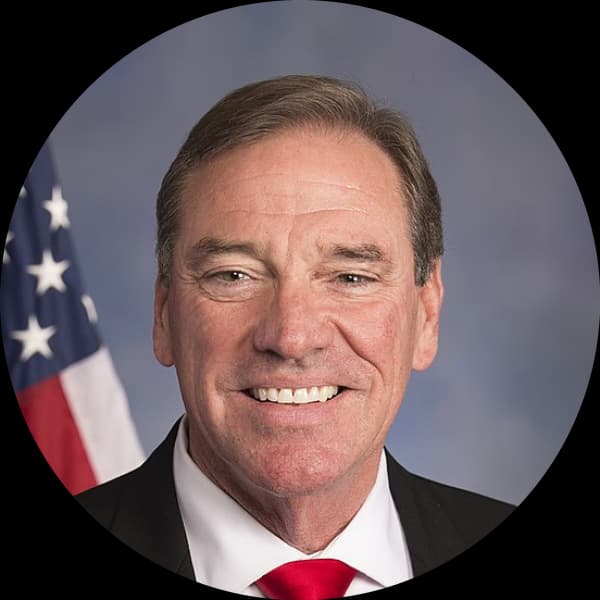
Neal Dunn
Florida's 2nd congressional district
FL-2 Midterms Intelligence
Neal Dunn sits in one of Florida’s safest Republican seats, an R+23 Panhandle district where electoral risk comes from the right only intermittently, not from Democrats. A nine-year incumbent on Energy and Commerce and the China committee, Dunn fits the district’s profile: security-minded, institutionally conservative, and unusually shaped by veterans, who make up 8.6% of the population. The electorate is older, whiter, and more culturally traditional than the state at large, but its governing reality is less ideological than practical—health care systems, storm response, and military-adjacent concerns matter more than partisan theatrics.
For advocates, the opening is “resilience and readiness,” not social equity language. This is a district with a large healthcare/education employment base (22.6%), meaningful medical need—36.1% obesity and 10.8% uninsured—and a member whose committee perch rewards concrete, district-tethered asks. Frame campaigns around rural access, provider stability, emergency preparedness, supply-chain security, and counter-China competitiveness; avoid culture-war packaging unless you’re mobilizing the base. The strategic play is to connect local health and disaster vulnerabilities to national strength.
Economic & Demographic Snapshot
Data sourced from U.S. Census Bureau ACS 5-Year Estimates (2017-2021 vs. 2019-2023). All figures are statistical estimates with 90% confidence level.
Florida District 2 Demographics
Median Age 38.9 (vs 38.5) · Homeownership 64.9% (vs 65.5%) · Bachelor’s+ 31.6% (vs 33.7%) · Poverty 10.7% (vs 12.4%) · Income $64,208 (vs $37,585)
Age Distribution
Near the national median age (38.9 vs 38.5 nationally). 28% of residents are in the 20–39 working-age bracket — housing affordability, student debt, and workforce messaging indexes high.
Race & Ethnicity
White residents are the largest group at 64.8%. Also significant: Black (22.4%).
* Hispanic includes respondents of any race. Racial categories include both Hispanic and non-Hispanic individuals.
Education
31.6% hold a bachelor’s degree or higher, below the 33.7% national average. 10.5% of residents lack a high school diploma.
Income Distribution
Median household income is $64,208, well above the $37,585 national median.
Housing
Homeownership at 64.9% (vs 65.5% nationally). Median rent is $1,265. Median home value is $253,800.
How People Get to Work
Car-dependent: 74.9% drive alone to work. Average commute is 24.5 minutes.
Florida District 2 FAQ
Reach Florida Lawmakers
Representative Dunn focuses on Health, International Affairs and Emergency Management. Deliver personalized constituent letters to Florida's federal, state, and local officials — live in under five minutes.
Grassroots advocacy & legislator intelligence. Used by nonprofits, associations, and GR firms nationwide.
Start a Campaign